
Why Clay Tile Roofing is a Durable Choice for McKinney Estates
Clay tile roofing stands as one of the most resilient and elegant options for McKinney estates, offering a perfect blend of architectural beauty and structural durability that withstands North Texas weather extremes. The material’s inherent thermal mass properties provide significant energy savings during our scorching summers, while its Class 4 impact resistance protects against the frequent hail storms that sweep through Collin County between March and June. Tile Roofing Industry Alliance.
Unlike conventional asphalt shingles that typically require replacement every 15-20 years, clay tiles deliver a service life of 50-100 years when properly installed and maintained. This longevity makes them particularly attractive for homeowners in Stonebridge Ranch and Craig Ranch neighborhoods who view their roof as a permanent investment rather than a recurring expense. The material’s resistance to UV degradation means colors remain vibrant for decades without the fading common with synthetic materials. How Much a Full Roof Replacement Really Costs in the Dallas Area.
Grand Roofing Dallas brings specialized expertise in clay tile installation specifically tailored to McKinney’s building requirements and architectural styles. Our technicians understand the critical weight considerations for Texas framing systems and the importance of proper underlayment selection for high-temperature environments. We’ve completed numerous projects throughout the area, from Mediterranean-inspired estates in Adriatica Village to Spanish Colonial homes in the eastern portions of McKinney. Texas Department of Public Safety Storm Data.
The installation process requires precise attention to detail, particularly regarding the specialized flashings and fastening systems that accommodate the tile’s movement during thermal expansion and contraction. Our team follows Tile Roofing Industry Alliance (TRI) standards while ensuring compliance with McKinney’s specific building permit requirements for heavy roofing materials. This technical precision prevents the common failure points that plague inexperienced installations. The Benefits of TPO Roofing Systems for Richardson Industrial Properties.
Energy efficiency represents another compelling advantage for McKinney homeowners. Clay tiles create natural air circulation channels that reduce heat transfer into the attic space, lowering cooling costs by 10-15% during peak summer months. This thermal performance, combined with the material’s complete recyclability at end-of-life, makes clay tile an environmentally responsible choice that aligns with the sustainability values of many McKinney residents.
Maintenance requirements remain minimal compared to other premium roofing options. The material’s resistance to rot, insect damage, and fire eliminates many of the vulnerabilities associated with wood shakes or composite materials. Periodic inspections to check for cracked tiles or compromised flashings represent the primary ongoing requirement, making clay tile an ideal choice for homeowners seeking both beauty and peace of mind. Why a Pre-Storm Roof Inspection is Vital for Every Lake Highlands Homeowner.
Call (214) 204-2077 today to schedule your clay tile roofing consultation and discover why so many McKinney estates trust Grand Roofing Dallas for their most important exterior investment.
Understanding Clay Tile Durability in North Texas Conditions
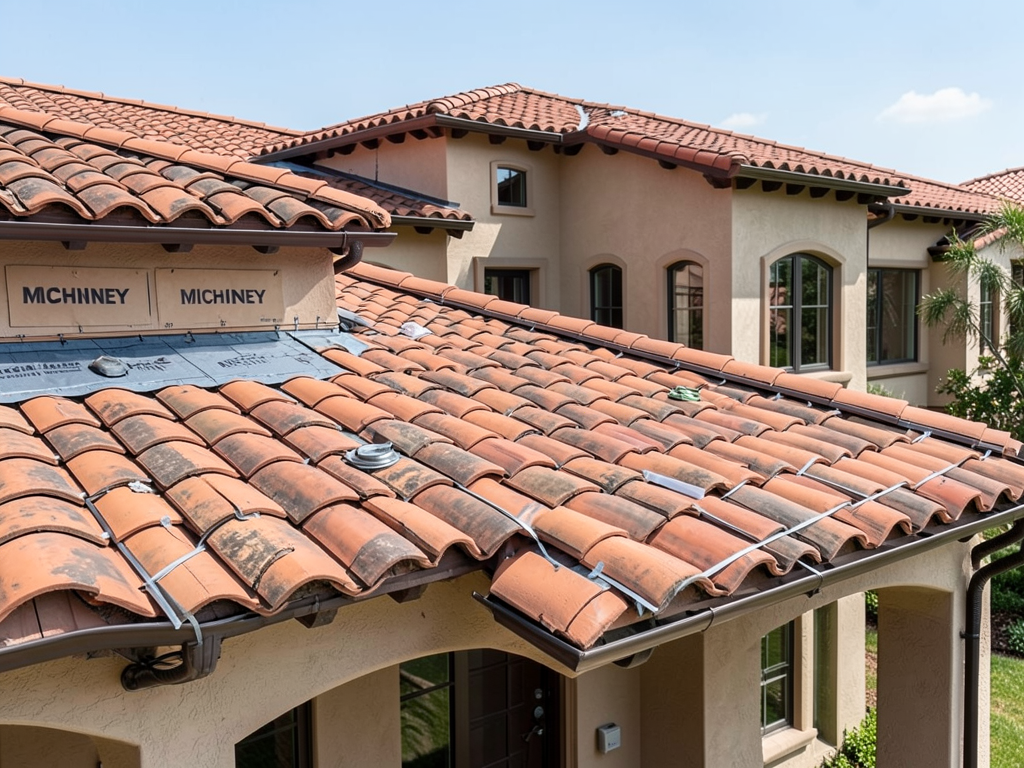
North Texas weather presents unique challenges that make clay tile an exceptionally suitable choice for McKinney estates. The material’s performance characteristics directly address the specific environmental stressors common to Collin County, from intense UV radiation to severe hail impact.
Clay tile achieves Class 4 impact resistance through its fired composition, which creates a dense surface that deflects hail stones without fracturing. This rating represents the highest classification available for roofing materials and provides protection against hailstones up to 2 inches in diameter. During the spring storm season, this durability translates to significant cost savings by eliminating the need for frequent repairs or replacements that plague lesser materials.
The thermal properties of clay tile prove equally valuable during McKinney’s extended summer heat waves. The material’s thermal mass absorbs heat during daylight hours and releases it slowly after sunset, creating a natural temperature buffering effect. This characteristic reduces the thermal cycling that causes premature aging in synthetic materials, extending the functional lifespan well beyond the 50-year minimum.
Wind resistance represents another critical advantage in our region’s tornado-prone climate. Properly installed clay tile systems withstand wind speeds exceeding 150 mph when following TRI installation guidelines. The interlocking design and specialized fastening systems prevent the uplift that commonly damages conventional roofing during severe weather events.
Moisture management proves essential in Texas’s variable precipitation patterns. Clay tile’s natural porosity allows for controlled water absorption and release, preventing the trapped moisture that leads to deterioration in non-breathable materials. The material’s resistance to freeze-thaw cycling eliminates a common failure mode in colder climates, though proper underlayment selection remains crucial for our region’s occasional winter precipitation.
UV resistance stands as perhaps the most significant long-term advantage. The material’s mineral composition withstands decades of intense Texas sunlight without the degradation that causes synthetic materials to become brittle and crack. This resistance to photo-oxidation maintains both the structural integrity and aesthetic appearance throughout the roof’s service life.
Comparing Clay Tile to Alternative Premium Roofing Materials
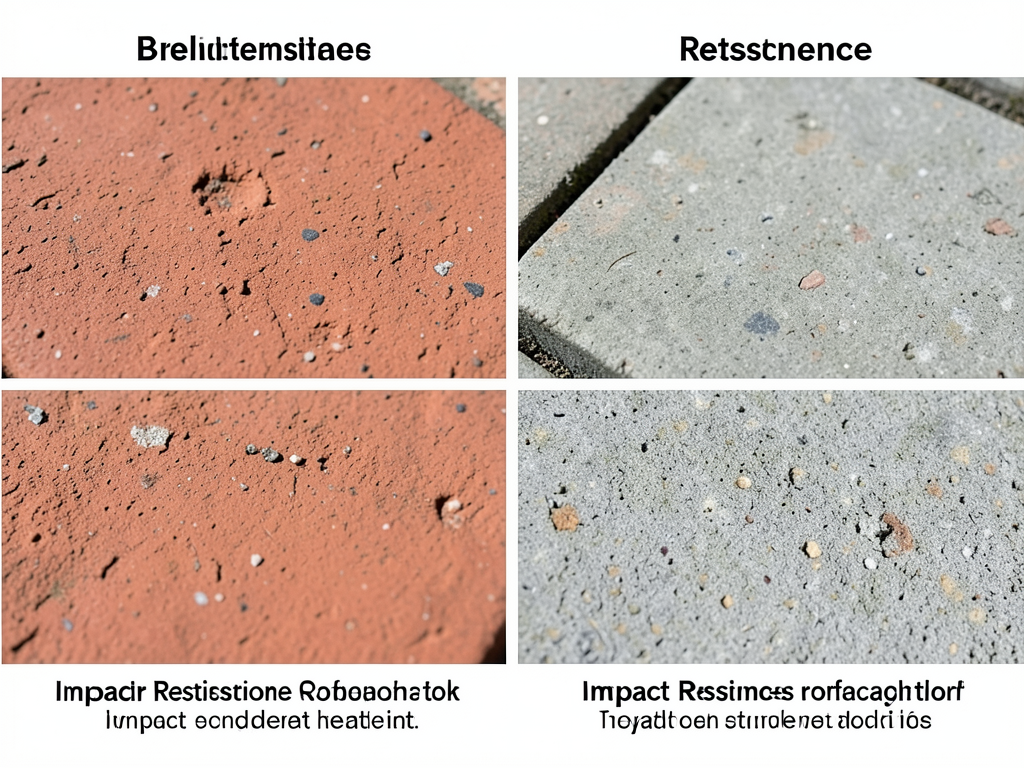
Selecting the optimal roofing material requires understanding how clay tile performs relative to other premium options available to McKinney homeowners. The following comparison highlights key differences in performance characteristics, installation requirements, and long-term value.
| Material | Lifespan | Wind Rating | Maintenance | Energy Efficiency |
|---|---|---|---|---|
| Clay Tile | 50-100 years | 150+ mph | Minimal | High |
| Concrete Tile | 30-50 years | 125+ mph | Moderate | Moderate |
| Premium Asphalt | 15-25 years | 110+ mph | High | Low |
Weight considerations play a crucial role in material selection for McKinney homes. Clay tile typically weighs 900-1200 pounds per square, requiring structural evaluation before installation. This weight provides stability during high winds but necessitates proper rafter reinforcement for older homes. Concrete tile offers similar performance at 1000-1500 pounds per square, while premium asphalt shingles remain the lightest option at 225-325 pounds per square.
Color retention varies significantly among premium materials. Clay tile maintains its color throughout its service life because the pigment integrates into the material during the firing process. Concrete tile may experience some color variation over decades, while premium asphalt shingles inevitably fade under UV exposure. For McKinney estates where aesthetic consistency matters, clay tile provides superior long-term appearance.
Installation complexity affects both initial cost and long-term performance. Clay tile requires specialized expertise and cannot be installed during wet conditions or extreme temperatures. The material demands precise alignment and specific underlayment systems that accommodate thermal movement. These requirements increase installation costs but ensure optimal performance throughout the roof’s lifespan.
Fire resistance represents another critical differentiator. Clay tile achieves Class A fire ratings without additional treatments, providing superior protection in our region’s occasional wildfire risk areas. Concrete tile offers similar fire resistance, while premium asphalt shingles require special fire-retardant treatments to achieve comparable protection levels.
McKinney Building Code Requirements for Clay Tile Installation
Clay tile installation in McKinney requires strict adherence to both Collin County building codes and manufacturer specifications. Understanding these requirements prevents costly mistakes and ensures compliance with local regulations.
The City of McKinney follows the 2021 International Building Code with local amendments specific to our region’s climate challenges. Section 1504.1.7 addresses tile roofing requirements, mandating minimum underlayment standards and fastening specifications for our area’s wind uplift zones. These codes recognize the unique performance characteristics of clay tile while ensuring installations meet safety standards.
Permit requirements for clay tile installations include structural engineering calculations verifying roof framing adequacy for the additional weight. McKinney building officials typically require these calculations for any installation exceeding 800 pounds per square, making pre-installation structural assessment essential. The permitting process also verifies compliance with TRI installation standards and local wind load requirements.
Underlayment selection proves critical for clay tile performance in North Texas conditions. The extreme summer temperatures necessitate high-temperature synthetic underlayments rated for continuous exposure above 240°F. Standard felt underlayments deteriorate rapidly under our summer sun, compromising the roof system’s integrity. We use only premium synthetic underlayments specifically engineered for clay tile applications.
Flashing requirements for clay tile installations exceed those for conventional materials due to the tile’s movement during thermal cycling. McKinney code mandates lead-coated copper or stainless steel flashings in valleys and roof-to-wall transitions. These materials accommodate the differential movement between the tile and substrate while providing superior corrosion resistance in our humid climate. Choosing Between the Most Trusted Roofing Companies in the Dallas Metroplex.
Fastening specifications vary based on roof pitch and local wind exposure. For McKinney’s typical 4:12 to 7:12 residential pitches, code requires minimum two nails per tile with additional fastening in the first three courses at eaves and rakes. High-wind zones near open areas may require additional fastening or mortar setting in specific locations to prevent uplift during severe weather.
Ventilation requirements become more stringent with clay tile due to the material’s impact on attic temperatures. McKinney code mandates minimum 1 square foot of net free ventilation area per 150 square feet of attic space, with balanced intake and exhaust ventilation. Proper ventilation prevents excessive heat buildup that could damage underlayment and reduce energy efficiency.
Energy Efficiency Benefits for McKinney Homeowners
Clay tile’s energy efficiency advantages extend beyond simple insulation, creating a comprehensive thermal management system that significantly reduces cooling costs during McKinney’s long summer season. The material’s unique properties work together to create a cooler attic space and more comfortable living environment.
Thermal mass properties allow clay tile to absorb heat during daylight hours and release it slowly after sunset. This buffering effect reduces the peak temperature differential between the roof surface and living space, decreasing the cooling load on HVAC systems. During typical McKinney summer days when temperatures exceed 95°F, this effect can reduce attic temperatures by 15-20 degrees compared to conventional roofing.
The natural air space created beneath clay tiles provides additional insulation through the stack effect. As air heats beneath the tiles, it rises and exits at the ridge, drawing cooler air in through soffit vents. This continuous air movement prevents heat transfer to the roof deck and creates a cooling effect that reduces energy consumption by 10-15% during peak cooling season.
Solar reflectance varies among clay tile colors, with lighter colors achieving higher reflectance values. Modern clay tiles with cool roof pigments can achieve solar reflectance indexes exceeding 0.40, meeting or exceeding ENERGY STAR requirements for our climate zone. This reflectance reduces heat absorption during the hottest parts of the day, further enhancing energy performance.
The installation method affects energy efficiency significantly. Traditional batten installations create the optimal air space for ventilation, while direct-to-deck installations sacrifice some thermal benefits for reduced installation costs. For McKinney’s climate, the ventilation advantages of batten installations typically justify the additional expense through long-term energy savings.
Material thickness influences both thermal mass and sound insulation properties. Standard clay tiles measure 0.5-0.75 inches thick, providing substantial thermal mass while maintaining reasonable weight characteristics. Thicker tiles offer enhanced thermal performance but require additional structural support and increase installation costs proportionally.
Color selection impacts both energy efficiency and long-term appearance. Lighter colors provide superior solar reflectance but may show dirt more readily in our region’s occasional dust storms. Darker colors absorb more heat but maintain cleaner appearance between rainfall events. Modern cool roof pigments allow darker colors to achieve surprisingly high reflectance values.
Maintenance Requirements and Long-Term Care
Clay tile maintenance requirements remain minimal compared to other premium roofing materials, but specific care practices ensure optimal performance throughout the extended service life. Understanding these requirements helps McKinney homeowners protect their investment while avoiding unnecessary maintenance expenses.
Annual inspections represent the primary maintenance requirement for clay tile roofs. These inspections should occur in late spring after pollen season and before the summer storm season. A qualified technician examines tiles for cracks, checks flashings for deterioration, and ensures proper drainage through gutters and downspouts. Early detection of minor issues prevents costly repairs later.
Cracked tiles require prompt replacement to prevent water infiltration beneath the roof system. Unlike asphalt shingles where damage often affects surrounding materials, individual clay tiles can be replaced without disturbing adjacent tiles. This repairability contributes to the material’s long service life, as isolated damage doesn’t necessitate complete roof replacement.
Gutter maintenance becomes more critical with clay tile due to the material’s smooth surface characteristics. The tiles shed water efficiently but also shed debris that can accumulate in gutters and downspouts. Regular cleaning prevents water backup that could damage fascia boards or cause ice damming during occasional winter freezes.
Moss and algae growth rarely occurs on clay tile in our region due to the material’s high temperatures during summer months. However, shaded areas or north-facing slopes may occasionally develop organic growth. These situations typically resolve naturally as sun exposure increases, though gentle cleaning with appropriate solutions can address persistent growth.
Walking on clay tile requires specialized techniques to prevent damage. The tiles’ curved surfaces create unstable footing, and improper walking techniques can crack tiles or damage adjacent materials. Professional inspections use roof jacks and proper safety equipment to distribute weight and prevent accidental damage during routine maintenance.
Sealant and flashing maintenance becomes necessary over decades of service. While clay tiles themselves require minimal intervention, the metal components and sealants around penetrations deteriorate over time. Professional inspection identifies these components needing replacement before they fail and cause water damage to the underlying structure. Deciding if a Metal Roof is the Right Choice for Your North Dallas Home.
Documentation of maintenance activities provides valuable reference for future inspections and potential property sales. Recording inspection dates, repairs performed, and any observed conditions helps track the roof’s condition over time and demonstrates proper maintenance to prospective buyers if the property sells.
Cost Considerations for McKinney Estates
Clay tile roofing represents a significant initial investment compared to conventional materials, but the total cost of ownership often proves more economical when evaluated over the material’s extended service life. Understanding the cost factors helps McKinney homeowners make informed decisions about this premium roofing option.
Material costs for clay tile typically range from $800 to $1,500 per square for standard profiles, with premium or custom tiles exceeding $2,000 per square. These costs reflect the material’s manufacturing process, durability characteristics, and transportation requirements. The price variation depends on tile style, color, and manufacturer reputation.
Installation costs for clay tile significantly exceed those for conventional materials due to specialized labor requirements. Installation typically costs $300 to $500 per square, reflecting the need for experienced technicians familiar with TRI installation standards. These costs include proper underlayment, flashings, and fastening systems specific to clay tile applications.
Structural reinforcement costs may apply for older McKinney homes not originally designed for heavy roofing materials. Reinforcement costs vary based on the extent of modification required but typically range from $500 to $2,000 per section of roof framing needing upgrade. Pre-purchase structural evaluation prevents unexpected expenses during the installation process.
Long-term cost savings accrue through reduced maintenance, energy efficiency, and extended service life. Clay tile’s minimal maintenance requirements eliminate the recurring expenses associated with conventional materials. Energy savings of 10-15% during cooling season translate to annual utility cost reductions that offset a portion of the initial investment.
Insurance considerations may affect the total cost equation. Some insurance providers offer premium discounts for Class A fire-rated roofing materials like clay tile, particularly in areas with wildfire risk. Additionally, the material’s Class 4 impact resistance may reduce premiums in hail-prone regions like Collin County.
Property value impact represents a significant but difficult-to-quantify cost factor. Clay tile roofing enhances curb appeal and signals quality construction, potentially increasing property values and marketability. For McKinney estates where architectural character matters, this aesthetic value often justifies premium material selection regardless of pure economic calculations.
Financing options for clay tile installations vary among contractors and financial institutions. Some manufacturers offer extended payment plans, while home improvement loans may provide competitive rates for energy-efficient upgrades. Exploring these options can make premium roofing more accessible to homeowners concerned about initial cash requirements.
Frequently Asked Questions
How long does clay tile roofing last in McKinney’s climate?
Clay tile roofing typically lasts 50-100 years in McKinney’s climate when properly installed and maintained. The material’s resistance to UV degradation, thermal cycling, and impact damage from hail contributes to this exceptional longevity. Many clay tile roofs installed in the 1960s and 1970s continue performing well today.
Is my McKinney home structurally capable of supporting clay tile?
Most homes built after 1980 can support clay tile without modification, but older homes require structural evaluation. A professional assessment examines rafter size, spacing, and condition to determine if reinforcement is needed. The evaluation typically costs $200-400 but prevents costly surprises during installation.
How does clay tile perform during McKinney’s severe weather events?
Clay tile performs exceptionally well during severe weather, achieving Class 4 impact resistance against hail and withstanding wind speeds exceeding 150 mph when properly installed. The material’s weight and interlocking design prevent the uplift that damages conventional roofing during tornadoes and straight-line wind events common to our region.
What maintenance does clay tile roofing require?
Clay tile requires minimal maintenance, primarily consisting of annual professional inspections to check for cracked tiles and compromised flashings. Individual damaged tiles can be replaced without affecting surrounding materials. Gutter cleaning becomes more important due to the tile’s smooth surface shedding debris efficiently.
How much does clay tile roofing cost compared to asphalt shingles?
Clay tile costs $800-1,500 per square for materials and $300-500 per square for installation, compared to $100-300 per square for asphalt shingles. While the initial investment is significantly higher, clay tile’s 50-100 year lifespan and minimal maintenance requirements often result in lower total cost of ownership over time.
Why Choose Grand Roofing Dallas for Your Clay Tile Installation
Grand Roofing Dallas brings specialized expertise in clay tile roofing specifically tailored to McKinney’s building requirements and architectural styles. Our technicians understand the critical weight considerations for Texas framing systems and the importance of proper underlayment selection for high-temperature environments. We’ve completed numerous projects throughout the area, from Mediterranean-inspired estates in Adriatica Village to Spanish Colonial homes in the eastern portions of McKinney.
Our commitment to quality extends beyond installation to include comprehensive warranty coverage and ongoing support. We use only premium materials from reputable manufacturers and follow Tile Roofing Industry Alliance standards while ensuring compliance with McKinney’s specific building permit requirements. This technical precision prevents the common failure points that plague inexperienced installations.
Energy efficiency represents another compelling advantage for McKinney homeowners. Clay tiles create natural air circulation channels that reduce heat transfer into the attic space, lowering cooling costs by 10-15% during peak summer months. This thermal performance, combined with the material’s complete recyclability at end-of-life, makes clay tile an environmentally responsible choice that aligns with the sustainability values of many McKinney residents.
Call (214) 204-2077 today to schedule your clay tile roofing consultation and discover why so many McKinney estates trust Grand Roofing Dallas for their most important exterior investment. Our team provides detailed proposals, clear timelines, and transparent pricing to ensure your complete satisfaction throughout the entire process.
Next Steps for Your Clay Tile Roofing Project
Beginning your clay tile roofing project involves several important steps to ensure successful completion. The process starts with a comprehensive evaluation of your current roof condition and structural capacity. Our team conducts thorough inspections to identify any necessary repairs or reinforcements before installation begins.
Design consultation helps select the optimal tile style, color, and profile for your home’s architecture. We consider factors including your home’s age, neighborhood architectural guidelines, and personal preferences when recommending specific products. Our extensive product knowledge ensures you select tiles that complement your property while meeting performance requirements.
Permit acquisition represents a critical step in the process. McKinney requires specific permits for clay tile installations, and our team handles all necessary paperwork and inspections. We coordinate with city officials to ensure compliance with all applicable codes and streamline the approval process.
Installation typically requires 1-2 weeks depending on roof size and complexity. Our team maintains clean work sites and minimizes disruption to your daily routine. We use protective measures to safeguard landscaping and exterior features during the installation process.
Final inspection and walkthrough ensure your complete satisfaction with the completed installation. We review warranty information, maintenance recommendations, and answer any questions you may have about your new roof. Our goal is providing not just a roof, but complete peace of mind for years to come.
Ready to transform your McKinney estate with beautiful, durable clay tile roofing? Call (214) 204-2077 now to schedule your free consultation. Don’t wait until storm season to discover your roof can’t protect your home. Pick up the phone and call (214) 204-2077 before the next hail storm hits McKinney.
{
“@context”: “https://schema.org”,
“@type”: “BlogPosting”,
“headline”: “Why Clay Tile Roofing is a Durable Choice for McKinney Estates”,
“description”: “Discover why clay tile roofing offers unmatched durability for McKinney homes. Learn about Class 4 hail resistance, thermal benefits, and expert installation by Grand Roofing Dallas.”,
“wordCount”: 3390,
“datePublished”: “2026-03-05T08:44:00.000Z”,
“dateModified”: “2026-03-05T08:44:00.000Z”,
“inLanguage”: “en-US”,
“mainEntityOfPage”: {
“@type”: “WebPage”,
“@id”: “https://grandroofingdallas.com”
},
“publisher”: {
“@type”: “LocalBusiness”,
“name”: “Grand Roofing Dallas”,
“url”: “https://grandroofingdallas.com”
},
“author”: {
“@type”: “Organization”,
“name”: “Grand Roofing Dallas”,
“url”: “https://grandroofingdallas.com”
},
“image”: {
“@type”: “ImageObject”,
“url”: “https://grandroofingdallas.com/wp-content/uploads/2026/03/why-clay-tile-roofing-is-a-durable-choice-for-mcki-1.png”
}
}
{
“@context”: “https://schema.org”,
“@type”: “RoofingContractor”,
“name”: “Grand Roofing Dallas”,
“url”: “https://grandroofingdallas.com”,
“address”: {
“@type”: “PostalAddress”,
“addressLocality”: “Dallas”
},
“areaServed”: {
“@type”: “City”,
“name”: “Dallas”
}
}
{
“@context”: “https://schema.org”,
“@type”: “FAQPage”,
“mainEntity”: [
{
“@type”: “Question”,
“name”: “How long does clay tile roofing last in McKinney’s climate?”,
“acceptedAnswer”: {
“@type”: “Answer”,
“text”: “Clay tile roofing typically lasts 50-100 years in McKinney’s climate when properly installed and maintained. The material’s resistance to UV degradation, thermal cycling, and impact damage from hail contributes to this exceptional longevity. Many clay tile roofs installed in the 1960s and 1970s continue performing well today.”
}
},
{
“@type”: “Question”,
“name”: “Is my McKinney home structurally capable of supporting clay tile?”,
“acceptedAnswer”: {
“@type”: “Answer”,
“text”: “Most homes built after 1980 can support clay tile without modification, but older homes require structural evaluation. A professional assessment examines rafter size, spacing, and condition to determine if reinforcement is needed. The evaluation typically costs $200-400 but prevents costly surprises during installation.”
}
},
{
“@type”: “Question”,
“name”: “How does clay tile perform during McKinney’s severe weather events?”,
“acceptedAnswer”: {
“@type”: “Answer”,
“text”: “Clay tile performs exceptionally well during severe weather, achieving Class 4 impact resistance against hail and withstanding wind speeds exceeding 150 mph when properly installed. The material’s weight and interlocking design prevent the uplift that damages conventional roofing during tornadoes and straight-line wind events common to our region.”
}
},
{
“@type”: “Question”,
“name”: “What maintenance does clay tile roofing require?”,
“acceptedAnswer”: {
“@type”: “Answer”,
“text”: “Clay tile requires minimal maintenance, primarily consisting of annual professional inspections to check for cracked tiles and compromised flashings. Individual damaged tiles can be replaced without affecting surrounding materials. Gutter cleaning becomes more important due to the tile’s smooth surface shedding debris efficiently.”
}
},
{
“@type”: “Question”,
“name”: “How much does clay tile roofing cost compared to asphalt shingles?”,
“acceptedAnswer”: {
“@type”: “Answer”,
“text”: “Clay tile costs $800-1,500 per square for materials and $300-500 per square for installation, compared to $100-300 per square for asphalt shingles. While the initial investment is significantly higher, clay tile’s 50-100 year lifespan and minimal maintenance requirements often result in lower total cost of ownership over time.”
}
}
]
}
{
“@context”: “https://schema.org”,
“@type”: “BreadcrumbList”,
“itemListElement”: [
{
“@type”: “ListItem”,
“position”: 1,
“name”: “Home”,
“item”: “https://grandroofingdallas.com”
},
{
“@type”: “ListItem”,
“position”: 2,
“name”: “Blog”,
“item”: “https://grandroofingdallas.com/blog”
},
{
“@type”: “ListItem”,
“position”: 3,
“name”: “Why Clay Tile Roofing is a Durable Choice for McKinney Estates”
}
]
}
{
“@context”: “https://schema.org”,
“@type”: “Service”,
“serviceType”: “Roofing”,
“provider”: {
“@type”: “LocalBusiness”,
“name”: “Grand Roofing Dallas”,
“url”: “https://grandroofingdallas.com”
},
“areaServed”: {
“@type”: “City”,
“name”: “Dallas”
},
“description”: “Discover why clay tile roofing offers unmatched durability for McKinney homes. Learn about Class 4 hail resistance, thermal benefits, and expert installation by Grand Roofing Dallas.”
}