



menu

Spray Foam Roofing in Dallas – Minimize Downtime and Maximize Energy Savings for Your Commercial Property

SPF roofing systems protect your business operations while cutting cooling costs by up to 30 percent in Dallas's extreme heat, delivered with minimal disruption to your daily workflow.

Slider Image 1
Slider Image 2
Slider Image 3
Slider Image 4
Slider Image 5
Slider Image 7
Slider Image 8
Slider Image 9
Slider Image 10
Slider Image 11

Why Dallas Commercial Buildings Need SPF Roofing Solutions

Dallas commercial properties face a brutal combination of temperature extremes that destroy conventional roofing systems. Summer temperatures regularly exceed 100 degrees, creating thermal cycling that cracks traditional built-up roofs and TPO membranes. Your HVAC system runs constantly, driving operating costs through the roof while your building envelope fails to provide adequate thermal resistance.

The clay soil beneath Dallas expands and contracts with moisture changes, causing structural movement that opens seams in conventional roofing. Add in severe thunderstorms with hail and high winds, and you have a recipe for premature roof failure that threatens business continuity.

Spray polyurethane foam roofing eliminates these vulnerabilities. The seamless SPF roof system expands and contracts with your building, maintaining waterproof integrity despite structural movement. Commercial spray foam roofing provides superior R-value per inch compared to any other roofing material, reducing thermal transfer and slashing your cooling costs.

For warehouse operations, manufacturing facilities, and office buildings across the Dallas metro, polyurethane foam roofing delivers measurable ROI through energy savings and extended roof lifespan. The monolithic application means no seams to fail, no fasteners to work loose, and no membrane shrinkage to create ponding water.

Your roof represents one of your largest capital investments. SPF roofing protects that investment while reducing operating expenses, which matters when you are managing budgets and minimizing unplanned maintenance costs.

Why Dallas Commercial Buildings Need SPF Roofing Solutions
The SPF Application Process for Commercial Buildings

The SPF Application Process for Commercial Buildings

Installing a commercial spray foam roofing system requires precision equipment and trained applicators. We do not send general roofers to handle polyurethane foam application. Our crews specialize in SPF systems and understand the chemistry, environmental conditions, and application parameters that determine system performance.

Surface preparation is critical. We mechanically clean the existing substrate, removing loose material, oils, and contaminants that would compromise adhesion. For reroof applications over existing systems, we address any moisture-damaged insulation and verify the deck can support the new SPF roof system weight.

Application happens during specific temperature and humidity windows. Polyurethane foam requires substrate temperatures above 40 degrees and relative humidity below 85 percent for proper cellular structure. We monitor conditions continuously and adjust mix ratios based on ambient temperature to ensure proper foam density and cell structure.

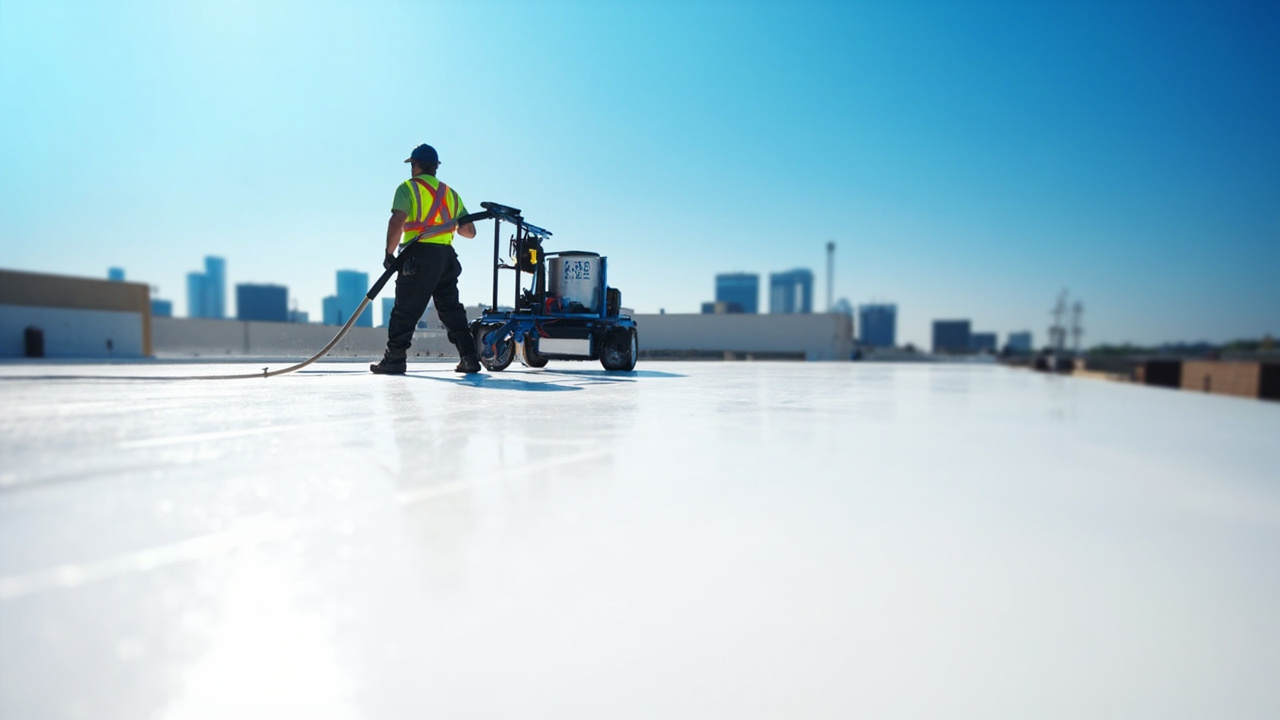
The foam goes down in multiple passes, building thickness gradually to achieve your specified R-value. Each pass must cure before the next application to prevent foam collapse or poor adhesion between lifts. For most commercial applications, we install two to three inches of closed-cell SPF, providing R-values between 12 and 18.

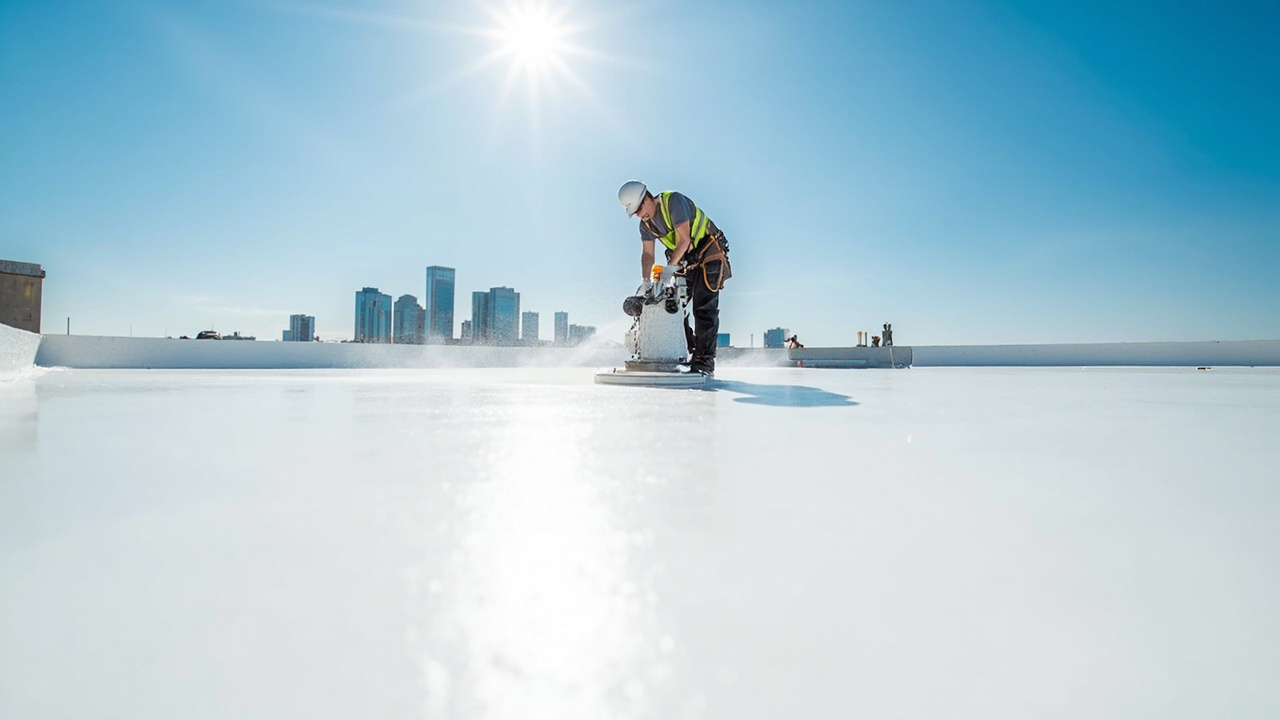
After the foam cures, we apply an elastomeric coating system. This protects the foam from UV degradation and provides the waterproofing layer. The coating gets applied in two coats with embedded polyester reinforcing fabric at all transitions, penetrations, and terminations. We finish with granulated surfacing on the final coat to improve fire ratings and reduce surface temperatures.

Quality control happens at every phase. We verify foam density, measure coating thickness, and conduct flood testing on completed sections before releasing the roof for service.

What Happens During Your SPF Roof Installation

Spray Foam Roofing in Dallas – Minimize Downtime and Maximize Energy Savings for Your Commercial Property
01

Site Assessment and Planning

We conduct a detailed roof survey, documenting existing conditions, identifying structural limitations, and measuring for material quantities. Our team coordinates with your facility manager to establish work zones, staging areas, and access points that minimize impact to your operations. We develop a project schedule that accounts for weather windows and your business requirements, then obtain necessary permits from Dallas building officials.
02

Substrate Preparation and Application

Crews arrive with spray equipment, generators, and material trucks staged for efficient workflow. We establish safety perimeters, protect HVAC units and roof equipment, then begin surface preparation. Once the substrate passes inspection, application begins in designated sections. Our spray technicians apply foam in controlled passes, building to specification while quality inspectors verify density and thickness. The elastomeric coating follows after proper cure time, with embedded reinforcement at all critical transitions.
03

Final Inspection and Certification

After the final coat cures, we conduct comprehensive flood testing on all roof areas to verify watertight integrity. Our project manager walks the entire roof with your facilities team, documenting completed work and reviewing maintenance requirements. You receive complete installation documentation, manufacturer certifications, and warranty paperwork. We schedule your first annual inspection to maintain warranty compliance and catch any minor issues before they become problems.

Why Dallas Property Managers Choose Grand Roofing for SPF Systems

Commercial spray foam roofing requires specialized knowledge that goes beyond basic roofing skills. Our applicators hold manufacturer certifications from major SPF system producers and maintain those credentials through continuing education. We understand the chemical reactions happening during foam application and how Dallas weather conditions affect those reactions.

Property managers in the Dallas metro need contractors who understand local building codes and commercial construction standards. We work regularly with Dallas Development Services on commercial permits and know the inspection requirements for SPF roof systems. Our installations meet or exceed Texas Department of Insurance wind uplift requirements and Dallas fire code provisions for commercial buildings.

The coordination required for commercial projects separates professional contractors from installers who primarily work residential. We have completed SPF installations on occupied warehouses, operating retail centers, and active manufacturing facilities. Our project managers develop work plans that maintain your business operations while we replace your roof overhead.

You need verifiable performance data, not marketing claims. Our completed projects across Dallas include distribution centers, office buildings, and industrial facilities where building owners track energy consumption. These properties show documented cooling cost reductions that validate the thermal performance of properly installed SPF roofing systems.

We maintain the equipment inventory and crew capacity to handle projects from 10,000 square feet to 200,000 square feet without subcontracting critical work. Your project gets our trained crews, our quality control processes, and our direct accountability.

Grand Roofing Dallas has worked on commercial properties throughout the metro, from the industrial corridor along I-35E to office complexes in Las Colinas. We understand the building stock in this market and how to deliver SPF solutions that perform in Dallas conditions.

What Your Commercial SPF Roof Project Involves

Project Timeline and Scheduling

Most commercial SPF installations take one to three weeks depending on roof size and complexity. Weather plays a significant role in scheduling since we cannot spray during rain or when temperatures fall outside application parameters. We develop detailed project schedules that account for Dallas weather patterns and your operational requirements. Our team coordinates with your facilities staff to minimize disruption, scheduling noisy operations during off-hours when needed. For occupied buildings, we can phase the work to maintain full building operations throughout the installation. You receive weekly progress updates and advance notice before each major work phase begins.

Pre-Installation Assessment Process

We start with a comprehensive roof inspection using thermal imaging to identify moisture in existing insulation and core samples to verify deck conditions. Our assessment includes structural load calculations to confirm your building can support the SPF system weight, plus analysis of your current energy costs to project ROI. You receive a detailed written proposal that specifies foam thickness, coating system, warranty options, and project timeline. We identify any repairs needed to the existing deck or structure before SPF application. The assessment includes coordination with your insurance carrier if you are filing a claim for storm damage on the existing roof.

System Performance and Energy Savings

A properly installed SPF roof system delivers measurable energy savings from day one. The seamless insulation eliminates thermal bridging that occurs at fasteners and seams in mechanical systems. Most Dallas commercial buildings see cooling cost reductions between 20 and 40 percent depending on the existing roof condition and HVAC efficiency. The white reflective coating reduces surface temperatures by 50 degrees compared to dark conventional roofs, decreasing heat transfer into your building. SPF systems maintain their R-value over time since the closed-cell foam does not settle or degrade like fiberglass batt insulation. You get consistent thermal performance for the life of the roof.

Warranty Coverage and Maintenance Requirements

SPF roof systems come with manufacturer warranties ranging from 10 to 20 years depending on the coating system selected. These warranties cover material defects and system performance, not just leaks. Maintaining warranty coverage requires annual inspections and recoating on the schedule specified by the manufacturer, typically every 10 to 15 years. We provide detailed maintenance documentation that outlines inspection requirements and care procedures. Annual inspections catch minor coating damage before water reaches the foam layer. Most maintenance involves cleaning debris from drains and recoating small areas where foot traffic has worn the elastomeric surface. The maintenance costs are minimal compared to tear-off and replacement of conventional roofing systems.

Frequently Asked Questions

You Have Questions,
We Have Answers

Is spray foam good for roofs? +

Spray foam roofing performs well on commercial flat or low-slope roofs. It creates a seamless, waterproof membrane that expands into cracks and gaps. This eliminates common leak points. In Dallas, where summer heat drives cooling costs up, spray foam provides superior insulation. It reflects UV rays and reduces thermal transfer. The material adheres directly to existing substrates, which minimizes tear-off waste and downtime. For warehouse facilities, office buildings, and retail spaces, spray foam extends roof life while cutting energy expenses. Proper installation and regular maintenance are required to prevent degradation from Dallas weather extremes.

What are the disadvantages of a spray foam roof? +

Spray foam roofs require professional installation to avoid application errors. Improper thickness or mixing ratios cause premature failure. The material degrades under sustained UV exposure without protective coating. In Dallas, intense sun and hailstorms can damage uncoated foam surfaces. Overspray during application can create compliance issues with neighboring properties. Spray foam also demands periodic recoating every 10 to 15 years to maintain waterproofing. Moisture trapped beneath the foam during installation leads to hidden rot. If your building has active leaks or structural damage, foam will seal problems in rather than fix them. Skilled contractors minimize these risks.

How long does a spray foam roof last? +

A properly installed and maintained spray foam roof lasts 20 to 30 years. Longevity depends on coating quality, substrate condition, and maintenance frequency. Dallas weather accelerates wear. UV radiation breaks down the polymer chains, and hail can puncture the surface. Regular inspections catch small cracks before they expand. Recoating the foam every 10 to 15 years restores the protective barrier and extends service life. Neglected roofs fail sooner. Buildings with high foot traffic or mechanical equipment on the roof see faster degradation. Budget for ongoing maintenance to reach the upper end of the lifespan range.

Is spray foam roofing expensive? +

Spray foam roofing costs more upfront than traditional systems like built-up roofing or single-ply membranes. Pricing depends on foam thickness, building size, and roof complexity. You pay a premium for the seamless application and insulation benefits. In Dallas, energy savings from reduced cooling loads offset the initial expense over time. Commercial facilities with high HVAC demands see faster ROI. Labor costs vary by contractor experience. Avoid low bids that signal shortcuts in material quality or surface prep. Factor in recoating expenses every decade. The total cost of ownership often compares favorably to cheaper systems that require earlier replacement.

Why are insurance companies not insuring homes with spray foam insulation? +

This question confuses spray foam roofing with spray foam attic insulation. Insurers sometimes reject homes with closed-cell attic foam due to fire risk or improper installation that hides electrical hazards. Spray foam roofing on commercial buildings faces different underwriting criteria. Insurers evaluate installation quality, fire ratings, and wind uplift resistance. Some carriers require proof of professional application and regular maintenance records. Dallas properties in hail zones may face higher premiums regardless of roofing type. If your insurer raises concerns, provide documentation from a licensed contractor showing code compliance and proper installation methods. Commercial policies differ from residential underwriting standards.

How much does it cost to spray foam a 2000 foot attic? +

This question addresses attic insulation, not roofing systems. Spray foam attic insulation pricing depends on foam type, depth, and access difficulty. Costs vary widely based on contractor rates in Dallas. Closed-cell foam costs more than open-cell but provides better moisture resistance. A 2000-square-foot attic typically requires multiple inches of coverage to meet energy code. Expect pricing to reflect material density and labor hours. This FAQ targets commercial roofing applications, where spray foam serves as a waterproofing membrane on flat or low-slope roofs. For attic insulation quotes, consult insulation specialists who focus on residential envelope performance rather than roofing contractors.

Why are people removing spray foam? +

Property owners remove spray foam when improper installation causes ongoing problems. Trapped moisture leads to mold growth and structural rot. Overspray onto neighboring properties creates liability issues. Some remove foam to access underlying roof damage that was sealed over rather than repaired. In Dallas, contractors sometimes cut corners during hot weather, which affects foam curing and adhesion. Buyers reject homes with poorly installed attic foam due to resale and insurance concerns. Commercial building owners remove failing foam to install more reliable systems when recoating costs outweigh replacement. Removal is expensive and requires specialized equipment to avoid releasing harmful particulates.

Why are lenders rejecting homes with spray foam insulation? +

Lenders scrutinize homes with spray foam attic insulation because improper installation hides structural defects and electrical hazards. Appraisers flag foam that covers roof decking or rafter bays without ventilation. This traps moisture and voids manufacturer warranties on roofing materials. Banks require third-party inspections to confirm code compliance before approving loans. In Dallas, some lenders reject properties where foam blocks visual inspection of framing. This question conflates attic insulation with spray foam roofing systems used on commercial buildings. Commercial lenders evaluate roofing systems based on remaining service life and maintenance records, not the same criteria applied to residential attic foam.

Why is it hard to sell a house with spray foam insulation? +

Homes with spray foam attic insulation face buyer resistance due to inspection limitations and insurance concerns. Foam covers roof decking and framing, which prevents visual assessment of structural condition. Buyers fear hidden damage and future repair costs. Some insurers refuse coverage or charge higher premiums. Appraisers discount home values when foam installation violates building codes. In Dallas, where attic ventilation combats extreme heat, sealed attics raise red flags. This question addresses residential insulation issues, not commercial spray foam roofing. Commercial properties sell based on operating costs and roof condition reports. Properly documented spray foam roofing systems do not create the same resale obstacles.

How much does it cost to replace a roof on a 2200 square foot house? +

Roof replacement costs depend on material choice, roof pitch, accessibility, and disposal fees. A 2200-square-foot residential roof differs from commercial flat roofs where spray foam applies. Asphalt shingle replacement costs less than metal or tile. Removal of multiple old layers increases labor expenses. In Dallas, permit fees and inspection requirements add to the total. This question targets residential roofing, not commercial spray foam systems. Commercial flat roof replacement pricing scales with square footage, membrane type, and insulation upgrades. For accurate estimates, request quotes from licensed contractors who inspect your specific building conditions and provide itemized proposals.

How Dallas Heat and Storm Patterns Make SPF Roofing the Smart Commercial Choice

Dallas commercial buildings endure some of the most demanding roofing conditions in North America. Summer heat islands in urban areas push roof surface temperatures above 170 degrees on conventional dark membranes, accelerating degradation and driving cooling costs through the roof. Spring severe weather brings hail and straight-line winds that puncture single-ply membranes and tear off mechanically attached systems. The clay soil throughout the Dallas area shrinks during drought and swells during wet periods, creating structural movement that opens seams in traditional built-up roofing. SPF roofing addresses all these challenges with a monolithic, reflective, flexible system that moves with your building while providing superior thermal resistance and storm protection.

Commercial property managers in Dallas need roofing contractors who understand local building codes and work regularly with Dallas Development Services on permit approvals. Grand Roofing Dallas has completed SPF installations across the metro, from warehouses in South Dallas to office buildings in North Dallas and retail centers in Irving. We know the inspection requirements, understand the fire rating specifications for different occupancy types, and maintain the manufacturer certifications required for warranty compliance. Our familiarity with Dallas construction standards and local building officials streamlines the permitting process and ensures your installation meets all code requirements without delays or compliance issues.
Roofing Services in The Dallas Area

Grand Roofing Dallas proudly serves the entire metropolitan area and surrounding communities. We're committed to providing prompt, professional service wherever you are. Use the map to see our location and service radius, or simply give us a call to schedule an in-person consultation at your property. We look forward to bringing our expert roofing solutions directly to you.

Address:
Grand Roofing Dallas, 4422 Live Oak St, Dallas, TX, 75204

Additional Services We Offer

Our news updates

Latest Articles & News from The Blogs

Choosing Energy Star Rated Shingles to Lower Your Cooling Bills in Grand Prairie Energy Star rated shingles can reduce your…

Choosing Energy Star Rated Shingles to Lower Your Cooling Bills in Grand Prairie

Choosing Energy Star Rated Shingles to Lower Your Cooling Bills in Grand Prairie Energy Star rated shingles can reduce your…

How to Properly Vent a Vaulted Ceiling Roof in Your Lakewood Mid-Century Modern

How to Properly Vent a Vaulted Ceiling Roof in Your Lakewood Mid-Century Modern Vaulted ceilings in Lakewood’s Mid-Century Modern homes…

Adding Timeless Character with Copper Gutters and Accents to Your Preston Hollow Home

Adding Timeless Character with Copper Gutters and Accents to Your Preston Hollow Home Copper gutters bring unmatched elegance and durability…

Contact Us

Get a detailed SPF roofing assessment for your Dallas commercial property. Call (214) 204-2077 now to schedule your roof inspection and energy analysis. We provide written proposals with projected ROI calculations and timeline estimates.