
Dallas homeowners rarely think about ice dams and frozen gutters. Our winters are typically mild, with just a few cold snaps each year. But when a major freeze hits, the damage can be severe and expensive. Ice dams form when heat from your attic melts snow on the roof, and the water refreezes at the colder edges. This creates a barrier that traps water, forcing it under shingles and into your home. The 2021 Texas Freeze exposed how vulnerable Dallas homes are to this kind of winter damage. 2021 Texas Freeze impact.
Understanding how to prevent and manage ice dams is crucial for Dallas homeowners. Our homes aren’t built for sustained freezing temperatures. Most Dallas roofs lack the proper insulation and ventilation systems found in northern states. This guide will show you how to protect your home, recognize the warning signs, and know when it’s time to call a professional.
Why Dallas Homes Are Vulnerable to Ice Dams
Dallas homes face unique challenges when it comes to ice dam formation. Our typical construction methods and climate patterns create the perfect conditions for winter roof damage during rare freeze events.
Most Dallas homes were built with minimal attic insulation, often R-19 or less. The Texas Energy Code only requires R-30 for attics in our climate zone. This means heat easily escapes through your ceiling, warming the roof surface. When snow falls and temperatures drop, the snow at the peak melts while the edges remain frozen.
The rapid temperature swings we experience in North Texas make the problem worse. We might see a 70-degree day followed by a 20-degree night. This freeze-thaw cycle causes shingles to expand and contract, creating gaps where water can penetrate. The Blackland Prairie clay soil beneath many Dallas homes also shifts with moisture changes, potentially stressing roof structures and creating additional vulnerabilities.
Dallas’s tree canopy adds another layer of complexity. Oak and pecan trees shed leaves and tassels that collect in gutters. When a freeze hits, these organic materials trap water and accelerate ice formation. The combination of poor insulation, temperature swings, and gutter debris creates a perfect storm for ice dam damage.
Golden Nugget #1: Dallas Building Code Chapter 52 requires minimum R-30 attic insulation, but many homes built before 2000 have only R-19 or less. This 40% reduction in insulation creates the heat loss that drives ice dam formation.
The Science Behind Ice Dam Formation
Understanding how ice dams form helps you prevent them. The process starts with heat escaping from your living space into the attic. This heat rises through air leaks around light fixtures, plumbing stacks, and attic hatches.
When snow accumulates on your roof, the warm air in the attic melts the snow from underneath. The melted water flows down the roof until it reaches the cold overhang where your gutters are located. Here, the water refreezes, creating an ice barrier.
As this process continues, the ice barrier grows thicker. Water backs up behind the dam and can seep under shingles, through flashing, and into your home. The damage often appears as water stains on ceilings, peeling paint, or warped walls.
The physics are simple but devastating. A 1,000-square-foot roof with just one inch of snow holds about 2,400 gallons of potential water. When that water can’t drain properly, it finds the path of least resistance – usually through your ceiling.
Golden Nugget #2: The International Residential Code (IRC) requires ice and water shield to extend at least 24 inches past the interior wall in Climate Zones 3 and above. Many Dallas homes lack this critical waterproofing layer.
Immediate Prevention Strategies
When a freeze warning hits Dallas, you need quick action to protect your home. These immediate steps can prevent ice dams from forming or minimize existing damage.
First, clear your gutters before the storm arrives. Remove all leaves, twigs, and debris that could trap water. Consider installing temporary gutter screens or foam inserts that allow water flow but block debris. Clean gutters give melting snow a clear path to drain away from your roof.
Next, check your attic access points. Make sure the attic hatch or pull-down stairs are properly sealed. Even small gaps allow significant heat loss. Use weatherstripping or insulation board to create an airtight seal.
Monitor your roof during the freeze. Look for the formation of icicles, which indicate melting and refreezing cycles. Pay special attention to north-facing slopes, which receive less sun and stay colder longer.
Consider using calcium chloride ice melt products on existing ice dams. Place the product in a nylon stocking and lay it perpendicular to the ice dam. This creates channels for water to drain. Never use rock salt, which can damage shingles and vegetation.
Golden Nugget #3: Calcium chloride ice melt works at temperatures down to -20°F, while rock salt only works to about 15°F. Using the wrong product in a Dallas freeze wastes money and damages your roof.
Long-Term Solutions for Dallas Homes
Preventing ice dams requires addressing the root cause: heat loss through your attic. These long-term solutions provide lasting protection against winter damage.
Upgrade your attic insulation to R-38 to R-60. This meets or exceeds current building codes and significantly reduces heat transfer. Use blown-in cellulose or fiberglass for complete coverage, especially in hard-to-reach areas. Pay special attention to the attic floor, where most heat loss occurs.
Improve attic ventilation with a balanced system of soffit and ridge vents. This creates continuous airflow that keeps the attic temperature closer to the outside air temperature. For every 300 square feet of attic floor space, you need at least one square foot of net free ventilation area.
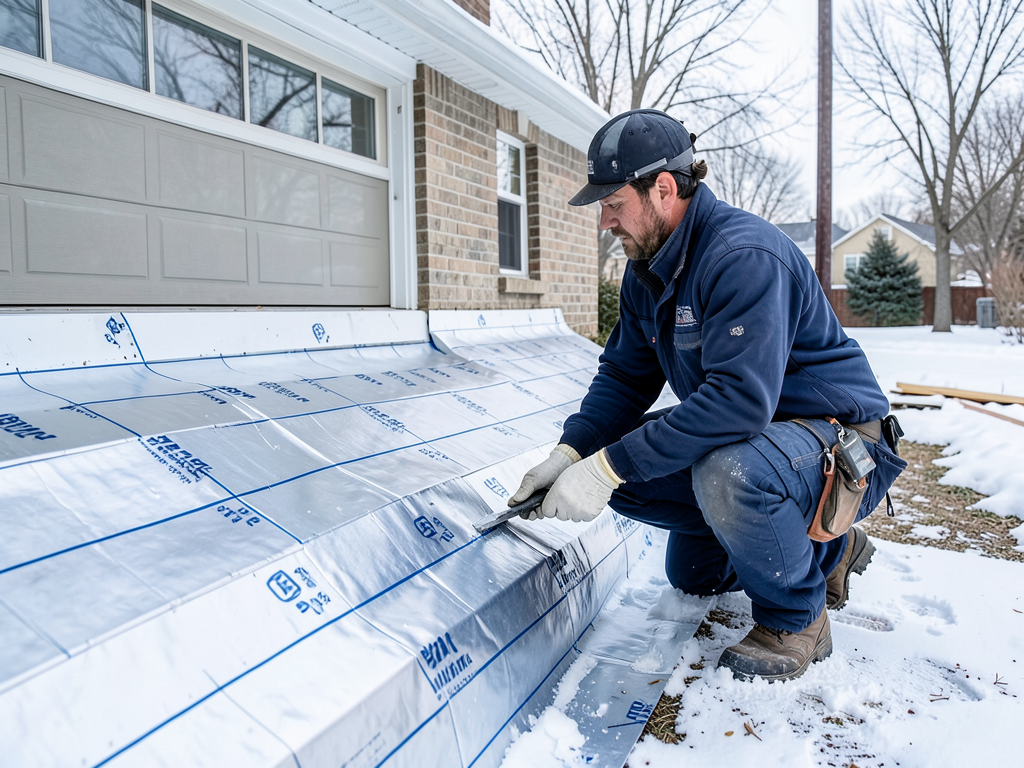
Install ice and water shield underlayment on all roof edges, valleys, and penetrations. This rubberized asphalt membrane provides a waterproof barrier that seals around nails and prevents water infiltration. Extend it at least 36 inches up from the eave, exceeding code requirements.
Consider heat cables for problem areas like north-facing valleys or sections with persistent ice buildup. Modern self-regulating heat cables adjust their output based on temperature, using less energy than older constant-wattage models.
- Improve Attic Insulation
Upgrade to R-38 to R-60 insulation in your attic floor. This reduces heat loss by up to 70% and keeps your roof surface closer to outside temperature.
- Balance Ventilation
Install equal amounts of intake (soffit) and exhaust (ridge) vents. This creates airflow that prevents hot spots and keeps the entire roof surface cold.
- Seal Air Leaks
Find and seal all attic bypasses using spray foam or caulk. Common leak areas include plumbing stacks, electrical penetrations, and recessed lights. Spray Foam Roofing.
Dallas-Specific Building Code Requirements
Dallas Building Code Chapter 52 sets specific requirements for roofing systems that directly impact ice dam prevention. Understanding these codes helps you make informed decisions about your roof. The Benefits of TPO Roofing Systems for Richardson Industrial Properties.
The code requires minimum R-30 insulation in attics for our climate zone. However, the 2021 International Energy Conservation Code (IECC) recommends R-49 to R-60 for optimal performance. Many Dallas homes fall short of even the minimum requirement.
For ice and water shield, the code requires a minimum 24-inch overlap past the interior wall line. This protects against wind-driven rain and ice dam backup. In areas with severe weather potential, extending this to 36 inches provides better protection.
Dallas also follows the International Residential Code (IRC) requirements for roof ventilation. The code mandates one square foot of net free ventilation area for every 300 square feet of attic floor space, with balanced intake and exhaust.
Commercial buildings in Dallas must comply with additional requirements under the International Building Code (IBC). These include enhanced wind uplift ratings and specific fire-resistance classifications for roofing materials. Roofing Balch Springs.
Diagnostic Test: Use an infrared thermometer to check your attic temperature during cold weather. If it’s more than 10 degrees warmer than the outside air, you have excessive heat loss that could lead to ice dams.
Emergency Response During an Active Freeze
When ice dams form during a Dallas freeze, quick action can prevent extensive damage. These emergency steps help you manage the situation safely.
First, identify the extent of the problem. Look for water stains on ceilings, especially along exterior walls. Check for icicles forming at roof edges and valleys. Listen for dripping sounds in your attic.
If you discover active leaks, move furniture and valuables away from affected areas. Place buckets under drips to catch water. Use plastic sheeting to protect flooring and belongings.
Never attempt to chip away ice with sharp tools. This can damage shingles and create more leak points. Instead, use a roof rake to carefully remove snow from the edges. Work from the ground using an extended handle to maintain safety.
For severe ice dams, consider professional steaming. This method uses low-pressure steam to melt ice without damaging roofing materials. Professional roofers have the equipment and experience to perform this safely. Roofing Mesquite.
Document all damage with photos and videos. This documentation is crucial for insurance claims. Note the date, time, and extent of visible damage.
| Emergency Action | DIY Safe? | When to Call Professional |
|---|---|---|
| Snow removal with roof rake | Yes | Ice buildup over 6 inches |
| Ice melt application | Yes | Multiple leak points |
| Attic inspection | Caution | Active leaks or structural concerns |
| Heat cable installation | No | Any installation required |
| Ice dam steaming | No | Always requires professional |
Cost-Benefit Analysis of Prevention vs. Repair
Understanding the financial implications helps you make smart decisions about ice dam prevention. The costs of prevention are often far less than the damage from a major freeze event.
Professional attic insulation upgrade for a 2,000-square-foot home typically costs $2,000 to $4,000. This investment can reduce your heating bills by 20-30% annually and prevent thousands in water damage repairs.
Ice and water shield installation during a roof replacement adds $500 to $1,500 to the project cost. Considering that water damage repairs often exceed $5,000, this is a worthwhile investment.
Professional roof ventilation improvements cost $1,000 to $3,000 but can extend your roof’s lifespan by 10-15 years. This prevents premature replacement costs of $8,000 to $15,000 for a typical Dallas home.
The 2021 Texas Freeze caused millions in roof damage across Dallas-Fort Worth. Many homeowners faced repair bills of $10,000 or more due to inadequate preparation. Prevention costs a fraction of emergency repairs.
Learn more about roof replacement costs in Dallas to understand your investment options.
Smart Technology for Ice Dam Prevention
Modern technology offers new ways to prevent and monitor ice dam formation. These smart solutions provide early warning and automated prevention.
Smart thermostats with remote sensors can monitor attic temperature and alert you to heat loss problems. Some models integrate with weather forecasts to provide freeze warnings and prevention recommendations.
Wi-Fi enabled heat cables allow you to control roof heating systems from your smartphone. These systems can automatically activate when temperatures drop below freezing, preventing ice formation before it starts.
Thermal imaging cameras, available as smartphone attachments, let you identify heat loss patterns in your attic. This DIY approach helps you target insulation improvements where they’ll have the most impact.
Moisture sensors placed in attic spaces can detect water intrusion early. These battery-powered devices send alerts to your phone when they detect moisture, allowing you to address problems before extensive damage occurs.
Smart home integration platforms can coordinate multiple prevention systems. For example, your system might close attic vents, activate heat cables, and send you alerts when freeze conditions are detected.
Insurance Considerations for Dallas Homeowners
Standard homeowner’s insurance policies in Texas cover sudden, accidental water damage but may exclude damage from long-term maintenance issues. Understanding your coverage helps you prepare appropriately.
Most policies cover damage from ice dams if the event is sudden and unexpected. However, they typically don’t cover damage from poor maintenance or lack of proper insulation. This means prevention is both practical and financially smart.
Document all prevention efforts. Keep receipts for insulation upgrades, ventilation improvements, and professional inspections. This documentation proves you’ve maintained your home properly if you need to file a claim.
Consider adding equipment breakdown coverage to your policy. This can cover damage to HVAC systems, heat cables, and other equipment that prevents ice dam formation.
Review your policy’s deductible structure. Some Dallas homeowners find that increasing their deductible saves enough on premiums to fund prevention improvements that reduce their risk of claims.
Ask your insurance agent about discounts for prevention measures. Many companies offer premium reductions for homes with upgraded insulation, proper ventilation, and other risk-reduction features.
Choosing the Right Roofing Contractor
Not all roofing contractors understand the unique challenges Dallas homes face during freeze events. Choosing the right professional makes a significant difference in prevention effectiveness.
Look for contractors with specific experience in ice dam prevention and cold-weather roofing. Ask about their experience with Dallas-area homes and their understanding of local building codes.
Verify licensing and insurance. Texas requires roofing contractors to be licensed with the Texas Department of Licensing and Regulation. Ask for proof of general liability and workers’ compensation insurance. Department of Energy insulation guidelines.
Request references from local homeowners who’ve had similar work done. Contact these references to ask about their experience with ice dam prevention and the contractor’s follow-up service.
Get detailed written estimates that specify materials, R-values, ventilation requirements, and warranty terms. Compare these carefully to ensure you’re getting comprehensive solutions.
Choose contractors who offer energy audits or thermal imaging as part of their assessment. These diagnostic tools help identify specific problem areas in your home.
Learn how to choose the right roofing company for your Dallas home.
Frequently Asked Questions
How common are ice dams in Dallas?
Ice dams are rare but becoming more common as extreme weather events increase. The 2021 Texas Freeze showed that Dallas homes are vulnerable when temperatures stay below freezing for several days.
Can I prevent ice dams without replacing my roof?
Yes. Improving attic insulation, sealing air leaks, and improving ventilation can prevent ice dams without roof replacement. However, if your roof is old, combining these improvements with a new roof provides the best protection.
How much does ice dam prevention cost?
Prevention costs range from $2,000 to $8,000 depending on your home’s size and existing conditions. This is typically 10-20% of the cost of water damage repairs from a major ice dam event.
Should I remove snow from my roof?
For most Dallas homes, snow removal isn’t necessary. However, if you have more than 6 inches of snow and temperatures remain below freezing, using a roof rake to clear the edges can prevent ice dam formation.
How do I know if I have an ice dam problem?
Signs include icicles forming at roof edges, water stains on ceilings or walls, and ice buildup in gutters. If you notice these during freezing weather, you likely have an ice dam issue.
Can heat cables damage my roof?
When properly installed, heat cables won’t damage your roof. However, DIY installation or using the wrong type of cable can cause problems. Professional installation ensures safe, effective operation.
How long do ice dams take to form?
Ice dams can form in as little as 24-48 hours during sustained freezing temperatures, especially if snow is present on the roof and heat is escaping from your attic.
Will my homeowner’s insurance cover ice dam damage?
Most policies cover sudden, accidental water damage from ice dams. However, they may deny claims if the damage results from poor maintenance or lack of proper insulation.
What’s the best insulation for preventing ice dams?
Blown-in cellulose or fiberglass insulation with R-38 to R-60 provides the best protection. These materials fill gaps and voids that can occur with batt insulation.
How often should I have my roof inspected for ice dam risks?
Have a professional inspection every 2-3 years, or annually if your home is over 15 years old or has had previous ice dam issues.
Take Action Before the Next Freeze
Ice dams and frozen gutters can cause thousands of dollars in damage to your Dallas home during rare but severe freeze events. The combination of poor attic insulation, inadequate ventilation, and our region’s temperature swings creates perfect conditions for winter roof damage.
Don’t wait until you see water stains on your ceiling or icicles hanging from your gutters. The time to act is now, before the next big freeze hits North Texas. Simple improvements like adding insulation, sealing attic leaks, and improving ventilation can prevent expensive emergency repairs.
Our team at Grand Roofing Dallas understands the unique challenges Dallas homes face during winter weather events. We’ve helped hundreds of homeowners across Richardson, Carrollton, Irving, and surrounding areas prepare their homes for extreme weather.
Call (214) 204-2077 today to schedule your free ice dam prevention assessment. We’ll inspect your attic, identify heat loss problems, and recommend cost-effective solutions to protect your home. Don’t let the next freeze catch you unprepared.
Pick up the phone and call (214) 204-2077 before the next storm hits. Your home deserves protection from the rare but devastating ice dams that can form during Dallas’s big freezes.
Learn why pre-storm inspections are crucial for Dallas homeowners.
{
“@context”: “https://schema.org”,
“@type”: “BlogPosting”,
“headline”: “Dealing with Ice Dams and Frozen Gutters During a Rare Dallas Big Freeze”,
“description”: “Protect your Dallas home from ice dams and frozen gutters during rare big freezes. Learn prevention, emergency steps, and when to call (214) 204-2077 for expert help.”,
“wordCount”: 2847,
“datePublished”: “2026-06-12T14:57:00.000Z”,
“dateModified”: “2026-06-12T14:57:00.000Z”,
“inLanguage”: “en-US”,
“mainEntityOfPage”: {
“@type”: “WebPage”,
“@id”: “https://grandroofingdallas.com”
},
“publisher”: {
“@type”: “LocalBusiness”,
“name”: “Grand Roofing Dallas”,
“url”: “https://grandroofingdallas.com”
},
“author”: {
“@type”: “Organization”,
“name”: “Grand Roofing Dallas”,
“url”: “https://grandroofingdallas.com”
},
“image”: {
“@type”: “ImageObject”,
“url”: “https://grandroofingdallas.com/wp-content/uploads/2026/03/dealing-with-ice-dams-and-frozen-gutters-during-a-1.png”
}
}
{
“@context”: “https://schema.org”,
“@type”: “RoofingContractor”,
“name”: “Grand Roofing Dallas”,
“url”: “https://grandroofingdallas.com”,
“address”: {
“@type”: “PostalAddress”,
“addressLocality”: “Dallas”
},
“areaServed”: {
“@type”: “City”,
“name”: “Dallas”
}
}
{
“@context”: “https://schema.org”,
“@type”: “FAQPage”,
“mainEntity”: [
{
“@type”: “Question”,
“name”: “How common are ice dams in Dallas?”,
“acceptedAnswer”: {
“@type”: “Answer”,
“text”: “Ice dams are rare but becoming more common as extreme weather events increase. The 2021 Texas Freeze showed that Dallas homes are vulnerable when temperatures stay below freezing for several days.”
}
},
{
“@type”: “Question”,
“name”: “Can I prevent ice dams without replacing my roof?”,
“acceptedAnswer”: {
“@type”: “Answer”,
“text”: “Yes. Improving attic insulation, sealing air leaks, and improving ventilation can prevent ice dams without roof replacement. However, if your roof is old, combining these improvements with a new roof provides the best protection.”
}
},
{
“@type”: “Question”,
“name”: “How much does ice dam prevention cost?”,
“acceptedAnswer”: {
“@type”: “Answer”,
“text”: “Prevention costs range from $2,000 to $8,000 depending on your home’s size and existing conditions. This is typically 10-20% of the cost of water damage repairs from a major ice dam event.”
}
},
{
“@type”: “Question”,
“name”: “Should I remove snow from my roof?”,
“acceptedAnswer”: {
“@type”: “Answer”,
“text”: “For most Dallas homes, snow removal isn’t necessary. However, if you have more than 6 inches of snow and temperatures remain below freezing, using a roof rake to clear the edges can prevent ice dam formation.”
}
},
{
“@type”: “Question”,
“name”: “How do I know if I have an ice dam problem?”,
“acceptedAnswer”: {
“@type”: “Answer”,
“text”: “Signs include icicles forming at roof edges, water stains on ceilings or walls, and ice buildup in gutters. If you notice these during freezing weather, you likely have an ice dam issue.”
}
},
{
“@type”: “Question”,
“name”: “Can heat cables damage my roof?”,
“acceptedAnswer”: {
“@type”: “Answer”,
“text”: “When properly installed, heat cables won’t damage your roof. However, DIY installation or using the wrong type of cable can cause problems. Professional installation ensures safe, effective operation.”
}
},
{
“@type”: “Question”,
“name”: “How long do ice dams take to form?”,
“acceptedAnswer”: {
“@type”: “Answer”,
“text”: “Ice dams can form in as little as 24-48 hours during sustained freezing temperatures, especially if snow is present on the roof and heat is escaping from your attic.”
}
},
{
“@type”: “Question”,
“name”: “Will my homeowner’s insurance cover ice dam damage?”,
“acceptedAnswer”: {
“@type”: “Answer”,
“text”: “Most policies cover sudden, accidental water damage from ice dams. However, they may deny claims if the damage results from poor maintenance or lack of proper insulation.”
}
},
{
“@type”: “Question”,
“name”: “What’s the best insulation for preventing ice dams?”,
“acceptedAnswer”: {
“@type”: “Answer”,
“text”: “Blown-in cellulose or fiberglass insulation with R-38 to R-60 provides the best protection. These materials fill gaps and voids that can occur with batt insulation.”
}
},
{
“@type”: “Question”,
“name”: “How often should I have my roof inspected for ice dam risks?”,
“acceptedAnswer”: {
“@type”: “Answer”,
“text”: “Have a professional inspection every 2-3 years, or annually if your home is over 15 years old or has had previous ice dam issues.”
}
}
]
}
{
“@context”: “https://schema.org”,
“@type”: “HowTo”,
“name”: “How to Prevent Ice Dams”,
“step”: [
{
“@type”: “HowToStep”,
“position”: 1,
“name”: “Improve Attic Insulation”,
“text”: “Upgrade to R-38 to R-60 insulation in your attic floor. This reduces heat loss by up to 70% and keeps your roof surface closer to outside temperature.”
},
{
“@type”: “HowToStep”,
“position”: 2,
“name”: “Balance Ventilation”,
“text”: “Install equal amounts of intake (soffit) and exhaust (ridge) vents. This creates airflow that prevents hot spots and keeps the entire roof surface cold.”
},
{
“@type”: “HowToStep”,
“position”: 3,
“name”: “Seal Air Leaks”,
“text”: “Find and seal all attic bypasses using spray foam or caulk. Common leak areas include plumbing stacks, electrical penetrations, and recessed lights. Spray Foam Roofing.”
}
],
“image”: “https://grandroofingdallas.com/wp-content/uploads/2026/03/dealing-with-ice-dams-and-frozen-gutters-during-a-1.png”
}
{
“@context”: “https://schema.org”,
“@type”: “BreadcrumbList”,
“itemListElement”: [
{
“@type”: “ListItem”,
“position”: 1,
“name”: “Home”,
“item”: “https://grandroofingdallas.com”
},
{
“@type”: “ListItem”,
“position”: 2,
“name”: “Blog”,
“item”: “https://grandroofingdallas.com/blog”
},
{
“@type”: “ListItem”,
“position”: 3,
“name”: “Dealing with Ice Dams and Frozen Gutters During a Rare Dallas Big Freeze”
}
]
}
{
“@context”: “https://schema.org”,
“@type”: “Service”,
“serviceType”: “Roofing”,
“provider”: {
“@type”: “LocalBusiness”,
“name”: “Grand Roofing Dallas”,
“url”: “https://grandroofingdallas.com”
},
“areaServed”: {
“@type”: “City”,
“name”: “Dallas”
},
“description”: “Protect your Dallas home from ice dams and frozen gutters during rare big freezes. Learn prevention, emergency steps, and when to call (214) 204-2077 for expert help.”
}