




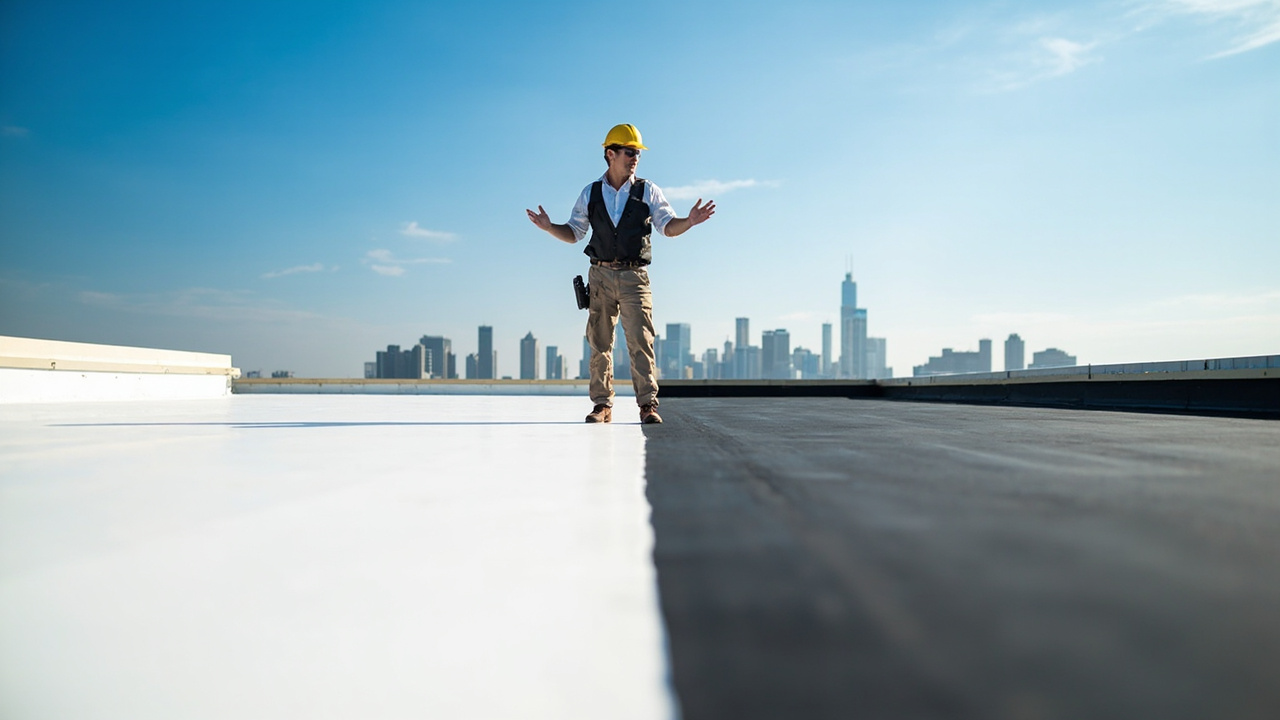
Dallas sits at the intersection of humid subtropical and semi-arid climates, creating unique challenges for single-ply membrane systems. Summer heat that regularly exceeds 100 degrees accelerates membrane aging and increases thermal stress at seams. Sudden temperature drops during winter cold fronts cause rapid contraction that can pull fasteners loose or stress seam bonds. The 38 inches of annual rainfall arrives in intense thunderstorms that test drainage systems and create ponding on low-slope roofs. This combination of heat, UV exposure, and moisture cycling means membrane selection directly affects how long your roof lasts.
Commercial buildings in Dallas must meet wind uplift requirements based on the city's location in a moderate wind zone where severe thunderstorms generate damaging straight-line winds. The energy code requires higher insulation values than moderate climates, which affects total roof assembly weight and attachment methods. Fire ratings vary by occupancy type and proximity to property lines, influencing membrane choice and installation details. Local building officials expect documentation showing code compliance for insulation, drainage, and wind resistance. Working with contractors who understand these requirements prevents costly re-work and installation delays.