


menu

Blistering Shingles in Dallas – Expert Diagnosis and Permanent Repair Solutions

Grand Roofing Dallas identifies the root cause of asphalt shingle blisters and bubbling roof shingles, then replaces only what's damaged to prevent recurring failure and extend your roof's lifespan across North Texas.

Slider Image 1
Slider Image 2
Slider Image 3
Slider Image 4
Slider Image 5
Slider Image 7
Slider Image 8
Slider Image 9
Slider Image 10
Slider Image 11

Why Shingle Blisters Appear on Dallas Roofs

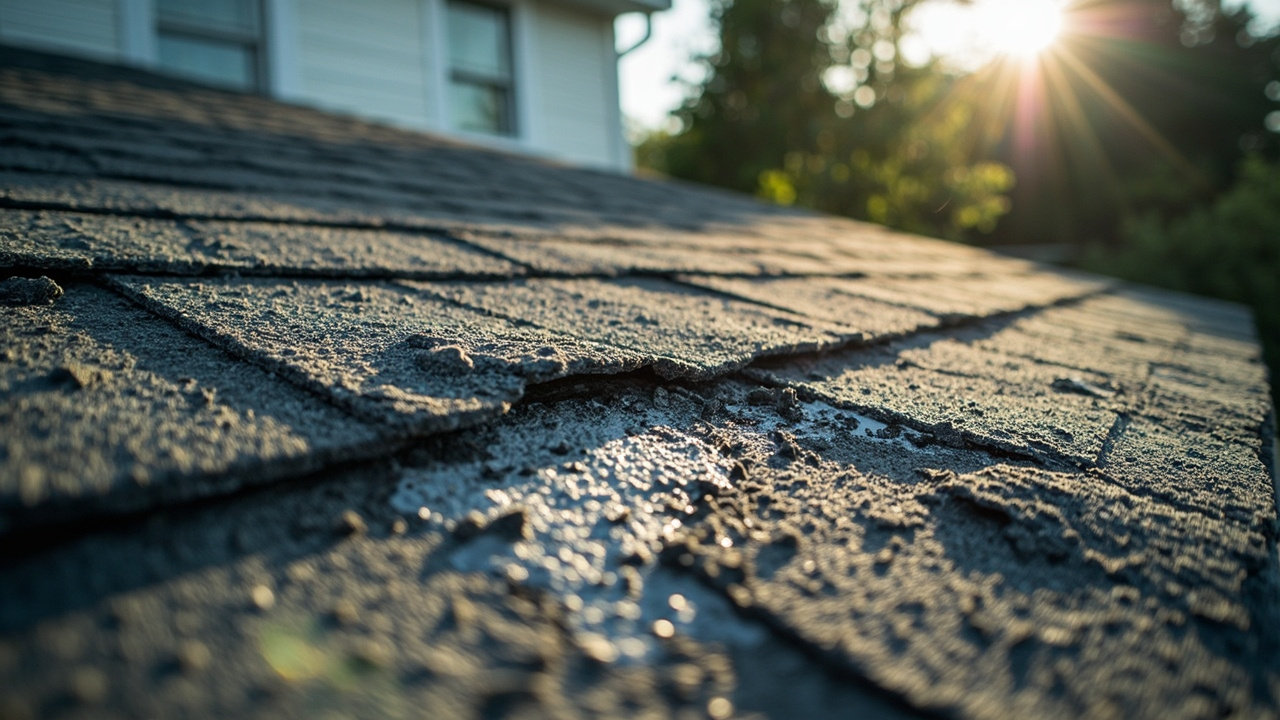
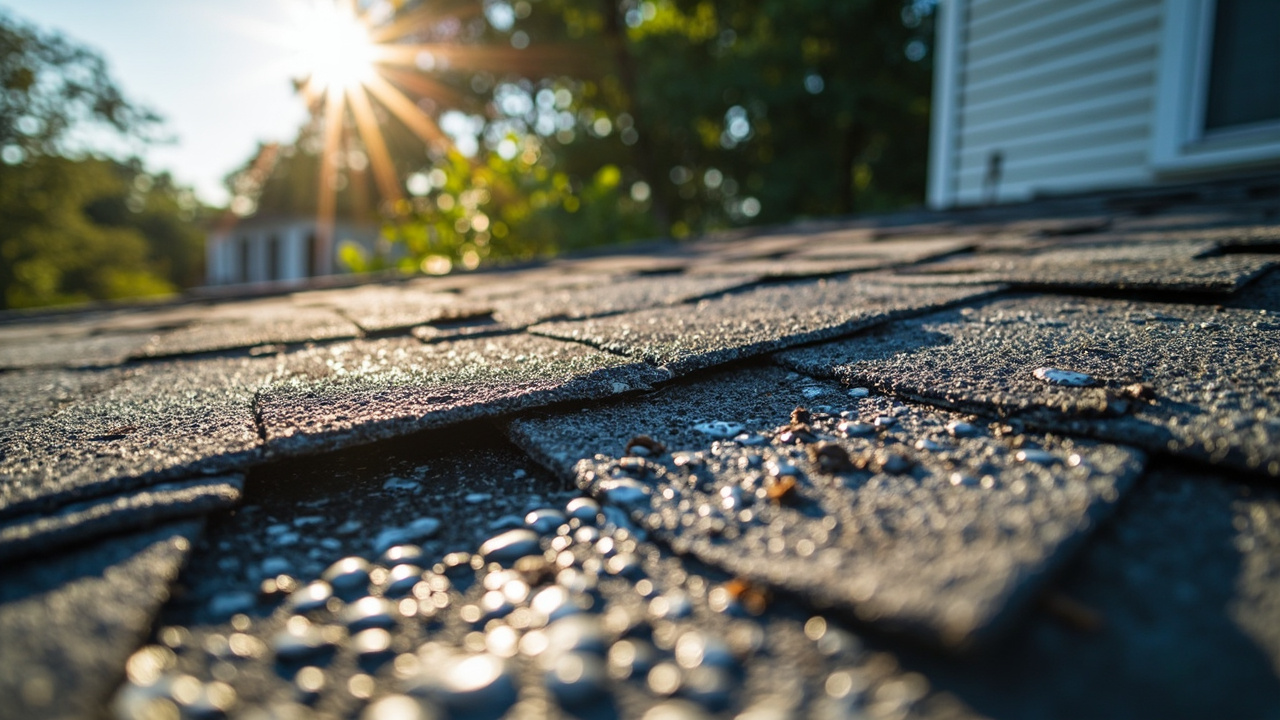
You walk outside and notice bubbles pushing up through your shingles like blisters on skin. The problem is not cosmetic. Those raised pockets are trapped moisture or gas pockets between the shingle layers, and they signal a breakdown in the asphalt matrix.

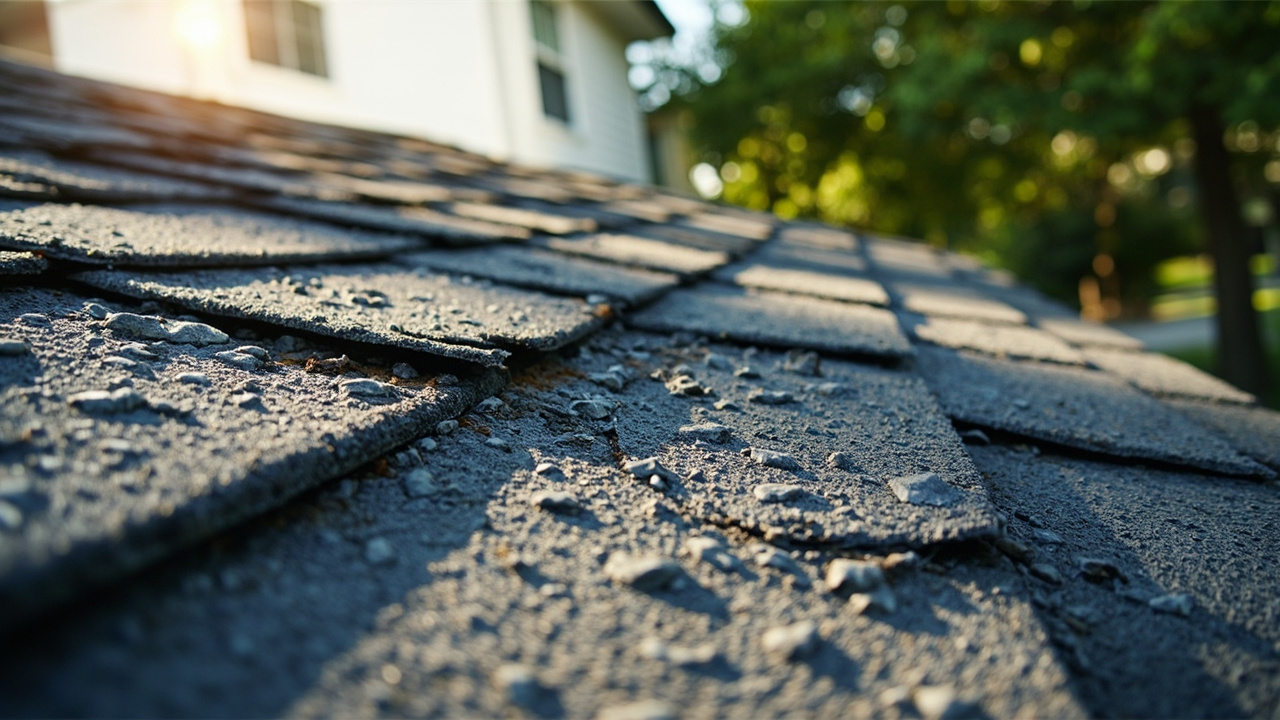
Dallas's brutal summer heat accelerates this failure. When temperatures on your roof surface reach 160 degrees or higher, any moisture trapped during manufacturing or installation expands violently. The asphalt granules separate, creating heat blisters on shingles that eventually crack and expose the underlayment. Once the blister ruptures, water enters the decking during the next rainstorm.

The second cause is improper ventilation. Homes in older Dallas neighborhoods like Lakewood and M Streets were often built with inadequate attic airflow. Without proper ridge vents or soffit intake, hot air stagnates under the decking. That heat radiates upward, cooking the shingle adhesive and causing bubbling roof shingles even on newer installations.

Poor installation also creates roof blisters. If shingles are nailed during high heat without allowing them to seal properly, or if moisture is trapped under the felt paper, you get immediate blistering. The problem compounds quickly. One blister weakens the surrounding shingles, creating a cascading failure pattern that spreads across entire roof planes.

You cannot ignore shingle bubbles. They are not a cosmetic defect. Each blister is a future leak, and Dallas's freeze-thaw cycles in winter will split those weakened areas wide open.

Why Shingle Blisters Appear on Dallas Roofs
How We Diagnose and Repair Blistered Shingles

How We Diagnose and Repair Blistered Shingles

We do not patch blisters. Patching is a temporary fix that fails within months. We identify why the blistering occurred, then address the root cause.

Our process starts with thermal imaging of your attic space. We measure ventilation ratios, check for moisture intrusion, and inspect the decking for soft spots. If the blisters are concentrated along valleys or ridges, we know it's a flashing or drainage issue. If they're scattered across entire slopes, we look at ventilation and installation quality.

Next, we perform destructive sampling. We carefully remove several blistered shingles and inspect the underlayment, decking, and nail patterns. This tells us if the problem originated during manufacturing, installation, or from environmental stress. We photograph everything and show you exactly what failed.

For localized blistering caused by isolated moisture intrusion, we replace the affected shingles and the damaged underlayment, then address the water entry point. If the blistering is widespread due to ventilation failure, we install proper ridge vents, baffle channels, and soffit vents to create continuous airflow. Without fixing the ventilation, new shingles will blister again within two years.

If the entire roof is compromised by poor installation or defective materials, we recommend full replacement. We do not sell unnecessary work, but we will not put our name on a repair that fails. Grand Roofing Dallas uses GAF or Owens Corning architectural shingles with proper deck preparation and hand-sealed starter courses to prevent future blistering.

What Happens During Your Blister Repair

Blistering Shingles in Dallas – Expert Diagnosis and Permanent Repair Solutions
01

Roof Inspection and Diagnostics

We schedule a same-day or next-day inspection and arrive with thermal cameras and moisture meters. Our crew examines the attic ventilation, checks for plywood delamination, and maps the extent of the blistering. You receive a detailed photo report showing the exact failure points and whether the problem is isolated or systemic across your roof deck.
02

Targeted Shingle Replacement

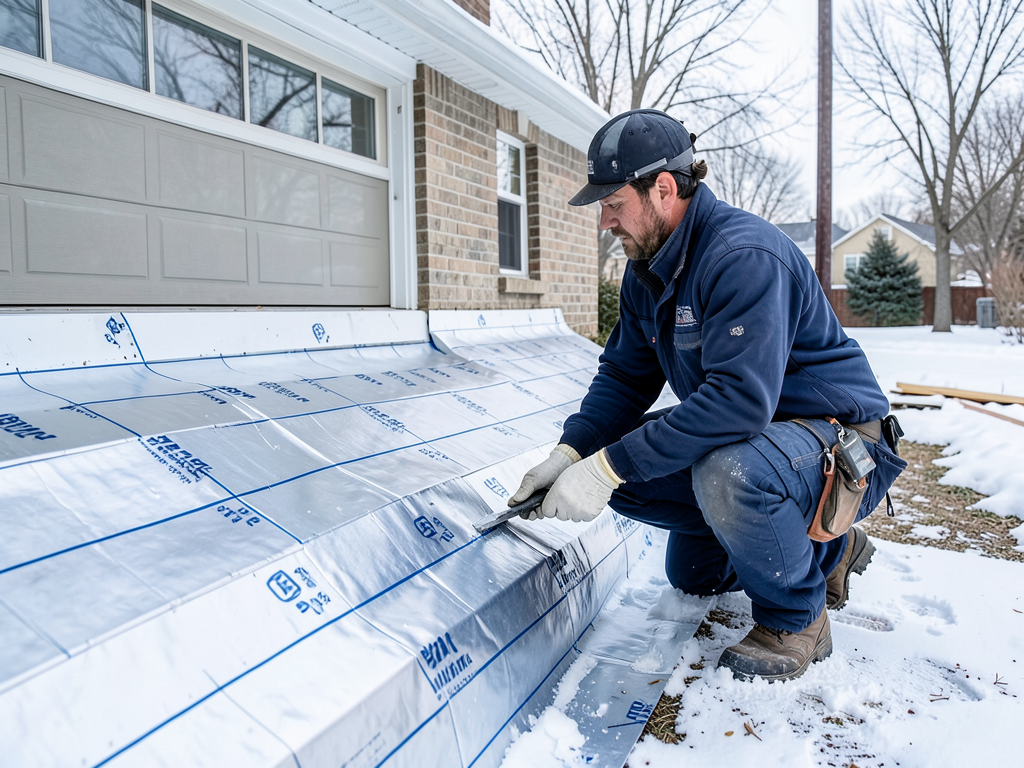
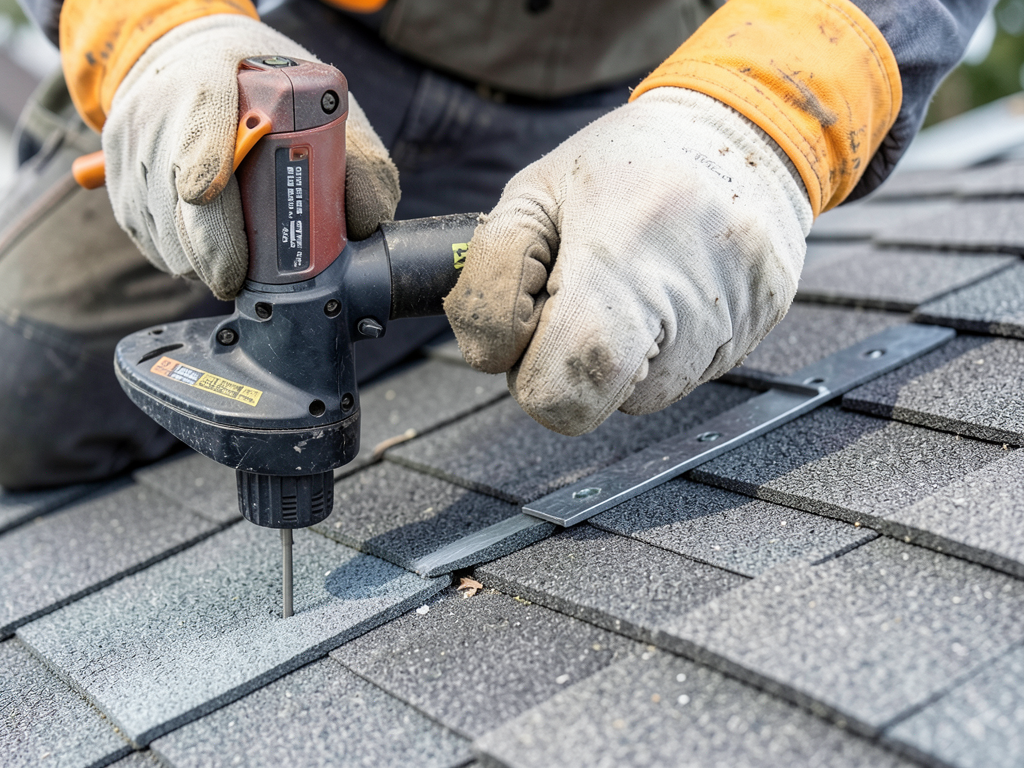
We remove only the compromised shingles and inspect the felt paper and decking underneath. If the decking is sound, we install new Ice and Water Shield in problem areas, then hand-nail replacement shingles with proper overlap and sealant. If ventilation caused the blisters, we install ridge vents and baffles during the same visit to prevent recurrence across the entire roof system.
03

Quality Check and Documentation

After installation, we perform a final walkthrough and check every shingle for proper adhesion and seal. You receive before-and-after photos, a written summary of the repairs, and specific ventilation measurements if we upgraded airflow. We also provide maintenance recommendations for Dallas's climate, including gutter cleaning schedules and annual inspections to catch future problems early.

Why Dallas Homeowners Trust Grand Roofing for Blister Repairs

Most roofers slap a patch over blisters and move on. That approach fails because it does not address why the blisters formed. We have repaired hundreds of blistered roofs across Dallas, Richardson, Plano, and Garland, and we understand the specific failure patterns caused by North Texas heat and ventilation issues.

Dallas building code requires specific ventilation ratios for attic spaces, but older homes were grandfathered in under outdated standards. We bring those homes up to current code during blister repairs, which stops the problem permanently. That level of detail separates us from crews who only replace visible damage.

We also understand the architectural styles common to Dallas neighborhoods. Homes in Highland Park and University Park often have complex hip roofs with limited ridge space for ventilation. We use a combination of ridge vents, gable vents, and powered attic fans to create airflow without compromising the roofline aesthetics. In East Dallas bungalows with shallow attic spaces, we install low-profile vents that maintain the home's historic character while solving the heat problem.

You also get transparency. We show you the damaged materials, explain the failure mechanism, and give you options. If your roof has five years of life left and the blistering is minor, we tell you that. If the entire roof is compromised and needs replacement, we explain why repair is not a safe option. Grand Roofing Dallas does not upsell. We give you the information to make the right decision for your home and budget.

What You Can Expect from Our Blister Repair Service

Response Time and Scheduling

We offer same-day or next-day inspections for blistered shingles because the problem only gets worse. Once we complete the inspection, we provide a written estimate within 24 hours. Most repairs are completed within three to five business days, depending on material availability and weather conditions. Emergency tarping is available if blisters have already ruptured and are actively leaking. You will have a dedicated project manager who answers calls and provides daily updates during multi-day projects.

Inspection and Assessment Process

Your inspection includes a roof surface evaluation, attic ventilation analysis, and moisture mapping using thermal imaging. We check for secondary damage to the decking, rafters, and insulation. You receive a photo-documented report that shows the exact location and severity of each blister, along with ventilation measurements and airflow calculations. We explain the findings in plain language, not roofing jargon, and answer every question before we leave. The inspection is free if you proceed with the recommended repairs.

Quality of Workmanship and Materials

We use manufacturer-matched shingles whenever possible to maintain color consistency across your roof. All replacement shingles are hand-nailed with six nails per shingle, not the minimum four required by code. Underlayment is upgraded to synthetic felt or Ice and Water Shield in areas prone to moisture intrusion. Ventilation components are commercial-grade aluminum or galvanized steel, not plastic vents that warp in Dallas heat. Every repair is designed to outlast the remaining lifespan of your roof without creating weak points or color mismatches.

Workmanship Guarantee and Follow-Up

Grand Roofing Dallas provides a workmanship guarantee on all blister repairs, covering both the replacement shingles and any ventilation upgrades we install. We return for a six-month follow-up inspection to verify that the blisters have not recurred and that ventilation is functioning correctly. If new blisters appear in the repaired areas due to our work, we fix them at no charge. We also provide a maintenance checklist specific to Dallas's climate, including recommended inspection intervals and warning signs to watch for during summer heat waves.

Frequently Asked Questions

You Have Questions,
We Have Answers

What does shingle blistering look like? +

Shingle blistering appears as raised bubbles or bumps on the surface of asphalt shingles. These blisters look like small domes, usually the size of a quarter or smaller. The granules may be missing from the blister's surface, exposing the black asphalt underneath. In Dallas, intense UV exposure and attic heat often accelerate this. You might notice one blister or clusters across multiple shingles. When blisters break open, they leave raw spots that make your roof vulnerable to water damage. Check your roof from ground level with binoculars, or hire a professional inspector to assess the extent.

What does it mean when shingles blister? +

When asphalt shingles blister, trapped moisture or air beneath the surface expands and creates bubbles. This happens when moisture gets sealed inside during manufacturing or installation. Dallas heat intensifies the problem. Your attic reaches extreme temperatures during summer, causing that trapped moisture to vaporize and push outward. Poor ventilation makes it worse. Blistering weakens the shingle's protective layer. Once the blister pops, you lose granules and expose the asphalt mat to UV rays and rain. This accelerates aging and creates leak points. Blistering signals that your shingles are failing and may need replacement sooner than expected.

Is shingles contagious when blistering? +

No, roofing shingle blisters are not contagious. This question often confuses roofing issues with the medical condition called shingles, which is caused by the varicella-zoster virus and can spread through direct contact with fluid from the rash blisters. Roofing shingle blistering is a physical deterioration issue caused by heat, moisture, and manufacturing defects. It affects asphalt roofing materials on your home. The blisters cannot spread from one house to another or from person to person. If you notice blistering on your roof in Dallas, it requires a roofing inspection, not medical attention.

How do you know if shingles are blistering or hail damage? +

Hail damage creates circular dents with sharp, defined edges and exposed asphalt. You will see random patterns across the roof where hailstones struck. Shingle blistering creates raised bumps before they break, and the damage pattern is more uniform across sun-exposed areas. Dallas experiences both severe hailstorms and intense heat. Check your gutters, vents, and metal flashing for dents. Hail damages everything equally. Blistering targets shingles with manufacturing defects or poor ventilation. An experienced inspector can spot the difference immediately. Your insurance claim depends on accurate identification, so get a professional assessment before filing.

What stage of shingles are blisters? +

Blistering represents a mid-to-late stage of asphalt shingle deterioration. New shingles do not blister immediately. The process takes years. First, moisture or volatile compounds get trapped during manufacturing or installation. Second, heat cycles cause expansion. Third, blisters form as pressure builds beneath the surface. Fourth, the blisters rupture and expose the asphalt mat. Fifth, granule loss accelerates and leaks develop. In Dallas, extreme attic temperatures can compress this timeline. Once blistering starts, your shingles have entered accelerated aging. The damage is irreversible. You need to plan for replacement within a few years, depending on severity.

What to put on shingles blisters? +

You cannot put anything on roof shingle blisters to repair them. Unlike medical blisters, roof blisters indicate structural failure of the shingle material. No coating, sealant, or patch will reverse the damage. Once asphalt shingles blister, the protective granule layer is compromised. In Dallas, applying roof coatings over blistered shingles wastes money and hides ongoing deterioration. The trapped moisture or air remains. Your only real option is shingle replacement. A qualified roofer can replace individual damaged shingles if the blistering is isolated. Widespread blistering requires a full roof replacement to prevent leaks and further damage.

How long will shingles blisters last? +

Roof shingle blisters do not heal or disappear. Once formed, they remain until the shingle is replaced. The blister might rupture within months or persist for years, depending on weather exposure. Dallas heat and UV radiation accelerate rupture. After a blister breaks, the exposed asphalt deteriorates rapidly. You will lose more granules with every rainstorm. The damaged area expands. Expect the surrounding shingles to fail within a few years. If you see blistering, schedule a professional inspection soon. Waiting allows water infiltration, which leads to decking rot and interior damage. Address blistered shingles before they create bigger problems.

What can be mistaken for shingles blisters? +

Hail damage often gets mistaken for shingle blistering because both create raised or damaged spots. Algae growth can create dark streaks that look like ruptured blisters from a distance. Granule loss from normal aging sometimes resembles broken blisters. Manufacturing defects like fishmouthing, where shingle edges lift, can confuse homeowners. In Dallas, thermal shock from sudden temperature swings can cause shingle buckling that looks similar. Storm debris impact also creates blister-like marks. A trained inspector knows the difference. They check for impact patterns, assess ventilation, and examine the underlayment. Get a professional diagnosis before assuming the cause.

Should I wash my shingles blisters? +

You should not wash roof shingle blisters. Washing with water or chemicals will not repair the damage and may worsen it. High-pressure washing can strip away remaining granules and damage intact shingles nearby. The blisters form beneath the surface due to trapped moisture or manufacturing defects, not surface dirt. In Dallas, roof cleaning services sometimes promise to fix blistering with coatings or washes. This is ineffective. Focus on proper diagnosis and replacement instead. If algae or debris covers your roof, gentle low-pressure cleaning is acceptable, but avoid targeting blistered areas directly. Consult a roofing professional for appropriate next steps.

Do I need to cover shingles blisters? +

Covering roof shingle blisters with tarps or patches is a temporary emergency measure only. If a blister has ruptured and you notice active leaking during a Dallas rainstorm, a tarp can prevent immediate water damage until repairs happen. For non-leaking blisters, covering them serves no purpose. The damage is internal. Tarps degrade quickly under Texas sun and wind. They can trap moisture and worsen rot. Permanent repair requires shingle replacement. Do not rely on temporary covers for more than a few days. Schedule a professional inspection and get damaged shingles replaced properly to restore your roof's weather protection.

How Dallas's Extreme Heat and Poor Ventilation Create Chronic Shingle Blistering

Dallas experiences 90-plus days of temperatures above 95 degrees each summer, and roof surface temperatures routinely exceed 160 degrees. That sustained heat causes asphalt shingles to soften and expand. If any moisture is trapped between the shingle layers during manufacturing or installation, it vaporizes and creates bubbling roof shingles. The problem is worse on south-facing and west-facing slopes, which absorb direct sunlight for eight to ten hours daily. Homes built before 1990 often lack adequate attic ventilation, creating a heat trap that accelerates blister formation even on high-quality shingles.

Choosing a Dallas-based roofing contractor matters because out-of-town crews do not understand local ventilation requirements or the specific failure patterns caused by North Texas heat. We have worked on roofs in every Dallas neighborhood, from the historic Craftsman homes in Munger Place to the modern builds in Uptown and Preston Hollow. We know which roof styles are prone to ventilation issues and how to retrofit older homes without disrupting their architectural integrity. Grand Roofing Dallas holds local supplier relationships, which means we can match shingle colors and source materials faster than national chains.
Roofing Services in The Dallas Area

Grand Roofing Dallas proudly serves the entire metropolitan area and surrounding communities. We're committed to providing prompt, professional service wherever you are. Use the map to see our location and service radius, or simply give us a call to schedule an in-person consultation at your property. We look forward to bringing our expert roofing solutions directly to you.

Address:
Grand Roofing Dallas, 4422 Live Oak St, Dallas, TX, 75204

Additional Services We Offer

Our news updates

Latest Articles & News from The Blogs

Choosing Energy Star Rated Shingles to Lower Your Cooling Bills in Grand Prairie Energy Star rated shingles can reduce your…

Choosing Energy Star Rated Shingles to Lower Your Cooling Bills in Grand Prairie

Choosing Energy Star Rated Shingles to Lower Your Cooling Bills in Grand Prairie Energy Star rated shingles can reduce your…

How to Properly Vent a Vaulted Ceiling Roof in Your Lakewood Mid-Century Modern

How to Properly Vent a Vaulted Ceiling Roof in Your Lakewood Mid-Century Modern Vaulted ceilings in Lakewood’s Mid-Century Modern homes…

Adding Timeless Character with Copper Gutters and Accents to Your Preston Hollow Home

Adding Timeless Character with Copper Gutters and Accents to Your Preston Hollow Home Copper gutters bring unmatched elegance and durability…

Contact Us

Blistered shingles will not heal on their own. Call Grand Roofing Dallas at (214) 204-2077 to schedule a same-day inspection. We will identify the root cause, show you the damage, and provide a transparent repair plan that stops the problem permanently.