


menu

Attic Ventilation Systems in Dallas | Expert Installation to Combat Texas Heat and Humidity

Grand Roofing Dallas designs and installs custom attic venting systems engineered for North Texas climate extremes, reducing cooling costs and extending roof life across the Dallas metro area.

Slider Image 1
Slider Image 2
Slider Image 3
Slider Image 4
Slider Image 5
Slider Image 7
Slider Image 8
Slider Image 9
Slider Image 10
Slider Image 11

Why Dallas Attics Become Heat Traps Without Proper Ventilation

Dallas summers routinely exceed 100 degrees. Your attic can reach 160 degrees without proper roof ventilation. This heat radiates downward into living spaces, forcing air conditioning systems to work harder and driving up energy costs by up to 30 percent.

North Texas faces a unique challenge. We experience extreme temperature swings between seasons, combined with high humidity that creates condensation in poorly vented attics. This moisture buildup encourages mold growth on roof decking and destroys insulation effectiveness. Over time, trapped heat deteriorates asphalt shingles from the underside, cutting roof life short by years.

Many homes in older Dallas neighborhoods like Lakewood and East Dallas were built before modern building codes required adequate attic airflow systems. These homes rely on passive vents that cannot move enough air to offset Texas heat gain. Even newer construction sometimes uses insufficient attic exhaust systems or improperly balanced intake and exhaust venting.

The clay soil throughout the Dallas area shifts with moisture changes, stressing roof structures. When combined with inadequate roof venting systems, this creates the perfect environment for premature roof failure. You might notice higher cooling bills, ice dam formation during rare winter freezes, or visible ceiling stains from condensation.

Proper attic venting is not optional in Dallas. It protects your investment, controls energy costs, and prevents the moisture damage that leads to expensive repairs.

Why Dallas Attics Become Heat Traps Without Proper Ventilation
How Professional Attic Ventilation Systems Work in Dallas Homes

How Professional Attic Ventilation Systems Work in Dallas Homes

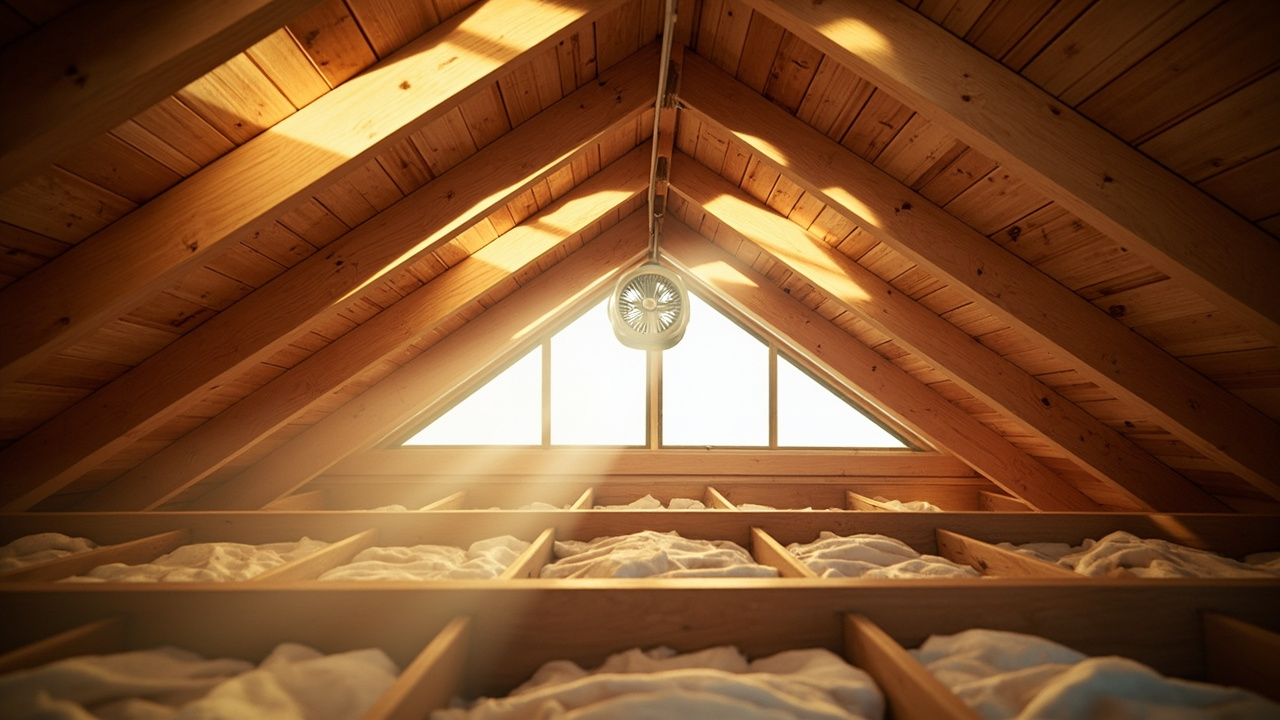
Effective roof airflow systems require balanced intake and exhaust. We install soffit vents along your roof's lower edge to pull cool air into the attic. This air flows upward through the attic space and exits through ridge vents, gable vents, or powered attic fans at the roof peak.

The key is calculating proper net free area. This measurement determines how much ventilation your specific roof needs based on attic square footage and roof pitch. Dallas building codes require minimum ventilation ratios, but we often exceed these minimums to account for our extreme heat conditions.

Grand Roofing Dallas evaluates your existing roof venting systems during inspection. We check for blocked soffit vents, inadequate ridge vent length, or missing baffles that prevent insulation from blocking airflow channels. Many homes need attic vent baffles installed between rafters to maintain proper air channels from eave to peak.

We use continuous ridge venting on most installations because it provides superior exhaust capacity compared to box vents or turbines. Ridge vents sit along the entire roof peak, creating consistent negative pressure that pulls air through the attic space. Combined with proper soffit intake, this creates natural convection that requires no electricity.

For complex roof designs common in Highland Park and University Park, we design custom attic exhaust systems using multiple vent types. Hip roofs need additional solutions beyond ridge vents. We might combine powered fans with passive vents to ensure complete air circulation across all attic sections, preventing hot spots that damage roof decking and shingles.

What Happens During Your Attic Ventilation Installation

Attic Ventilation Systems in Dallas | Expert Installation to Combat Texas Heat and Humidity
01

Attic Assessment and Airflow Calculation

We start by measuring your attic space and inspecting existing vents. Our team calculates required net free area based on your roof's square footage and pitch. We check for ventilation blockages, inadequate intake vents, and insulation problems that restrict airflow. You receive a detailed assessment showing current ventilation deficiencies and recommended solutions specific to your Dallas home's architecture and roof design.
02

Custom System Design and Installation

We design a balanced system matching your roof configuration. Installation includes cutting ridge vent openings, installing soffit vents, and adding baffles to maintain air channels. For powered systems, we run electrical connections and mount thermostat-controlled fans. All penetrations are properly sealed and flashed to prevent water intrusion. We match vent colors to your existing roof and ensure installations meet Dallas building codes.
03

Performance Verification and Documentation

After installation, we verify proper airflow using temperature measurements and visual inspection. You receive documentation showing ventilation calculations, product specifications, and installation photos. We explain how your new attic venting system works and what temperature reductions you can expect. Most Dallas homeowners notice cooler attic temperatures within days and reduced cooling costs on their next utility bill.

Why Dallas Homeowners Trust Grand Roofing Dallas for Attic Ventilation

We have installed roof ventilation systems throughout the Dallas metro area for years. Our team understands how North Texas weather patterns affect attic performance. We know which ventilation solutions work best for ranch-style homes in Richardson, two-story colonials in Plano, and historic bungalows in Oak Cliff.

Dallas building codes have specific requirements for attic ventilation that vary based on roof pitch and insulation type. We stay current with these regulations and design systems that exceed minimum standards. Our installations pass inspection the first time because we follow proper installation procedures and use code-approved materials.

Many roofing companies treat ventilation as an afterthought. They install the minimum required vents without calculating actual airflow needs or balancing intake and exhaust. This creates ventilation systems that look correct but do not move enough air to protect your roof and reduce cooling costs.

Grand Roofing Dallas approaches attic airflow systems as engineered solutions. We measure, calculate, and verify performance. When we install ridge venting, we ensure continuous airflow along the entire peak. When we add soffit vents, we verify they are not blocked by insulation or debris. When we recommend powered attic fans, we size them correctly and install thermostats that activate at optimal temperatures.

We also understand Dallas architecture. Homes in Lakewood often have complex roof lines with multiple valleys and hips. Properties in Preston Hollow feature steep pitches and decorative elements that complicate ventilation design. We have solved ventilation challenges on every roof style common to North Texas, and we bring this experience to your project.

What to Expect from Your Attic Ventilation Project

Project Timeline and Scheduling

Most attic ventilation installations complete in one to two days, depending on roof size and complexity. We schedule work during favorable weather windows to protect your home's interior. Ridge vent installations require cutting the roof deck along the peak, so we work efficiently to minimize exposure time. Soffit vent additions typically take less time since they involve fascia work rather than roof penetrations. We provide specific timelines after inspecting your property and finalizing the ventilation design.

Detailed Ventilation Assessment

Our inspection includes attic access to measure space dimensions and evaluate existing conditions. We check insulation levels, look for moisture damage, and identify ventilation blockages. Using infrared temperature readings during summer inspections, we map hot spots that indicate poor airflow. You receive a written assessment explaining current ventilation deficiencies, recommended solutions, and expected performance improvements. We calculate exact net free area requirements and show how our proposed system meets or exceeds Dallas building code standards.

Professional Installation Quality

We use manufacturer-approved installation methods for all ventilation products. Ridge vents receive proper underlayment and weatherproofing. Soffit vents are installed with correct spacing and sizing for optimal intake. Powered fans include professional electrical connections with dedicated circuits and thermostat controls. All roof penetrations are sealed using compatible flashing and sealants that withstand Dallas temperature extremes. Your new attic venting system integrates seamlessly with existing roofing materials and maintains your roof's weather protection.

Ongoing Performance and Maintenance

Properly installed attic ventilation requires minimal maintenance. We recommend annual inspections to verify soffit vents remain clear of debris and ridge vents show no damage. Powered attic fans should be checked periodically to ensure motors operate correctly and thermostats activate at proper temperatures. During roof replacements, ventilation systems are evaluated and upgraded if needed. We provide guidance on monitoring attic temperatures and recognizing signs of ventilation problems, helping you protect your investment long term.

Frequently Asked Questions

You Have Questions,
We Have Answers

What is the best method for attic ventilation? +

The best method for attic ventilation combines balanced intake and exhaust. Ridge vents paired with soffit vents create a natural convection current that pulls cool air in at the eaves and expels hot air at the peak. This passive system works well in Dallas, where summer attic temps can hit 150 degrees. You need roughly equal amounts of intake and exhaust. The key is ensuring your soffit vents are not blocked by insulation. This method requires no electricity, has no moving parts to fail, and works with our climate's natural airflow patterns to reduce cooling costs year-round.

Why don't people use attic fans anymore? +

Powered attic fans fell out of favor because they often create negative pressure that pulls conditioned air from your living space into the attic. This defeats the purpose and increases energy bills. In Dallas homes with central AC, these fans can draw cooled air through ceiling penetrations and recessed lights. They also require maintenance, burn electricity, and can fail during our intense summer heat when you need them most. Modern builders favor passive ventilation systems that use physics instead of motors. The balanced ridge and soffit approach costs nothing to operate and lasts decades without repairs.

What is the best ventilation system for an attic? +

The most effective attic ventilation system uses continuous ridge vents at the roof peak combined with continuous soffit vents at the eaves. This creates a balanced intake-to-exhaust ratio that moves air naturally through convection. For Dallas homes, you want 1 square foot of net free ventilation area per 150 square feet of attic space. Baffles between rafters keep insulation from blocking airflow. Gable vents can supplement but should not be your primary system. Avoid mixing powered and passive vents, as this disrupts the pressure balance and reduces efficiency in our hot climate.

What are the three kinds of attic ventilation? +

The three main types of attic ventilation are intake vents, exhaust vents, and powered vents. Intake vents include soffit vents and low gable vents that pull fresh air into the attic. Exhaust vents include ridge vents, box vents, and turbine vents that expel hot air at the roof peak. Powered vents use electric fans to force air movement. Dallas homes perform best with passive systems that combine continuous soffit intake with ridge vent exhaust. This balanced approach uses natural convection to handle our extreme summer heat without electricity or mechanical failure risk.

How Dallas Heat and Humidity Make Attic Ventilation Critical for Roof Longevity

Dallas experiences over 100 days annually with temperatures above 90 degrees, and summer humidity often exceeds 70 percent. This combination creates extreme attic conditions that accelerate roof deterioration. Without adequate roof airflow systems, attic temperatures reach levels that soften asphalt shingles, warp roof decking, and destroy insulation effectiveness. The moisture from humidity condenses on cool surfaces during temperature swings, encouraging mold growth and wood rot that compromise roof structure.

Grand Roofing Dallas designs attic exhaust systems specifically for North Texas climate challenges. We understand how Dallas's temperature extremes affect different roof materials and architectural styles common throughout neighborhoods like Lake Highlands, Far North Dallas, and South Dallas. Our ventilation installations comply with local building codes while addressing the unique performance demands of Texas heat. When you work with a local roofing company that understands Dallas conditions, you get ventilation solutions engineered for long-term performance in our climate.
Roofing Services in The Dallas Area

Grand Roofing Dallas proudly serves the entire metropolitan area and surrounding communities. We're committed to providing prompt, professional service wherever you are. Use the map to see our location and service radius, or simply give us a call to schedule an in-person consultation at your property. We look forward to bringing our expert roofing solutions directly to you.

Address:
Grand Roofing Dallas, 4422 Live Oak St, Dallas, TX, 75204

Additional Services We Offer

Our news updates

Latest Articles & News from The Blogs

How to Spot Storm Chasing Roofing Scams Before They Knock on Your Dallas Door North Texas homeowners face a predictable…

How to Spot Storm Chasing Roofing Scams Before They Knock on Your Dallas Door

How to Spot Storm Chasing Roofing Scams Before They Knock on Your Dallas Door North Texas homeowners face a predictable…

Why the Dead Valleys on Your Highland Park Estate are Prone to Leaking

Why the Dead Valleys on Your Highland Park Estate are Prone to Leaking Dead valleys on Highland Park estates collect…

Navigating HOA Roof Requirements for Your New Home in Stonebridge Ranch

Understanding Stonebridge Ranch HOA Roofing Requirements Moving into Stonebridge Ranch means joining a community where the Stonebridge Ranch Community Association…

Contact Us

Protect your roof and reduce cooling costs with professional attic ventilation installation. Call Grand Roofing Dallas at (214) 204-2077 for a detailed assessment. We serve the entire Dallas metro area with custom roof venting solutions designed for Texas heat.