




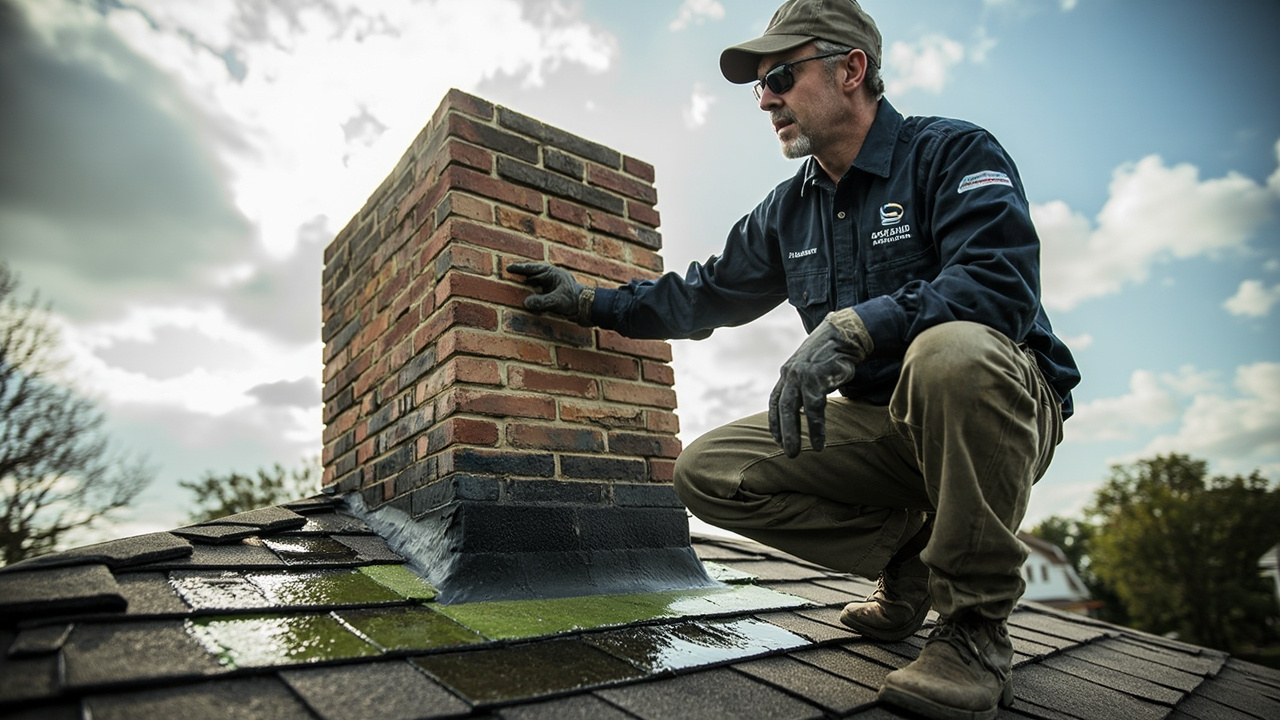
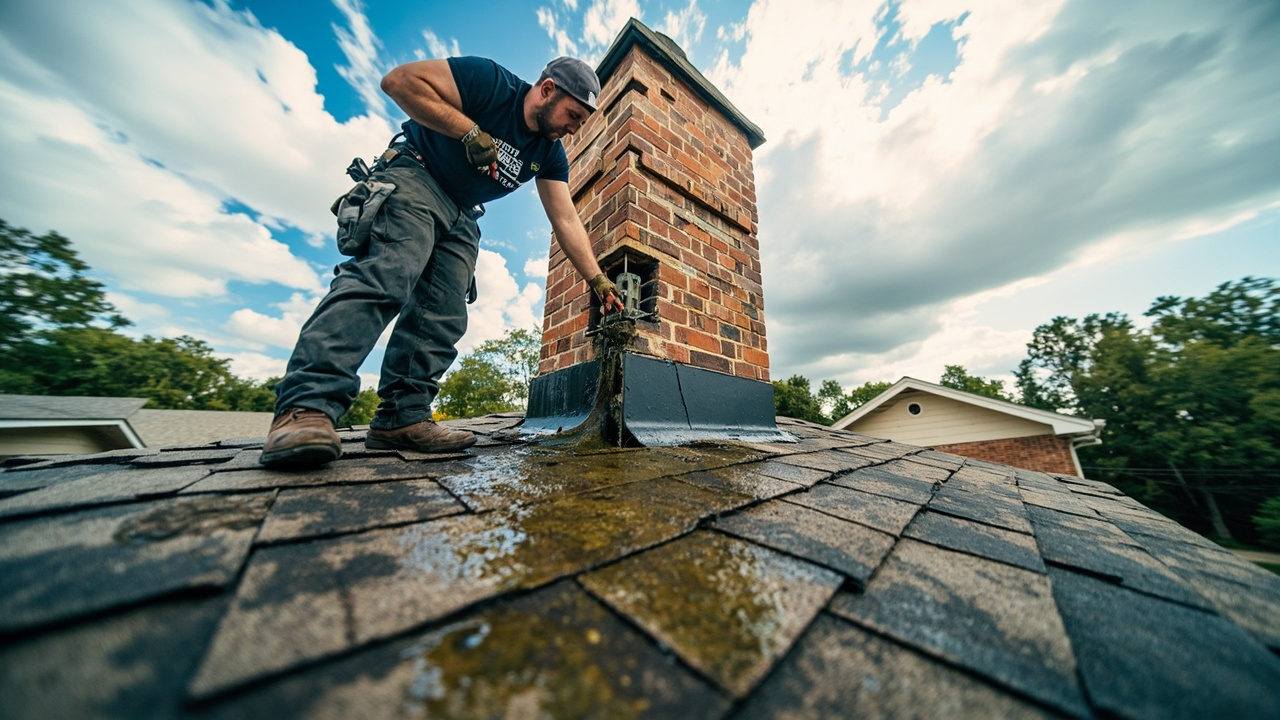
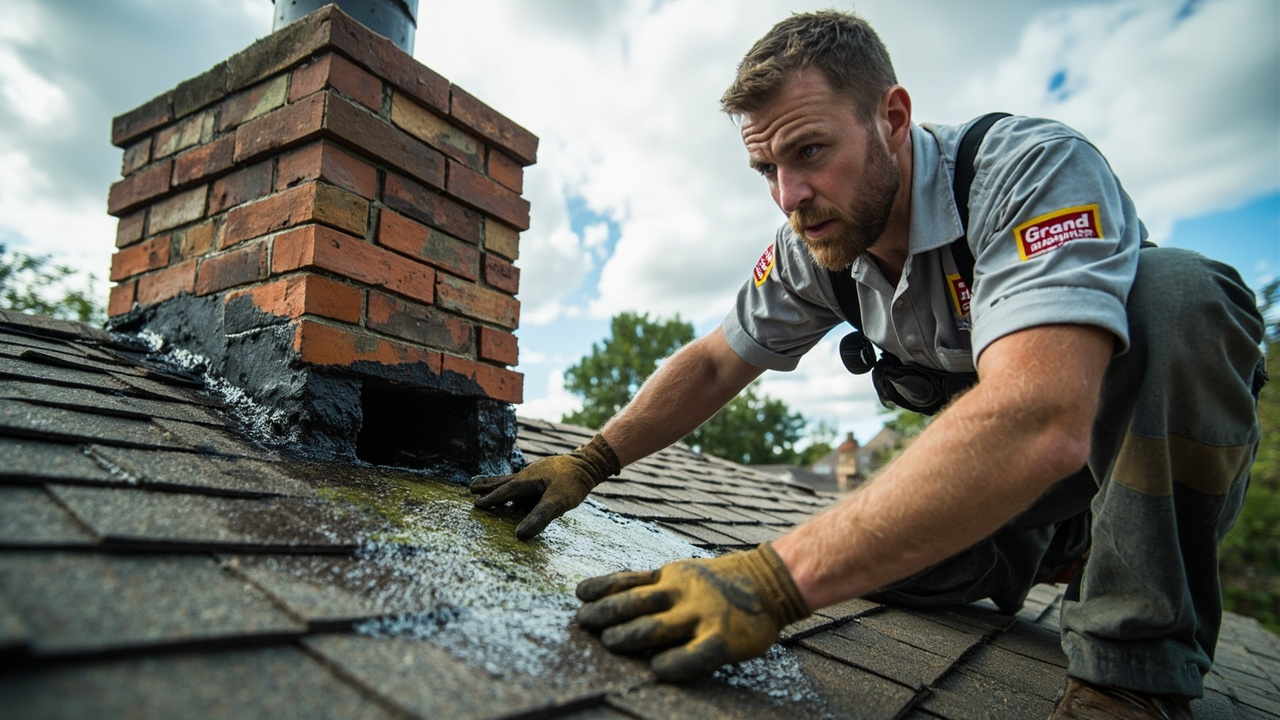
Dallas averages 37 inches of rain per year, but that rainfall arrives in violent bursts during spring and fall. A single thunderstorm can dump two inches in 30 minutes. This rain intensity overwhelms crickets with improper cricket pitch because water volume exceeds drainage capacity. When rain falls faster than gravity can move it down the roof slope, ponding begins immediately. Homes in older neighborhoods like Oak Cliff and Lake Highlands show the most chimney saddle water pooling damage because original crickets were built before modern flashing standards existed.
North Texas roofing requires specialized knowledge of thermal cycling and UV exposure. Our summer roof surface temperatures exceed 170 degrees, which degrades sealants and causes metal flashing to expand. Winter freezes then contract those same materials. Roofers unfamiliar with Dallas conditions use products rated for milder climates that fail within five years. Grand Roofing sources commercial-grade materials tested for temperature extremes and installs them according to specifications developed for our specific weather patterns. This local expertise prevents the repeat failures common with national roofing chains.