




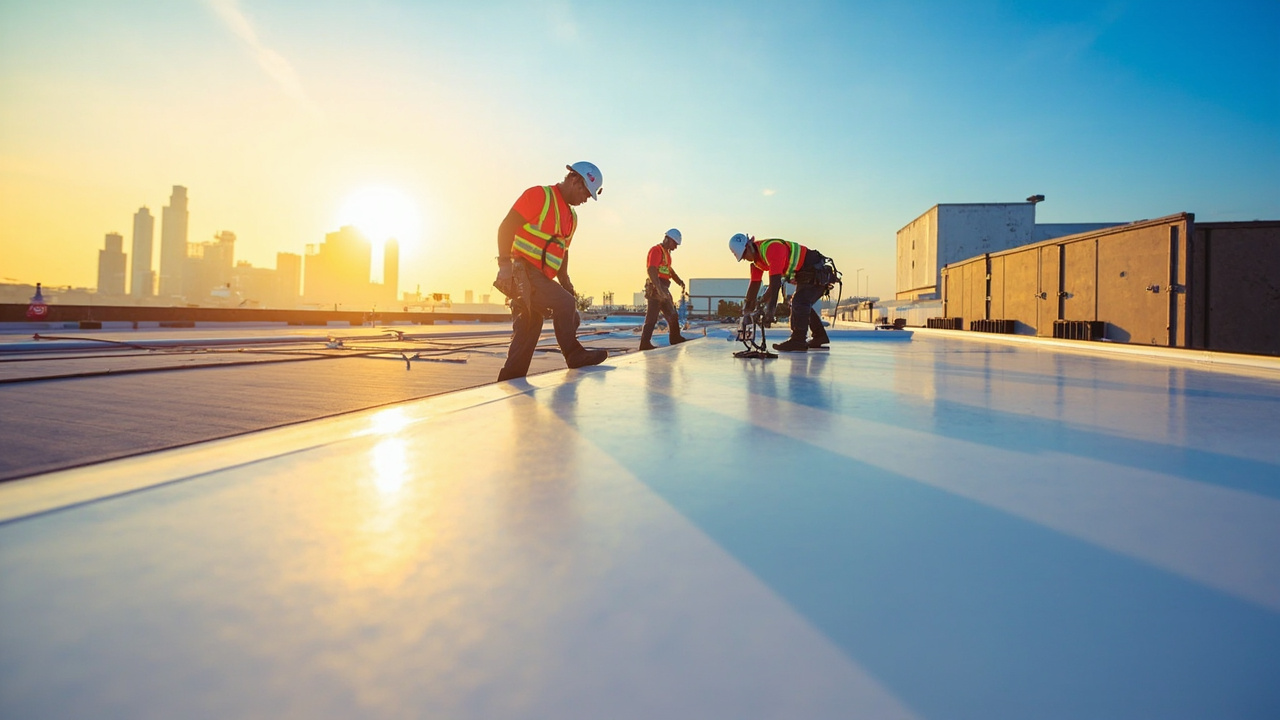
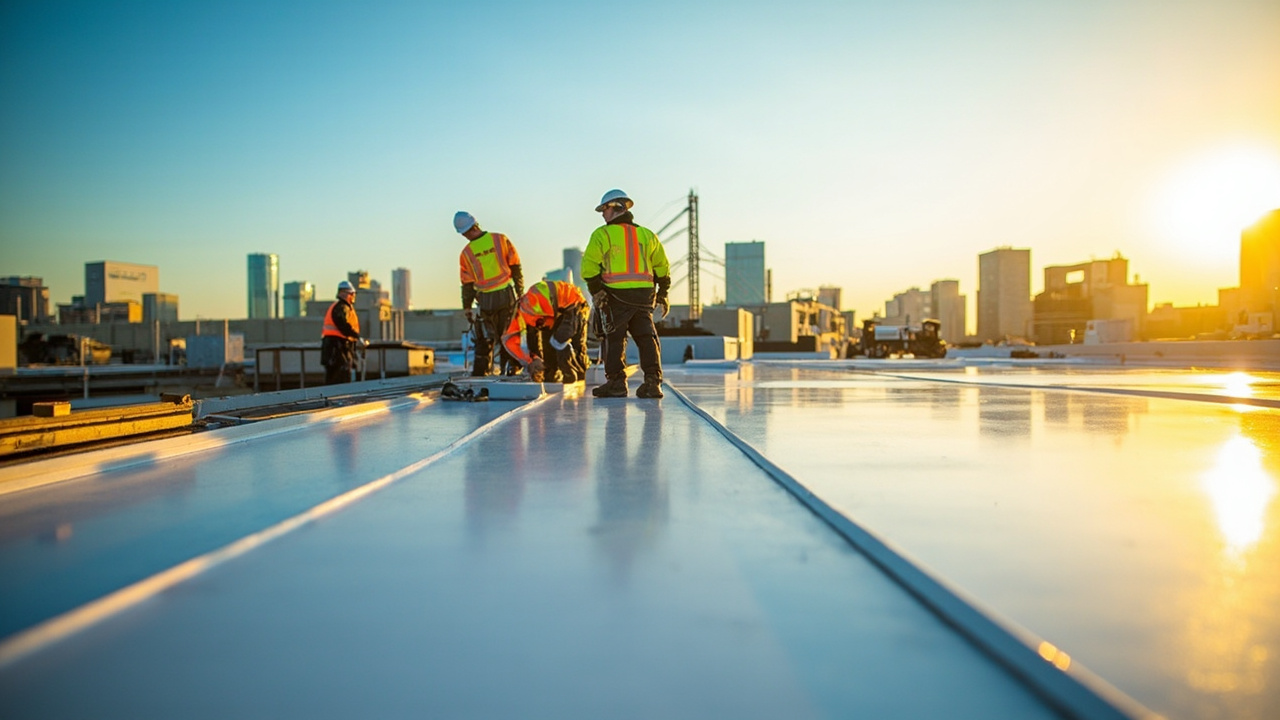
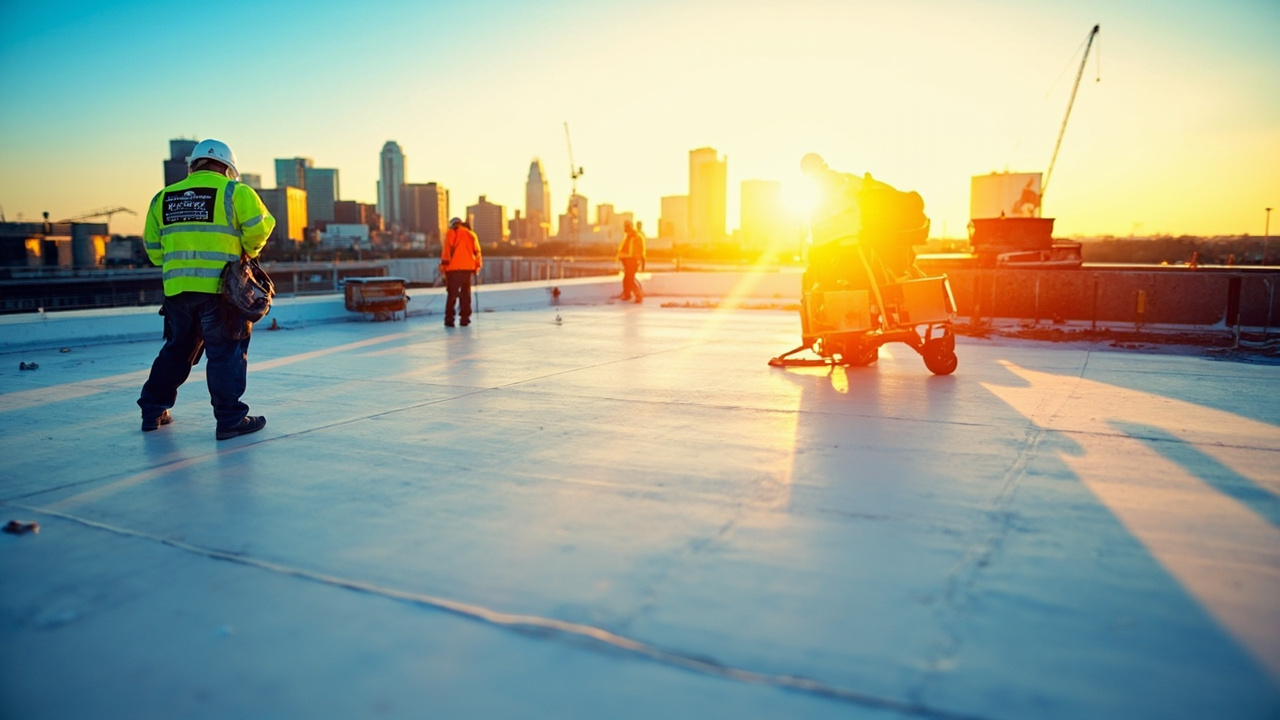
Dallas operates under the International Building Code with local amendments that affect wind uplift requirements and drainage specifications. The city sits in Wind Zone II, which mandates specific fastening patterns and edge securement for commercial roof systems. Spring hailstorms with stones exceeding two inches in diameter are common, requiring impact-resistant membranes for properties in high-exposure areas. The clay soil throughout Dallas County expands and contracts with moisture changes, creating differential movement that transfers stress to roof structures. Commercial roofing contractors who ignore these local factors install systems that fail prematurely, leaving building owners facing costly repairs and potential liability issues.
Grand Roofing Dallas maintains active relationships with local building departments and stays current on code changes that affect commercial properties. We work regularly with the same structural engineers and third-party inspectors your project will require, which streamlines the permitting process and prevents delays. Our crews train specifically on the roofing challenges common to North Texas, including proper flashing techniques for the intense thermal cycling and drainage solutions for the brief but heavy rainfall events typical of this region. Choosing local expertise means choosing contractors who understand your building exists in a specific regulatory environment with specific weather risks that demand specific solutions.