




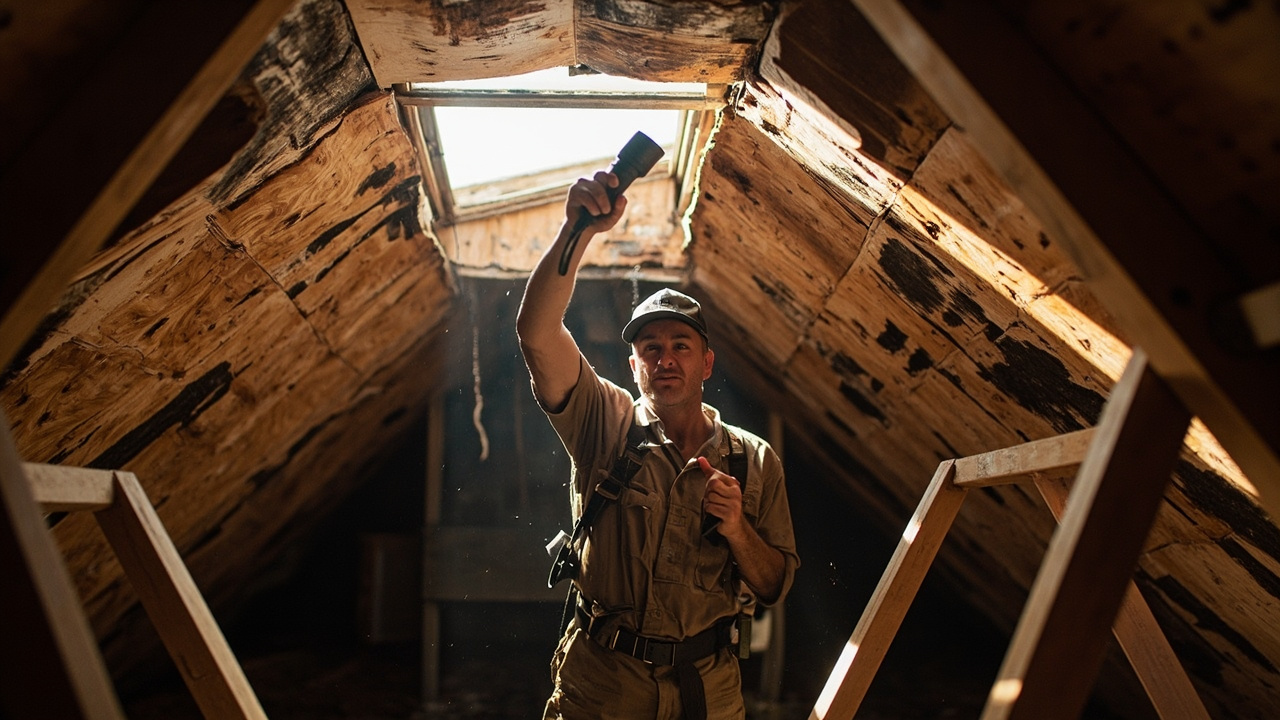
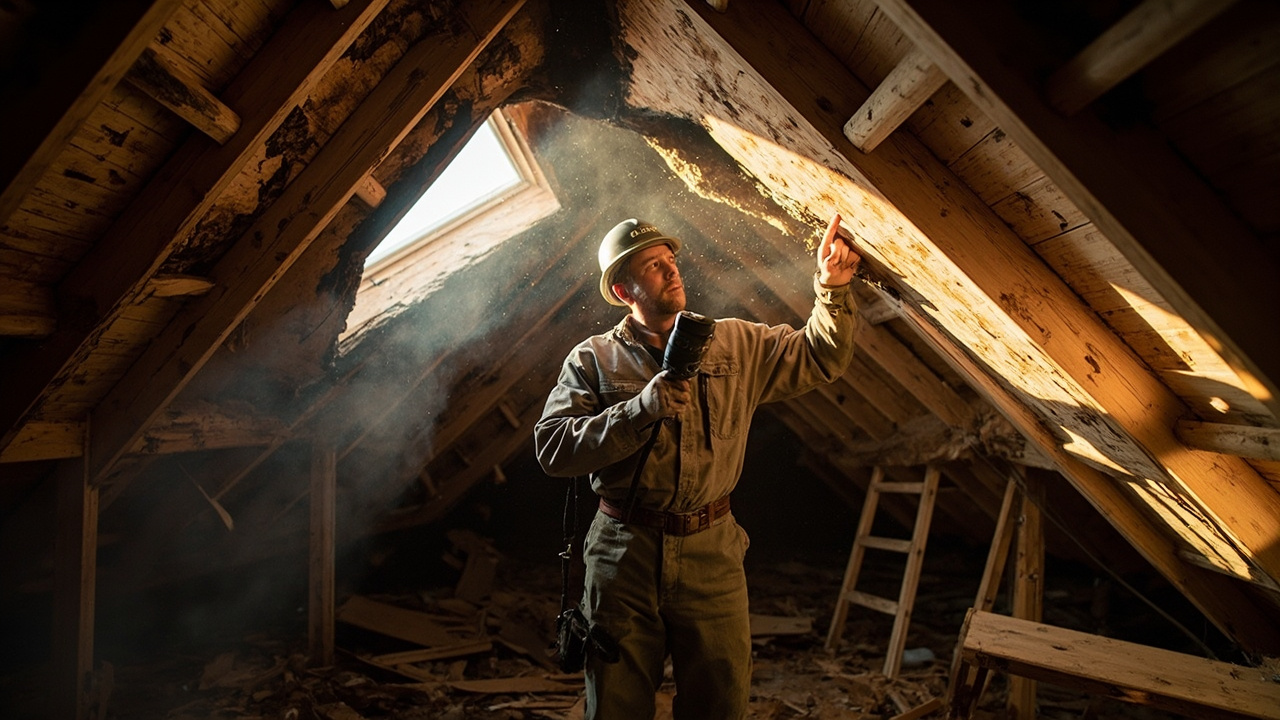
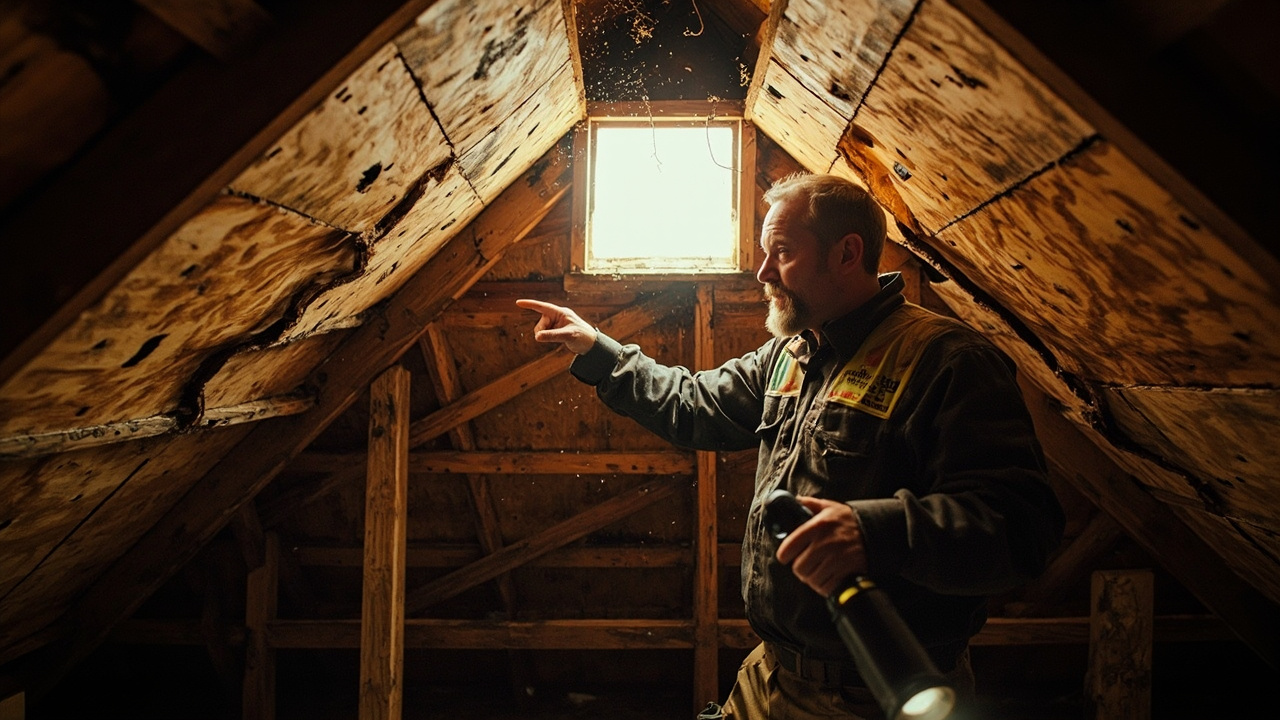
Dallas attics regularly hit 150 degrees during July and August, creating extreme expansion and contraction cycles that fatigue roof sheathing. When afternoon thunderstorms drop temperatures 30 degrees in minutes, the thermal shock causes warping and deflection. The high humidity during spring and fall traps moisture in poorly ventilated attics, especially in older homes built before modern ventilation codes. That moisture weakens the wood and creates the perfect environment for bowing roof sheathing and sunken roof boards. The clay soil across the metroplex shifts constantly, creating minor foundation movement that transfers stress to the roof structure and accelerates deflected roof sheathing.
Dallas building codes require specific fastener schedules and sheathing grades for roof deck replacement, and inspectors enforce those standards strictly. Grand Roofing Dallas knows the local codes and works with city inspectors regularly. We understand the prescriptive requirements in the IRC and the Dallas amendments that apply to structural repairs. That local expertise ensures your repair passes inspection the first time and meets the standards that protect your home long-term. Choosing a contractor who understands Dallas-specific challenges means getting a repair that lasts.