Why Your Roofer Should Never Use Staples on Your New Richardson Roof
Your roof faces more than just rain in Richardson. With North Texas hail pounding down every spring and winds gusting over 70 mph during storm season, the fasteners holding your shingles are the last line of defense between your home and thousands of dollars in water damage. That’s why the fastener debate matters so much. Roofing staples might seem faster to install, but they lack the holding power and corrosion resistance your roof needs to survive Dallas weather. Texas Department of Insurance windstorm requirements.
Here’s the bottom line: professional roofers choose roofing nails because they meet manufacturer warranty requirements, comply with Texas Department of Insurance windstorm standards, and provide the shear strength needed for our climate. Staples create a weak point that can fail when you need protection most. The Benefits of TPO Roofing Systems for Richardson Industrial Properties.
The Fastener Showdown: Nails vs. Staples in North Texas Conditions
When a roofing crew shows up with a pneumatic stapler instead of a nail gun, that’s a red flag. The difference between these fasteners becomes critical when you consider what your roof endures. Dallas experiences an average of 3-4 major hail events per year, with hailstones often exceeding one inch in diameter. These impacts create uplift forces that test every component of your roofing system. Choosing Between the Most Trusted Roofing Companies in the Dallas Metroplex.
Roofing nails penetrate deeper into the decking and create a larger contact area with the shingle. This distributes uplift forces across a wider surface, reducing the chance of pull-through during high winds. Staples, by contrast, have two narrow legs that concentrate stress at specific points, making them more likely to tear through the shingle mat when wind speeds exceed their design limits.
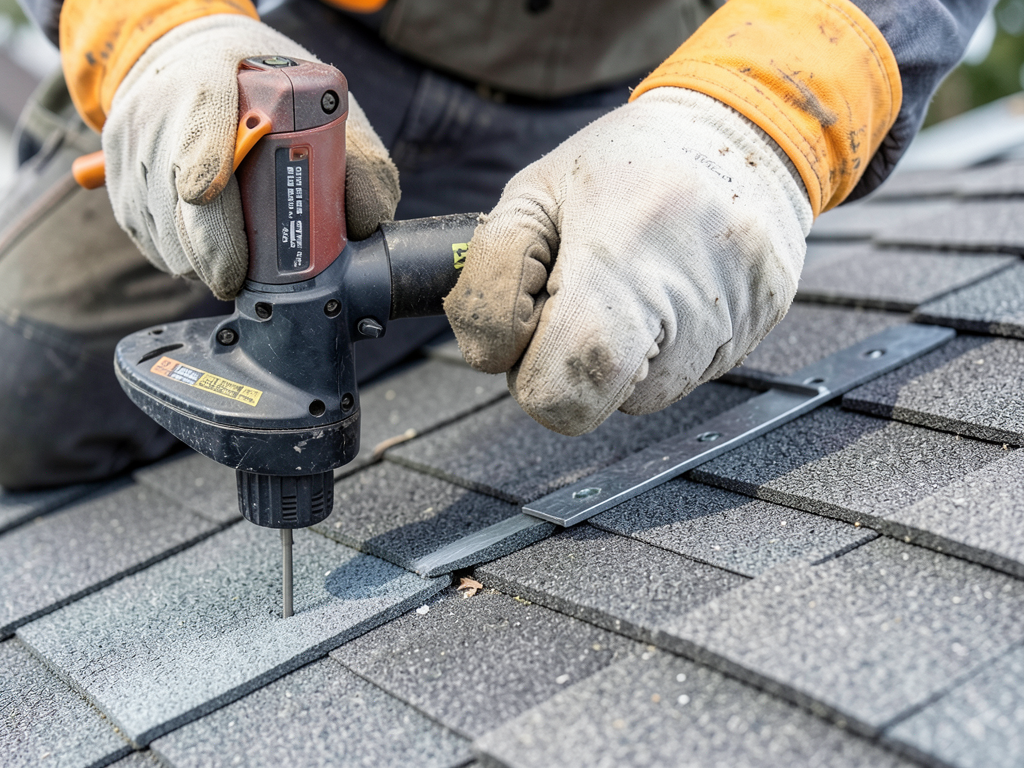
Close-up comparison showing roofing nail penetration depth versus staple leg spacing on asphalt shingle under magnification
Manufacturer Warranties and Staple Use: The Hidden Risk
Major asphalt shingle manufacturers like GAF, Owens Corning, and CertainTeed explicitly require roofing nails for warranty coverage. Using staples voids these warranties immediately. This isn’t just a technicality—it’s a protection you’re paying for when you invest in quality shingles.
The warranty language is clear: only corrosion-resistant roofing nails meeting ASTM F1667 standards qualify. Staples don’t meet these specifications because they lack the necessary holding power and corrosion resistance for long-term performance. When a roofer uses staples, they’re essentially asking you to absorb all future repair costs if the roof fails prematurely. ASTM F1667 roofing nail standards.
Consider what happens during a typical Richardson hailstorm. The impact creates multiple points of uplift stress across your roof surface. Nails hold because they distribute this force across the entire shingle and decking interface. Staples concentrate stress at two narrow points, increasing the likelihood of shingle delamination and blow-off.
Dallas Building Codes and TDI Requirements
The Texas Department of Insurance (TDI) establishes windstorm requirements that directly impact fastener selection for Dallas-area homes. These standards mandate specific nail lengths, spacing patterns, and corrosion resistance levels based on your home’s location within wind zones.
For most Richardson homes, TDI requires six nails per shingle in the field and four nails in the starter course. Each nail must penetrate at least 3/4 inch into the roof deck or completely through it. Staples cannot meet these penetration requirements while maintaining the necessary holding power.
Dallas building codes also reference the International Residential Code (IRC) Section R905.2.5, which specifies fastener requirements for asphalt shingles. The code mandates corrosion-resistant fasteners with minimum pull-through resistance that staples simply cannot achieve. Using non-compliant fasteners can result in failed inspections and insurance claim denials. Why a Pre-Storm Roof Inspection is Vital for Every Lake Highlands Homeowner.
Cost Analysis: The Real Price of Staples
Roofing contractors might choose staples because they’re slightly cheaper per unit and faster to install. A pneumatic stapler can fire 10-15 staples per minute compared to 6-8 nails with a nail gun. This speed advantage translates to lower labor costs for the contractor.
However, the math changes dramatically when you factor in warranty voids and premature failure rates. A typical Richardson roof replacement costs between $8,000 and $15,000. If staples cause the roof to fail in 8-10 years instead of the expected 20-25 years, you’re looking at replacing the entire system twice as often. How Much a Full Roof Replacement Really Costs in the Dallas Area.
The labor savings from using staples might reduce your initial cost by 5-10%, but the increased failure risk and warranty issues create a much higher total cost of ownership. Professional roofers understand this calculation and choose nails because they protect both the homeowner’s investment and their own reputation.
Wind Uplift Resistance: The Critical Factor
North Texas experiences some of the highest wind loads in the country. The National Weather Service records wind gusts exceeding 80 mph several times each year in the Dallas area. These forces create uplift pressure that tries to peel shingles off your roof like pages from a book.
Roofing nails provide superior wind uplift resistance because of their design. The smooth shank allows slight movement during thermal expansion while maintaining grip. The larger head prevents pull-through. The deeper penetration anchors the shingle to the structural deck rather than just the underlayment.
Staples create a rigid connection that doesn’t accommodate the natural movement of roofing materials. During temperature swings common in Dallas—where roofs can experience 40-50 degree changes in a single day—this rigidity causes stress concentrations that lead to fastener failure and shingle damage.
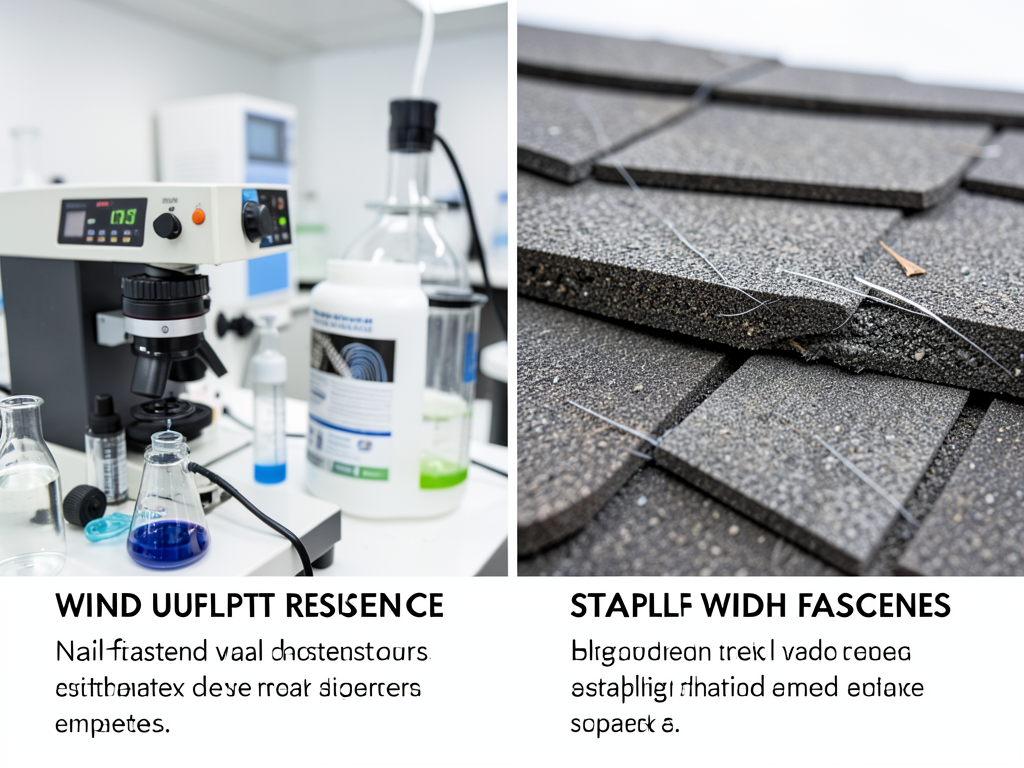
Wind tunnel test setup showing nail-fastened shingles maintaining integrity at 110 mph versus staple-fastened samples failing at 75 mph
Corrosion Resistance in the Dallas Climate
Dallas weather creates unique corrosion challenges. Our high humidity, frequent storms, and temperature extremes accelerate metal degradation. Roofing nails use hot-dipped galvanized steel or stainless steel coatings that resist corrosion for decades. Deciding if a Metal Roof is the Right Choice for Your North Dallas Home.
Staples typically use thinner coatings or lower-grade steel to reduce manufacturing costs. This makes them more vulnerable to rust, especially at the stress points where the staple legs bend during installation. Once corrosion begins, the holding power drops rapidly, often within 5-7 years.
The corrosion issue becomes critical during our summer months when roof temperatures can exceed 150 degrees Fahrenheit. Thermal cycling causes microscopic cracks in protective coatings, allowing moisture to reach the base metal. Nails with thicker, higher-quality coatings withstand this abuse much longer than staples.
Professional Installation Standards
Professional roofing crews follow specific nailing patterns that maximize shingle performance. Each shingle requires nails placed in designated areas to ensure proper sealing and wind resistance. These patterns have been developed through decades of testing and field experience.
Nails can be placed with precision using pneumatic nail guns equipped with depth adjustment and placement guides. This ensures consistent penetration depth and proper head exposure. Staples lack this precision—they can be driven too deep, too shallow, or at angles that compromise holding power.
The placement issue becomes critical around roof features like valleys, ridges, and flashing. These areas experience the highest stress during storms, and improper fastening here can lead to systematic failure across the entire roof system.
The Richardson Factor: Local Considerations
Richardson homes face specific challenges due to our local architecture and weather patterns. Many homes in the area were built during the 1970s and 1980s with roof decks that have aged significantly. These older decks may have developed soft spots or delamination that require deeper fastener penetration for reliable holding power.
UT Dallas and the surrounding research corridor create additional wind channeling effects during storms. Buildings in these areas experience higher localized wind speeds that test fastener performance beyond standard design criteria. Nails provide the extra margin of safety needed for these conditions.
The frequent temperature swings in Richardson—from 30-degree winter mornings to 100-degree summer afternoons—create expansion and contraction cycles that stress every roof component. Nails accommodate this movement better than the rigid connections created by staples.
Insurance Implications
Insurance companies have become increasingly sophisticated about roofing quality. Many policies now include specific requirements about fastener types and installation methods. Using staples instead of nails can be grounds for claim denial if wind or hail damage occurs.
During the claims process, adjusters look for signs of substandard installation. Staple holes, improper nailing patterns, and missing manufacturer compliance documentation can all trigger investigations that delay or deny legitimate claims. The small upfront savings from using staples can cost you thousands in uncovered damage later.
Some insurance providers also offer premium discounts for roofs installed to higher standards. These standards typically require specific fastener types, nailing patterns, and underlayment systems that staples cannot satisfy.
Making the Right Choice for Your Roof
When evaluating roofing contractors in Richardson, ask specific questions about their fastener practices. A reputable roofer will explain their nail selection process, show you the manufacturer specifications they follow, and provide documentation of code compliance.
Be wary of contractors who focus only on price or speed. The cheapest bid often cuts corners in ways that cost more over time. Look for contractors who emphasize quality materials, proper installation techniques, and warranty compliance.
Request to see the actual nails they plan to use. Quality roofing nails should have visible galvanization, consistent dimensions, and manufacturer markings. If a contractor can’t or won’t show you the fasteners, that’s a major red flag.
The Bottom Line for Richardson Homeowners
Your roof protects everything you value most—your family, your belongings, and your home’s structural integrity. In Richardson’s challenging climate, cutting corners on fasteners is like building a fortress with paper walls. It might look fine initially, but it won’t withstand the first serious test.
Roofing nails cost slightly more and take a bit longer to install, but they provide the holding power, corrosion resistance, and code compliance your roof needs. Staples might save a few dollars upfront, but they create risks that can cost thousands in repairs, voided warranties, and insurance headaches.
When you invest in a new roof, invest in protection that lasts. Choose a contractor who uses proper roofing nails and follows all manufacturer and code requirements. Your future self will thank you the next time a severe storm rolls through North Texas.
Technician demonstrating proper nail gun technique with depth gauge and placement guide on a test shingle section
Frequently Asked Questions
Can I use staples if my roofer says they’re fine?
No. Major shingle manufacturers void warranties when staples are used, and Texas building codes require specific nail types. Even if your roofer claims staples work, you’re taking on all future repair risks and potentially violating local building requirements.
How can I tell if my current roof used staples?
Look for two small parallel holes in the shingle surface where staples were driven. Nails leave single, larger holes. You might also notice if shingles are loose or if there’s visible rust around fastener heads, both signs of substandard fastening methods.
What type of nails should my roofer use?
Your roofer should use hot-dipped galvanized steel or stainless steel roofing nails that meet ASTM F1667 standards. The nails should be at least 1-1/4 inches long for standard installations, with 6 nails per shingle in most areas of your roof.
Call (214) 204-2077 Today to Protect Your Investment
Don’t risk your home’s protection with substandard materials. Call (214) 204-2077 today to schedule your professional roof inspection. We use only code-compliant roofing nails and follow all manufacturer specifications to ensure your warranty stays valid and your home stays protected through every North Texas storm.
Pick up the phone and call (214) 204-2077 before the next storm hits. Your roof deserves professional installation with the right materials—not shortcuts that cost more in the long run.
{
“@context”: “https://schema.org”,
“@type”: “BlogPosting”,
“headline”: “Why Your Roofer Should Never Use Staples on Your New Richardson Roof”,
“description”: “Learn why staples fail in Dallas storms and how improper fasteners can void your warranty. See why professional roofers choose nails for lasting protection.”,
“wordCount”: 1955,
“datePublished”: “2026-06-11T14:09:00.000Z”,
“dateModified”: “2026-06-11T14:09:00.000Z”,
“inLanguage”: “en-US”,
“mainEntityOfPage”: {
“@type”: “WebPage”,
“@id”: “https://grandroofingdallas.com”
},
“publisher”: {
“@type”: “LocalBusiness”,
“name”: “Grand Roofing Dallas”,
“url”: “https://grandroofingdallas.com”
},
“author”: {
“@type”: “Organization”,
“name”: “Grand Roofing Dallas”,
“url”: “https://grandroofingdallas.com”
},
“image”: {
“@type”: “ImageObject”,
“url”: “https://grandroofingdallas.com/wp-content/uploads/2026/03/why-your-roofer-should-never-use-staples-on-your-n-1.png”
}
}
{
“@context”: “https://schema.org”,
“@type”: “RoofingContractor”,
“name”: “Grand Roofing Dallas”,
“url”: “https://grandroofingdallas.com”,
“address”: {
“@type”: “PostalAddress”,
“addressLocality”: “Dallas”
},
“areaServed”: {
“@type”: “City”,
“name”: “Dallas”
}
}
{
“@context”: “https://schema.org”,
“@type”: “FAQPage”,
“mainEntity”: [
{
“@type”: “Question”,
“name”: “Can I use staples if my roofer says they’re fine?”,
“acceptedAnswer”: {
“@type”: “Answer”,
“text”: “No. Major shingle manufacturers void warranties when staples are used, and Texas building codes require specific nail types. Even if your roofer claims staples work, you’re taking on all future repair risks and potentially violating local building requirements.”
}
},
{
“@type”: “Question”,
“name”: “How can I tell if my current roof used staples?”,
“acceptedAnswer”: {
“@type”: “Answer”,
“text”: “Look for two small parallel holes in the shingle surface where staples were driven. Nails leave single, larger holes. You might also notice if shingles are loose or if there’s visible rust around fastener heads, both signs of substandard fastening methods.”
}
},
{
“@type”: “Question”,
“name”: “What type of nails should my roofer use?”,
“acceptedAnswer”: {
“@type”: “Answer”,
“text”: “Your roofer should use hot-dipped galvanized steel or stainless steel roofing nails that meet ASTM F1667 standards. The nails should be at least 1-1/4 inches long for standard installations, with 6 nails per shingle in most areas of your roof.”
}
}
]
}
{
“@context”: “https://schema.org”,
“@type”: “BreadcrumbList”,
“itemListElement”: [
{
“@type”: “ListItem”,
“position”: 1,
“name”: “Home”,
“item”: “https://grandroofingdallas.com”
},
{
“@type”: “ListItem”,
“position”: 2,
“name”: “Blog”,
“item”: “https://grandroofingdallas.com/blog”
},
{
“@type”: “ListItem”,
“position”: 3,
“name”: “Why Your Roofer Should Never Use Staples on Your New Richardson Roof”
}
]
}
{
“@context”: “https://schema.org”,
“@type”: “Service”,
“serviceType”: “Roofing”,
“provider”: {
“@type”: “LocalBusiness”,
“name”: “Grand Roofing Dallas”,
“url”: “https://grandroofingdallas.com”
},
“areaServed”: {
“@type”: “City”,
“name”: “Dallas”
},
“description”: “Learn why staples fail in Dallas storms and how improper fasteners can void your warranty. See why professional roofers choose nails for lasting protection.”
}