


menu

Valley Leak Repair in Dallas – Stop Water Intrusion Before It Destroys Your Ceilings and Insulation

Expert valley leak repair identifies the root cause of your roof's most vulnerable point and delivers targeted solutions that keep Dallas homes dry through extreme weather swings and heavy rain events.

Slider Image 1
Slider Image 2
Slider Image 3
Slider Image 4
Slider Image 5
Slider Image 7
Slider Image 8
Slider Image 9
Slider Image 10
Slider Image 11

Why Valley Leaks Are the Number One Source of Roof Failure in Dallas Homes

You see water stains spreading across your ceiling. Maybe it drips into a bucket during storms. The problem is not random. It is coming from your roof valley, the V-shaped intersection where two roof planes meet.

Dallas's weather patterns make valley leaks inevitable without proper installation and maintenance. Summer thunderstorms dump inches of rain in minutes. Winter freeze-thaw cycles crack sealant. Spring hail impacts compromise flashing. Your valley channels more water than any other part of your roof, and when it fails, water pours directly into your attic.

Most valley leaks start small. A tiny gap in the flashing. A missing fastener. A section of underlayment that lifted during high winds. Water finds the opening and works its way under shingles, soaking insulation and rotting decking.

The clay soil that dominates North Texas adds another layer of risk. When the ground shifts during drought cycles, your home's foundation moves. That movement transfers to the roof structure, stressing valley joints and opening gaps that were not there six months ago.

Fixing roof valley leaks requires more than caulk and hope. You need proper valley flashing repair that accounts for thermal expansion, wind uplift, and the specific pitch of your roof. Patching roof valley leaks without addressing the underlying installation flaw means you will see the same stain again next season. Sealing roof valley joints demands an understanding of how metal expands in 100-degree heat and contracts when temperatures drop to freezing. Repairing damaged roof valleys is precision work, not a quick fix.

Why Valley Leaks Are the Number One Source of Roof Failure in Dallas Homes
How Professional Valley Leak Repair Stops Water at the Source

How Professional Valley Leak Repair Stops Water at the Source

Grand Roofing Dallas does not guess. We diagnose valley leaks using a systematic approach that identifies every failure point before we touch a shingle.

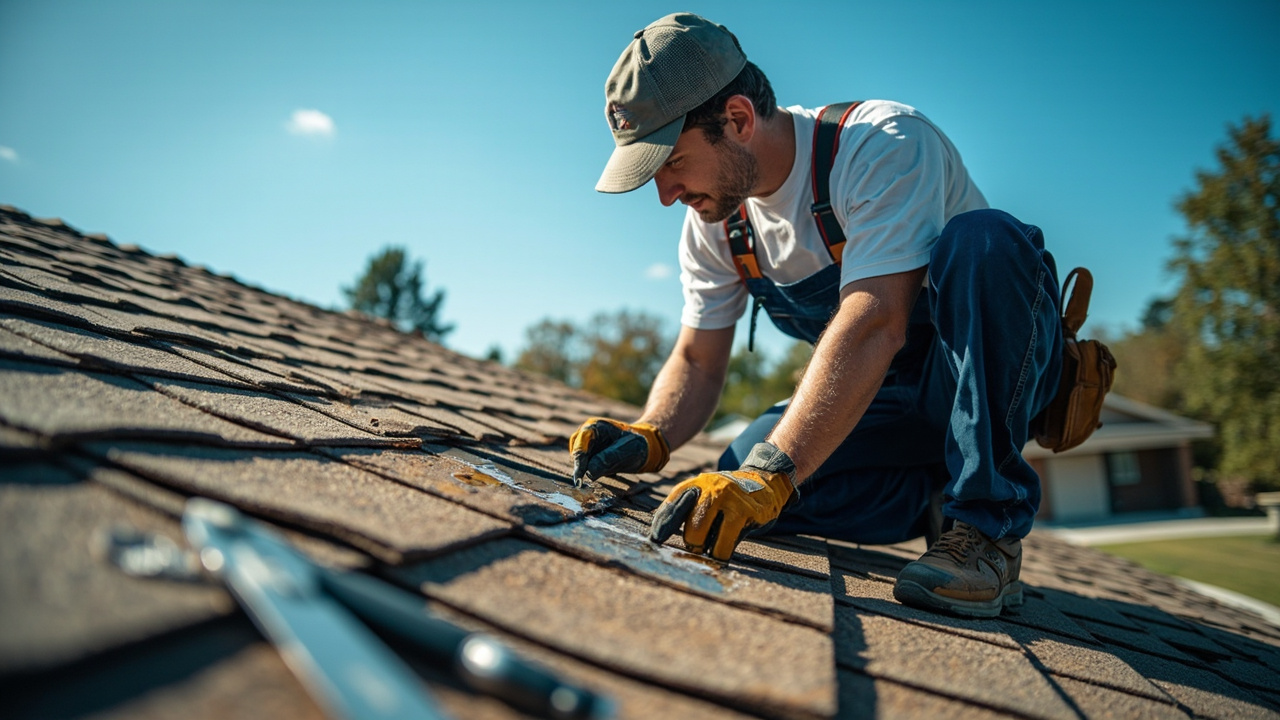
First, we perform a full attic inspection. Water travels. The stain on your ceiling is rarely directly below the leak. We trace moisture paths through insulation and along rafters to find the exact entry point. We use moisture meters to detect hidden saturation in decking that looks dry to the eye.

Next, we assess the valley construction method. Open valleys use metal flashing visible between shingle courses. Closed valleys weave or cut shingles together over underlayment. Woven valleys are common in older Dallas homes but fail faster under heavy rain because they rely on shingle integrity rather than dedicated flashing. We determine whether your valley was built to handle North Texas rain intensity or if it was a shortcut that saved the original installer time.

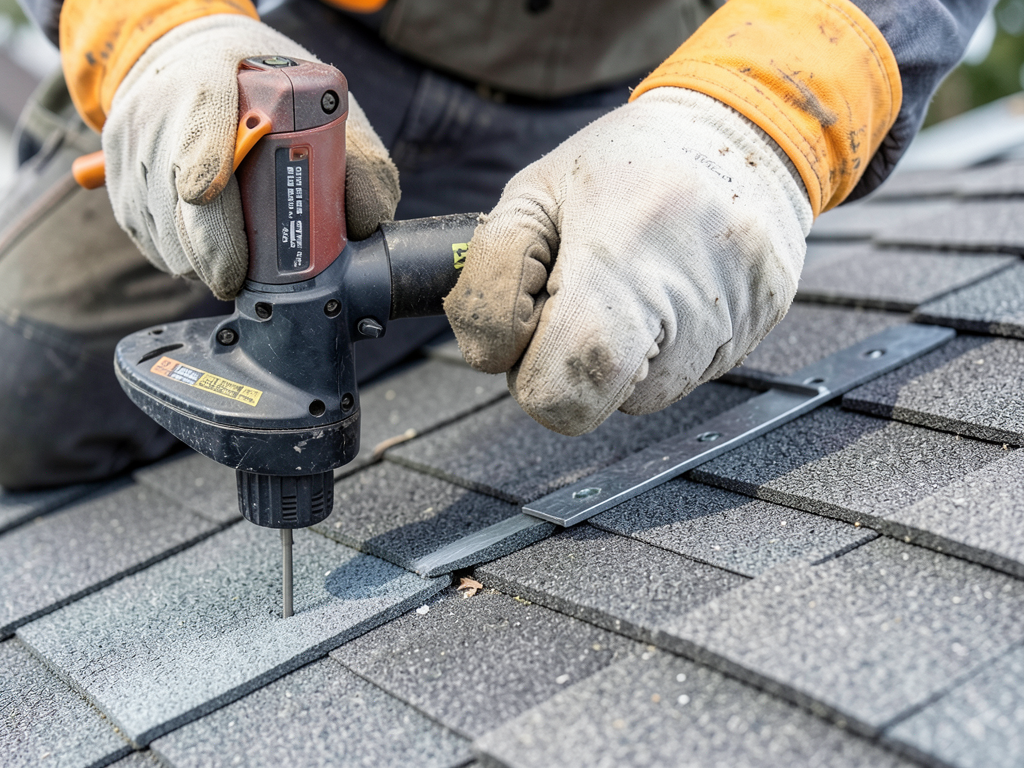
We then evaluate the flashing material and fastener pattern. Aluminum flashing corrodes. Steel flashing rusts if the galvanized coating wears through. Copper costs more but lasts decades. Fasteners placed too close to the valley centerline create puncture points where water pools. Fasteners spaced too far apart allow flashing to lift during windstorms.

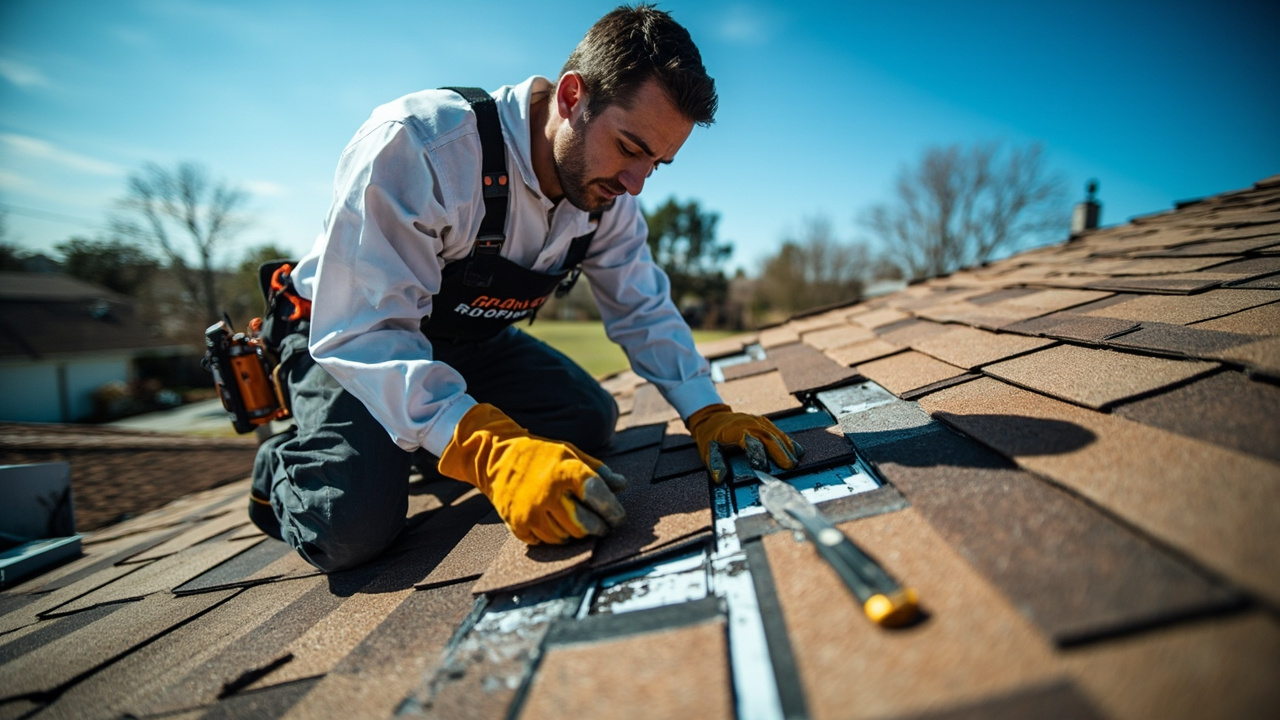
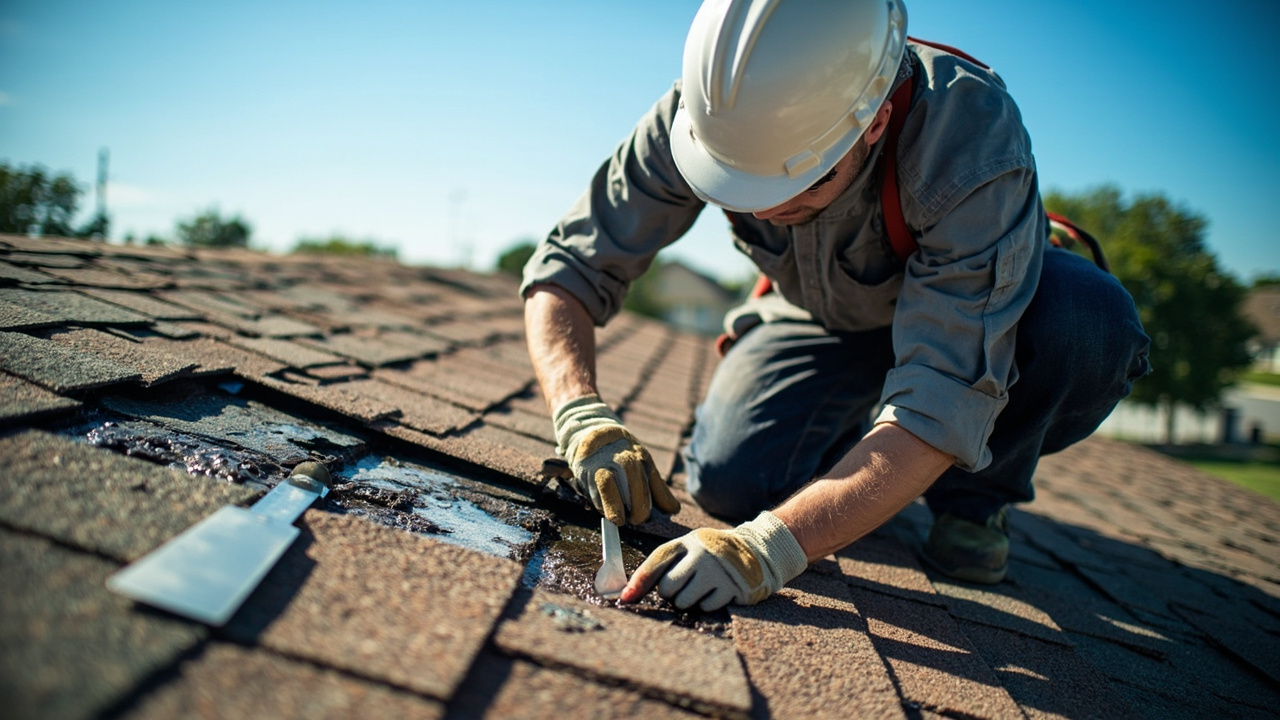
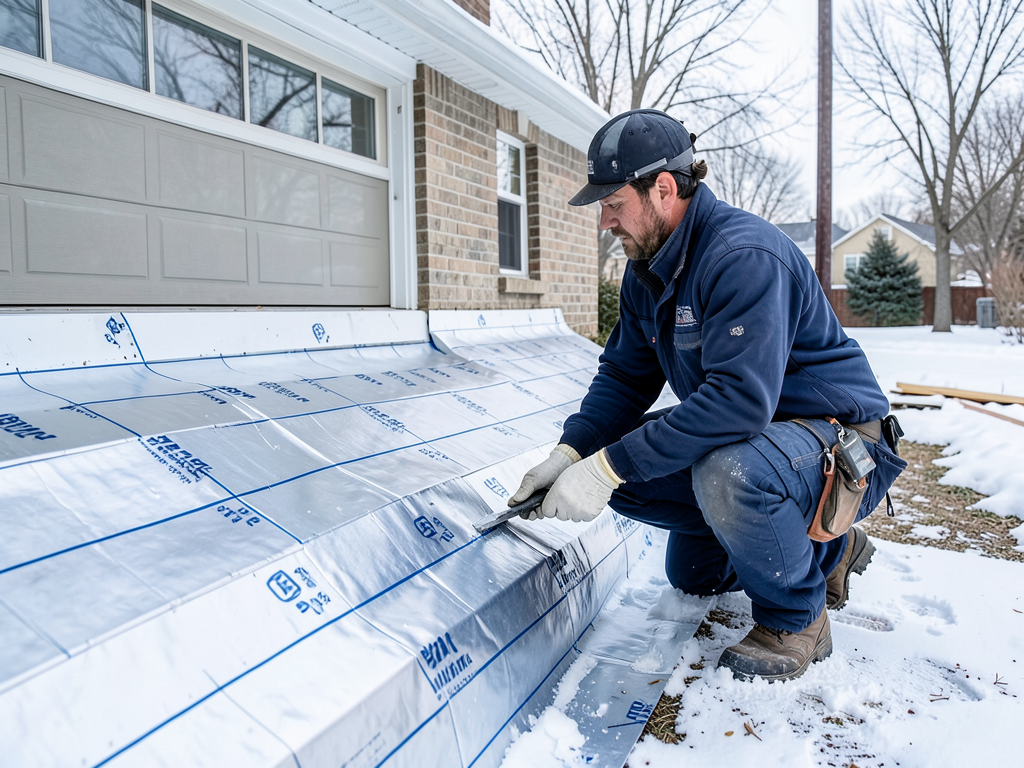
Our repair approach depends on what we find. Minor leaks may only require resealing roof valley joints with high-grade sealant rated for temperature extremes. Moderate damage demands removing surrounding shingles, replacing sections of flashing, and reinstalling with proper overlap and fastener placement. Severe failures require tearing out the entire valley assembly, replacing rotted decking, installing ice and water shield underlayment, and rebuilding with correctly sized flashing that extends at least eight inches on each side of the centerline.

What Happens During Your Valley Leak Repair Service

Valley Leak Repair in Dallas – Stop Water Intrusion Before It Destroys Your Ceilings and Insulation
01

Complete Roof Assessment

We start with a detailed inspection of your entire roof system, not just the obvious problem area. Our team photographs damage, measures valley width and pitch, checks surrounding shingles for wind damage or granule loss, and maps every potential water entry point. You receive a written assessment explaining what failed, why it failed, and what needs replacement versus what can be repaired.
02

Targeted Repair Execution

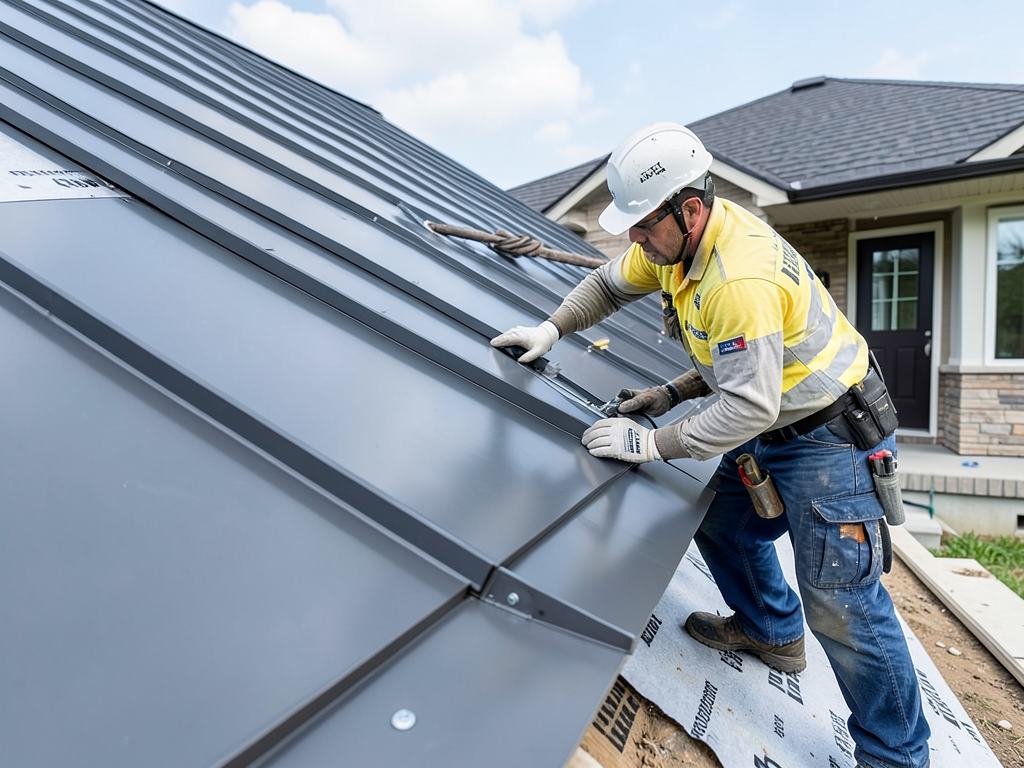
Our crew removes only the material necessary to access the damaged valley. We protect your landscaping, set up containment for debris, and work in sections to minimize exposure if weather changes. New flashing gets installed with proper overlap, sealed with polyurethane sealant at joints, and fastened outside the water channel. Shingles are cut to precise angles and secured with six nails per shingle in high-wind areas.
03

Quality Verification and Cleanup

Before we leave, we perform a final water test by running a hose along the repaired valley for 15 minutes while a team member checks the attic for moisture. We document the completed work with photos showing proper installation details. Your property gets a full cleanup with magnetic sweeps for nails and removal of all debris. You get care instructions for monitoring your valley during the next storm season.

Why Dallas Homeowners Trust Local Expertise for Valley Repairs

Valley leak repair is not a national chain specialty. It requires understanding how Dallas homes are built and how North Texas weather attacks those weak points.

Most Dallas homes built between 1970 and 2000 use closed-cut valleys, a method that looks clean but concentrates water flow in a narrow channel. When shingles age and lose flexibility, those cut edges curl upward, creating entry points for wind-driven rain. Ranch-style homes common in Lake Highlands and North Dallas often have low-slope valleys that do not shed water fast enough during heavy storms. Water backs up under shingles instead of running off.

Grand Roofing Dallas has repaired valleys on every architectural style in the metro, from Craftsman bungalows in Lakewood to Mediterranean tile roofs in Preston Hollow. We know that pre-1980s homes often lack adequate underlayment in valleys. We know that builders in the 1990s boom sometimes used undersized flashing to save materials. We know which neighborhoods experienced foundation issues during the 2011 drought and which homes likely have stress cracks in valley joints as a result.

Local building codes require specific wind ratings for replacement materials. Dallas sits in a wind zone that demands shingles rated for 110 mph gusts. Your valley flashing must be mechanically fastened, not just glued. Ice and water shield is not legally required here like it is up north, but skipping it in valleys is a mistake given our severe thunderstorm frequency.

We also understand the insurance process. Most valley leaks fall under wind and hail coverage if storm damage is documented. We provide the detailed reports and photos adjusters need to approve claims. We know which carriers require multiple estimates and which accept direct repair authorizations.

Choosing a roofer who knows Dallas means you get solutions designed for your specific challenges, not generic fixes imported from different climates.

What You Can Expect From Start to Finish

Response Time and Scheduling

We schedule inspections within 48 hours of your call. Emergency tarping is available same-day if you have active leaking and rain is forecast. Most valley repairs take one to two days depending on the extent of damage and weather conditions. We provide a three-day weather window before starting work to avoid leaving your roof exposed during storms. You get a confirmed start date, crew arrival time, and project manager contact information. We do not disappear between inspection and repair.

Inspection and Diagnosis Process

Your inspection includes attic access, exterior roof evaluation, and thermal imaging if moisture is suspected but not visible. We measure valley dimensions, photograph flashing installation, and test surrounding shingles for brittleness. You receive a written report with annotated photos showing exactly what failed. We explain repair options, material choices, and cost factors. No pressure. No upselling services you do not need. If your valley can be repaired instead of replaced, we tell you. If the entire roof is near end of life and a patch is throwing money away, we tell you that too.

Quality of Completed Work

Your repaired valley will match the existing roof in appearance while exceeding it in performance. We use flashing material that matches or upgrades the original spec. Shingles are color-matched to your roof, though slight variation is normal due to weathering of existing material. All fasteners are corrosion-resistant. Sealant is applied at all flashing laps and end joints. The valley centerline remains clear of fasteners to allow unobstructed water flow. You get before and after photos documenting the quality of installation details that most homeowners never see.

Post-Repair Support and Monitoring

Our work comes with a labor warranty covering installation defects. Material warranties vary by manufacturer but typically range from 10 to 30 years depending on the product grade. We recommend scheduling a follow-up inspection after the first major storm to verify performance. You receive maintenance tips specific to your valley type, including when to check sealant condition and what signs indicate potential problems. If you notice any issues during the warranty period, we return to assess and correct them at no charge. Ongoing maintenance plans are available for homeowners who want annual inspections.

Frequently Asked Questions

You Have Questions,
We Have Answers

How to fix a leaking valley? +

Valley leak repair requires professional assessment. A roofer will inspect the valley flashing for corrosion, improper installation, or debris buildup. The fix depends on the damage. Minor issues may need resealing or patching. Severe cases require replacing the flashing and underlayment. In Dallas, where heavy spring storms and extreme heat cycles stress roof valleys, proper metal flashing installation is critical. Never attempt to patch valleys with roof cement alone. That creates temporary fixes that fail fast. A qualified contractor will remove damaged shingles, install new ice and water shield, and properly integrate metal or woven valley materials to redirect water flow.

Can heavy rain cause roof valley leaks? +

Yes. Dallas experiences intense downpours that overwhelm poorly designed or damaged roof valleys. When rainwater flows faster than the valley can channel it away, water backs up under shingles. This happens when valleys are clogged with leaves and debris, flashing is corroded, or the valley pitch is too shallow. Heavy rain also exposes installation errors like missing underlayment or improperly lapped shingles. If your valley leaks only during storms, the issue is water volume exceeding the system's capacity. Clearing debris helps, but structural problems need professional repair before the next storm hits.

Why do roof valleys leak? +

Roof valleys leak because they handle concentrated water flow where two roof planes meet. Common causes include deteriorated flashing, improper shingle installation, debris accumulation, and underlayment failure. In Dallas, thermal expansion from summer heat and contraction during winter freezes stress valley materials. Flashing pulls away from shingles, creating gaps. Poor workmanship during installation causes immediate problems. Valleys installed without ice and water shield or with incorrect overlap allow water penetration. Age also plays a role. Metal flashing corrodes over time, and shingles around valleys wear faster than field shingles due to constant water exposure and thermal cycling.

How to seal roof valley flashing? +

Sealing roof valley flashing requires removing shingles around the valley to access the metal. Clean the flashing thoroughly, removing all debris and old sealant. Apply roofing cement under lifted edges, pressing firmly to create a watertight bond. Install new ice and water shield if the underlayment is compromised. Reseal shingle edges overlapping the flashing with roofing sealant rated for Dallas temperature extremes. Do not rely on caulk alone. Proper sealing means mechanically fastening flashing, then using sealant as a secondary barrier. If flashing is rusted or damaged, replacement beats sealing. Temporary fixes fail quickly under Dallas weather stress.

How much does it cost to repair a valley on a roof? +

Valley repair costs in Dallas range widely based on damage extent and roof accessibility. Minor repairs, like resealing flashing or replacing a few shingles, cost less than full valley replacement. Major work involving new metal flashing, ice and water shield, and shingle reinstallation costs more. Steep-pitch roofs or multi-story homes increase labor costs. Material choice matters. Woven valleys using shingles cost less than metal valleys but may not last as long under Dallas heat. Get multiple estimates from licensed contractors. Avoid the cheapest bid. Poor valley work guarantees future leaks and interior damage that cost far more than doing it right initially.

Is a roof leak covered by homeowners insurance? +

Maybe. Homeowners insurance in Texas covers sudden, accidental damage like storm damage or fallen trees. If a hailstorm damages your valley flashing, insurance likely covers repairs. Gradual wear from age or poor maintenance is excluded. Insurance adjusters look for evidence of storm damage versus deferred maintenance. Document damage with photos immediately after storms. In Dallas, wind-driven rain and hail are common covered perils. Leaks from installation defects or normal wear are your responsibility. Review your policy's exclusions. If a storm caused the valley damage, file a claim quickly. Waiting allows secondary water damage that complicates claims.

What is the average cost to repair a roof leak? +

Roof leak repair costs depend on the leak source, location, and damage extent. Simple flashing repairs cost less than valley replacements or decking repairs from long-term water intrusion. Accessibility affects pricing. Single-story homes cost less than two-story homes. In Dallas, expect higher costs during peak storm seasons when demand spikes. Emergency repairs cost more than scheduled work. Minor fixes like replacing a few shingles and sealing penetrations are affordable. Extensive repairs involving structural damage from neglected leaks cost significantly more. Get a detailed written estimate before work begins. Reputable contractors itemize labor, materials, and disposal fees separately.

How to stop house roof valley from leaking when ice builds up in it? +

Ice buildup in Dallas valleys is rare but happens during winter storms. Prevent ice dams by improving attic insulation and ventilation to keep the roof deck cold. Warm air from your home melts snow, which refreezes in valleys, blocking drainage. Install heat cables along valleys before ice forms. Never chip ice off valleys. You will damage shingles and flashing. During an ice event, remove snow from the roof edge using a roof rake to reduce meltwater. If water backs up and leaks inside, place buckets and call a roofer. Long-term fixes include addressing attic heat loss and ensuring proper valley flashing installation.

Are roof valleys bad? +

Roof valleys are not bad. They are necessary where roof planes intersect. Valleys efficiently channel water off the roof when properly designed and maintained. Problems arise from poor installation, inadequate materials, or neglect. In Dallas, valleys face extreme stress from thermal cycling and heavy rain. A well-built valley using quality metal flashing and proper underlayment lasts decades. Poorly installed valleys leak immediately. The key is correct construction. Valleys need steeper pitch than surrounding roof sections, proper flashing overlap, and regular debris removal. Valleys are vulnerable points, but they are not inherently problematic when built right and maintained.

Should roof valleys be sealed? +

Roof valleys should be sealed properly during installation, not after the fact. Proper sealing means installing ice and water shield underlayment, mechanically fastening metal flashing, and integrating shingles correctly. Slathering sealant over an existing valley is a temporary patch that fails under Dallas sun and rain. If your valley leaks, diagnose the root cause. Sealing over damaged flashing or deteriorated underlayment wastes money. Quality valley construction relies on layered waterproofing and correct material overlap, not caulk. Sealant serves as a secondary barrier at shingle edges, not the primary waterproofing method. If a roofer suggests just sealing your valley, get a second opinion.

How Dallas's Severe Weather Patterns Accelerate Valley Deterioration

Dallas experiences more than 40 inches of rain annually, with the majority falling during spring and fall storm seasons. Valleys handle exponentially more water volume than flat roof sections because they channel runoff from two slopes simultaneously. A single three-inch rain event can send hundreds of gallons through a 20-foot valley in less than an hour. That volume creates hydraulic pressure that lifts shingles, forces water under flashing, and exploits any gap in the sealant. Add in hail impacts that dent metal flashing and crack shingle edges, plus temperature swings from 15 degrees in winter to 105 in summer that expand and contract materials, and you understand why valley leak repair becomes necessary even on relatively new roofs in North Texas.

Grand Roofing Dallas has built relationships with local building inspectors, suppliers, and insurance adjusters over years of consistent work in the metro. We know the inspectors who cover different parts of the city and what they look for during final approval. We source materials from regional distributors who stock products rated for Texas wind and hail zones, not generic inventory shipped from out of state. When you hire local expertise for valley flashing repair, you get a team that understands permitting requirements, knows which manufacturers honor warranties without hassle, and has the credibility to advocate for you during insurance negotiations. That local knowledge translates to faster approvals, better material availability, and repairs that pass inspection the first time.
Roofing Services in The Dallas Area

Grand Roofing Dallas proudly serves the entire metropolitan area and surrounding communities. We're committed to providing prompt, professional service wherever you are. Use the map to see our location and service radius, or simply give us a call to schedule an in-person consultation at your property. We look forward to bringing our expert roofing solutions directly to you.

Address:
Grand Roofing Dallas, 4422 Live Oak St, Dallas, TX, 75204

Additional Services We Offer

Our news updates

Latest Articles & News from The Blogs

Choosing Energy Star Rated Shingles to Lower Your Cooling Bills in Grand Prairie Energy Star rated shingles can reduce your…

Choosing Energy Star Rated Shingles to Lower Your Cooling Bills in Grand Prairie

Choosing Energy Star Rated Shingles to Lower Your Cooling Bills in Grand Prairie Energy Star rated shingles can reduce your…

How to Properly Vent a Vaulted Ceiling Roof in Your Lakewood Mid-Century Modern

How to Properly Vent a Vaulted Ceiling Roof in Your Lakewood Mid-Century Modern Vaulted ceilings in Lakewood’s Mid-Century Modern homes…

Adding Timeless Character with Copper Gutters and Accents to Your Preston Hollow Home

Adding Timeless Character with Copper Gutters and Accents to Your Preston Hollow Home Copper gutters bring unmatched elegance and durability…

Contact Us

Valley leaks only get worse. Call Grand Roofing Dallas now at (214) 204-2077 for a professional inspection and written repair estimate. We provide same-day emergency tarping if storms are approaching.