
Small Roof Repairs You Should Never Ignore in Your Mesquite Home
Living in Mesquite means dealing with Texas-sized weather extremes that can turn small roof problems into major headaches. When high winds, hail, and scorching summer heat combine with the area’s clay soil foundation shifts, minor roof damage can escalate quickly. This guide shows you exactly which small repairs demand immediate attention to protect your home and wallet. Texas Department of Insurance.
Mesquite homeowners face unique challenges from the Dallas-Fort Worth metroplex’s volatile weather patterns. A missing shingle or cracked flashing might seem insignificant, but these issues create entry points for water damage that can compromise your entire roofing system. The cost of ignoring these problems often multiplies tenfold within months as moisture seeps into your attic, insulation, and ceiling drywall. The Benefits of TPO Roofing Systems for Richardson Industrial Properties.
Missing or Damaged Asphalt Shingles
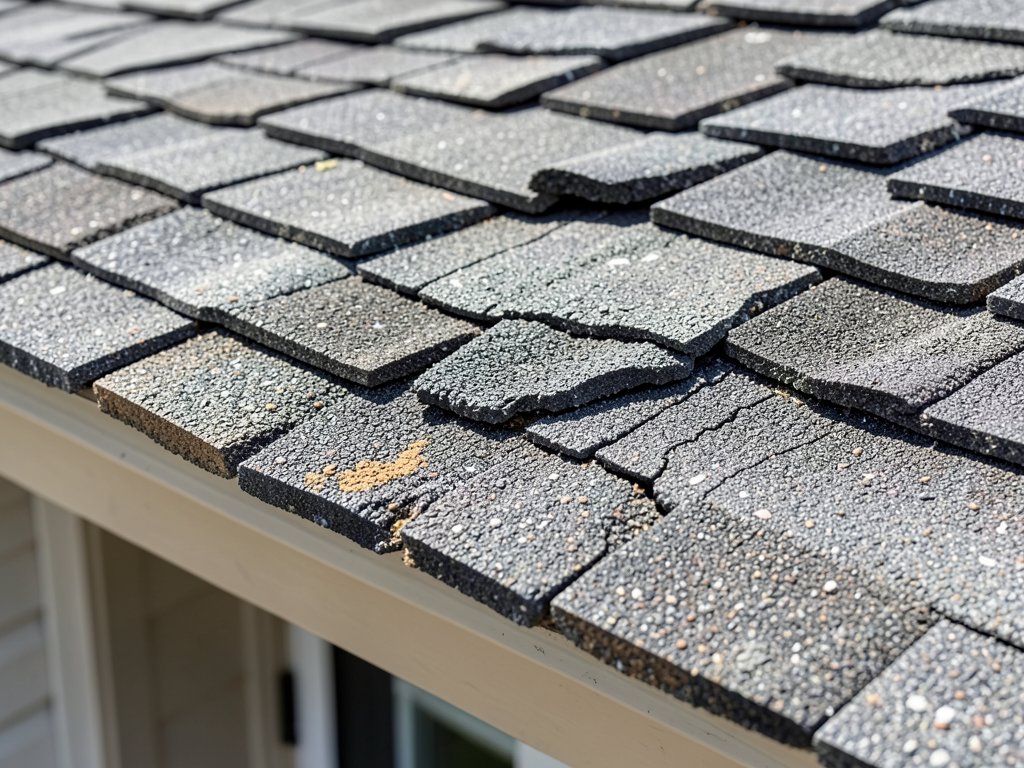
A single missing shingle creates a direct pathway for rainwater to penetrate your roof deck. In Mesquite’s intense summer heat, asphalt shingles can curl and crack from thermal expansion, leaving edges vulnerable to wind uplift. Check for shingles with curled corners, cracked surfaces, or missing granules that expose the underlying fiberglass mat.
The diagnostic test: Run your hand gently across suspect shingles. If they feel brittle or crumble at the edges, they’ve lost their protective oils and need replacement. Granule loss appears as bald spots that look like patches of dark asphalt. These areas absorb more heat and deteriorate faster, creating a snowball effect of damage. How Much a Full Roof Replacement Really Costs in the Dallas Area.
Cracked or Deteriorated Roof Flashing
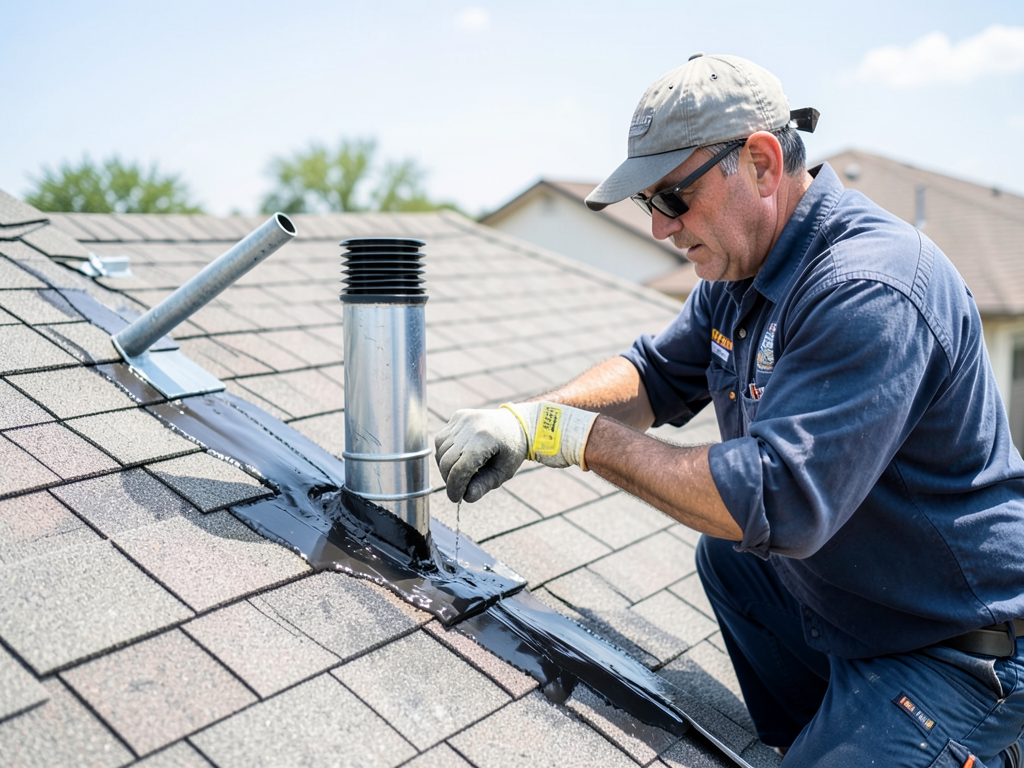
Roof flashing protects the most vulnerable areas where different materials meet. Around chimneys, vent pipes, skylights, and in roof valleys, flashing prevents water from seeping into joints. In Mesquite’s climate, flashing expands and contracts more dramatically than in milder regions, causing sealant to crack and metal to separate from surfaces. Deciding if a Metal Roof is the Right Choice for Your North Dallas Home.
Common flashing failures include rusted metal edges, separated seams in valleys, and deteriorated sealant around vent pipes. The telltale sign is water stains on interior walls near these penetrations. During a visual inspection, look for gaps wider than 1/8 inch between flashing and the surface it protects. These gaps allow wind-driven rain to enter during storms. Why a Pre-Storm Roof Inspection is Vital for Every Lake Highlands Homeowner.
Nail Pops and Fastener Issues
Nail pops occur when roofing nails work their way up through shingles, creating raised bumps that trap water and accelerate shingle deterioration. In Mesquite’s clay soil areas, foundation shifts can cause enough movement to push nails upward through the roof deck. These raised nails break the shingle seal and create perfect entry points for moisture.
The diagnostic method: Walk your roof carefully (or view from a ladder) and look for small circular bumps in the shingle pattern. Press gently on suspect areas. If the shingle moves or you feel a hard point underneath, you’ve found a nail pop. These require immediate attention as they compromise the water-shedding ability of surrounding shingles.
Gutter System Failures
Clogged or damaged gutters cause water to back up under roof edges, leading to fascia board rot and soffit damage. Mesquite’s seasonal storms drop heavy rainfall that overwhelms undersized or debris-filled gutter systems. When water overflows, it saturates the roof edge and can travel backward under shingles.
Check for sagging sections, separated joints, and downspouts that discharge too close to your foundation. The proper solution includes cleaning gutters twice yearly, ensuring downspouts extend at least five feet from your foundation, and verifying that gutter hangers are spaced no more than 24 inches apart to prevent sagging.
Valley Damage and Debris Accumulation
Roof valleys channel large volumes of water during rainstorms. When debris like leaves, twigs, and granules accumulate in these channels, water dams form that force moisture under shingles. Mesquite’s mature trees shed leaves that collect in valleys, creating perfect conditions for water backup.
The inspection technique: Look up into valleys from ground level using binoculars. Dark streaks or visible debris accumulation indicates problems. During heavy rain, watch how water flows through valleys. If you see water splashing over the sides instead of flowing down the channel, immediate cleaning is necessary.
Attic Ventilation Problems
Poor attic ventilation causes heat and moisture buildup that deteriorates roofing materials from the inside out. In Mesquite’s 100-degree summers, attics can reach 150 degrees without proper airflow. This extreme heat bakes shingles from below, causing premature aging and granule loss.
Check your attic during daylight hours. If you see daylight through the roof boards, you have holes that need repair. Look for dark spots on rafters that indicate past moisture intrusion. Proper ventilation requires balanced intake vents in the soffits and exhaust vents near the ridge to create continuous airflow.
When DIY Repairs Make Sense in Mesquite
Small repairs like replacing a few missing shingles or sealing minor flashing gaps can be DIY projects if you have the right tools and safety equipment. However, Mesquite’s steep roof pitches and the risk of thermal shock on hot days make professional help advisable for most homeowners.
Safe DIY repairs require a sturdy ladder extending three feet above the roof edge, non-slip shoes, and working during cooler morning hours. Never walk on a roof when temperatures exceed 90 degrees as shingles become soft and easily damaged. For repairs involving valley flashing or chimney work, professional expertise prevents costly mistakes.
Mesquite-Specific Weather Considerations
Mesquite sits in Dallas County’s hail alley, experiencing frequent severe storms from March through June. Hail damage often appears as small bruises or granule loss that homeowners miss during casual inspections. These bruises weaken shingles and create points where future hail impacts cause immediate failure.
The diagnostic approach: After storms, inspect your roof from the ground with binoculars. Look for shiny spots where granules have been knocked off, exposing the asphalt base. Check for cracked or broken shingle edges, especially on the roof’s windward side where hail impacts are most severe.
Cost Factors for Minor Repairs in the DFW Area
Minor roof repairs in Mesquite typically range from $150 to $500 for simple shingle replacement or flashing repair. However, costs increase significantly when water damage has already occurred. A $200 repair can become a $2,000 project if moisture has penetrated the roof deck and damaged underlying structures.
Insurance considerations matter in Texas. Many policies require prompt repair of minor damage to prevent claim denials for larger problems. Document all repairs with photos and keep receipts, as this documentation supports future claims if additional damage occurs.
Professional Assessment Benefits
Professional roofers use moisture meters and infrared cameras to detect water intrusion that’s invisible to the naked eye. In Mesquite’s climate, early detection prevents the exponential cost growth that occurs when minor issues become major structural problems. A $300 professional inspection can save thousands in prevented damage.
According to the International Building Code Section 1507, roofing repairs affecting more than 100 square feet or involving structural components require permits and inspections. Professional roofers understand these requirements and ensure your repairs comply with local regulations, protecting your home’s value and your insurance coverage.
Preventative Maintenance Schedule
Establish a twice-yearly inspection routine: once in late spring before hurricane season and again in early fall after summer heat stress. After any severe weather event, perform additional checks for hail damage or wind uplift. Document your findings with dated photos to track changes over time.
Seasonal maintenance includes cleaning gutters, trimming overhanging branches, and checking sealant around all roof penetrations. Replace damaged shingles immediately rather than waiting for multiple failures. Small repairs addressed promptly prevent the cascade of damage that turns $200 fixes into $2,000 emergencies.
Warning Signs That Require Immediate Professional Attention
Ceiling stains, mold growth in attics, or visible daylight through roof boards indicate serious problems requiring professional diagnosis. Don’t attempt repairs when you see these warning signs, as they suggest water has already penetrated beyond the surface roofing materials.
Unusual sounds during wind, like flapping or rattling, suggest loose materials that could fail catastrophically. If you notice granules accumulating in gutters or downspouts, your shingles are deteriorating and need professional assessment before complete failure occurs.
Local Building Code Compliance
Dallas County requires permits for roofing work affecting structural components or exceeding specific square footage thresholds. The Texas Department of Insurance mandates Class 4 impact-resistant shingles in many municipalities due to frequent hail events. Ensure any repairs use materials meeting these requirements to maintain insurance coverage.
Local codes also specify minimum underlayment requirements and proper flashing installation methods. Professional roofers stay current with these evolving standards, ensuring your repairs provide lasting protection rather than temporary fixes that fail during the next storm.
Energy Efficiency Considerations
Minor repairs present opportunities to improve your home’s energy efficiency. Sealing gaps around penetrations and ensuring proper attic ventilation can reduce cooling costs by 15-20% in Mesquite’s hot climate. Consider adding radiant barrier sheathing when replacing damaged decking sections.
Energy-efficient roofing materials like cool roof coatings or reflective shingles can extend the life of repairs by reducing thermal stress. While these options cost more initially, they often pay for themselves through reduced energy bills and extended roof life in Texas’s harsh climate.
Insurance Documentation Importance
Document all repairs with before-and-after photos, detailed descriptions, and contractor receipts. Many insurance companies require proof of regular maintenance to honor claims for major damage. Without this documentation, they may deny coverage for problems that could have been prevented with timely minor repairs.
Keep a maintenance log including dates of inspections, repairs performed, and materials used. This record demonstrates your commitment to proper home maintenance and can be crucial when filing claims or selling your home.
Long-Term Cost Savings Strategy
Investing in quality repairs using premium materials often costs 20-30% more initially but can double the repair lifespan. In Mesquite’s climate, where temperature swings and UV exposure accelerate deterioration, higher-quality materials provide better long-term value than budget options that fail quickly.
Consider the total cost of ownership rather than just the initial repair price. A $300 repair using premium materials might last eight years, while a $200 repair using standard materials might need replacement in three years. The premium option provides better value despite higher upfront costs.
Emergency Repair Kit Essentials
Keep basic emergency repair supplies on hand: roofing cement, galvanized roofing nails, a caulking gun with roof sealant, and a tarp large enough to cover a significant roof section. These supplies allow you to make temporary repairs that prevent further damage until professional help arrives.
Store your kit in an easily accessible location and check supplies annually for expiration dates. Roofing cement typically lasts 2-3 years before losing effectiveness. Having these materials ready can mean the difference between minor damage and major structural problems during storm season. Choosing Between the Most Trusted Roofing Companies in the Dallas Metroplex.
Choosing the Right Contractor
Select contractors with local experience, proper licensing, and insurance coverage. Ask for references from Mesquite homeowners and verify their standing with the Roofing Contractors Association of Texas. Avoid storm chasers who appear after severe weather events and pressure homeowners into immediate decisions.
Quality contractors provide detailed written estimates, explain their repair methodology, and offer warranties on both materials and workmanship. They should also help navigate insurance claims and provide documentation required by your insurance company.
Final Protection Strategy
Combine regular inspections, prompt minor repairs, and professional assessments to create a comprehensive roof protection strategy. This approach costs significantly less than emergency repairs and extends your roof’s functional life by 5-10 years in Mesquite’s challenging climate.
Remember that your roof protects everything inside your home. Small investments in maintenance prevent catastrophic failures that can destroy ceilings, walls, and personal belongings. The peace of mind from knowing your home is protected is worth every dollar spent on proper roof maintenance.
Frequently Asked Questions
How often should I inspect my roof in Mesquite?
Inspect your roof twice yearly and after any severe weather. Spring inspections catch winter damage before hurricane season, while fall inspections address summer heat stress before winter arrives.
Can I walk on my roof to inspect it myself?
Only walk on your roof during cool morning hours when temperatures are below 85 degrees. Hot asphalt shingles become soft and easily damaged. For safety, use binoculars from the ground or hire a professional for close inspections.
What’s the average cost for minor roof repairs in Mesquite?
Minor repairs typically cost $150-$500 depending on the extent of damage and materials needed. Simple shingle replacement costs less than flashing repairs or valley cleaning. Get multiple estimates before proceeding with repairs.
Take Action Today
Don’t wait for small problems to become major headaches. Call (214) 204-2077 today to schedule your professional roof inspection. Our Mesquite roofing experts will identify minor issues before they cause major damage to your home.
Pick up the phone and call (214) 204-2077 before the next storm hits. We’ll ensure your roof is ready to protect your family from whatever Texas weather throws our way. For more information, visit FEMA roofing guidelines.
{
“@context”: “https://schema.org”,
“@type”: “BlogPosting”,
“headline”: “Small Roof Repairs You Should Never Ignore in Your Mesquite Home”,
“description”: “Don’t let minor roof issues turn into major headaches. Learn the small repairs Mesquite homeowners must address to protect their homes from Texas storms.”,
“wordCount”: 2182,
“datePublished”: “2026-04-05T10:07:00.000Z”,
“dateModified”: “2026-04-05T10:07:00.000Z”,
“inLanguage”: “en-US”,
“mainEntityOfPage”: {
“@type”: “WebPage”,
“@id”: “https://grandroofingdallas.com”
},
“publisher”: {
“@type”: “LocalBusiness”,
“name”: “Grand Roofing Dallas”,
“url”: “https://grandroofingdallas.com”
},
“author”: {
“@type”: “Organization”,
“name”: “Grand Roofing Dallas”,
“url”: “https://grandroofingdallas.com”
},
“image”: {
“@type”: “ImageObject”,
“url”: “https://grandroofingdallas.com/wp-content/uploads/2026/03/small-roof-repairs-you-should-never-ignore-in-your-1.png”
}
}
{
“@context”: “https://schema.org”,
“@type”: “RoofingContractor”,
“name”: “Grand Roofing Dallas”,
“url”: “https://grandroofingdallas.com”,
“address”: {
“@type”: “PostalAddress”,
“addressLocality”: “Dallas”
},
“areaServed”: {
“@type”: “City”,
“name”: “Dallas”
}
}
{
“@context”: “https://schema.org”,
“@type”: “FAQPage”,
“mainEntity”: [
{
“@type”: “Question”,
“name”: “How often should I inspect my roof in Mesquite?”,
“acceptedAnswer”: {
“@type”: “Answer”,
“text”: “Inspect your roof twice yearly and after any severe weather. Spring inspections catch winter damage before hurricane season, while fall inspections address summer heat stress before winter arrives.”
}
},
{
“@type”: “Question”,
“name”: “Can I walk on my roof to inspect it myself?”,
“acceptedAnswer”: {
“@type”: “Answer”,
“text”: “Only walk on your roof during cool morning hours when temperatures are below 85 degrees. Hot asphalt shingles become soft and easily damaged. For safety, use binoculars from the ground or hire a professional for close inspections.”
}
},
{
“@type”: “Question”,
“name”: “What’s the average cost for minor roof repairs in Mesquite?”,
“acceptedAnswer”: {
“@type”: “Answer”,
“text”: “Minor repairs typically cost $150-$500 depending on the extent of damage and materials needed. Simple shingle replacement costs less than flashing repairs or valley cleaning. Get multiple estimates before proceeding with repairs.”
}
}
]
}
{
“@context”: “https://schema.org”,
“@type”: “BreadcrumbList”,
“itemListElement”: [
{
“@type”: “ListItem”,
“position”: 1,
“name”: “Home”,
“item”: “https://grandroofingdallas.com”
},
{
“@type”: “ListItem”,
“position”: 2,
“name”: “Blog”,
“item”: “https://grandroofingdallas.com/blog”
},
{
“@type”: “ListItem”,
“position”: 3,
“name”: “Small Roof Repairs You Should Never Ignore in Your Mesquite Home”
}
]
}
{
“@context”: “https://schema.org”,
“@type”: “Service”,
“serviceType”: “Roofing”,
“provider”: {
“@type”: “LocalBusiness”,
“name”: “Grand Roofing Dallas”,
“url”: “https://grandroofingdallas.com”
},
“areaServed”: {
“@type”: “City”,
“name”: “Dallas”
},
“description”: “Don’t let minor roof issues turn into major headaches. Learn the small repairs Mesquite homeowners must address to protect their homes from Texas storms.”
}