Fixing Common Roof Leaks Around Industrial Vents in the Dallas Design District
Industrial vent leaks in the Dallas Design District create costly damage to converted warehouses and showrooms when moisture penetrates aging roofing systems. The Design District’s unique mix of mid-century industrial buildings and modern renovations makes vent flashing repairs particularly critical. High winds from nearby Trinity River corridors and intense Texas UV exposure accelerate wear on commercial roof penetrations. Understanding these leak patterns helps property managers protect valuable inventory and maintain operational continuity. Texas Department of Transportation.
Most industrial vent leaks develop around HVAC curbs, exhaust stacks, and roof-mounted equipment where flashing meets roofing membranes. Dallas Building Code Chapter 52 requires specific flashing heights and materials for commercial roof penetrations based on building height and wind exposure. The Design District’s older structures often need retrofitting to meet current standards. Professional inspection identifies whether leaks stem from failed sealant, corroded metal flashing, or membrane separation around vent bases. Deciding if a Metal Roof is the Right Choice for Your North Dallas Home.
Common causes of vent-related leaks include thermal expansion from extreme Dallas temperature swings, ponding water near low-slope roof areas, and wind-driven rain entering gaps in aging flashing systems. The Design District’s proximity to Stemmons Freeway corridor creates microclimates with higher wind velocities that stress roof penetrations. Regular maintenance prevents minor issues from becoming major structural problems that disrupt business operations.
Common Types of Industrial Roof Vent Systems in the Design District
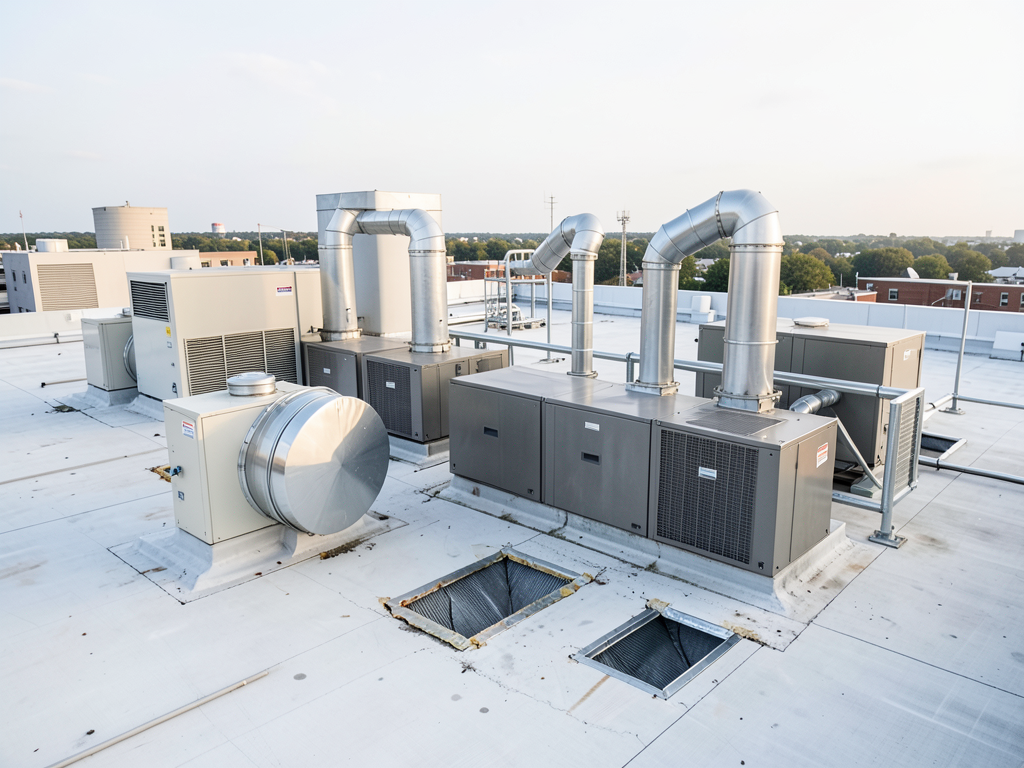
Commercial buildings in the Design District utilize various roof vent configurations depending on their original construction and current use. Understanding these systems helps diagnose leak sources accurately and recommend appropriate repair methods.
HVAC Roof Curbs support large rooftop units and require robust flashing systems to handle vibration and thermal movement. These penetrations typically use pitch pockets filled with sealant or prefabricated flashing kits designed for specific curb dimensions. The constant operation of HVAC equipment creates movement that breaks down traditional sealant over time.
Exhaust Stacks and Vent Pipes penetrate roofs at multiple locations in industrial buildings. These smaller penetrations often use lead or rubber boots that deteriorate from UV exposure and temperature cycling. Dallas’s intense summer heat accelerates rubber degradation, creating cracks that allow water infiltration during storms.
Mechanical Equipment Stands mount heavy machinery directly to roof decks and require custom flashing solutions. The weight creates stress points where water can pool and penetrate aging membranes. Proper drainage design prevents ponding that leads to premature flashing failure.
Specialty Ventilation Systems in converted showrooms may include skylights with integrated vents or decorative architectural elements that require custom flashing solutions. These unique features often need manufacturer-specific repair parts no longer in production.
Step-by-Step Process for Repairing Industrial Vent Leaks
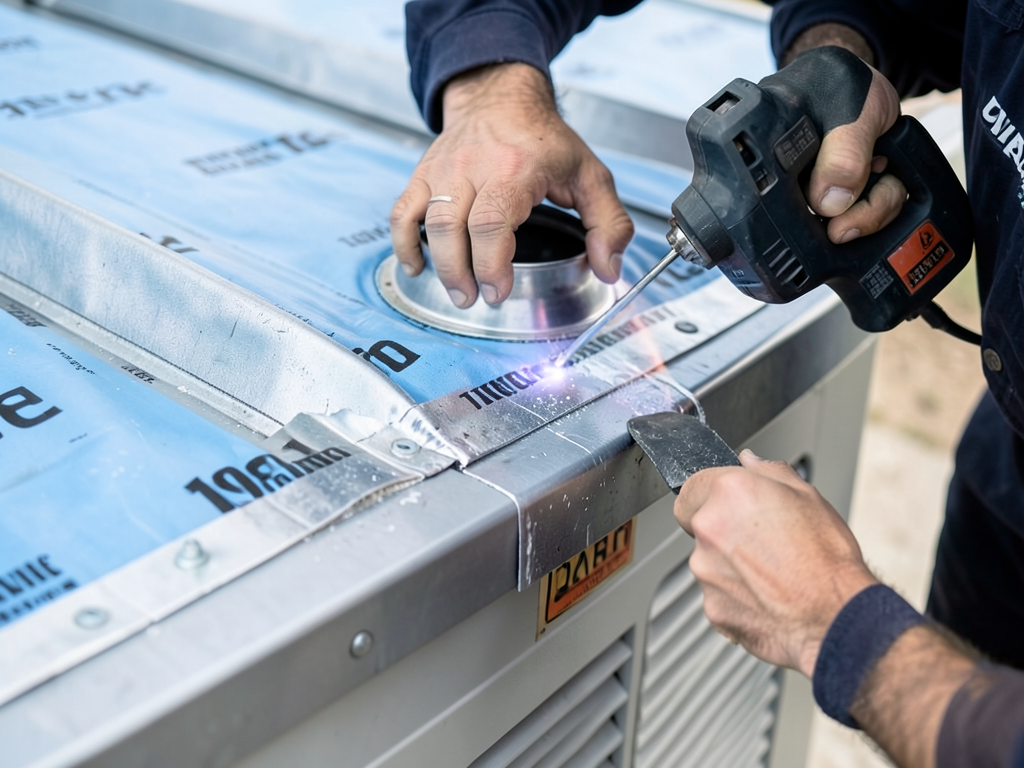
Effective vent leak repair follows a systematic approach that addresses both immediate damage and underlying causes. This process ensures long-lasting results that protect your investment.
Step 1: Comprehensive Leak Detection
- Conduct visual inspection of all roof penetrations during daylight hours
- Use moisture meters to identify water infiltration patterns
- Perform flood testing around suspect areas to confirm leak sources
- Document findings with photographs and moisture mapping
Step 2: Damage Assessment
- Evaluate structural integrity of roof decking around penetrations
- Check for mold or rot in underlying materials
- Assess condition of existing flashing and membrane systems
- Determine if code compliance upgrades are needed
Step 3: Preparation and Material Selection
- Clean and dry all repair areas thoroughly
- Select materials compatible with existing roofing system
- Choose flashing materials rated for Dallas climate conditions
- Prepare substrate according to manufacturer specifications
Step 4: Repair Implementation
- Remove damaged flashing and sealant completely
- Install new flashing following NRCA installation guidelines
- Apply compatible sealants at all joints and transitions
- Install counterflashing where required by code
Step 5: Quality Verification
- Conduct water testing to verify repair effectiveness
- Inspect all seams and joints for proper adhesion
- Document repair with photos and written reports
- Provide warranty documentation for completed work
Material Options for Industrial Vent Repairs in Dallas
Selecting appropriate materials for vent repairs requires understanding Dallas climate demands and building code requirements. Material compatibility with existing roofing systems ensures long-term performance. The Benefits of TPO Roofing Systems for Richardson Industrial Properties.
| Material Type | Best Applications | Durability Rating | Dallas Climate Suitability |
|---|---|---|---|
| Thermoplastic Polyolefin (TPO) | Flat roofs, heat resistance | 20-25 years | Excellent UV resistance |
| EPDM Rubber | Low-slope applications | 25-30 years | Good flexibility in heat |
| Modified Bitumen | High-traffic areas | 15-20 years | Moderate heat tolerance |
| Metal Flashing | Perimeter edges, curbs | 30-50 years | Excellent wind resistance |
| Silicone Sealants | Movement joints | 10-15 years | Superior UV stability |
TPO membranes dominate new construction in the Design District due to their energy efficiency and heat reflectivity. These white membranes reduce cooling costs by reflecting solar radiation away from buildings. When repairing TPO roofs, using compatible welding techniques and materials prevents premature failure at repair seams.
EPDM rubber remains popular for its durability and ease of repair. The black membrane absorbs heat but provides excellent waterproofing when properly installed. Dallas’s intense UV exposure requires UV-resistant coatings or EPDM formulations specifically designed for southern climates. Roofing Balch Springs.
Modified bitumen systems offer good performance in high-traffic areas but require more frequent maintenance than single-ply alternatives. The multiple-layer construction provides redundancy but also creates more potential leak points around penetrations.
Common Problems with Industrial Vent Flashing in Dallas
Understanding failure patterns helps prevent recurring leaks and extends repair intervals. Dallas’s climate creates unique challenges for industrial vent systems.
Thermal Movement Damage occurs when temperature swings cause roofing materials to expand and contract. Dallas experiences 40-50 degree temperature changes within 24 hours, stressing flashing connections. This movement breaks sealant bonds and creates gaps that allow water infiltration.
UV Degradation accelerates in Dallas’s high-altitude environment where UV radiation is more intense. Rubber components become brittle and crack, while plastic components warp and lose flexibility. Regular inspection identifies UV damage before leaks develop.
Wind-Driven Rain Penetration affects buildings near the Trinity River and Stemmons Freeway where wind patterns concentrate. High winds drive water horizontally under flashing and through small gaps. Proper counterflashing and sealant application prevents this type of infiltration.
Chemical Degradation occurs when exhaust fumes or industrial processes create corrosive atmospheres. Buildings housing printing operations, automotive services, or chemical processing require specialized materials resistant to chemical attack.
Ponding Water Issues develop when roof slopes settle or drains become clogged. Standing water accelerates flashing deterioration and creates hydrostatic pressure that forces water through even minor gaps. Proper drainage design prevents ponding problems.
Building Code Requirements for Commercial Roof Penetrations
Dallas Building Code Chapter 52 establishes specific requirements for commercial roof penetrations based on building height, occupancy type, and wind exposure. Compliance ensures both safety and performance.
Flashing Height Requirements mandate minimum vertical extensions based on building height and location. Buildings in the Design District must extend flashing at least 8 inches above the roof surface for single-story structures. Multi-story buildings require proportionally greater heights to prevent wind-driven rain infiltration.
Material Specifications require corrosion-resistant metals for flashing components in commercial applications. Aluminum, galvanized steel, and copper meet code requirements, while untreated steel corrodes prematurely in Dallas’s humid climate. The code also specifies minimum metal thicknesses for different applications.
Fastening Requirements dictate specific spacing and types of fasteners for different roofing systems. TPO and EPDM installations require specialized plates and fasteners designed to prevent membrane tearing. Improper fastening creates stress points that lead to premature failure.
Fire Safety Provisions require specific clearances and materials around vents for equipment that generates heat. Gas-fired HVAC units and commercial kitchens need additional protection to prevent fire spread through roof penetrations.
Energy Code Compliance affects insulation requirements around roof penetrations. Current codes mandate specific R-values for commercial buildings to reduce energy consumption. Proper insulation installation prevents condensation that leads to hidden moisture damage.
Preventative Maintenance Strategies for Industrial Roofs
Regular maintenance prevents most vent-related leaks and extends roof system life expectancy. A proactive approach saves money compared to emergency repairs.
Scheduled Inspections every six months identify developing problems before they cause damage. Spring inspections catch winter damage, while fall inspections prepare for severe weather season. Documented inspection reports track roof condition over time.
Sealant Replacement every 3-5 years prevents failures at critical joints. Silicone sealants provide the best UV resistance and flexibility for Dallas conditions. Remove old sealant completely before applying new material to ensure proper adhesion.
Drainage System Maintenance prevents ponding that accelerates flashing deterioration. Clean roof drains quarterly and inspect for proper slope during heavy rain events. Address any low spots that collect water through roof leveling or additional drains.
Equipment Vibration Checks prevent movement that breaks flashing seals. HVAC units and other rooftop equipment require periodic leveling and mounting bolt inspection. Install vibration isolation pads where appropriate to reduce movement stress.
Emergency Repair Kits allow quick response to minor damage before it becomes major. Keep compatible patching materials, sealants, and basic tools on-site for immediate repairs when damage occurs.
Emergency Response for Active Roof Leaks
When active leaks threaten business operations, immediate response prevents extensive damage. Understanding emergency procedures helps minimize losses.
Initial Damage Control
- Identify leak source using moisture detection tools
- Place containment barriers to protect inventory
- Document damage for insurance purposes
- Shut off affected equipment if safe to do so
Temporary Patching
- Apply emergency sealants compatible with existing roofing
- Install temporary roof tarps secured against high winds
- Use waterproof tape for quick repairs on clean, dry surfaces
- Monitor patched areas for continued leakage
Professional Repair Coordination
- Call (214) 204-2077 for 24/7 emergency service
- Provide detailed information about leak location and severity
- Arrange access for repair crews during business hours
- Coordinate with building management for safety compliance
Insurance Documentation
- Photograph all damage before repairs begin
- Keep receipts for emergency services
- Document business interruption costs
- Submit claims promptly with professional estimates
Cost Factors for Industrial Vent Repairs
Repair costs vary based on damage extent, roof system type, and building accessibility. Understanding cost drivers helps budget for necessary repairs.
Access Considerations affect labor costs significantly. Buildings with limited roof access require additional equipment and time. High-rise structures in the Design District may need cranes or specialized lifts for material transport.
Material Compatibility influences repair costs when matching existing roofing systems. Some manufacturers require proprietary materials and certified installers, increasing material costs but ensuring warranty compliance.
Code Compliance Upgrades may be necessary when repairing older buildings. Bringing flashing systems up to current code standards adds cost but prevents future problems and ensures insurance compliance.
Business Interruption costs extend beyond direct repair expenses. Planning repairs during off-hours or weekends minimizes revenue loss from operational disruption.
Warranty Considerations affect long-term costs. Quality repairs with manufacturer warranties cost more initially but prevent recurring expenses from failed repairs.
Frequently Asked Questions
How can I tell if my industrial vent is leaking?
Look for water stains on ceilings below roof penetrations, mold growth around vent bases, or damp insulation in attic spaces. During rain, check for active drips or moisture accumulation around vent boots and flashing.
How long do industrial vent repairs typically last?
Quality repairs using proper materials and techniques last 10-15 years in Dallas conditions. Factors affecting longevity include UV exposure, thermal movement, and maintenance frequency. Regular inspections can extend repair life significantly. Why a Pre-Storm Roof Inspection is Vital for Every Lake Highlands Homeowner.
Can I repair vent leaks myself?
Minor sealant repairs might be possible for building maintenance staff, but proper vent leak repair requires specialized knowledge of roofing systems and building codes. Improper repairs often cause more damage than they fix.
What’s the difference between a vent boot and flashing?
Vent boots are rubber or plastic seals that fit around individual pipes, while flashing consists of metal or membrane components that direct water away from larger penetrations like HVAC curbs. Both work together to prevent leaks.
How much does industrial vent repair cost in Dallas?
Costs range from $500 for simple sealant repairs to $5,000+ for complete flashing system replacements. Factors include roof accessibility, material requirements, and whether code compliance upgrades are needed. How Much a Full Roof Replacement Really Costs in the Dallas Area.
Industrial vent leaks in the Dallas Design District require prompt attention to prevent costly damage to valuable commercial properties. The unique combination of older industrial buildings and modern renovations creates specific challenges that demand experienced professionals. Understanding the causes of vent leaks, from thermal movement to UV degradation, helps property managers implement effective prevention strategies.
Regular maintenance, proper material selection, and code compliance ensure long-lasting repairs that protect your investment. When leaks occur, immediate response prevents extensive damage and business interruption. Professional inspection identifies both obvious and hidden problems that could lead to future failures.
Don’t let industrial vent leaks compromise your Design District property’s integrity. Call (214) 204-2077 today to schedule a comprehensive roof inspection or emergency repair service. Our experienced technicians understand the specific challenges of Dallas commercial roofing and provide solutions that last. Protect your investment with professional vent leak repair from Grand Roofing Dallas.
Service Area
We serve the entire Dallas Design District and surrounding commercial areas including Oak Lawn, Uptown, and the Stemmons Corridor. Our service radius extends throughout the 75207 zip code and nearby business districts where industrial vent systems require specialized attention.
Grand Roofing Dallas provides 24/7 emergency response for active leaks that threaten business operations. Our technicians arrive equipped with the tools and materials needed to address most vent leak problems immediately. We understand that commercial roofing issues can’t wait for regular business hours.
Quality workmanship backed by manufacturer warranties gives you peace of mind about your roof investment. We document all repairs with photos and written reports that satisfy insurance requirements and provide future reference for maintenance planning.
Call (214) 204-2077 now to protect your Design District property from costly vent leaks. Don’t wait until water damage becomes extensive and expensive to repair. Professional inspection today prevents emergency repairs tomorrow. For more information, visit National Roofing Contractors Association.
{
“@context”: “https://schema.org”,
“@type”: “BlogPosting”,
“headline”: “Fixing Common Roof Leaks Around Industrial Vents in the Dallas Design District”,
“description”: “Discover how to fix industrial vent roof leaks in Dallas Design District with proven methods for TPO, EPDM, and metal roofing systems. Call (214) 204-2077 for expert repair.”,
“wordCount”: 2307,
“datePublished”: “2026-04-19T11:03:00.000Z”,
“dateModified”: “2026-04-19T11:03:00.000Z”,
“inLanguage”: “en-US”,
“mainEntityOfPage”: {
“@type”: “WebPage”,
“@id”: “https://grandroofingdallas.com”
},
“publisher”: {
“@type”: “LocalBusiness”,
“name”: “Grand Roofing Dallas”,
“url”: “https://grandroofingdallas.com”
},
“author”: {
“@type”: “Organization”,
“name”: “Grand Roofing Dallas”,
“url”: “https://grandroofingdallas.com”
},
“image”: {
“@type”: “ImageObject”,
“url”: “https://grandroofingdallas.com/wp-content/uploads/2026/03/fixing-common-roof-leaks-around-industrial-vents-i-1.png”
}
}
{
“@context”: “https://schema.org”,
“@type”: “RoofingContractor”,
“name”: “Grand Roofing Dallas”,
“url”: “https://grandroofingdallas.com”,
“address”: {
“@type”: “PostalAddress”,
“addressLocality”: “Dallas”
},
“areaServed”: {
“@type”: “City”,
“name”: “Dallas”
}
}
{
“@context”: “https://schema.org”,
“@type”: “FAQPage”,
“mainEntity”: [
{
“@type”: “Question”,
“name”: “How can I tell if my industrial vent is leaking?”,
“acceptedAnswer”: {
“@type”: “Answer”,
“text”: “Look for water stains on ceilings below roof penetrations, mold growth around vent bases, or damp insulation in attic spaces. During rain, check for active drips or moisture accumulation around vent boots and flashing.”
}
},
{
“@type”: “Question”,
“name”: “How long do industrial vent repairs typically last?”,
“acceptedAnswer”: {
“@type”: “Answer”,
“text”: “Quality repairs using proper materials and techniques last 10-15 years in Dallas conditions. Factors affecting longevity include UV exposure, thermal movement, and maintenance frequency. Regular inspections can extend repair life significantly. Why a Pre-Storm Roof Inspection is Vital for Every Lake Highlands Homeowner.”
}
},
{
“@type”: “Question”,
“name”: “Can I repair vent leaks myself?”,
“acceptedAnswer”: {
“@type”: “Answer”,
“text”: “Minor sealant repairs might be possible for building maintenance staff, but proper vent leak repair requires specialized knowledge of roofing systems and building codes. Improper repairs often cause more damage than they fix.”
}
},
{
“@type”: “Question”,
“name”: “What’s the difference between a vent boot and flashing?”,
“acceptedAnswer”: {
“@type”: “Answer”,
“text”: “Vent boots are rubber or plastic seals that fit around individual pipes, while flashing consists of metal or membrane components that direct water away from larger penetrations like HVAC curbs. Both work together to prevent leaks.”
}
},
{
“@type”: “Question”,
“name”: “How much does industrial vent repair cost in Dallas?”,
“acceptedAnswer”: {
“@type”: “Answer”,
“text”: “Costs range from $500 for simple sealant repairs to $5,000+ for complete flashing system replacements. Factors include roof accessibility, material requirements, and whether code compliance upgrades are needed. How Much a Full Roof Replacement Really Costs in the Dallas Area.”
}
}
]
}
{
“@context”: “https://schema.org”,
“@type”: “BreadcrumbList”,
“itemListElement”: [
{
“@type”: “ListItem”,
“position”: 1,
“name”: “Home”,
“item”: “https://grandroofingdallas.com”
},
{
“@type”: “ListItem”,
“position”: 2,
“name”: “Blog”,
“item”: “https://grandroofingdallas.com/blog”
},
{
“@type”: “ListItem”,
“position”: 3,
“name”: “Fixing Common Roof Leaks Around Industrial Vents in the Dallas Design District”
}
]
}
{
“@context”: “https://schema.org”,
“@type”: “Service”,
“serviceType”: “Roofing”,
“provider”: {
“@type”: “LocalBusiness”,
“name”: “Grand Roofing Dallas”,
“url”: “https://grandroofingdallas.com”
},
“areaServed”: {
“@type”: “City”,
“name”: “Dallas”
},
“description”: “Discover how to fix industrial vent roof leaks in Dallas Design District with proven methods for TPO, EPDM, and metal roofing systems. Call (214) 204-2077 for expert repair.”
}