
Why Foundation Issues in White Rock Lake Homes Often Cause Roof Leaks
Living near White Rock Lake means enjoying beautiful views and a vibrant community, but it also means dealing with North Texas’s notorious expansive clay soil. This soil expands when wet and contracts when dry, causing your home’s foundation to shift. That shifting creates stress throughout your entire structure, and your roof often shows the first visible signs of trouble. Understanding this connection can save you thousands in repair costs and prevent major structural damage.
Foundation movement near White Rock Lake typically causes roof damage through a process called racking. As the foundation shifts, the entire frame of your home moves out of square. This puts pressure on roof trusses, separates flashing at critical joints, and creates stress points that lead to leaks. The problem is especially severe in homes built on slab foundations common throughout Dallas’s older neighborhoods.
How Foundation Movement Destroys Your Roof’s Integrity
When your foundation settles unevenly, it pulls your walls out of alignment. This misalignment transfers directly to your roof structure. Rafters and trusses that were perfectly engineered to support specific loads suddenly bear uneven stress. The ridge beam may sag on one end while the opposite side pushes upward. This creates gaps where flashing should seal and puts pressure on shingles that weren’t designed to flex in these directions.
The most common failure point is at the roof’s perimeter where it meets exterior walls. As the foundation drops on one side, the roof deck separates from the wall. This separation breaks the seal around chimneys, vents, and skylights. Water that would normally shed away finds new paths into your attic through these gaps.
Another critical area is the roof’s valleys where two slopes meet. Foundation movement can cause these valleys to shift, creating low spots where water pools instead of draining. Pooling water eventually finds its way through even the smallest imperfections in your roofing materials. The Benefits of TPO Roofing Systems for Richardson Industrial Properties.
5 Tell-Tale Signs of Foundation-Related Roof Damage
Distinguishing between normal roof wear and foundation-caused damage requires knowing what to look for. Here are the five most reliable indicators that your roof problems stem from foundation issues: Choosing Between the Most Trusted Roofing Companies in the Dallas Metroplex.
- Diagonal cracks in interior walls – These cracks typically start at door frames or window corners and extend upward at 45-degree angles. They indicate the frame is being pulled apart by foundation movement.
- Separated flashing around chimneys and vents – Look for gaps where metal flashing meets brick or siding. Foundation settling creates separation that breaks waterproof seals.
- Gaps between crown molding and ceiling – As walls shift, decorative trim separates from both the wall and ceiling, creating visible gaps that widen over time.
- Doors and windows that stick or won’t close – Frame distortion from foundation movement affects how doors and windows operate throughout your home.
- Water stains on ceilings away from plumbing fixtures – When roof leaks appear in patterns that don’t follow plumbing lines, foundation-caused separation is often the culprit.
The key diagnostic test involves checking if these symptoms appear throughout your home or are isolated to one area. Foundation-related damage shows up consistently across multiple rooms and stories.
The Dallas Factor: Why North Texas Clay Soil is Your Roof’s Worst Enemy
Dallas sits on the Blackland Prairie, an area characterized by deep, expansive clay soils. These clays can absorb up to 20% of their volume in water, then shrink dramatically during dry periods. This cycle repeats continuously, putting enormous pressure on your foundation.
Near White Rock Lake, the problem intensifies. The lake’s proximity means higher moisture levels in surrounding soil, but the area still experiences the same extreme wet-dry cycles as the rest of Dallas. Homes in the 75214 and 75218 zip codes often show more severe foundation movement than properties just a few miles away.
The Texas Department of Licensing and Regulation requires foundation repair companies to follow specific engineering standards when addressing expansive soil issues. These standards recognize that foundation movement affects every structural component, including your roof. However, many roofing contractors don’t coordinate with foundation specialists, leading to incomplete repairs. Roofing Balch Springs.
Climate plays a major role too. Dallas experiences temperature swings of 30-40 degrees in a single day, causing materials to expand and contract at different rates. This thermal cycling accelerates the damage caused by foundation movement, especially in homes with older roofing materials.
The ‘Hidden’ Damage: Stress on Rafters, Trusses, and Separated Flashing
The most dangerous foundation-related roof damage often hides from view. Roof trusses are designed with specific camber to handle expected loads. When foundation movement forces these trusses out of their engineered position, stress concentrates at connection points.
Look for these warning signs during attic inspections:
- Split or cracked truss members where they connect to exterior walls
- Nails backing out of truss plates
- Shifted or separated plywood sheathing panels
- Water stains on rafters that indicate active leaks
Flashing separation represents another major failure point. Counter-flashing, which seals the joint between roof and vertical surfaces, relies on a tight fit to prevent water intrusion. Foundation movement breaks this fit, allowing water to penetrate behind the flashing.
The chimney area deserves special attention. Chimney crickets, the small peaked structures that divert water around chimneys, can become misaligned with foundation movement. This misalignment creates water traps that accelerate deterioration of both the roof and chimney structure.
Action Plan: Should You Call a Roofer or a Foundation Repair Specialist First?
This is the most common question homeowners ask, and the answer depends on your specific situation. Here’s a practical decision framework:
| Symptom | Foundation Priority | Roof Priority | Who to Call First |
|---|---|---|---|
| Active leaks during rain | Low | High | Roofing Contractor |
| Diagonal wall cracks + ceiling stains | High | Medium | Foundation Specialist |
| Doors/windows sticking + roof age 15+ years | High | Medium | Foundation Specialist |
| Recent foundation repair + new leaks | Low | High | Roofing Contractor |
| Multiple symptoms across home | High | High | Both simultaneously |
The critical factor is timing. Foundation repairs stabilize your home’s structure but often require roof adjustments afterward. Roof repairs without addressing foundation issues typically fail within 2-3 years as the underlying movement continues.
Professional coordination matters. A structural engineer can assess both foundation and roof systems, then recommend the optimal repair sequence. This approach prevents the common mistake of fixing the roof first, only to have foundation movement destroy the new work.
Seasonal Advice: Dallas Droughts and Foundation-Roof Stress Cycles
Dallas’s climate creates predictable stress cycles that affect foundation-roof connections. Summer droughts cause soil to shrink away from foundations, creating gaps that allow further movement during the next rain. This cycle accelerates damage to your roof.
During drought periods, monitor these areas:
- Soil separation from foundation edges
- Increased sticking of doors and windows
- Visible gaps around exterior trim
- Changes in roof line straightness
After heavy rains, check for:
- New water stains on ceilings
- Separated flashing that wasn’t visible before
- Changes in door and window operation
- Visible sagging in roof sections
The National Weather Service reports that Dallas receives most of its annual rainfall during intense spring storms. These concentrated precipitation events cause rapid soil expansion that can shift foundations significantly in just 24-48 hours. National Weather Service.
Insurance Coverage for Foundation-Related Roof Damage
Most homeowners insurance policies exclude foundation damage caused by soil movement, considering it a maintenance issue rather than a sudden peril. However, damage to other structures caused by foundation movement may be covered if it results from a covered event.
The key distinction is between gradual and sudden damage. Foundation movement is almost always considered gradual, but if a sudden event like a broken pipe causes soil erosion that damages your foundation and roof, you might have coverage.
Document everything. Take photos of:
- Interior cracks as they develop
- Separated flashing and roof details
- Exterior gaps and misalignments
- Water damage patterns
Professional assessments from both a structural engineer and a licensed roofing contractor strengthen your claim. Insurance adjusters look for evidence of sudden damage versus long-term deterioration.
Professional Structural Engineer Inspections
A structural engineer brings expertise that neither roofers nor foundation specialists typically possess. They understand how all building systems interact and can identify the root cause of your problems.
During an inspection, engineers use tools like:
- Laser levels to measure foundation and roof alignment
- Moisture meters to detect hidden water damage
- Thermal imaging to find temperature variations indicating structural issues
- Load calculations to assess structural integrity
The American Society of Civil Engineers (ASCE) provides standards for residential structural inspections. Engineers following these standards provide documentation that insurance companies and contractors trust. American Society of Civil Engineers.
Expect to pay $400-800 for a comprehensive inspection, but this investment often saves thousands by identifying the correct repair approach the first time. Why a Pre-Storm Roof Inspection is Vital for Every Lake Highlands Homeowner.
Prevention and Maintenance Strategies
While you can’t control Dallas’s soil or weather, you can minimize their impact on your home. Consistent moisture levels around your foundation reduce the extreme expansion and contraction that causes damage.
Effective prevention strategies include:
- Installing soaker hoses around foundation perimeter during dry periods
- Maintaining proper drainage away from your home
- Cleaning gutters and downspouts regularly
- Checking roof twice yearly for early signs of separation
Roof maintenance becomes even more critical when foundation issues exist. Regular inspections catch separation and damage before they become major leaks. Clean flashing and sealed joints prevent water from exploiting foundation-caused gaps.
Consider these seasonal maintenance tasks:
- Spring: Check for winter damage and prepare for storm season
- Summer: Monitor for drought-related foundation movement
- Fall: Clean gutters and inspect flashing before winter rains
- Winter: Check for ice dam formation and interior leaks
Professional roof inspections every two years cost $150-300 but often identify problems when they’re still minor repairs rather than major replacements. How Much a Full Roof Replacement Really Costs in the Dallas Area.
Cost Considerations and Repair Sequencing
Repair costs vary dramatically based on whether you address foundation issues first or focus solely on roof repairs. Foundation stabilization typically costs $3,000-15,000 depending on severity and home size. Roof repairs following foundation work add $2,000-8,000.
Doing roof work first without foundation repair often leads to:
- Failed repairs within 2-3 years
- Voided warranties from manufacturers
- Additional damage to new roofing materials
- Higher overall repair costs
The most cost-effective approach addresses foundation movement first, then repairs roof damage. This sequence prevents throwing money at symptoms while the underlying cause continues to damage your home.
Financing options exist for both foundation and roof repairs. Many foundation repair companies offer payment plans, and some roofing contractors partner with financing companies for larger projects.
Why Timing Matters: The Cost of Delay
Foundation-related roof damage follows a predictable progression. Small separations become larger gaps. Minor leaks become major water intrusion. What starts as a $500 repair can escalate to a $15,000 replacement if ignored.
The acceleration factor is significant. A separation that allows a small leak today can expand to allow gallons of water during the next heavy storm. This water damages insulation, creates mold growth, and weakens structural components.
Consider this timeline:
- Month 1-6: Minor separation, small leaks during heavy rain
- Month 7-12: Water damage to attic insulation and drywall
- Year 2: Mold growth in attic and wall cavities
- Year 3-5: Structural damage to rafters and trusses
- Year 5+: Complete roof failure requiring replacement
Early intervention always costs less than emergency repairs after major damage occurs.
Frequently Asked Questions
How can I tell if my roof leaks are caused by foundation issues rather than normal wear?
Foundation-related leaks typically appear as diagonal cracks in walls, separated flashing around chimneys and vents, and water stains on ceilings away from plumbing fixtures. The damage appears consistently throughout your home rather than isolated to one area. Doors and windows that stick or won’t close properly often accompany foundation-caused roof problems.
Should I fix my roof or foundation first when both need repair?
Address foundation issues first, then repair roof damage. Foundation movement will continue to stress your roof structure until stabilized. Roof repairs without foundation stabilization typically fail within 2-3 years as the underlying movement continues. A structural engineer can help determine the optimal repair sequence.
Does homeowners insurance cover foundation-related roof damage?
Most policies exclude foundation damage from soil movement but may cover damage to other structures caused by foundation movement if it results from a covered event. Gradual foundation settling is typically not covered, but sudden damage from events like broken pipes might be. Document everything and get professional assessments.
How much does it cost to repair foundation-related roof damage?
Costs vary widely based on severity. Foundation stabilization typically runs $3,000-15,000, while roof repairs following foundation work add $2,000-8,000. Addressing both issues together often costs less than doing roof work first, then having to redo it after foundation repairs. Early intervention always costs less than emergency repairs.
Can I prevent foundation movement from damaging my roof?
While you can’t control soil or weather, you can minimize impact through consistent moisture levels around your foundation, proper drainage, regular roof maintenance, and twice-yearly professional inspections. Installing soaker hoses during dry periods and cleaning gutters regularly helps prevent the extreme expansion and contraction that causes damage.

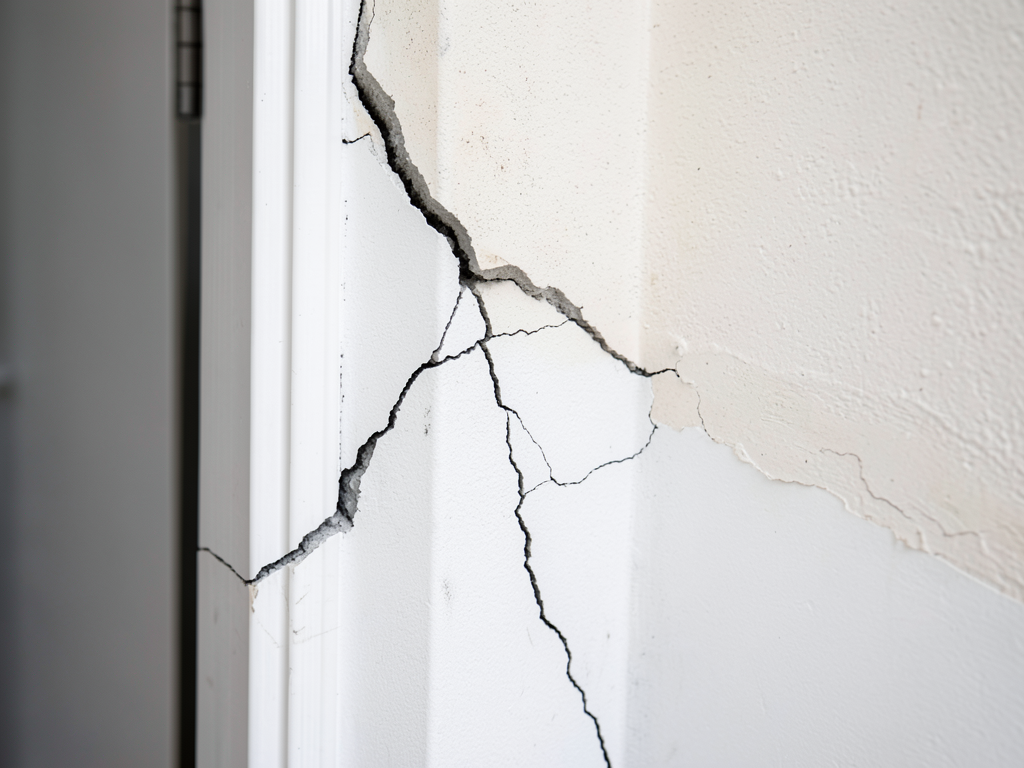
Foundation issues and roof damage create a destructive cycle that worsens over time. The expansive clay soil common in White Rock Lake area homes puts constant stress on your foundation, which transfers to your roof structure. Understanding this connection helps you identify problems early and choose the right repair approach.
Don’t wait for major leaks or structural damage to appear. If you notice diagonal wall cracks, separated flashing, or doors that stick, foundation-related roof damage may already be developing. Early intervention prevents costly emergency repairs and protects your home’s value.
Call (214) 204-2077 today to schedule your comprehensive roof and foundation inspection. Our experienced team understands the unique challenges Dallas homeowners face and provides solutions that address both symptoms and underlying causes. Don’t let foundation movement destroy your roof – take action now before small problems become major expenses.
{
“@context”: “https://schema.org”,
“@type”: “BlogPosting”,
“headline”: “Why Foundation Issues in White Rock Lake Homes Often Cause Roof Leaks”,
“description”: “Discover how Dallas’s expansive clay soil affects your foundation and roof. Learn the warning signs and why timing matters for repairs in White Rock Lake area homes.”,
“wordCount”: 2341,
“datePublished”: “2026-04-08T09:06:00.000Z”,
“dateModified”: “2026-04-08T09:06:00.000Z”,
“inLanguage”: “en-US”,
“mainEntityOfPage”: {
“@type”: “WebPage”,
“@id”: “https://grandroofingdallas.com”
},
“publisher”: {
“@type”: “LocalBusiness”,
“name”: “Grand Roofing Dallas”,
“url”: “https://grandroofingdallas.com”
},
“author”: {
“@type”: “Organization”,
“name”: “Grand Roofing Dallas”,
“url”: “https://grandroofingdallas.com”
},
“image”: {
“@type”: “ImageObject”,
“url”: “https://grandroofingdallas.com/wp-content/uploads/2026/03/why-foundation-issues-in-white-rock-lake-homes-oft-1.png”
}
}
{
“@context”: “https://schema.org”,
“@type”: “RoofingContractor”,
“name”: “Grand Roofing Dallas”,
“url”: “https://grandroofingdallas.com”,
“address”: {
“@type”: “PostalAddress”,
“addressLocality”: “Dallas”
},
“areaServed”: {
“@type”: “City”,
“name”: “Dallas”
}
}
{
“@context”: “https://schema.org”,
“@type”: “FAQPage”,
“mainEntity”: [
{
“@type”: “Question”,
“name”: “Action Plan: Should You Call a Roofer or a Foundation Repair Specialist First?”,
“acceptedAnswer”: {
“@type”: “Answer”,
“text”: “This is the most common question homeowners ask, and the answer depends on your specific situation. Here’s a practical decision framework:”
}
},
{
“@type”: “Question”,
“name”: “How can I tell if my roof leaks are caused by foundation issues rather than normal wear?”,
“acceptedAnswer”: {
“@type”: “Answer”,
“text”: “Foundation-related leaks typically appear as diagonal cracks in walls, separated flashing around chimneys and vents, and water stains on ceilings away from plumbing fixtures. The damage appears consistently throughout your home rather than isolated to one area. Doors and windows that stick or won’t close properly often accompany foundation-caused roof problems.”
}
},
{
“@type”: “Question”,
“name”: “Should I fix my roof or foundation first when both need repair?”,
“acceptedAnswer”: {
“@type”: “Answer”,
“text”: “Address foundation issues first, then repair roof damage. Foundation movement will continue to stress your roof structure until stabilized. Roof repairs without foundation stabilization typically fail within 2-3 years as the underlying movement continues. A structural engineer can help determine the optimal repair sequence.”
}
},
{
“@type”: “Question”,
“name”: “Does homeowners insurance cover foundation-related roof damage?”,
“acceptedAnswer”: {
“@type”: “Answer”,
“text”: “Most policies exclude foundation damage from soil movement but may cover damage to other structures caused by foundation movement if it results from a covered event. Gradual foundation settling is typically not covered, but sudden damage from events like broken pipes might be. Document everything and get professional assessments.”
}
},
{
“@type”: “Question”,
“name”: “How much does it cost to repair foundation-related roof damage?”,
“acceptedAnswer”: {
“@type”: “Answer”,
“text”: “Costs vary widely based on severity. Foundation stabilization typically runs $3,000-15,000, while roof repairs following foundation work add $2,000-8,000. Addressing both issues together often costs less than doing roof work first, then having to redo it after foundation repairs. Early intervention always costs less than emergency repairs.”
}
},
{
“@type”: “Question”,
“name”: “Can I prevent foundation movement from damaging my roof?”,
“acceptedAnswer”: {
“@type”: “Answer”,
“text”: “While you can’t control soil or weather, you can minimize impact through consistent moisture levels around your foundation, proper drainage, regular roof maintenance, and twice-yearly professional inspections. Installing soaker hoses during dry periods and cleaning gutters regularly helps prevent the extreme expansion and contraction that causes damage.”
}
}
]
}
{
“@context”: “https://schema.org”,
“@type”: “BreadcrumbList”,
“itemListElement”: [
{
“@type”: “ListItem”,
“position”: 1,
“name”: “Home”,
“item”: “https://grandroofingdallas.com”
},
{
“@type”: “ListItem”,
“position”: 2,
“name”: “Blog”,
“item”: “https://grandroofingdallas.com/blog”
},
{
“@type”: “ListItem”,
“position”: 3,
“name”: “Why Foundation Issues in White Rock Lake Homes Often Cause Roof Leaks”
}
]
}
{
“@context”: “https://schema.org”,
“@type”: “Service”,
“serviceType”: “Roofing”,
“provider”: {
“@type”: “LocalBusiness”,
“name”: “Grand Roofing Dallas”,
“url”: “https://grandroofingdallas.com”
},
“areaServed”: {
“@type”: “City”,
“name”: “Dallas”
},
“description”: “Discover how Dallas’s expansive clay soil affects your foundation and roof. Learn the warning signs and why timing matters for repairs in White Rock Lake area homes.”
}