
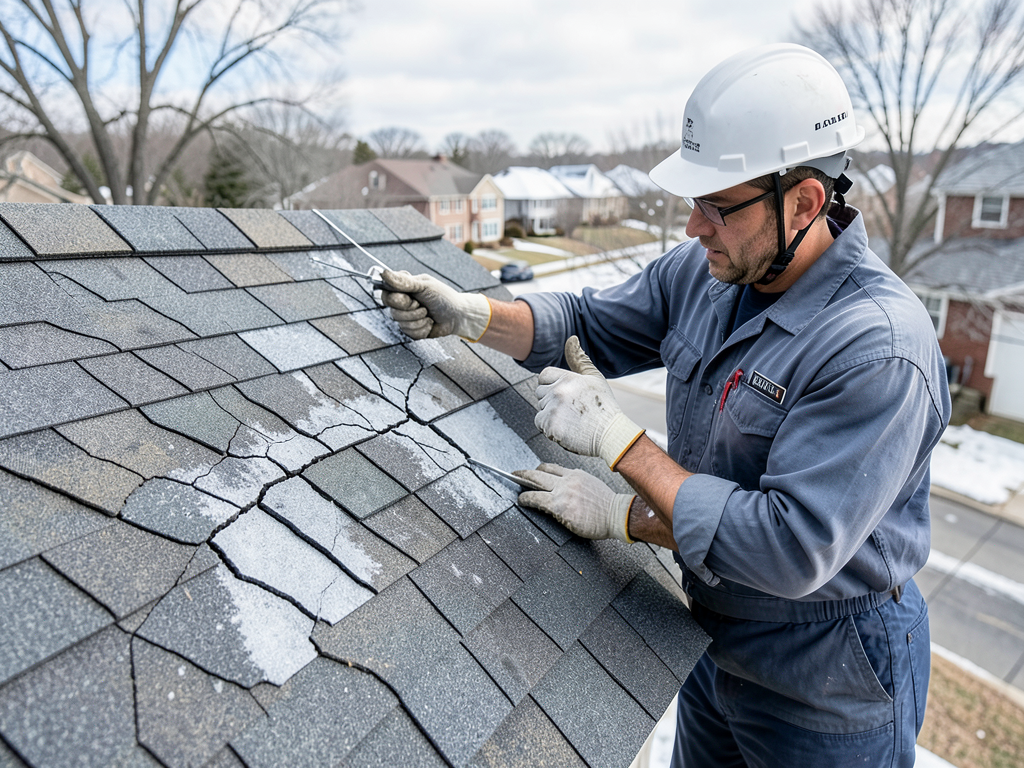
How the Texas Freeze Affected Different Types of Dallas Roofing Materials
The Texas Freeze of 2021 exposed vulnerabilities in Dallas roofing systems that many homeowners never anticipated. Rapid temperature swings from 70°F to below freezing in 24 hours caused thermal shock to common materials like asphalt shingles and clay tiles. Understanding these material-specific reactions is critical for preventing costly winter damage in future freeze events. Texas Department of Insurance.
Why Dallas Winters are Uniquely Harsh on Your Roof
Dallas experiences volatile weather patterns unlike traditional cold climates. North Texas sees frequent 30-40°F temperature swings within a single day during winter months. These rapid changes cause materials to expand and contract repeatedly, creating stress points at seams, flashing, and fasteners. The freeze-thaw cycle also amplifies existing vulnerabilities in aging roofing systems. The Benefits of TPO Roofing Systems for Richardson Industrial Properties.
5 Common Types of Cold Weather Damage for North Texas Homes
1. Ice Damming and Gutter Failure
Ice dams form when heat escaping through attic spaces melts snow on the roof surface. Water flows to cold eaves and refreezes, creating barriers that trap additional meltwater. In Dallas, these dams often form on north-facing slopes where sunlight exposure is minimal. The trapped water backs up under shingles, causing leaks that appear as ceiling stains inside.. Read more about Comparing Architectural Shingles and Traditional 3-Tab for Your Grand Prairie Rental Property.
Ice weight also damages gutters. Dallas homes with 5-inch K-style aluminum gutters can support approximately 800 pounds of ice before structural failure occurs. Many homes experience gutter detachment or bending when ice accumulation exceeds this threshold during extended freezes.
2. Thermal Shock and Shingle Contraction
Asphalt shingles installed in Dallas are rated for temperatures between 140°F and 20°F. However, rapid cooling below 32°F causes contraction that exceeds the material’s designed tolerance. This creates stress fractures along the shingle’s fiberglass mat. You can identify thermal shock damage by looking for diagonal cracking patterns that follow the shingle’s internal structure. Choosing Between the Most Trusted Roofing Companies in the Dallas Metroplex.
During the 2021 freeze, many Dallas homes experienced temperatures dropping from 75°F to 15°F in under 12 hours. This extreme swing caused widespread thermal shock damage to 15-20 year old shingles that had already lost flexibility through UV exposure.
3. Brittle Shingles and Wind Damage
Cold temperatures make asphalt shingles significantly more brittle. At 20°F, standard three-tab shingles lose approximately 70% of their flexibility compared to 70°F. This brittleness makes them susceptible to wind uplift and impact damage from falling ice or tree limbs. Dallas often experiences winter wind gusts of 40-50 mph that compound this vulnerability.. Read more about Why Modified Bitumen is Often Better Than TPO for Small Business Roofs in Trinity Groves.
Inspect your roof for missing shingle tabs or exposed nail heads. These indicate areas where thermal contraction has pulled materials apart at fastener points.
4. Flashing and Sealant Failure
Roof penetrations around chimneys, vents, and skylights rely on metal flashing and rubber seals. Cold temperatures cause metal to contract more than the surrounding roofing material, creating gaps. Rubber seals become rigid and crack instead of flexing with building movement. Water infiltration through these gaps often goes unnoticed until interior damage appears. Deciding if a Metal Roof is the Right Choice for Your North Dallas Home.
5. Flat Roof Membrane Issues
Commercial buildings with EPDM or TPO membranes face unique challenges. These materials become increasingly rigid below 40°F. The contraction creates stress at seams and around rooftop equipment. Dallas flat roofs often develop bubbling or separation at expansion joints during freeze events.
How to Spot Roof Damage from the Ground (Internal vs. External)
External signs of freeze damage include missing or cracked shingles, ice accumulation in gutters, and visible sagging in flat roof areas. Look for dark streaks on shingles, which indicate algae growth in areas where ice dams prevented proper drainage.
Internal signs are often more obvious. Check ceilings for water stains, particularly in corners and along exterior walls. Attic inspections may reveal wet insulation, frost accumulation on rafters, or daylight visible through roof sheathing gaps. Why a Pre-Storm Roof Inspection is Vital for Every Lake Highlands Homeowner.
The Role of Attic Ventilation in Winter Roof Preservation
Proper attic ventilation prevents ice dam formation by maintaining uniform roof temperatures. The International Residential Code requires 1 square foot of net free ventilation area for every 150 square feet of attic space. In Dallas, this ventilation must handle both summer heat and winter moisture. International Residential Code.
Blocked soffit vents are a common issue. Dallas homes often have attic insulation covering intake vents, preventing cold air circulation. This creates hot spots that melt snow unevenly, accelerating ice dam formation.
When to Call a Dallas Professional vs. DIY Inspection
DIY inspections are safe for ground-level observations using binoculars. However, walking on a roof during freezing conditions creates serious safety hazards. The surface becomes extremely slippery, and brittle materials may crack under foot traffic.
Call a professional if you notice interior water stains, missing shingles, or sagging roof sections. Dallas roofing contractors use thermal imaging cameras to detect moisture beneath surface materials without causing additional damage. Roofing Balch Springs.
Navigating Insurance Claims for Winter Storm Damage in Texas
Texas Department of Insurance regulations require insurers to respond to claims within 15 business days. Document damage with photos and videos before making temporary repairs. Keep receipts for emergency services like tarping.
Most Dallas homeowners policies cover freeze damage under windstorm or hail provisions. However, damage from ice weight or water backup may require separate endorsements. Review your policy’s specific exclusions before filing claims.
Material Comparison: How Different Roofing Types Handle Dallas Freezes
| Material Type | Freeze Performance | Common Dallas Issues | Repair Cost Range |
|---|---|---|---|
| Asphalt Shingles | Moderate | Cracking, granule loss | $300-$800 per square |
| Concrete Tile | Good | Freeze-thaw spalling | $500-$1,200 per square |
| Metal Roofing | Excellent | Thermal movement noise | $400-$900 per square |
| Wood Shakes | Poor | Splitting, rot | $600-$1,500 per square |
Preventing Future Freeze Damage in Dallas
Install heat cables along eaves and in valleys to prevent ice dam formation. These low-voltage systems activate when temperatures drop below 38°F. Dallas homes in zip codes 75230, 75225, and 75214 have seen significant reduction in winter damage after installation.
Upgrade attic insulation to R-38 minimum per Dallas building codes. This prevents heat loss that causes uneven snow melt. Many North Dallas homes built before 2000 have only R-19 insulation, creating ideal conditions for ice dam formation.. Read more about Why Your Red Oak Home Might Need a Ridge Vent Upgrade Instead of More Attic Fans.
Schedule professional roof inspections each fall before freeze season. Dallas roofing contractors can identify and repair vulnerabilities like loose flashing, damaged seals, or compromised underlayment before winter weather arrives.
Emergency Response: What to Do When Freeze Damage Occurs
- Contain interior water damage with buckets and tarps
- Document all damage with photos before repairs
- Apply temporary tarps to prevent further water intrusion
- Contact your insurance provider within 24 hours
- Schedule professional repairs within 72 hours to prevent mold growth
Quick response prevents secondary damage. Mold can begin growing within 24-48 hours of water exposure in Dallas’s humid climate.
Frequently Asked Questions
How long does freeze damage typically take to appear?
Freeze damage often becomes visible within 24-72 hours as ice melts and water finds pathways through compromised materials. However, some damage like thermal shock cracking may not show symptoms until the next warm day when materials expand.
Can I walk on my roof to inspect for freeze damage?
Walking on a roof during freezing conditions is extremely dangerous and can cause additional damage to brittle materials. Use binoculars from the ground or hire a professional with proper safety equipment and experience.
Does homeowners insurance cover freeze damage in Dallas?
Most policies cover freeze damage under windstorm or hail provisions, but coverage varies by carrier. Damage from ice weight or water backup may require additional endorsements. Document damage thoroughly and file claims promptly.
How often should Dallas homes be inspected for freeze vulnerability?
Schedule professional inspections annually in late fall before freeze season. Additionally, inspect after any major temperature swings exceeding 30°F in 24 hours or after ice storms.
[IMAGE_PLACEHOVER_1]
Image description: Close-up diagnostic photo showing diagonal thermal shock cracking pattern in asphalt shingles following rapid temperature drop below freezing.
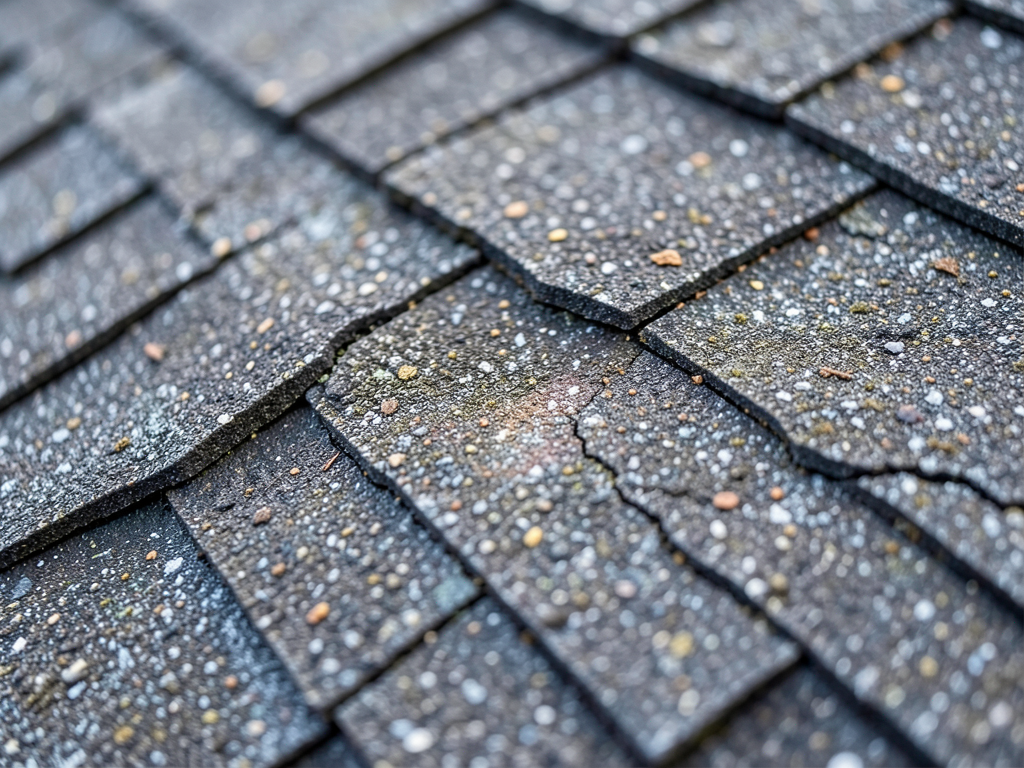
Image description: Technician using thermal imaging camera to detect moisture beneath roof surface during post-freeze inspection in North Dallas neighborhood.
Image description: Before and after comparison of ice dam damage showing water-stained ceiling and repaired roof section in Richardson home.
Protect Your Dallas Home Before the Next Freeze
Don’t wait for the next Texas freeze to discover your roof’s vulnerabilities. A professional inspection can identify weak points before winter weather causes expensive damage. Our team understands the unique challenges Dallas roofing materials face during rapid temperature swings.
Call (214) 204-2077 today to schedule your comprehensive freeze damage inspection. We’ll evaluate your roof’s current condition and recommend preventive measures to protect your home through future winter storms.
Pick up the phone and call (214) 204-2077 before the next storm hits. Early detection and repair can save thousands in water damage and prevent the stress of emergency repairs during freezing conditions.
You may also find this helpful. The Real Difference Between Standing Seam and Screw-Down Metal Roofs.
{
“@context”: “https://schema.org”,
“@type”: “BlogPosting”,
“headline”: “How the Texas Freeze Affected Different Types of Dallas Roofing Materials”,
“description”: “Learn how Dallas roofing materials reacted to extreme cold. Discover ice dam risks, thermal shock effects, and material-specific vulnerabilities in North Texas winters.”,
“wordCount”: 1478,
“datePublished”: “2026-04-12T13:44:00.000Z”,
“dateModified”: “2026-04-12T13:44:00.000Z”,
“inLanguage”: “en-US”,
“mainEntityOfPage”: {
“@type”: “WebPage”,
“@id”: “https://grandroofingdallas.com”
},
“publisher”: {
“@type”: “LocalBusiness”,
“name”: “Grand Roofing Dallas”,
“url”: “https://grandroofingdallas.com”
},
“author”: {
“@type”: “Organization”,
“name”: “Grand Roofing Dallas”,
“url”: “https://grandroofingdallas.com”
},
“image”: {
“@type”: “ImageObject”,
“url”: “https://grandroofingdallas.com/wp-content/uploads/2026/03/how-the-texas-freeze-affected-different-types-of-d-1.png”
}
}
{
“@context”: “https://schema.org”,
“@type”: “RoofingContractor”,
“name”: “Grand Roofing Dallas”,
“url”: “https://grandroofingdallas.com”,
“address”: {
“@type”: “PostalAddress”,
“addressLocality”: “Dallas”
},
“areaServed”: {
“@type”: “City”,
“name”: “Dallas”
}
}
{
“@context”: “https://schema.org”,
“@type”: “FAQPage”,
“mainEntity”: [
{
“@type”: “Question”,
“name”: “How long does freeze damage typically take to appear?”,
“acceptedAnswer”: {
“@type”: “Answer”,
“text”: “Freeze damage often becomes visible within 24-72 hours as ice melts and water finds pathways through compromised materials. However, some damage like thermal shock cracking may not show symptoms until the next warm day when materials expand.”
}
},
{
“@type”: “Question”,
“name”: “Can I walk on my roof to inspect for freeze damage?”,
“acceptedAnswer”: {
“@type”: “Answer”,
“text”: “Walking on a roof during freezing conditions is extremely dangerous and can cause additional damage to brittle materials. Use binoculars from the ground or hire a professional with proper safety equipment and experience.”
}
},
{
“@type”: “Question”,
“name”: “Does homeowners insurance cover freeze damage in Dallas?”,
“acceptedAnswer”: {
“@type”: “Answer”,
“text”: “Most policies cover freeze damage under windstorm or hail provisions, but coverage varies by carrier. Damage from ice weight or water backup may require additional endorsements. Document damage thoroughly and file claims promptly.”
}
}
]
}
{
“@context”: “https://schema.org”,
“@type”: “BreadcrumbList”,
“itemListElement”: [
{
“@type”: “ListItem”,
“position”: 1,
“name”: “Home”,
“item”: “https://grandroofingdallas.com”
},
{
“@type”: “ListItem”,
“position”: 2,
“name”: “Blog”,
“item”: “https://grandroofingdallas.com/blog”
},
{
“@type”: “ListItem”,
“position”: 3,
“name”: “How the Texas Freeze Affected Different Types of Dallas Roofing Materials”
}
]
}
{
“@context”: “https://schema.org”,
“@type”: “Service”,
“serviceType”: “Roofing”,
“provider”: {
“@type”: “LocalBusiness”,
“name”: “Grand Roofing Dallas”,
“url”: “https://grandroofingdallas.com”
},
“areaServed”: {
“@type”: “City”,
“name”: “Dallas”
},
“description”: “Learn how Dallas roofing materials reacted to extreme cold. Discover ice dam risks, thermal shock effects, and material-specific vulnerabilities in North Texas winters.”
}