
Why O’Hagin Vents are a Sleeker Alternative to Whirlybirds for Fair Park Bungalows
Fair Park homeowners love their historic bungalows but hate the clunky look of traditional roof turbines. Those spinning whirlybirds not only stick out like sore thumbs on vintage roofs but also create noise and maintenance headaches. O’Hagin vents offer a low-profile alternative that maintains your home’s curb appeal while delivering superior attic ventilation for Dallas’s brutal summer heat. Dallas Building Code Chapter 52.
These sleek static vents blend seamlessly with your roofline and eliminate the moving parts that turbines rely on. No more squeaking bearings or dented aluminum after a North Texas hail storm. For Fair Park’s charming historic homes O’Hagin vents provide the ventilation you need without sacrificing the architectural character that makes your neighborhood special. North Central Texas Council of Governments.

The Importance of Proper Attic Ventilation in Dallas Heat
Dallas summers push attic temperatures above 150°F cooking your shingles from below and forcing your AC to work overtime. The Texas Department of Insurance requires proper ventilation under their windstorm certification guidelines with most homes needing 1 square foot of net free area per 150 square feet of attic space. Texas Department of Insurance.
Without adequate airflow heat builds up and moisture becomes trapped. This creates perfect conditions for mold growth wood rot and premature shingle failure. The combination of Dallas’s high humidity and extreme temperature swings causes materials to expand and contract breaking down roofing components faster than in milder climates. The Benefits of TPO Roofing Systems for Richardson Industrial Properties.
Fair Park’s older bungalows often have limited soffit ventilation due to their original construction methods. This makes proper exhaust ventilation even more critical. O’Hagin vents provide consistent airflow without the mechanical failures that plague turbine systems in our harsh climate.. Read more about Are Wind-Powered Turbine Vents Still the Best Choice for Your Mesquite Home?.
O’Hagin Vents: The Low-Profile Powerhouse
O’Hagin vents feature a tapered streamlined design that sits nearly flush with your roof surface. The vents come in various colors to match common roofing materials and disappear into the roofline when viewed from the street. This makes them ideal for Fair Park’s historic district where maintaining architectural integrity matters. Roofing Balch Springs.
The vents use a baffled design that prevents rain and snow infiltration while allowing hot air to escape. Unlike turbines that require wind to spin O’Hagin vents work passively through convection. Hot air naturally rises and exits through these vents creating continuous airflow regardless of weather conditions.
Each O’Hagin vent provides approximately 50 square inches of net free area. For a typical Fair Park bungalow with 1500 square feet of attic space you’d need about 10-12 vents to meet the 1/150 code requirement. The vents install directly into the roof deck with minimal penetration points reducing potential leak sources.. Read more about Handling Potential Asbestos Shingles During an Old East Dallas Roof Remodel.
Roof Turbines: The Traditional Choice
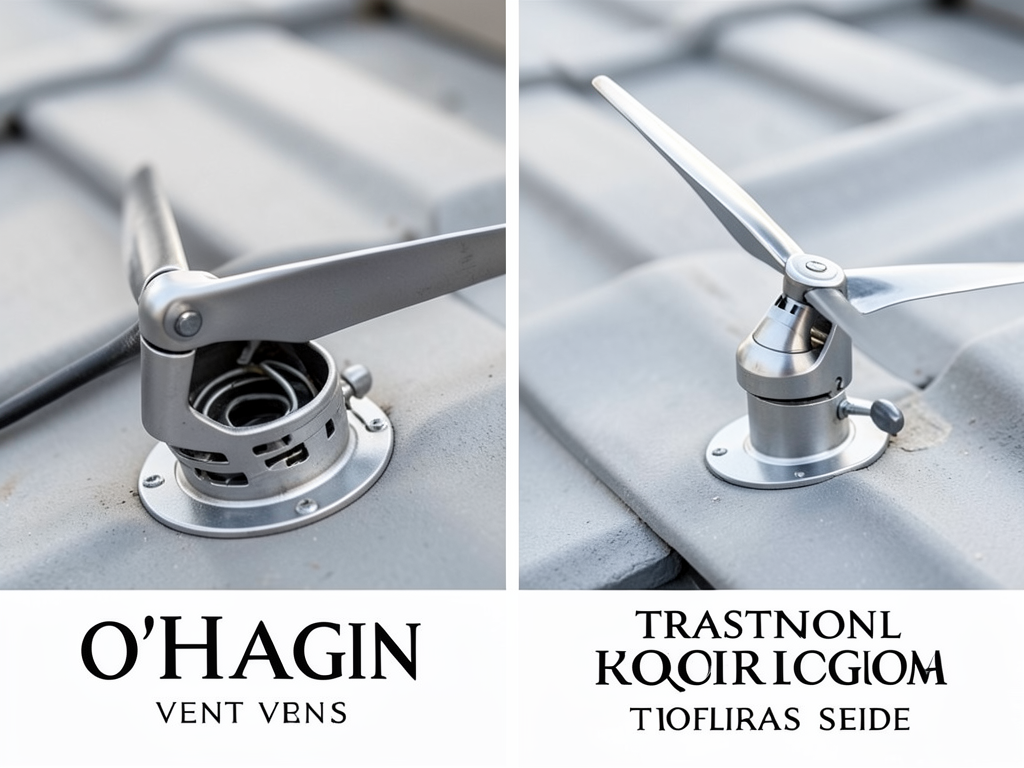
Roof turbines commonly called whirlybirds use wind power to create suction that pulls hot air from your attic. When the wind spins the turbine it creates a vacuum effect that can move up to 300-500 cubic feet of air per minute. This active ventilation works well when wind speeds exceed 5-7 mph.
The spinning action creates noise that many homeowners find annoying especially at night when attic temperatures are still high but winds die down. The aluminum construction makes them vulnerable to Dallas’s frequent hail storms. Dented turbines not only look terrible but also lose efficiency as the bearings bind and the spinning slows.
Turbines require regular maintenance to keep bearings lubricated and prevent squeaking. In Fair Park’s older homes accessing these vents for maintenance often means working on steep historic roof pitches that weren’t designed with modern ventilation in mind. The moving parts also mean more potential failure points in our extreme climate.
Direct Comparison: Durability Airflow and Cost
| Feature | O’Hagin Vents | Roof Turbines |
|---|---|---|
| Net Free Area per unit | 50-60 square inches | 40-50 square inches |
| Hail resistance | Class 4 impact rated | Dents easily Class 1 |
| Noise level | Silent operation | 5-15 dB when spinning |
| Maintenance required | None | Lubrication every 2-3 years |
| Cost per unit installed | $75-125 | $65-95 |
| Lifespan in Dallas | 25-30 years | 10-15 years |
The initial cost difference is minimal but O’Hagin vents save money long-term through reduced maintenance and longer lifespan. In Fair Park’s historic homes the aesthetic benefit alone often justifies the small premium.
The Hail Factor: Why Dallas Homeowners Choose O’Hagin
Dallas experiences an average of 6-8 significant hail events annually with stones often exceeding 1.5 inches in diameter. The North Central Texas Council of Governments tracks these storms and Fair Park sits squarely in the hail alley that runs through Dallas County.. Read more about Why the Intense Texas Heat is Causing Your Shingles to Blister and Bubble.
Roof turbines consist of thin aluminum that dents easily under hail impact. Once dented the turbine can’t spin freely reducing ventilation efficiency by up to 70%. The bearings also fail more quickly when forced to turn against warped surfaces. Many Fair Park homeowners find themselves replacing turbines every few hail seasons.
O’Hagin vents use heavy-gauge aluminum with reinforced edges and a low profile that reduces hail impact surface area. The static design means no moving parts to jam or bearings to fail. Even if the vent surface gets minor cosmetic damage the baffled design continues working effectively. This durability matters in Dallas where hail damage drives thousands of insurance claims each spring.
Maintenance and Longevity
Roof turbines require biannual inspection and lubrication to prevent bearing failure. In Dallas’s dusty environment grit accumulates in the bearings causing premature wear. Many homeowners discover their turbines have stopped working only after noticing higher cooling bills or during a pre-sale home inspection. Why a Pre-Storm Roof Inspection is Vital for Every Lake Highlands Homeowner.
O’Hagin vents need no regular maintenance beyond occasional cleaning to remove debris. The baffled design prevents most leaves and twigs from entering while allowing dust to blow through. This passive operation means no mechanical failures from seized bearings or broken wind cups.
In Dallas’s climate turbines typically last 10-15 years before needing replacement. O’Hagin vents routinely last 25-30 years with minimal degradation. For Fair Park homeowners who value both performance and aesthetics this longevity means fewer roof penetrations over time and better long-term protection for their historic homes. How Much a Full Roof Replacement Really Costs in the Dallas Area.
Installation Considerations for Fair Park Homes
Fair Park’s historic district has specific guidelines about visible alterations to home exteriors. O’Hagin vents meet these requirements because they sit nearly flush with the roof surface and come in colors that blend with traditional roofing materials. The low profile means they’re barely noticeable from street level.
Installation requires cutting precise holes in the roof deck and proper flashing to prevent leaks. For bungalows with 6:12 to 8:12 roof pitches common in Fair Park this work requires experienced roofers who understand both ventilation principles and historic home construction. Improper installation can lead to leaks that damage interior plaster walls and ceilings.. Read more about How to Properly Vent a Vaulted Ceiling Roof in Your Lakewood Mid-Century Modern.
The vents install best during roof replacement when the decking is accessible. However they can retrofit onto existing roofs with proper flashing techniques. Most Fair Park homes need 8-12 vents depending on attic square footage and existing ventilation. A professional assessment determines the exact number needed to meet building code requirements.
Energy Efficiency Benefits
Proper attic ventilation directly impacts your home’s energy consumption. In Dallas’s 100°F+ summers attics without adequate ventilation can reach 160°F. This super-heated air radiates down into living spaces forcing air conditioners to run longer and work harder.
O’Hagin vents maintain consistent airflow that keeps attic temperatures closer to outdoor ambient levels. This 20-30°F temperature reduction means your AC doesn’t have to overcome as much heat gain through the ceiling. Many Fair Park homeowners report 15-20% reductions in cooling costs after upgrading to proper ventilation.
The passive design also means no energy consumption for operation. Turbines technically use wind energy but they create drag on your roof that slightly increases wind loads during storms. O’Hagin’s streamlined shape actually reduces wind resistance while maintaining ventilation performance.
Making the Right Choice for Your Fair Park Bungalow
For Fair Park’s historic homes the decision often comes down to preserving architectural character while meeting modern performance standards. O’Hagin vents excel in both areas offering superior durability silent operation and a low profile that respects your home’s vintage charm.
Consider your specific situation: if you’re dealing with noisy failing turbines or planning a roof replacement O’Hagin vents provide a long-term solution that enhances both function and appearance. The investment typically pays for itself through energy savings and reduced maintenance within 5-7 years.
Fair Park’s unique mix of historic preservation and modern living demands solutions that bridge old and new. O’Hagin vents do exactly that proving that you don’t have to choose between maintaining your home’s character and enjoying modern comfort and efficiency. Choosing Between the Most Trusted Roofing Companies in the Dallas Metroplex.
Frequently Asked Questions
Are O’Hagin vents more expensive than roof turbines?
O’Hagin vents cost $75-125 installed versus $65-95 for turbines. The difference is minimal and O’Hagin’s longer lifespan and zero maintenance make them more cost-effective long-term.
Will O’Hagin vents work without wind?
Yes. Unlike turbines that need wind to spin O’Hagin vents use passive convection. Hot air naturally rises and exits through the vents regardless of wind conditions providing consistent ventilation 24/7.
How many vents does my Fair Park bungalow need?
Most homes need 1 square foot of net free area per 150 square feet of attic space. For a typical 1500 sq ft attic that’s about 10-12 vents. A professional assessment accounts for your specific roof configuration and existing ventilation.
Do O’Hagin vents meet Dallas building codes?
Yes. O’Hagin vents comply with the Dallas Building Code Chapter 52 requirements for residential ventilation. They provide the required net free area and meet all fire safety standards for roof penetrations.
Can I install O’Hagin vents on my existing roof?
Absolutely. While installation during roof replacement is ideal O’Hagin vents can retrofit onto existing roofs with proper flashing techniques. The key is ensuring watertight seals around each penetration point.
How do O’Hagin vents handle Dallas’s heavy rain?
The baffled design prevents rain infiltration while allowing air flow. Unlike turbines that can leak around their base O’Hagin vents direct water away from the roof penetration making them highly effective in our frequent thunderstorms.
What colors are available for O’Hagin vents?
O’Hagin offers vents in multiple colors including weathered wood black brown and gray to match common roofing materials. This variety helps the vents blend seamlessly with your existing roof color and style.
How long do O’Hagin vents last in Dallas weather?
With proper installation O’Hagin vents typically last 25-30 years in Dallas’s climate. The heavy-gauge aluminum construction and UV-resistant finishes withstand our intense sun hail and temperature extremes better than traditional turbine materials.
Will switching to O’Hagin vents improve my home’s energy efficiency?
Yes. Proper ventilation with O’Hagin vents can reduce attic temperatures by 20-30°F which directly lowers cooling costs. Many Fair Park homeowners report 15-20% reductions in summer energy bills after upgrading their ventilation system.
Are O’Hagin vents suitable for historic district homes?
Absolutely. The low-profile design and color options make O’Hagin vents ideal for Fair Park’s historic district. They maintain the architectural integrity of vintage homes while providing modern ventilation performance that meets current building standards.
Ready to upgrade your Fair Park bungalow’s ventilation? Call (214) 204-2077 today to schedule your inspection and see if O’Hagin vents are right for your home. Don’t wait until the next hail storm damages your existing turbines or your cooling bills skyrocket this summer.
Pick up the phone and call (214) 204-2077 before the next storm hits. Our Fair Park roofing specialists will assess your current ventilation and show you how O’Hagin vents can protect your home while preserving its historic charm.
{
“@context”: “https://schema.org”,
“@type”: “BlogPosting”,
“headline”: “Why O’Hagin Vents are a Sleeker Alternative to Whirlybirds for Fair Park Bungalows”,
“description”: “Fair Park homeowners discover why O’Hagin vents outperform whirlybirds for historic bungalows with better durability, silent operation, and hail resistance.”,
“wordCount”: 1948,
“datePublished”: “2026-05-11T15:48:00.000Z”,
“dateModified”: “2026-05-11T15:48:00.000Z”,
“inLanguage”: “en-US”,
“mainEntityOfPage”: {
“@type”: “WebPage”,
“@id”: “https://grandroofingdallas.com”
},
“publisher”: {
“@type”: “LocalBusiness”,
“name”: “Grand Roofing Dallas”,
“url”: “https://grandroofingdallas.com”
},
“author”: {
“@type”: “Organization”,
“name”: “Grand Roofing Dallas”,
“url”: “https://grandroofingdallas.com”
},
“image”: {
“@type”: “ImageObject”,
“url”: “https://grandroofingdallas.com/wp-content/uploads/2026/03/why-o-hagin-vents-are-a-sleeker-alternative-to-whi-1.png”
}
}
{
“@context”: “https://schema.org”,
“@type”: “RoofingContractor”,
“name”: “Grand Roofing Dallas”,
“url”: “https://grandroofingdallas.com”,
“address”: {
“@type”: “PostalAddress”,
“addressLocality”: “Dallas”
},
“areaServed”: {
“@type”: “City”,
“name”: “Dallas”
}
}
{
“@context”: “https://schema.org”,
“@type”: “FAQPage”,
“mainEntity”: [
{
“@type”: “Question”,
“name”: “Are O’Hagin vents more expensive than roof turbines?”,
“acceptedAnswer”: {
“@type”: “Answer”,
“text”: “O’Hagin vents cost $75-125 installed versus $65-95 for turbines. The difference is minimal and O’Hagin’s longer lifespan and zero maintenance make them more cost-effective long-term.”
}
},
{
“@type”: “Question”,
“name”: “Will O’Hagin vents work without wind?”,
“acceptedAnswer”: {
“@type”: “Answer”,
“text”: “Yes. Unlike turbines that need wind to spin O’Hagin vents use passive convection. Hot air naturally rises and exits through the vents regardless of wind conditions providing consistent ventilation 24/7.”
}
},
{
“@type”: “Question”,
“name”: “How many vents does my Fair Park bungalow need?”,
“acceptedAnswer”: {
“@type”: “Answer”,
“text”: “Most homes need 1 square foot of net free area per 150 square feet of attic space. For a typical 1500 sq ft attic that’s about 10-12 vents. A professional assessment accounts for your specific roof configuration and existing ventilation.”
}
},
{
“@type”: “Question”,
“name”: “Do O’Hagin vents meet Dallas building codes?”,
“acceptedAnswer”: {
“@type”: “Answer”,
“text”: “Yes. O’Hagin vents comply with the Dallas Building Code Chapter 52 requirements for residential ventilation. They provide the required net free area and meet all fire safety standards for roof penetrations.”
}
},
{
“@type”: “Question”,
“name”: “Can I install O’Hagin vents on my existing roof?”,
“acceptedAnswer”: {
“@type”: “Answer”,
“text”: “Absolutely. While installation during roof replacement is ideal O’Hagin vents can retrofit onto existing roofs with proper flashing techniques. The key is ensuring watertight seals around each penetration point.”
}
},
{
“@type”: “Question”,
“name”: “How do O’Hagin vents handle Dallas’s heavy rain?”,
“acceptedAnswer”: {
“@type”: “Answer”,
“text”: “The baffled design prevents rain infiltration while allowing air flow. Unlike turbines that can leak around their base O’Hagin vents direct water away from the roof penetration making them highly effective in our frequent thunderstorms.”
}
},
{
“@type”: “Question”,
“name”: “What colors are available for O’Hagin vents?”,
“acceptedAnswer”: {
“@type”: “Answer”,
“text”: “O’Hagin offers vents in multiple colors including weathered wood black brown and gray to match common roofing materials. This variety helps the vents blend seamlessly with your existing roof color and style.”
}
},
{
“@type”: “Question”,
“name”: “How long do O’Hagin vents last in Dallas weather?”,
“acceptedAnswer”: {
“@type”: “Answer”,
“text”: “With proper installation O’Hagin vents typically last 25-30 years in Dallas’s climate. The heavy-gauge aluminum construction and UV-resistant finishes withstand our intense sun hail and temperature extremes better than traditional turbine materials.”
}
},
{
“@type”: “Question”,
“name”: “Will switching to O’Hagin vents improve my home’s energy efficiency?”,
“acceptedAnswer”: {
“@type”: “Answer”,
“text”: “Yes. Proper ventilation with O’Hagin vents can reduce attic temperatures by 20-30°F which directly lowers cooling costs. Many Fair Park homeowners report 15-20% reductions in summer energy bills after upgrading their ventilation system.”
}
},
{
“@type”: “Question”,
“name”: “Are O’Hagin vents suitable for historic district homes?”,
“acceptedAnswer”: {
“@type”: “Answer”,
“text”: “Absolutely. The low-profile design and color options make O’Hagin vents ideal for Fair Park’s historic district. They maintain the architectural integrity of vintage homes while providing modern ventilation performance that meets current building standards.”
}
}
]
}
{
“@context”: “https://schema.org”,
“@type”: “BreadcrumbList”,
“itemListElement”: [
{
“@type”: “ListItem”,
“position”: 1,
“name”: “Home”,
“item”: “https://grandroofingdallas.com”
},
{
“@type”: “ListItem”,
“position”: 2,
“name”: “Blog”,
“item”: “https://grandroofingdallas.com/blog”
},
{
“@type”: “ListItem”,
“position”: 3,
“name”: “Why O’Hagin Vents are a Sleeker Alternative to Whirlybirds for Fair Park Bungalows”
}
]
}
{
“@context”: “https://schema.org”,
“@type”: “Service”,
“serviceType”: “Roofing”,
“provider”: {
“@type”: “LocalBusiness”,
“name”: “Grand Roofing Dallas”,
“url”: “https://grandroofingdallas.com”
},
“areaServed”: {
“@type”: “City”,
“name”: “Dallas”
},
“description”: “Fair Park homeowners discover why O’Hagin vents outperform whirlybirds for historic bungalows with better durability, silent operation, and hail resistance.”
}