
Why Concrete Tile Roofs in Forney Require Different Maintenance Than Clay
Concrete and clay tile roofs both offer beauty and durability but they are not interchangeable when it comes to maintenance. In Forney’s hot humid climate concrete tiles absorb more moisture and can develop efflorescence while clay tiles resist water but are more brittle under impact. Understanding these differences is critical before investing in a tile roof that must perform for decades in North Texas weather. Tile Roofing Institute.

Material Composition and How It Affects Performance
Concrete tiles are made from a mixture of Portland cement sand and water molded under pressure. Clay tiles are formed from natural earthen clays fired at high temperatures. These different manufacturing processes create distinct material properties that directly impact how each roof performs in Forney’s climate.
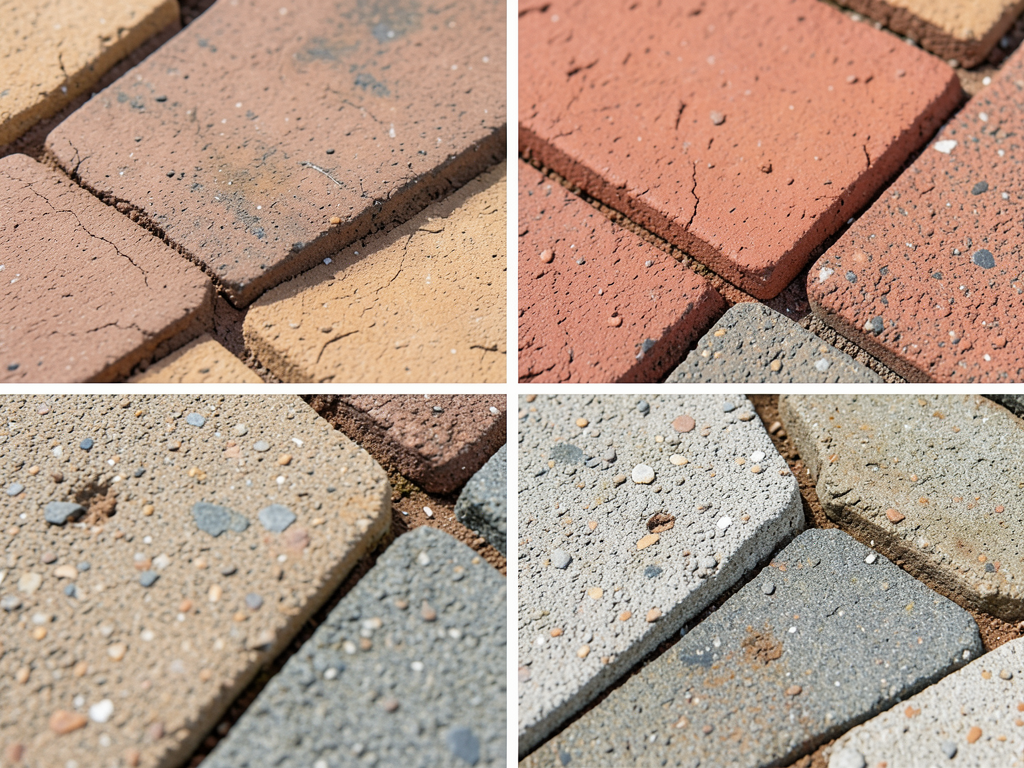
Concrete tiles are heavier and more porous. They can absorb up to 13% of their weight in water which means they retain heat longer during summer and can develop white salt deposits called efflorescence when moisture evaporates. Clay tiles are non-porous and resist water absorption but they are more brittle and can crack under sudden impact.
The weight difference also matters structurally. Concrete tiles typically weigh 950 to 1200 pounds per square while clay tiles weigh 600 to 800 pounds per square. This extra weight means concrete roofs often require additional structural reinforcement especially in older Forney homes built before modern building codes.
Impact Resistance and Hail Performance in North Texas
Forney sits in the heart of North Texas’s hail alley where storms can produce golf ball to baseball sized hail between March and June. The impact resistance of your tile roof directly affects both its longevity and your insurance premiums. Texas Department of Insurance.
Clay tiles typically achieve a Class 3 impact rating under Underwriters Laboratories testing. They resist moderate hail but can crack when struck by larger stones. Concrete tiles often achieve Class 4 impact ratings the highest available. They can withstand impacts from two-inch steel balls dropped from twenty feet without damage.
However impact resistance is not the whole story. Clay tiles have a smooth glazed surface that allows hail to glance off more easily. Concrete tiles have a rougher surface that can catch and chip under direct hits. In Forney’s frequent hailstorms this difference can mean more frequent repairs for concrete tile roofs.
The Texas Department of Insurance maintains specific windstorm and hail ratings for roofing materials. Concrete tiles meeting Class 4 standards may qualify for insurance premium discounts in hail prone areas like Forney. Clay tiles typically do not qualify for these discounts despite their natural resistance to glancing impacts. The Benefits of TPO Roofing Systems for Richardson Industrial Properties.
Heat and UV Exposure Effects on Tile Longevity
Forney experiences over 230 sunny days per year with summer temperatures regularly exceeding 100 degrees Fahrenheit. This intense UV exposure and heat cycling affects concrete and clay tiles differently.
Concrete tiles absorb more heat due to their darker colors and rougher surface texture. They can reach surface temperatures above 150 degrees on sunny summer days. This heat retention helps with winter warmth but increases cooling costs in summer. Clay tiles reflect more heat and stay cooler maintaining temperatures closer to ambient air.
UV exposure causes color fading in both materials but concrete tiles fade more noticeably. The pigments in concrete tiles are mixed throughout the material and can bleach over time especially in earth tones and reds. Clay tiles have color throughout the entire thickness and maintain their appearance longer though they can develop a natural patina.
Thermal expansion and contraction also differ. Concrete tiles expand and contract more with temperature changes which can stress fasteners and underlayment. Clay tiles are more dimensionally stable but their brittleness makes them susceptible to cracking during rapid temperature swings common in North Texas.
Water Absorption and Moisture Management
Moisture management is critical in Forney where summer humidity can exceed 80% and sudden thunderstorms are common. The way concrete and clay tiles handle water affects everything from roof deck protection to algae growth.
Concrete tiles can absorb significant moisture which becomes problematic during freeze thaw cycles. When water inside the tile freezes it expands creating internal pressure that can cause cracking. Clay tiles resist water absorption so they are less susceptible to freeze thaw damage but they can still crack from ice damming at roof edges.
Efflorescence is a common issue with concrete tiles. When moisture moves through the porous concrete it carries dissolved salts to the surface. As water evaporates these salts form white powdery deposits that can stain the roof surface. This process is accelerated in Forney’s humid climate and can require periodic cleaning.
Both tile types require proper underlayment to prevent water infiltration. The Texas Building Code Section 552.105 requires a minimum of one layer of No. 30 asphalt felt or an approved synthetic underlayment beneath tile roofs. In Forney’s climate many contractors recommend two layers or self adhering modified bitumen for added protection.
Structural Requirements and Foundation Considerations
The extra weight of concrete tiles creates specific structural requirements that affect both installation costs and long-term performance. Forney homes built before 1990 often need reinforcement before supporting a concrete tile roof.
A structural engineer must evaluate the roof framing to ensure it can handle the dead load. This typically involves checking rafter size spacing and span along with collar ties and ridge beams. Concrete tile roofs may require larger rafters closer spacing or additional support beams.
Foundation movement is another concern. Forney sits on expansive clay soils that swell when wet and shrink when dry. This movement can stress roof structures causing tiles to shift or crack. Concrete tiles are heavier so they place more stress on the structure during soil movement. Clay tiles are lighter but their brittleness makes them more susceptible to cracking from differential movement.
The North Central Texas Council of Governments recommends foundation inspections before installing heavy roofing materials. Signs of foundation distress like stair step cracking in masonry or doors that stick seasonally indicate soil movement that could affect tile performance. Why a Pre-Storm Roof Inspection is Vital for Every Lake Highlands Homeowner.
Maintenance Requirements and Long Term Costs
Maintenance needs differ significantly between concrete and clay tiles. Understanding these differences helps homeowners budget for long term ownership costs in Forney’s climate. Choosing Between the Most Trusted Roofing Companies in the Dallas Metroplex.
Concrete tiles require more frequent maintenance due to their porous nature. They need periodic cleaning to remove algae moss and debris that can trap moisture. The surface should be inspected annually for cracks chips and efflorescence. Damaged tiles must be replaced promptly to prevent water infiltration.
Clay tiles are lower maintenance but require careful handling. They rarely need cleaning unless debris accumulates in valleys or near roof penetrations. However when clay tiles do crack they often require complete replacement rather than repair because patching materials do not bond well to the smooth surface. How Much a Full Roof Replacement Really Costs in the Dallas Area.
Underlayment replacement is a major cost factor for both materials. Tile roofs can last 50 to 100 years but the underlayment typically needs replacement every 20 to 30 years. This involves removing all tiles making repairs and reinstalling which can cost 30 to 50 percent of the original roof price.
Walk on damage is another consideration. Clay tiles can crack under foot traffic even from experienced roofers. Concrete tiles are more forgiving but still require careful walking techniques. Forney homeowners should budget for professional inspections rather than attempting DIY maintenance.
Aesthetic Considerations for Forney Homes
Tile roofs complement many architectural styles found in Forney from traditional ranch homes to Mediterranean inspired designs. The choice between concrete and clay affects not just performance but also curb appeal and neighborhood character.
Clay tiles offer classic Mediterranean and Spanish styles with their curved barrel shapes and warm earth tones. They age gracefully developing a natural patina that many homeowners find attractive. Concrete tiles come in more varied profiles including flat shake like patterns that work well with contemporary and ranch style homes.
Color retention is crucial for long term appearance. Clay tiles maintain their color throughout the material so fading is minimal even after decades of Texas sun. Concrete tiles can fade significantly especially in darker colors. Some manufacturers now offer concrete tiles with enhanced UV resistant pigments but they still do not match clay’s color stability.
Local HOA regulations in Forney communities may restrict certain tile styles or colors. Before selecting materials homeowners should review neighborhood covenants and consult with their HOA to ensure compliance with aesthetic guidelines.
Cost Comparison and Return on Investment
Tile roofing represents a significant investment with costs varying based on material choice installation complexity and local labor rates. Understanding the cost structure helps homeowners make informed decisions. Roofing Balch Springs.
Concrete tiles typically cost 30 to 50 percent less than clay tiles for materials. Installation costs are similar since both require specialized skills and longer installation times than asphalt shingles. The total installed cost for concrete tiles ranges from $12 to $18 per square foot while clay tiles range from $18 to $25 per square foot in the Dallas Fort Worth area.
However initial cost is only part of the equation. Clay tiles often last 100 years or more while concrete tiles typically last 50 to 75 years. This longer lifespan means clay tiles may provide better long term value despite higher upfront costs. Additionally clay tiles often increase home resale value more than concrete tiles due to their premium perception.
Insurance considerations also affect total cost. Concrete tiles qualifying for Class 4 impact ratings may reduce insurance premiums by 10 to 20 percent in hail prone areas. Clay tiles typically do not qualify for these discounts though their natural impact resistance may be recognized by some insurers.
Maintenance costs over time can offset initial savings. Concrete tiles require more frequent cleaning sealing and repairs. Clay tiles need less maintenance but repairs are more expensive when needed due to their specialized installation requirements.
Installation Best Practices for North Texas
Proper installation is critical for tile roof performance in Forney’s climate. The Texas Department of Insurance and local building officials have specific requirements that affect installation methods and material choices.
Underlayment selection is crucial. The Dallas Building Code requires a minimum of one layer of No. 30 asphalt felt or an approved synthetic underlayment beneath tile roofs. In Forney’s climate many contractors recommend two layers or self adhering modified bitumen for added protection against wind driven rain.
Fastener selection matters for wind resistance. The National Tile Roofing Manufacturers Association recommends specific fastener patterns based on wind uplift calculations. Forney’s location in tornado alley means roofs must meet higher wind ratings often requiring closer fastener spacing and additional hurricane clips.
Flashing details prevent water infiltration at roof penetrations. All flashing should extend up the vertical surface at least four inches and overlap horizontal surfaces by at least two inches. In Forney’s heavy rain events these details prevent costly water damage to the roof structure and interior.
Ventilation requirements affect both performance and code compliance. The International Building Code requires one square foot of net free ventilation area for every 150 square feet of attic space. Proper ventilation prevents heat buildup reduces cooling costs and extends underlayment life.
Environmental Impact and Sustainability
Both concrete and clay tiles offer environmental benefits compared to petroleum based roofing materials but they differ in their sustainability profiles.
Concrete tiles are made from abundant materials including cement sand and water. However cement production generates significant carbon dioxide emissions. Some manufacturers now offer concrete tiles with recycled content or alternative cement formulas that reduce environmental impact.
Clay tiles are made from natural earthen materials fired in kilns. The firing process consumes energy but clay tiles are completely recyclable at the end of their life. Broken clay tiles can be crushed and used as aggregate or landscaping material.
Both materials offer excellent thermal mass which helps regulate building temperatures. This mass effect can reduce heating and cooling costs especially when combined with proper insulation and ventilation. In Forney’s hot climate this energy efficiency benefit can significantly reduce a home’s carbon footprint.
Roof longevity also affects environmental impact. Longer lasting materials mean less frequent replacement and less waste in landfills. Clay tiles lasting 100 years versus concrete tiles at 50 to 75 years means fewer replacement cycles and lower lifetime environmental impact.
Making the Right Choice for Your Forney Home
Choosing between concrete and clay tile roofing requires weighing multiple factors including budget structural capacity aesthetic preferences and long term maintenance plans. The right choice depends on your specific situation and priorities.
Concrete tiles make sense for homeowners seeking durability at a lower initial cost. They offer excellent impact resistance good thermal performance and a wide range of style options. However they require more maintenance weigh more and may not last as long as clay tiles.
Clay tiles are ideal for homeowners prioritizing longevity aesthetics and minimal maintenance. They offer superior color retention natural beauty and exceptional lifespan. However they cost more weigh less but are more brittle and may not provide the same impact resistance as concrete tiles.
Local factors in Forney should influence your decision. The area’s frequent hail storms make impact resistance crucial. The hot humid climate affects moisture management and color retention. Local building codes and HOA restrictions may limit your options.
Before making a final decision consult with a qualified roofing contractor who has experience with both materials in North Texas. They can evaluate your home’s structure recommend appropriate underlayment and provide accurate cost estimates for your specific situation.
Frequently Asked Questions
Which tile type lasts longer in Forney’s climate?
Clay tiles typically last 100 years or more while concrete tiles last 50 to 75 years. However both can fail prematurely without proper installation and maintenance. Forney’s climate with its heat humidity and hail requires specific installation techniques to maximize longevity regardless of material choice.
Are concrete tiles covered by insurance in hail prone areas?
Concrete tiles meeting Class 4 impact standards may qualify for insurance premium discounts in hail prone areas like Forney. The Texas Department of Insurance maintains specific ratings for roofing materials. Clay tiles typically do not qualify for these discounts despite their natural impact resistance.
How much weight can my Forney home support?
Most Forney homes built after 1990 can support concrete tile weights but older homes may need structural reinforcement. A structural engineer should evaluate your roof framing to ensure it can handle the dead load. This evaluation typically costs $300 to $500 but prevents costly structural problems later.
What maintenance do tile roofs require in humid climates?
Both tile types need annual inspections to check for cracked or shifted tiles damaged flashing and proper underlayment condition. Concrete tiles require more frequent cleaning to prevent algae and moss growth. All tile roofs need debris removal from valleys and around roof penetrations to prevent water backup.
Can I walk on a tile roof for maintenance?
Walking on tile roofs requires special techniques to prevent damage. Clay tiles can crack under foot traffic even from experienced roofers. Concrete tiles are more forgiving but still require careful walking patterns. Forney homeowners should hire professionals for roof maintenance rather than attempting DIY access.
Ready to Choose Your Tile Roof
Selecting between concrete and clay tile roofing involves balancing cost durability maintenance and aesthetics. Both materials offer excellent performance in Forney’s climate when properly installed and maintained. The key is understanding their different characteristics and choosing the option that best fits your home’s structure and your long term goals.
Before making your final decision get a professional evaluation of your home’s structure and discuss your priorities with an experienced tile roofing contractor. They can help you understand the specific requirements for your home and provide accurate cost estimates for both material options.
Call (214) 204-2077 today to schedule your tile roof consultation. Our team has extensive experience with both concrete and clay tile installations in Forney and can help you make the right choice for your home.
{
“@context”: “https://schema.org”,
“@type”: “BlogPosting”,
“headline”: “Why Concrete Tile Roofs in Forney Require Different Maintenance Than Clay”,
“description”: “Discover why concrete and clay tile roofs in Forney need different care. Learn about weight, durability, and local climate impacts from Dallas roofing experts.”,
“wordCount”: 2688,
“datePublished”: “2026-05-01T09:26:00.000Z”,
“dateModified”: “2026-05-01T09:26:00.000Z”,
“inLanguage”: “en-US”,
“mainEntityOfPage”: {
“@type”: “WebPage”,
“@id”: “https://grandroofingdallas.com”
},
“publisher”: {
“@type”: “LocalBusiness”,
“name”: “Grand Roofing Dallas”,
“url”: “https://grandroofingdallas.com”
},
“author”: {
“@type”: “Organization”,
“name”: “Grand Roofing Dallas”,
“url”: “https://grandroofingdallas.com”
},
“image”: {
“@type”: “ImageObject”,
“url”: “https://grandroofingdallas.com/wp-content/uploads/2026/03/why-concrete-tile-roofs-in-forney-require-differen-1.png”
}
}
{
“@context”: “https://schema.org”,
“@type”: “RoofingContractor”,
“name”: “Grand Roofing Dallas”,
“url”: “https://grandroofingdallas.com”,
“address”: {
“@type”: “PostalAddress”,
“addressLocality”: “Dallas”
},
“areaServed”: {
“@type”: “City”,
“name”: “Dallas”
}
}
{
“@context”: “https://schema.org”,
“@type”: “FAQPage”,
“mainEntity”: [
{
“@type”: “Question”,
“name”: “Which tile type lasts longer in Forney’s climate?”,
“acceptedAnswer”: {
“@type”: “Answer”,
“text”: “Clay tiles typically last 100 years or more while concrete tiles last 50 to 75 years. However both can fail prematurely without proper installation and maintenance. Forney’s climate with its heat humidity and hail requires specific installation techniques to maximize longevity regardless of material choice.”
}
},
{
“@type”: “Question”,
“name”: “Are concrete tiles covered by insurance in hail prone areas?”,
“acceptedAnswer”: {
“@type”: “Answer”,
“text”: “Concrete tiles meeting Class 4 impact standards may qualify for insurance premium discounts in hail prone areas like Forney. The Texas Department of Insurance maintains specific ratings for roofing materials. Clay tiles typically do not qualify for these discounts despite their natural impact resistance.”
}
},
{
“@type”: “Question”,
“name”: “How much weight can my Forney home support?”,
“acceptedAnswer”: {
“@type”: “Answer”,
“text”: “Most Forney homes built after 1990 can support concrete tile weights but older homes may need structural reinforcement. A structural engineer should evaluate your roof framing to ensure it can handle the dead load. This evaluation typically costs $300 to $500 but prevents costly structural problems later.”
}
},
{
“@type”: “Question”,
“name”: “What maintenance do tile roofs require in humid climates?”,
“acceptedAnswer”: {
“@type”: “Answer”,
“text”: “Both tile types need annual inspections to check for cracked or shifted tiles damaged flashing and proper underlayment condition. Concrete tiles require more frequent cleaning to prevent algae and moss growth. All tile roofs need debris removal from valleys and around roof penetrations to prevent water backup.”
}
},
{
“@type”: “Question”,
“name”: “Can I walk on a tile roof for maintenance?”,
“acceptedAnswer”: {
“@type”: “Answer”,
“text”: “Walking on tile roofs requires special techniques to prevent damage. Clay tiles can crack under foot traffic even from experienced roofers. Concrete tiles are more forgiving but still require careful walking patterns. Forney homeowners should hire professionals for roof maintenance rather than attempting DIY access.”
}
}
]
}
{
“@context”: “https://schema.org”,
“@type”: “BreadcrumbList”,
“itemListElement”: [
{
“@type”: “ListItem”,
“position”: 1,
“name”: “Home”,
“item”: “https://grandroofingdallas.com”
},
{
“@type”: “ListItem”,
“position”: 2,
“name”: “Blog”,
“item”: “https://grandroofingdallas.com/blog”
},
{
“@type”: “ListItem”,
“position”: 3,
“name”: “Why Concrete Tile Roofs in Forney Require Different Maintenance Than Clay”
}
]
}
{
“@context”: “https://schema.org”,
“@type”: “Service”,
“serviceType”: “Roofing”,
“provider”: {
“@type”: “LocalBusiness”,
“name”: “Grand Roofing Dallas”,
“url”: “https://grandroofingdallas.com”
},
“areaServed”: {
“@type”: “City”,
“name”: “Dallas”
},
“description”: “Discover why concrete and clay tile roofs in Forney need different care. Learn about weight, durability, and local climate impacts from Dallas roofing experts.”
}