
Why Low-Slope Roofing Needs Different Materials Than Your Main Oak Cliff Home
Low-slope roofing demands completely different materials than the steep-pitched shingles on your main Oak Cliff home. Standard asphalt shingles rely on gravity to shed water quickly, but on slopes below 2:12 pitch, water pools and seeps under the tabs. That’s why your home’s garage addition or sunroom with a nearly flat roof needs heat-welded membranes or modified bitumen instead of traditional shingles. The Benefits of TPO Roofing Systems for Richardson Industrial Properties.
The Dallas-Fort Worth metroplex experiences extreme temperature swings that stress low-slope roofs differently than steep roofs. North Texas summers push surface temperatures above 160°F, causing standard shingles to warp and crack on shallow pitches. Low-slope systems use heat-reflective materials like TPO or PVC that expand and contract without failing, preventing the leaks that plague improperly installed additions. Texas Department of Insurance.
Oak Cliff’s historic neighborhoods feature many homes with low-slope additions built before modern building codes. These structures often used standard shingles on pitches as low as 1:12, creating chronic leak problems. Today’s building codes specifically prohibit shingles below 2:12 pitch, requiring approved low-slope membranes that provide true waterproofing rather than just water shedding. Roofing Balch Springs.
The unique soil composition in Oak Cliff adds another layer of complexity. Expansive blackland clay shifts with moisture changes, causing foundation movement that stresses roof connections. Low-slope roofing systems need extra flexibility and reinforced flashing details to accommodate this movement without creating leak paths at walls and penetrations.. Read more about Creating a Dry Outdoor Space Under Your Elevated Trophy Club Deck and Roof.
Understanding Low Slope vs. Flat Roofing for Dallas Homes
Low-slope roofing isn’t truly flat – it maintains a minimum 1/4 inch per foot slope for drainage. This slight pitch prevents ponding while still requiring specialized waterproofing materials. The Dallas Building Code (Chapter 52) mandates specific materials for pitches below 2:12, recognizing that standard shingles cannot provide adequate protection on these surfaces.
Traditional roofing materials depend on steep angles to shed water quickly. On low slopes, water moves slowly and can back up under shingle edges. This creates ideal conditions for leaks, especially during North Texas thunderstorms that dump inches of rain in minutes. Low-slope membranes create continuous waterproof barriers rather than individual overlapping pieces.
Many Oak Cliff homes built in the 1960s and 1970s feature low-slope additions with original roofing failures. These structures often had standard shingles installed on 1:12 or 1.5:12 pitches, leading to decades of water damage. Modern replacements require code-compliant materials that address both the pitch limitations and Dallas’s harsh climate conditions. How Much a Full Roof Replacement Really Costs in the Dallas Area.
The distinction between low-slope and steep-slope roofing extends beyond materials to installation methods. Low-slope systems require heat-welding, cold adhesives, or torch application to create monolithic waterproof layers. These techniques differ significantly from the nailing patterns used for standard shingles and require specialized training and equipment. Choosing Between the Most Trusted Roofing Companies in the Dallas Metroplex.
Best Low Slope Roofing Materials for the North Texas Climate
TPO (Thermoplastic Polyolefin) dominates the low-slope roofing market in Dallas due to its heat reflectivity and energy efficiency. This single-ply membrane reflects up to 87% of solar radiation, reducing cooling costs during 100°F+ summer days. TPO’s heat-welded seams create stronger bonds than the material itself, preventing the seam failures common in older systems.
PVC (Polyvinyl Chloride) offers superior chemical and puncture resistance compared to TPO. The material’s flexibility allows it to expand and contract with Dallas’s temperature swings without cracking. PVC membranes also provide excellent fire resistance and can be installed in a wide range of colors, though white remains most popular for heat reflection.
Modified bitumen provides a hybrid solution combining traditional built-up roofing concepts with modern polymer technology. This multi-ply system uses reinforced sheets with asphalt and rubber modifiers, creating exceptional durability. Modified bitumen performs well in Dallas’s hail-prone environment, with the multiple layers providing redundancy if surface damage occurs.
EPDM (Ethylene Propylene Diene Monomer) offers a cost-effective rubber membrane option for low-slope applications. While less reflective than TPO or PVC, EPDM provides excellent weathering characteristics and can last 30+ years with proper maintenance. The material’s flexibility makes it ideal for accommodating the foundation movement common in Oak Cliff’s clay soil areas.
| Material | Heat Reflectivity | Lifespan (Years) | Best For |
|---|---|---|---|
| TPO | 85-87% | 20-30 | Energy efficiency |
| PVC | 80-85% | 25-35 | Chemical resistance |
| Modified Bitumen | 70-75% | 20-25 | Hail resistance |
| EPDM | 65-70% | 25-30 | Cost effectiveness |
The Importance of Proper Drainage and Ponding Water Prevention
Ponding water poses the greatest threat to low-slope roofing systems in Dallas. Water standing on a roof for more than 48 hours can penetrate seams, degrade materials, and add dangerous weight loads. North Texas thunderstorms often overwhelm drainage systems, making proper design critical for preventing water accumulation.
Scuppers provide essential overflow protection for parapet walls common in Dallas commercial buildings and residential additions. These through-wall openings prevent water from rising above safe levels when primary drains clog with debris. Scupper sizing must account for local rainfall intensity, with Dallas requiring larger openings than areas with lighter precipitation.
Tapered insulation systems create positive drainage without relying on structural slopes. These manufactured panels provide the necessary pitch while improving energy efficiency through added R-value. In Dallas’s climate, tapered systems prevent both water ponding and heat gain, addressing two major low-slope roofing challenges simultaneously.
Gutter and downspout sizing must match the roof area and local rainfall rates. Dallas’s intense thunderstorms can produce 2-3 inches of rain per hour, requiring oversized drainage components compared to national averages. Undersized systems back up quickly, allowing water to enter through seams and flashing details.
Regular maintenance prevents drainage failures that lead to ponding. Debris accumulation blocks scuppers and drains, while membrane damage creates low spots where water collects. Dallas’s seasonal pollen and leaf fall require quarterly cleaning schedules to maintain proper drainage flow rates.
Our Residential Low Slope Installation Process
Every low-slope installation begins with a comprehensive roof deck inspection. We check for moisture damage, structural integrity, and proper slope using precision levels and moisture meters. Dallas’s clay soil movement often causes deck irregularities that must be corrected before membrane installation to prevent future problems. Why a Pre-Storm Roof Inspection is Vital for Every Lake Highlands Homeowner.
Surface preparation follows inspection, including cleaning, repairing damaged areas, and installing tapered insulation if needed. We use industrial sweepers and solvents to remove all contaminants that could prevent proper adhesion. Clean surfaces ensure membrane warranties remain valid and maximize system longevity.
Membrane installation varies by material but always requires strict temperature and weather monitoring. TPO and PVC welding demands specific ambient conditions, while modified bitumen torch application requires careful heat control to prevent damage. We track surface temperatures throughout installation, never proceeding when conditions fall outside manufacturer specifications.
Flashing details receive special attention at walls, penetrations, and equipment curbs. These transition areas represent the highest failure risk in low-slope systems. We use prefabricated corner pieces and extra membrane layers at critical points, following NRCA guidelines for Dallas’s wind and thermal conditions. NRCA roofing guidelines.
Final inspection includes seam testing, moisture detection, and drainage verification. We flood test all drains and scuppers while checking for proper slope using laser levels. The Texas Department of Insurance requires specific testing protocols for low-slope installations, which we document for warranty purposes.
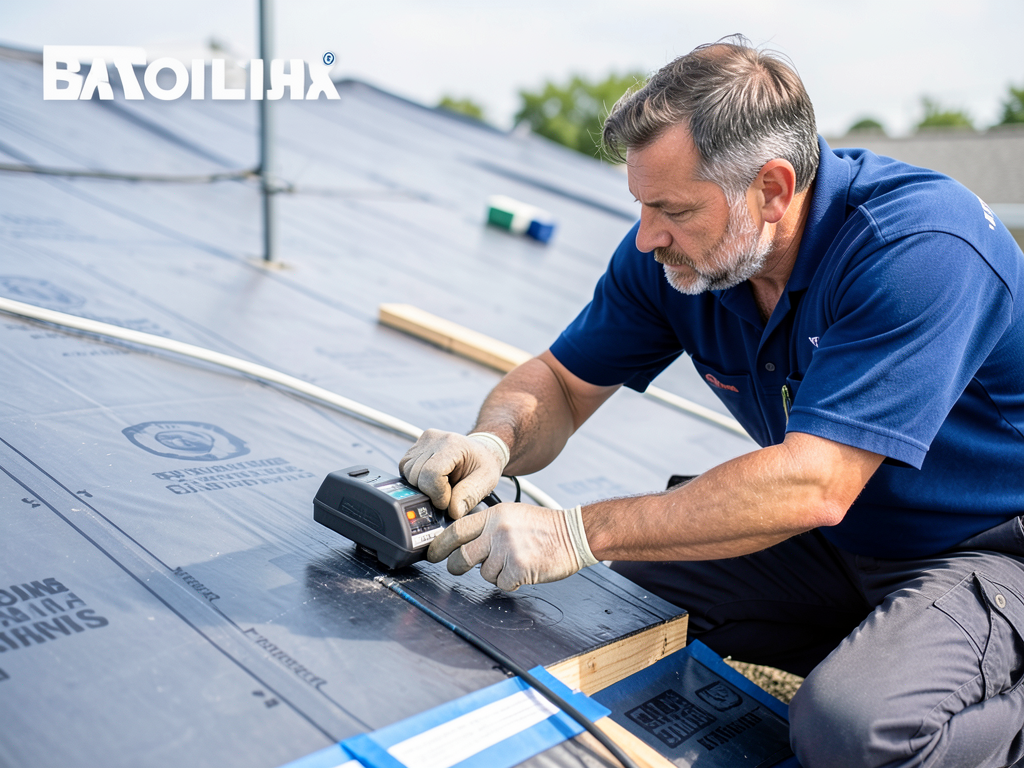
Low Slope Roofing Gallery: Recent Dallas Projects

Frequently Asked Questions
How much does low-slope roofing cost in Dallas?
Low-slope roofing costs in Dallas typically range from $350 to $600 per square (100 square feet), depending on material choice and roof complexity. TPO and PVC systems fall on the higher end due to energy efficiency benefits, while modified bitumen offers mid-range pricing with excellent durability.. Read more about Why Silicone Roof Coatings are the Best Choice for Aging Flat Roofs in the Design District.
How long do low-slope roofs last in Texas heat?
Quality low-slope roofing systems last 20-30 years in Dallas’s climate when properly installed. TPO and PVC membranes often reach the upper end of this range due to their heat-reflective properties, while EPDM may require replacement closer to 20 years despite good weathering characteristics.
Can I install shingles on a low-slope roof if I’m in a hurry?
No. Dallas Building Code explicitly prohibits shingles on slopes below 2:12 pitch. Installing shingles on low slopes creates immediate leak risks and violates code requirements. The temporary savings never justify the certain water damage and code violations that follow improper installation.
What maintenance do low-slope roofs need in Dallas?
Low-slope roofs need quarterly inspections and cleaning in Dallas, with additional service after major storms. Debris removal, drain clearing, and seam inspection prevent the most common failure modes. Professional inspections every two years catch developing issues before they cause interior damage.
Does insurance cover low-slope roof damage in Dallas?
Most homeowner policies cover sudden damage to properly installed low-slope roofs, but may exclude damage from lack of maintenance. Dallas’s hail and wind storms typically qualify for claims, while ponding water damage often results from maintenance issues that policies don’t cover.
- Check Interior Signs
Look for water stains on ceilings below low-slope areas, especially after rain. Dallas’s intense storms can overwhelm failing systems quickly, making interior signs often appear before exterior visible damage.
- Inspect Drainage
Check for standing water 48 hours after rain. Dallas’s typical drainage should clear within 24 hours. Persistent ponding indicates slope problems or drain blockages that require immediate attention.
- Examine Seams and Flashings
Look for separated seams, lifted edges, or cracked caulking at wall connections. These failure points commonly occur at expansion joints where Dallas’s temperature swings cause material movement.
Low-slope roofing requires specialized knowledge, materials, and installation techniques that differ completely from standard shingle roofs. The Dallas climate, with its extreme heat, intense storms, and expansive clay soils, creates unique challenges that only properly designed low-slope systems can address. Whether you’re dealing with a problematic addition or planning a new construction project, choosing the right low-slope solution prevents the leaks and damage that plague improperly specified systems.. Read more about Dealing with Ice Dams and Frozen Gutters During a Rare Dallas Big Freeze.
Don’t wait for the next Dallas thunderstorm to reveal your low-slope roofing problems. Call (214) 204-2077 today to schedule a professional inspection and get expert recommendations for your specific situation. Our team understands the unique requirements of Oak Cliff’s historic homes and Dallas’s challenging climate, ensuring your low-slope roofing investment provides decades of reliable protection.
You may also find this helpful. How to Handle Roof Repairs When You Have a Stucco Exterior in Southlake.
You may also find this helpful. The Pros and Cons of Matte Finish Metal Roofs for Northwood Hills Estates.
{
“@context”: “https://schema.org”,
“@type”: “BlogPosting”,
“headline”: “Why Low-Slope Roofing Needs Different Materials Than Your Main Oak Cliff Home”,
“description”: “Learn why low-slope roofing in Oak Cliff requires specialized materials like TPO or PVC to prevent leaks. Compare options and find expert installation near you.”,
“wordCount”: 1691,
“datePublished”: “2026-05-26T14:48:00.000Z”,
“dateModified”: “2026-05-26T14:48:00.000Z”,
“inLanguage”: “en-US”,
“mainEntityOfPage”: {
“@type”: “WebPage”,
“@id”: “https://grandroofingdallas.com”
},
“publisher”: {
“@type”: “LocalBusiness”,
“name”: “Grand Roofing Dallas”,
“url”: “https://grandroofingdallas.com”
},
“author”: {
“@type”: “Organization”,
“name”: “Grand Roofing Dallas”,
“url”: “https://grandroofingdallas.com”
},
“image”: {
“@type”: “ImageObject”,
“url”: “https://grandroofingdallas.com/wp-content/uploads/2026/03/why-low-slope-roofing-needs-different-materials-th-1.png”
}
}
{
“@context”: “https://schema.org”,
“@type”: “RoofingContractor”,
“name”: “Grand Roofing Dallas”,
“url”: “https://grandroofingdallas.com”,
“address”: {
“@type”: “PostalAddress”,
“addressLocality”: “Dallas”
},
“areaServed”: {
“@type”: “City”,
“name”: “Dallas”
}
}
{
“@context”: “https://schema.org”,
“@type”: “FAQPage”,
“mainEntity”: [
{
“@type”: “Question”,
“name”: “How much does low-slope roofing cost in Dallas?”,
“acceptedAnswer”: {
“@type”: “Answer”,
“text”: “Low-slope roofing costs in Dallas typically range from $350 to $600 per square (100 square feet), depending on material choice and roof complexity. TPO and PVC systems fall on the higher end due to energy efficiency benefits, while modified bitumen offers mid-range pricing with excellent durability.”
}
},
{
“@type”: “Question”,
“name”: “How long do low-slope roofs last in Texas heat?”,
“acceptedAnswer”: {
“@type”: “Answer”,
“text”: “Quality low-slope roofing systems last 20-30 years in Dallas’s climate when properly installed. TPO and PVC membranes often reach the upper end of this range due to their heat-reflective properties, while EPDM may require replacement closer to 20 years despite good weathering characteristics.”
}
},
{
“@type”: “Question”,
“name”: “Can I install shingles on a low-slope roof if I’m in a hurry?”,
“acceptedAnswer”: {
“@type”: “Answer”,
“text”: “No. Dallas Building Code explicitly prohibits shingles on slopes below 2:12 pitch. Installing shingles on low slopes creates immediate leak risks and violates code requirements. The temporary savings never justify the certain water damage and code violations that follow improper installation.”
}
},
{
“@type”: “Question”,
“name”: “What maintenance do low-slope roofs need in Dallas?”,
“acceptedAnswer”: {
“@type”: “Answer”,
“text”: “Low-slope roofs need quarterly inspections and cleaning in Dallas, with additional service after major storms. Debris removal, drain clearing, and seam inspection prevent the most common failure modes. Professional inspections every two years catch developing issues before they cause interior damage.”
}
},
{
“@type”: “Question”,
“name”: “Does insurance cover low-slope roof damage in Dallas?”,
“acceptedAnswer”: {
“@type”: “Answer”,
“text”: “Most homeowner policies cover sudden damage to properly installed low-slope roofs, but may exclude damage from lack of maintenance. Dallas’s hail and wind storms typically qualify for claims, while ponding water damage often results from maintenance issues that policies don’t cover.”
}
}
]
}
{
“@context”: “https://schema.org”,
“@type”: “HowTo”,
“name”: “How to Identify Low-Slope Roofing Problems”,
“step”: [
{
“@type”: “HowToStep”,
“position”: 1,
“name”: “Check Interior Signs”,
“text”: “Look for water stains on ceilings below low-slope areas, especially after rain. Dallas’s intense storms can overwhelm failing systems quickly, making interior signs often appear before exterior visible damage.”
},
{
“@type”: “HowToStep”,
“position”: 2,
“name”: “Inspect Drainage”,
“text”: “Check for standing water 48 hours after rain. Dallas’s typical drainage should clear within 24 hours. Persistent ponding indicates slope problems or drain blockages that require immediate attention.”
},
{
“@type”: “HowToStep”,
“position”: 3,
“name”: “Examine Seams and Flashings”,
“text”: “Look for separated seams, lifted edges, or cracked caulking at wall connections. These failure points commonly occur at expansion joints where Dallas’s temperature swings cause material movement.”
}
],
“image”: “https://grandroofingdallas.com/wp-content/uploads/2026/03/why-low-slope-roofing-needs-different-materials-th-1.png”
}
{
“@context”: “https://schema.org”,
“@type”: “BreadcrumbList”,
“itemListElement”: [
{
“@type”: “ListItem”,
“position”: 1,
“name”: “Home”,
“item”: “https://grandroofingdallas.com”
},
{
“@type”: “ListItem”,
“position”: 2,
“name”: “Blog”,
“item”: “https://grandroofingdallas.com/blog”
},
{
“@type”: “ListItem”,
“position”: 3,
“name”: “Why Low-Slope Roofing Needs Different Materials Than Your Main Oak Cliff Home”
}
]
}
{
“@context”: “https://schema.org”,
“@type”: “Service”,
“serviceType”: “Roofing”,
“provider”: {
“@type”: “LocalBusiness”,
“name”: “Grand Roofing Dallas”,
“url”: “https://grandroofingdallas.com”
},
“areaServed”: {
“@type”: “City”,
“name”: “Dallas”
},
“description”: “Learn why low-slope roofing in Oak Cliff requires specialized materials like TPO or PVC to prevent leaks. Compare options and find expert installation near you.”
}