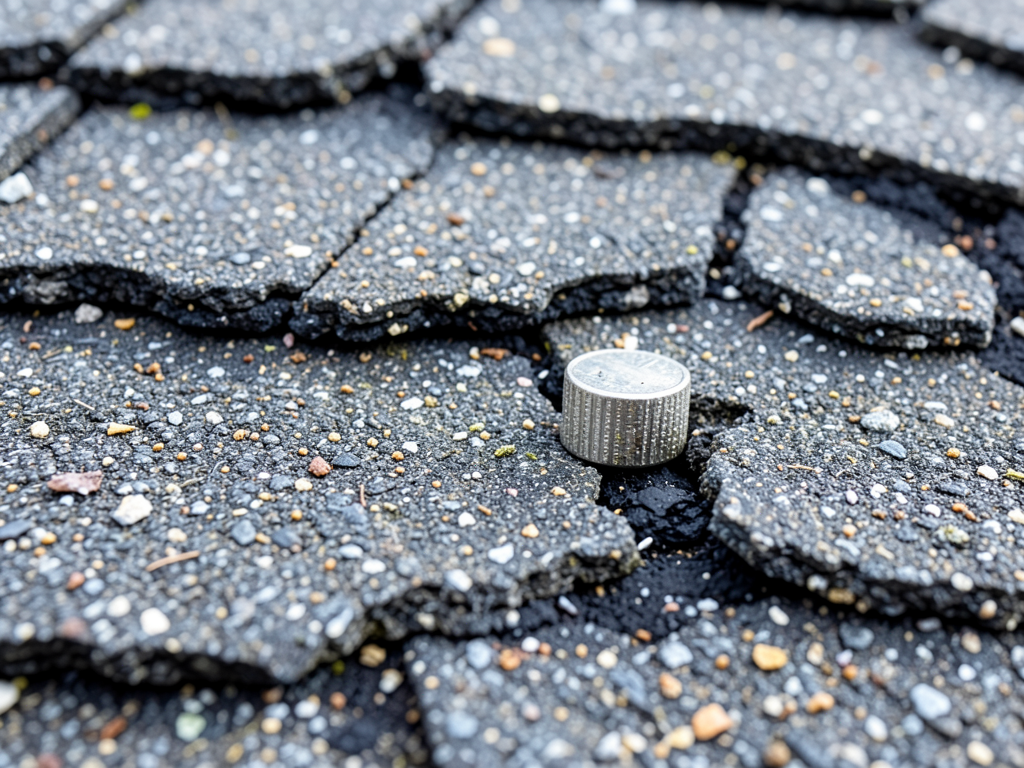





Dallas experiences temperature differentials exceeding 120 degrees between summer roof surface temperatures and winter overnight lows. Your TPO or EPDM membrane expands and contracts with these thermal cycles, stressing every seam and penetration. Black EPDM roofs reach 170 degrees during July afternoons, then cool to 50 degrees by dawn. This daily expansion and contraction is equivalent to the roof surface growing and shrinking by several inches across a 200-foot span. Seams pull apart. Flashing separates from penetrations. Fasteners loosen in the deck. Commercial roof condition reports identify which areas show thermal stress damage before catastrophic failure occurs. Properties in the Dallas Arts District, Victory Park, and along the I-35 corridor face additional heat island effects from surrounding pavement and buildings that amplify these temperature extremes.
Dallas building officials require commercial roof work to comply with the 2018 International Building Code as adopted by the city with local amendments. These amendments include specific wind uplift requirements based on Dallas's location in a severe wind zone and enhanced drainage standards responding to the region's intense rainfall events. Commercial roofing audit reports from Grand Roofing Dallas reference these specific code requirements, ensuring your planning accounts for local regulatory compliance. We have worked with building officials in Dallas, Richardson, Plano, and throughout the Metroplex. Our inspection reports provide the documentation these jurisdictions require for permit applications and code compliance verification during acquisition due diligence.