
Creating a Dry Outdoor Space Under Your Elevated Trophy Club Deck and Roof
Living in Trophy Club means enjoying beautiful two-story homes with elevated decks that offer stunning views of the Texas landscape. However, these elevated decks often leave a large area underneath that sits unused and exposed to the elements. By installing a proper under-deck drainage system, you can transform that wasted space into a functional outdoor living area that stays dry even during North Texas thunderstorms. Texas Department of Licensing and Regulation.
The key to creating a successful dry space under your deck lies in understanding how water moves across your deck surface and finding effective ways to channel it away from the area below. In Trophy Club, where annual rainfall averages around 38 inches and heavy downpours are common during spring and summer months, proper drainage becomes essential for protecting both your deck structure and the space underneath.
Under-deck drainage systems work by creating a sloped surface beneath your deck boards that directs water toward gutters and downspouts. This prevents water from dripping through the deck boards and pooling on the ground below, which would otherwise create a muddy, unusable space that attracts mosquitoes and promotes mold growth on your deck joists.
Before diving into specific system types and installation methods, it’s important to understand that not all drainage solutions work equally well in the North Texas climate. The intense summer heat, occasional freezing temperatures in winter, and high humidity levels all affect how materials perform over time. Let’s explore the options available and what makes sense for your Trophy Club home.
Types of Under-Deck Drainage Systems Available in Trophy Club
When considering how to create a dry space under your elevated deck, you’ll encounter two main categories of drainage systems: over-joist and under-joist installations. Each approach has distinct advantages depending on your specific situation and whether you’re building a new deck or retrofitting an existing one.
Over-joist systems install above your deck joists, creating a sloped ceiling surface that catches water before it reaches the structural members. This approach protects your deck framing from moisture damage but requires installation during deck construction since it needs to go under the deck boards. The most popular over-joist option is the Trex RainEscape system, which uses a flexible membrane that creates individual channels between joists.
Under-joist systems install beneath your existing deck structure, making them ideal for retrofitting older Trophy Club homes. These systems attach to the bottom of your deck joists and create troughs that collect water dripping through the deck boards. The Zip-Up Underdeck system represents a premium under-joist option with interlocking panels that create a finished ceiling appearance while managing water drainage.
Understanding the difference between these approaches helps you make the right choice for your specific needs. Over-joist systems provide superior joist protection since water never touches the structural members, while under-joist systems offer easier installation on existing decks and often include aesthetic ceiling finishes as part of the system.
Material Comparison for Under-Deck Systems
The material you choose for your under-deck drainage system affects both performance and longevity, especially in the Trophy Club climate where UV exposure and temperature extremes test material durability. Here’s how the main options compare:
| Material | Durability in Texas Heat | Waterproofing Effectiveness | Maintenance Requirements | Typical Lifespan |
|---|---|---|---|---|
| PVC Membrane (Trex RainEscape) | Excellent UV resistance | Superior waterproofing | Minimal cleaning | 20+ years |
| Aluminum Panels (Zip-Up) | Excellent heat tolerance | Excellent waterproofing | Occasional debris removal | 30+ years |
| Vinyl Systems | Good UV resistance | Good waterproofing | Regular cleaning needed | 15-20 years |
| Galvanized Steel | Fair heat tolerance | Good waterproofing | Watch for rust spots | 15-25 years |
Based on North Texas conditions, aluminum and PVC systems typically outperform other materials. Aluminum handles the thermal expansion and contraction that occurs with Trophy Club’s temperature swings, while PVC membranes resist cracking from UV exposure and maintain flexibility in both hot and cold conditions.
Professional Installation Process for Under-Deck Drainage
Installing an under-deck drainage system requires careful planning and precise execution to ensure long-term performance. The process varies depending on whether you’re working with a new deck construction or retrofitting an existing structure, but the fundamental steps remain consistent.
The first critical step involves a thorough inspection of your existing deck structure. A professional will examine your deck joists for signs of rot, check that the framing is square and level, and verify that your deck boards are in good condition. This inspection is crucial because any structural issues must be addressed before installing a drainage system, as you don’t want to trap water against compromised wood.
Once the deck passes inspection, the installation begins with preparing the joist bays. For over-joist systems like Trex RainEscape, this means cleaning the top of each joist bay and ensuring the deck boards are properly spaced. The membrane material is then cut to fit each bay and secured with the manufacturer’s recommended fasteners, creating a sloped surface that directs water toward the deck edge.
For under-joist installations, the process starts with attaching mounting brackets or channels to the bottom of your deck joists. These brackets support the drainage panels or troughs that will catch water dripping through the deck above. The panels are then installed according to the system’s specifications, ensuring proper overlap and slope toward the designated drainage points.
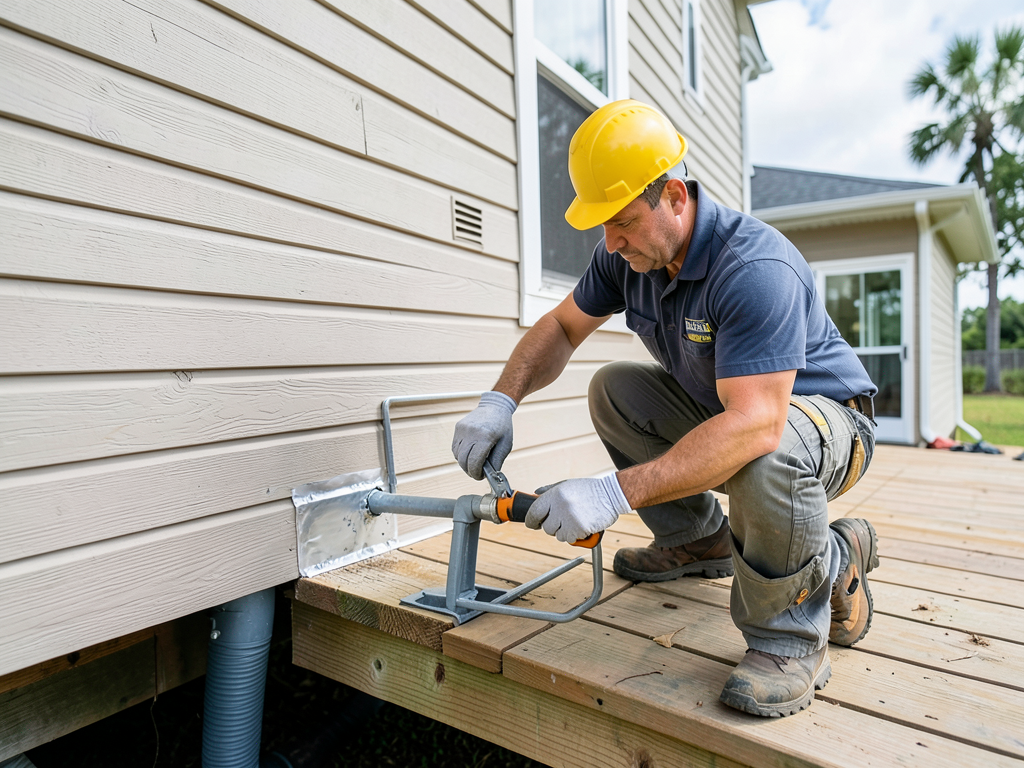
Flashing integration represents one of the most critical aspects of professional installation. The drainage system must connect seamlessly with your home’s existing roofing and gutter systems to prevent water from backing up against your house. This typically involves installing metal flashing where the deck meets your home’s exterior wall and ensuring proper overlap with both the deck drainage system and your primary roof drainage. Roofing Balch Springs.
Step-by-Step Installation Process
The complete installation process follows these essential steps to ensure proper function:
- Deck Inspection and Preparation
Examine deck structure for damage, clean joist surfaces, and verify deck board spacing meets system requirements.
- Layout and Planning
Determine drainage slope direction, locate downspout positions, and plan flashing integration with existing roof systems.
- System Installation
Install membrane or panels according to manufacturer specifications, ensuring proper overlap and slope of at least 1/4 inch per foot.
- Gutter and Downspout Integration
Install gutters along deck edges and connect downspouts to direct water away from foundation.
- Flashing and Sealing
Install metal flashing where deck meets house, seal all joints, and verify water flows away from structure.
Each step requires attention to detail and adherence to manufacturer specifications. For example, improper slope can cause water to pool in certain areas, while inadequate flashing can allow water to seep behind your siding and cause hidden damage to your home’s structure.
Climate Considerations for Trophy Club Under-Deck Systems
Trophy Club’s location in the Dallas-Fort Worth metroplex exposes under-deck drainage systems to specific climate challenges that affect system performance and longevity. Understanding these local factors helps you choose materials and installation methods that will withstand North Texas weather patterns.
The region experiences approximately 38 inches of annual rainfall, concentrated in spring and early summer when thunderstorm activity peaks. These intense rain events can dump several inches of water in a single afternoon, testing your drainage system’s capacity. A properly designed system must handle these peak flow rates without overflowing or backing up against your home’s foundation. City of Trophy Club official website.
Summer heat presents another significant challenge. Trophy Club regularly experiences temperatures above 95°F during July and August, with occasional stretches above 100°F. These conditions cause materials to expand and contract, potentially stressing seams and connections in your drainage system. Materials must be chosen for their thermal stability, and installation must account for expansion gaps where specified by manufacturers.
Humidity levels in Trophy Club typically range from 65-85% during summer months, creating conditions where mold and mildew can thrive if water manages to penetrate your drainage system. This makes proper sealing and material selection critical for preventing biological growth that could compromise system integrity and create unpleasant odors in your new outdoor living space.
Winter brings occasional freezing temperatures that can affect drainage system performance. While Trophy Club doesn’t experience prolonged freezing conditions, the few days each year when temperatures drop below 32°F can cause standing water to freeze and expand. Quality drainage systems include features that prevent water from pooling in low spots where freezing could cause damage.
Material Performance in North Texas Climate
Different materials respond uniquely to Trophy Club’s climate conditions. PVC membranes maintain flexibility across temperature ranges and resist UV degradation, making them ideal for the region’s intense sunlight. However, they can become brittle if exposed to freezing temperatures repeatedly.
Aluminum panels excel in heat tolerance and resist corrosion from the region’s occasional acid rain from industrial emissions. Their thermal expansion characteristics match well with typical deck framing materials, reducing stress on connections. The main consideration with aluminum is ensuring proper grounding to prevent galvanic corrosion where it contacts dissimilar metals.
Vinyl systems offer good initial performance but may become less stable over time in extreme heat. Trophy Club’s summer conditions can cause some vinyl products to warp or become discolored, particularly in areas exposed to direct sunlight for most of the day.
Understanding these material characteristics helps you make informed decisions about which system will provide the best long-term performance for your specific deck configuration and local weather exposure patterns.
Cost Factors and Investment Considerations
Installing an under-deck drainage system represents a significant investment in your Trophy Club home’s outdoor living potential. Understanding the cost factors helps you budget appropriately and evaluate different system options based on your specific needs and budget constraints.
Material costs vary significantly based on the system type and quality level you choose. Basic vinyl systems start around $3-5 per square foot of deck area, while premium aluminum or PVC systems typically range from $8-15 per square foot. These prices usually include the drainage panels or membrane but not necessarily the gutters, downspouts, or professional installation.
Labor costs for professional installation in the Dallas-Fort Worth area typically add $3-7 per square foot to your project, depending on complexity and whether you’re retrofitting an existing deck or installing during new construction. Retrofitting existing decks often costs more because it requires working in confined spaces and potentially removing some deck boards to access the structure underneath.
Additional cost factors include the complexity of your deck design, accessibility for installation crews, and any necessary repairs to your existing deck structure before installation. Multi-level decks, decks with unusual shapes, or decks built close to the ground may require custom solutions that increase both material and labor costs.
When evaluating costs, consider the long-term value these systems provide. A properly installed under-deck drainage system can increase your usable outdoor living space by 200-400 square feet, effectively adding a covered patio without the cost of a full addition. This space becomes usable during rain showers and provides shade during hot summer days, extending your outdoor entertaining season significantly.
Cost Comparison by System Type
Here’s a breakdown of typical costs you might encounter for different under-deck drainage approaches in the Trophy Club area:
| System Type | Material Cost/sq ft | Installation Cost/sq ft | Total Cost/sq ft | Best For |
|---|---|---|---|---|
| $3-5 | $2-4 | $5-9 | Budget-conscious homeowners | |
| Premium Aluminum | $8-12 | $4-6 | $12-18 | Long-term durability focus |
| PVC Membrane (Trex) | $10-15 | $5-7 | $15-22 | New deck construction |
| DIY Kits | $4-8 | $0-2 | $4-10 | Handy homeowners |
These cost estimates assume standard deck configurations and don’t include potential expenses for deck repairs, custom flashing, or specialized drainage solutions for complex deck designs.
Maintenance Requirements for Long-Term Performance
Once your under-deck drainage system is installed, proper maintenance ensures it continues to perform effectively for years to come. Trophy Club’s climate creates specific maintenance needs that differ from other regions, particularly regarding debris management and seasonal preparation.
Regular cleaning represents the most important maintenance task for your drainage system. Leaves, twigs, and other debris can accumulate in gutters and downspouts, eventually causing water to back up and overflow. In Trophy Club, where oak and cedar trees are common in residential areas, seasonal leaf drop can be particularly problematic. Plan to clean your gutters and downspouts at least twice yearly, typically in late spring after oak catkins fall and again in late fall after leaf drop.
During cleaning, inspect the drainage channels for signs of sediment buildup or small debris that might impede water flow. Pay special attention to the low points where the system directs water toward downspouts, as these areas often collect the most debris. A garden hose can help flush out accumulated material and verify that water flows freely through the entire system.
Seasonal inspections should include checking all seams, joints, and connections for signs of separation or damage. The thermal expansion and contraction that occurs with Trophy Club’s temperature swings can sometimes cause materials to shift slightly, potentially creating small gaps where water might penetrate. Early detection of these issues allows for simple repairs before they become major problems.
Examine the area where your drainage system connects to your home’s exterior walls annually. The flashing and sealant at this junction are critical for preventing water from entering your home’s structure. Look for signs of deterioration, separation, or water staining that might indicate a breach in this protective barrier.
Seasonal Maintenance Checklist
Following a seasonal maintenance schedule helps prevent common issues and extends your system’s lifespan:
- Spring (March-April): Clean gutters and downspouts, inspect for winter damage, check all connections and seals.
- Summer (June-August): Verify drainage during heavy rain events, clear any debris from channels, check for UV damage on exposed components.
- Fall (October-November): Remove leaves and organic debris, inspect flashing before winter rains, check for animal nests or insect activity.
- Winter (December-February): Clear any ice dams that form, ensure downspouts remain unclogged, check for damage after freeze-thaw cycles.
Most maintenance tasks can be handled by homeowners with basic tools and a ladder, but some aspects may require professional attention. If you notice water stains on your ceiling below the deck, hear unusual dripping sounds during rain, or see visible sagging in the drainage system, it’s time to call a professional for inspection and repair.
Building Code Compliance and Permitting
Installing an under-deck drainage system in Trophy Club must comply with local building codes and may require permits depending on the scope of your project. Understanding these requirements helps you avoid potential issues and ensures your installation meets safety standards.
The City of Trophy Club follows the 2021 International Residential Code (IRC) with local amendments specific to the Dallas-Fort Worth area. Under-deck drainage systems fall under the IRC’s requirements for roof drainage and moisture control. Specifically, Section R903 covers roof drainage, while Section R406 addresses moisture protection for exterior elements.
Most under-deck drainage installations qualify as minor modifications that don’t require building permits, particularly when they don’t alter the deck’s structure or your home’s exterior. However, if your project involves significant modifications to your deck’s structure, changes to your home’s exterior walls, or alterations to your primary roof drainage system, you may need to obtain permits from the City of Trophy Club Building Department.
Key code considerations include ensuring proper slope for drainage (typically 1/4 inch per foot minimum), using approved materials for moisture barriers, and maintaining adequate clearances between the drainage system and your home’s foundation. The system must also integrate properly with your existing gutter system to prevent water from pooling near your foundation, which could lead to structural issues over time.
For homeowners in neighborhoods with homeowners associations (HOAs), additional approval may be required before installation. Many Trophy Club communities have architectural review committees that must approve exterior modifications, even when they don’t require city permits. Checking with your HOA early in the planning process can prevent delays and potential conflicts.
Code Compliance Checklist
Ensuring your under-deck drainage system meets code requirements involves verifying these key elements:
- Proper slope for drainage (minimum 1/4 inch per foot)
- Integration with existing roof drainage system
- Use of approved moisture barrier materials
- Adequate clearance from foundation walls
- Proper flashing at deck-to-house connections
- Compliance with local wind load requirements
Working with licensed contractors familiar with local building codes helps ensure your installation meets all requirements. Professional installers typically handle permitting when required and can advise on code compliance for your specific situation.
Enhancing Your Dry Space with Additional Features
Once your under-deck drainage system is installed and functioning properly, you can enhance the space below with features that make it more comfortable and functional for year-round use. These additions can transform a simple dry area into a true outdoor living room that extends your home’s usable space.
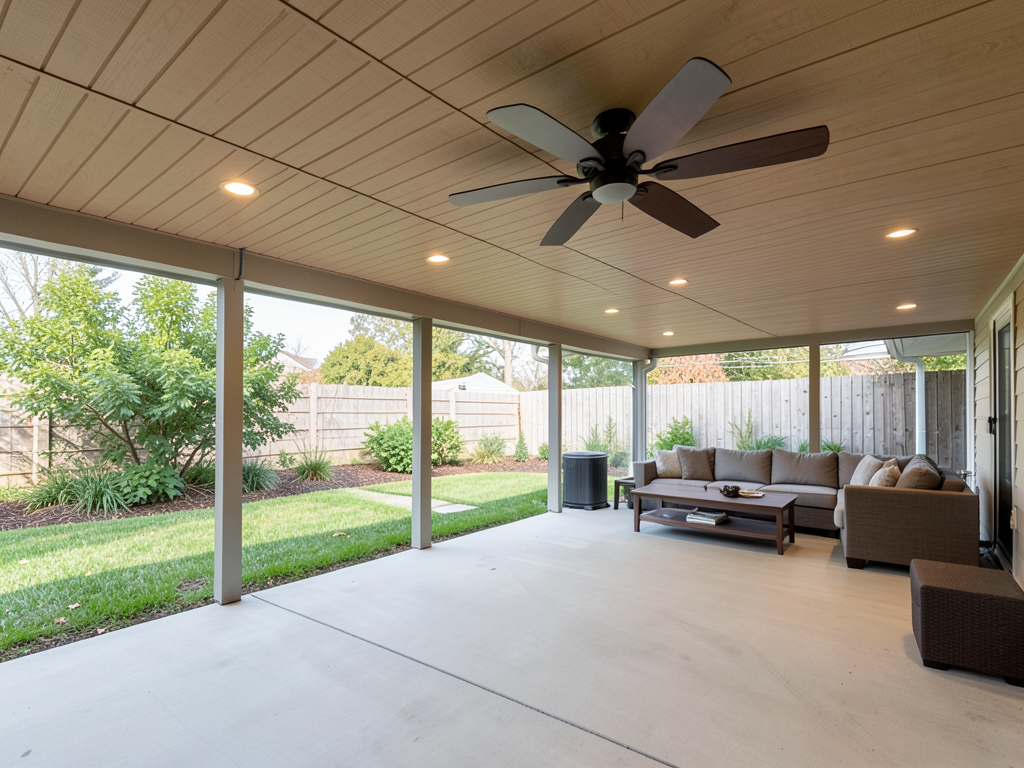
Ceiling finishes represent one of the most popular enhancements for under-deck spaces. Many drainage systems, particularly under-joist options like Zip-Up, come with pre-finished ceiling panels that create a clean, finished appearance. These panels often feature tongue-and-groove designs that mimic traditional porch ceilings and can be painted to match your home’s exterior or personal style preferences.
Lighting transforms the space from a daytime retreat to an evening entertainment area. Recessed can lights installed in the ceiling panels provide even illumination without hanging fixtures that might interfere with the open feel. LED strip lighting along the perimeter creates ambient lighting effects, while ceiling fans with integrated light kits provide both air circulation and illumination for hot Texas evenings.
Fans become essential in Trophy Club’s humid climate, where still air can make even shaded areas feel uncomfortably warm. Outdoor-rated ceiling fans create air movement that enhances evaporative cooling and keeps mosquitoes at bay. The airflow they generate can make a space feel 8-10 degrees cooler than the actual temperature, significantly improving comfort during summer months.
Privacy screens or lattice panels can define the space and provide protection from prevailing winds while maintaining the open, airy feel. These elements can be integrated with the drainage system’s support structure, creating a cohesive design that looks intentional rather than added on later.
Finally, consider the flooring surface below your deck. While the drainage system keeps the area dry from above, the ground surface may still become muddy during heavy rains. Concrete pavers, outdoor rugs designed for wet areas, or elevated decking tiles can create a finished floor surface that enhances the space’s usability and appearance.
Feature Integration Options
Popular enhancements for under-deck spaces include:
- Recessed ceiling lighting systems
- Outdoor-rated ceiling fans
- Privacy screening or lattice panels
- Finished ceiling materials
- Outdoor sound systems
- Retractable screens for insect control
- Under-deck heating elements for cooler months
These features can be added during the initial installation or incorporated later as your budget allows. Planning for them during the drainage system installation often proves more cost-effective than retrofitting later.
Common Problems and Troubleshooting
Even well-installed under-deck drainage systems can develop issues over time. Understanding common problems and their solutions helps you address issues quickly before they cause significant damage or reduce your system’s effectiveness.
Water leaks represent the most frequent complaint from homeowners with under-deck systems. These often occur at seams between drainage panels, around penetrations for ceiling fixtures, or where the system connects to your home’s exterior. Small leaks might appear as occasional drips during heavy rain, while larger breaches can create noticeable wet spots on your ceiling below.
Identifying leak sources requires systematic inspection during rainfall. Start at the highest point of your deck and work downward, looking for water dripping through joints or accumulating in unexpected areas. Pay special attention to corners and transitions where different materials meet, as these are common failure points.
Sagging or drooping drainage panels indicate inadequate support or excessive weight from debris accumulation. This problem often develops gradually as leaves and dirt build up in the channels, adding weight that stresses the mounting system. Regular cleaning prevents this issue, but severe sagging may require professional reinforcement of the support structure.
Mosquito breeding can become problematic if water manages to pool in small depressions or if the system has areas where water stands for more than 48-72 hours. Trophy Club’s warm, humid climate creates ideal conditions for mosquito reproduction, making proper drainage slope and regular cleaning essential for pest prevention.
Ice dam formation during rare freezing events can block drainage channels and cause water to back up under your deck boards. While Trophy Club doesn’t experience prolonged freezing conditions, the few days each year when temperatures drop below 32°F can create these temporary blockages. Proper system design includes features that minimize ice dam formation.
Troubleshooting Guide
Quick reference for common issues:
- Dripping sounds during rain: Check for loose connections or separated seams
- Water stains on ceiling: Inspect flashing and seals at deck-to-house connection
- Sagging panels: Remove debris and check support brackets for damage
- Mosquito presence: Verify proper slope and eliminate standing water areas
- Overflow during heavy rain: Check for clogged gutters or downspouts
Most minor issues can be resolved with basic tools and materials, but persistent problems or significant damage should be evaluated by professionals to prevent further complications.
ROI and Home Value Impact
Installing an under-deck drainage system represents not just a lifestyle improvement but also a potential investment in your home’s value. Understanding the return on investment helps justify the initial expense and guides decisions about system selection and additional features.
The primary value proposition lies in creating usable outdoor living space that effectively increases your home’s square footage without the cost of a traditional addition. In Trophy Club’s competitive real estate market, homes with well-designed outdoor living areas often command premium prices and attract more buyer interest.
Real estate professionals estimate that quality outdoor living improvements typically return 65-85% of their cost at resale, with well-executed projects sometimes exceeding this range in desirable neighborhoods. The exact return depends on factors including your home’s overall condition, the quality of the installation, and how well the new space integrates with your existing architecture.
Beyond direct financial returns, under-deck drainage systems provide lifestyle value that’s harder to quantify but equally important. The ability to use your outdoor space during rain showers, the comfort of shaded areas during hot summer days, and the expanded entertaining options all contribute to your home’s livability and your family’s enjoyment.
Energy efficiency represents another potential benefit. The shaded area created by your elevated deck and the new ceiling below can reduce heat gain through windows and doors on the level below, potentially lowering cooling costs during Trophy Club’s long summer season. While this effect varies based on your home’s specific orientation and design, many homeowners report noticeable improvements in comfort and energy usage.
Value Enhancement Factors
Elements that maximize your investment return include:
- Quality materials that match your home’s existing architecture
- Professional installation that ensures proper function
- Integration with existing outdoor living features
- Thoughtful lighting and ceiling finishes
- Maintenance-friendly design that ensures long-term performance
When evaluating the investment, consider both the tangible financial returns and the intangible lifestyle benefits that make your home more enjoyable for your family while you live there.
Choosing the Right Contractor in Trophy Club
Selecting the right contractor for your under-deck drainage project significantly impacts the final result’s quality, longevity, and your overall satisfaction. Trophy Club homeowners have several options, but understanding what distinguishes quality contractors helps you make the best choice for your specific needs.
Experience with local conditions should be your primary consideration. Contractors familiar with Trophy Club’s specific climate challenges, building codes, and common deck construction methods in the area will be better equipped to design and install systems that perform well long-term. Ask potential contractors about their experience with similar projects in your immediate area and request references from local homeowners.
Proper licensing and insurance protect you from liability and ensure the contractor meets minimum competency standards. In Texas, contractors must hold appropriate licenses for the work they perform, and they should carry both general liability and workers’ compensation insurance. Don’t hesitate to verify these credentials and ask for proof of insurance before signing any agreements.
Detailed proposals that explain the specific system being recommended, the installation process, and the warranty coverage demonstrate a contractor’s professionalism and attention to detail. Quality proposals include material specifications, project timelines, payment schedules, and clear descriptions of what’s included in the price versus what might constitute additional charges.
Warranty coverage varies significantly between contractors and system manufacturers. Look for comprehensive warranties that cover both materials and workmanship for reasonable periods. Be wary of contractors who can’t explain warranty terms clearly or who seem reluctant to put warranty information in writing.
Communication style and responsiveness often indicate how smoothly the project will proceed. Contractors who return calls promptly, answer questions thoroughly, and keep you informed about project progress typically deliver better overall experiences. The installation process can take several days and may require some adjustment to your daily routine, so working with someone who communicates well makes the process much more pleasant.
Questions to Ask Potential Contractors
Before hiring a contractor, ask these key questions:
- How many under-deck drainage systems have you installed in Trophy Club?
- Can you provide references from local homeowners?
- Are you licensed and insured for this type of work?
- What specific system do you recommend for my deck and why?
- What warranties cover the materials and workmanship?
- Will you handle permitting if required?
- How do you ensure proper integration with my existing roof drainage?
The answers to these questions, combined with your overall impression of the contractor’s knowledge and professionalism, will guide you toward the right choice for your project.
Conclusion
Creating a dry outdoor space under your elevated Trophy Club deck transforms an underutilized area into valuable living space that enhances your home’s functionality and appeal. By understanding the available system types, material options, and local climate considerations, you can make informed decisions that result in a space you’ll enjoy for years to come.
The investment in quality materials and professional installation pays dividends through increased usable space, improved outdoor living comfort, and potential home value appreciation. Whether you choose an over-joist system like Trex RainEscape for new construction or an under-joist option like Zip-Up for retrofitting your existing deck, the key is selecting solutions that address Trophy Club’s specific weather challenges while meeting your lifestyle needs.
Proper maintenance ensures your under-deck drainage system continues performing effectively, protecting your investment and maintaining the dry, comfortable space you’ve created. With seasonal cleaning, periodic inspections, and prompt attention to any issues that arise, your new outdoor living area will provide years of enjoyment through Texas thunderstorms and scorching summer days alike.
Ready to transform your under-deck space into a dry, usable outdoor living area? Call (214) 204-2077 today to schedule your inspection and get a personalized quote for your Trophy Club home. Don’t let another rainy season go by without maximizing your outdoor living potential.
Frequently Asked Questions
How much does it cost to install an under-deck drainage system in Trophy Club?
Costs typically range from $8-22 per square foot depending on the system type, with basic vinyl systems starting around $5,000 for an average deck and premium aluminum or PVC systems ranging from $12,000-25,000. Factors affecting price include deck size, accessibility, and whether you’re retrofitting an existing deck or installing during new construction.
Can I install an under-deck drainage system myself?
While DIY kits are available for $4-10 per square foot, professional installation is recommended for most homeowners. DIY installation requires working in confined spaces, ensuring proper slope and drainage, and correctly integrating with your home’s existing roofing system. Mistakes can lead to water damage that costs far more to repair than professional installation would have cost. Spray Foam Roofing.
How long does installation take?
Most under-deck drainage installations take 2-4 days depending on deck size and complexity. Retrofitting existing decks often takes longer than installing during new construction because it requires working around existing structures and potentially removing some deck boards to access the framing.
Will an under-deck system affect my deck’s warranty?
Quality under-deck drainage systems are designed to work with standard deck construction methods and typically don’t void deck warranties. However, installation methods that require modifying deck boards or structural members could potentially affect warranties. Always check with your deck manufacturer and discuss installation methods with your contractor before proceeding.
How do I maintain my under-deck drainage system?
Maintenance involves cleaning gutters and downspouts twice yearly, inspecting seams and connections annually, and checking flashing where the deck meets your home. Most systems require only basic cleaning tools and a ladder, though some homeowners prefer professional maintenance service for hard-to-reach areas or complex systems.
Does the system work during heavy rain?
Quality under-deck drainage systems are designed to handle heavy rainfall typical of Trophy Club’s spring and summer storms. The key is proper sizing of gutters and downspouts and ensuring the system has adequate slope to move water quickly away from the structure. Most systems can handle rainfall rates exceeding 6 inches per hour.
Can I add lighting or fans to my under-deck space?
Yes, most under-deck drainage systems can accommodate ceiling finishes, recessed lighting, and outdoor-rated ceiling fans. Many systems, particularly under-joist options, come with pre-finished ceiling panels designed for these additions. Electrical work should be performed by licensed electricians familiar with outdoor installations.
Will the system eliminate all water from under my deck?
While quality systems significantly reduce water penetration, minor condensation or occasional drips may still occur, particularly in high humidity conditions. The goal is to create a usable, mostly dry space rather than a completely sealed environment. Proper system design and installation minimize these issues to acceptable levels.
Do I need a permit for under-deck drainage installation?
Most under-deck drainage installations don’t require permits as they’re considered minor modifications. However, if your project involves structural changes to your deck, modifications to your home’s exterior, or alterations to your primary roof drainage system, permits may be required. Your contractor can advise on specific requirements for your project.
How does the system handle freezing temperatures?
Quality systems are designed to accommodate the occasional freezing temperatures Trophy Club experiences. Proper installation includes features that prevent water from pooling where it could freeze and cause damage. While ice dams can form during rare extended freezes, well-designed systems minimize these issues and prevent damage to the drainage components.
Call (214) 204-2077 today to schedule your inspection and get a personalized quote for your Trophy Club home. Don’t let another rainy season go by without maximizing your outdoor living potential.
[IMAGE_PLACEHOLDER_3>
Ready to create your dry outdoor space? Call (214) 204-2077 today to schedule your inspection and get a personalized quote for your Trophy Club home. Don’t let another rainy season go by without maximizing your outdoor living potential.
- Schedule Your Inspection
Call (214) 204-2077 to arrange a convenient time for our team to evaluate your deck and discuss your needs.
- Receive Your Custom Proposal
We’ll provide detailed recommendations and transparent pricing for your under-deck drainage solution.
- Professional Installation
Our experienced team will install your system efficiently, typically completing most projects in 2-4 days.
- Enjoy Your New Space
Start using your dry, comfortable outdoor living area immediately after installation.
Call (214) 204-2077 today to schedule your inspection and get a personalized quote for your Trophy Club home. Don’t let another rainy season go by without maximizing your outdoor living potential.
Learn more about roofing costs in Dallas
Discover metal roofing options
Explore commercial roofing solutions
Protect your home before the next storm
Find trusted roofing professionals
{
“@context”: “https://schema.org”,
“@type”: “BlogPosting”,
“headline”: “Creating a Dry Outdoor Space Under Your Elevated Trophy Club Deck and Roof”,
“description”: “Learn how to create a dry outdoor living space under your elevated deck in Trophy Club. Discover drainage systems, installation tips, and local climate considerations.”,
“wordCount”: 5191,
“datePublished”: “2026-05-30T12:14:00.000Z”,
“dateModified”: “2026-05-30T12:14:00.000Z”,
“inLanguage”: “en-US”,
“mainEntityOfPage”: {
“@type”: “WebPage”,
“@id”: “https://grandroofingdallas.com”
},
“publisher”: {
“@type”: “LocalBusiness”,
“name”: “Grand Roofing Dallas”,
“url”: “https://grandroofingdallas.com”
},
“author”: {
“@type”: “Organization”,
“name”: “Grand Roofing Dallas”,
“url”: “https://grandroofingdallas.com”
},
“image”: {
“@type”: “ImageObject”,
“url”: “https://grandroofingdallas.com/wp-content/uploads/2026/03/creating-a-dry-outdoor-space-under-your-elevated-t-1.png”
}
}
{
“@context”: “https://schema.org”,
“@type”: “RoofingContractor”,
“name”: “Grand Roofing Dallas”,
“url”: “https://grandroofingdallas.com”,
“address”: {
“@type”: “PostalAddress”,
“addressLocality”: “Dallas”
},
“areaServed”: {
“@type”: “City”,
“name”: “Dallas”
}
}
{
“@context”: “https://schema.org”,
“@type”: “FAQPage”,
“mainEntity”: [
{
“@type”: “Question”,
“name”: “How much does it cost to install an under-deck drainage system in Trophy Club?”,
“acceptedAnswer”: {
“@type”: “Answer”,
“text”: “Costs typically range from $8-22 per square foot depending on the system type, with basic vinyl systems starting around $5,000 for an average deck and premium aluminum or PVC systems ranging from $12,000-25,000. Factors affecting price include deck size, accessibility, and whether you’re retrofitting an existing deck or installing during new construction.”
}
},
{
“@type”: “Question”,
“name”: “Can I install an under-deck drainage system myself?”,
“acceptedAnswer”: {
“@type”: “Answer”,
“text”: “While DIY kits are available for $4-10 per square foot, professional installation is recommended for most homeowners. DIY installation requires working in confined spaces, ensuring proper slope and drainage, and correctly integrating with your home’s existing roofing system. Mistakes can lead to water damage that costs far more to repair than professional installation would have cost. Spray Foam Roofing.”
}
},
{
“@type”: “Question”,
“name”: “How long does installation take?”,
“acceptedAnswer”: {
“@type”: “Answer”,
“text”: “Most under-deck drainage installations take 2-4 days depending on deck size and complexity. Retrofitting existing decks often takes longer than installing during new construction because it requires working around existing structures and potentially removing some deck boards to access the framing.”
}
},
{
“@type”: “Question”,
“name”: “Will an under-deck system affect my deck’s warranty?”,
“acceptedAnswer”: {
“@type”: “Answer”,
“text”: “Quality under-deck drainage systems are designed to work with standard deck construction methods and typically don’t void deck warranties. However, installation methods that require modifying deck boards or structural members could potentially affect warranties. Always check with your deck manufacturer and discuss installation methods with your contractor before proceeding.”
}
},
{
“@type”: “Question”,
“name”: “How do I maintain my under-deck drainage system?”,
“acceptedAnswer”: {
“@type”: “Answer”,
“text”: “Maintenance involves cleaning gutters and downspouts twice yearly, inspecting seams and connections annually, and checking flashing where the deck meets your home. Most systems require only basic cleaning tools and a ladder, though some homeowners prefer professional maintenance service for hard-to-reach areas or complex systems.”
}
},
{
“@type”: “Question”,
“name”: “Does the system work during heavy rain?”,
“acceptedAnswer”: {
“@type”: “Answer”,
“text”: “Quality under-deck drainage systems are designed to handle heavy rainfall typical of Trophy Club’s spring and summer storms. The key is proper sizing of gutters and downspouts and ensuring the system has adequate slope to move water quickly away from the structure. Most systems can handle rainfall rates exceeding 6 inches per hour.”
}
},
{
“@type”: “Question”,
“name”: “Can I add lighting or fans to my under-deck space?”,
“acceptedAnswer”: {
“@type”: “Answer”,
“text”: “Yes, most under-deck drainage systems can accommodate ceiling finishes, recessed lighting, and outdoor-rated ceiling fans. Many systems, particularly under-joist options, come with pre-finished ceiling panels designed for these additions. Electrical work should be performed by licensed electricians familiar with outdoor installations.”
}
},
{
“@type”: “Question”,
“name”: “Will the system eliminate all water from under my deck?”,
“acceptedAnswer”: {
“@type”: “Answer”,
“text”: “While quality systems significantly reduce water penetration, minor condensation or occasional drips may still occur, particularly in high humidity conditions. The goal is to create a usable, mostly dry space rather than a completely sealed environment. Proper system design and installation minimize these issues to acceptable levels.”
}
},
{
“@type”: “Question”,
“name”: “Do I need a permit for under-deck drainage installation?”,
“acceptedAnswer”: {
“@type”: “Answer”,
“text”: “Most under-deck drainage installations don’t require permits as they’re considered minor modifications. However, if your project involves structural changes to your deck, modifications to your home’s exterior, or alterations to your primary roof drainage system, permits may be required. Your contractor can advise on specific requirements for your project.”
}
},
{
“@type”: “Question”,
“name”: “How does the system handle freezing temperatures?”,
“acceptedAnswer”: {
“@type”: “Answer”,
“text”: “Quality systems are designed to accommodate the occasional freezing temperatures Trophy Club experiences. Proper installation includes features that prevent water from pooling where it could freeze and cause damage. While ice dams can form during rare extended freezes, well-designed systems minimize these issues and prevent damage to the drainage components.”
}
}
]
}
{
“@context”: “https://schema.org”,
“@type”: “HowTo”,
“name”: “Under-Deck Drainage Installation”,
“step”: [
{
“@type”: “HowToStep”,
“position”: 1,
“name”: “Deck Inspection and Preparation”,
“text”: “Examine deck structure for damage, clean joist surfaces, and verify deck board spacing meets system requirements.”
},
{
“@type”: “HowToStep”,
“position”: 2,
“name”: “Layout and Planning”,
“text”: “Determine drainage slope direction, locate downspout positions, and plan flashing integration with existing roof systems.”
},
{
“@type”: “HowToStep”,
“position”: 3,
“name”: “System Installation”,
“text”: “Install membrane or panels according to manufacturer specifications, ensuring proper overlap and slope of at least 1/4 inch per foot.”
},
{
“@type”: “HowToStep”,
“position”: 4,
“name”: “Gutter and Downspout Integration”,
“text”: “Install gutters along deck edges and connect downspouts to direct water away from foundation.”
},
{
“@type”: “HowToStep”,
“position”: 5,
“name”: “Flashing and Sealing”,
“text”: “Install metal flashing where deck meets house, seal all joints, and verify water flows away from structure.”
}
],
“image”: “https://grandroofingdallas.com/wp-content/uploads/2026/03/creating-a-dry-outdoor-space-under-your-elevated-t-1.png”
}
{
“@context”: “https://schema.org”,
“@type”: “BreadcrumbList”,
“itemListElement”: [
{
“@type”: “ListItem”,
“position”: 1,
“name”: “Home”,
“item”: “https://grandroofingdallas.com”
},
{
“@type”: “ListItem”,
“position”: 2,
“name”: “Blog”,
“item”: “https://grandroofingdallas.com/blog”
},
{
“@type”: “ListItem”,
“position”: 3,
“name”: “Creating a Dry Outdoor Space Under Your Elevated Trophy Club Deck and Roof”
}
]
}
{
“@context”: “https://schema.org”,
“@type”: “Service”,
“serviceType”: “Roofing”,
“provider”: {
“@type”: “LocalBusiness”,
“name”: “Grand Roofing Dallas”,
“url”: “https://grandroofingdallas.com”
},
“areaServed”: {
“@type”: “City”,
“name”: “Dallas”
},
“description”: “Learn how to create a dry outdoor living space under your elevated deck in Trophy Club. Discover drainage systems, installation tips, and local climate considerations.”
}