
Dealing with Moss or Lichen on Heavily Shaded Turtle Creek Roofs
The lush canopy of live oaks and pecans that makes Turtle Creek so beautiful also creates the perfect conditions for moss and lichen growth on your roof. These moisture-loving organisms thrive in the constant shade and humidity trapped by dense tree cover, slowly breaking down your roofing materials and creating slippery, unsafe conditions. Here’s what every Turtle Creek homeowner needs to know about safely removing moss and preventing its return. The Benefits of TPO Roofing Systems for Richardson Industrial Properties.
Moss appears as green, fuzzy patches that hold moisture against your shingles, while lichen forms flat, crusty growths that can actually etch into asphalt over time. Both are more than just cosmetic issues – they can significantly shorten your roof’s lifespan and create dangerous walking conditions for anyone attempting DIY removal. Asphalt Roofing Manufacturers Association (ARMA).
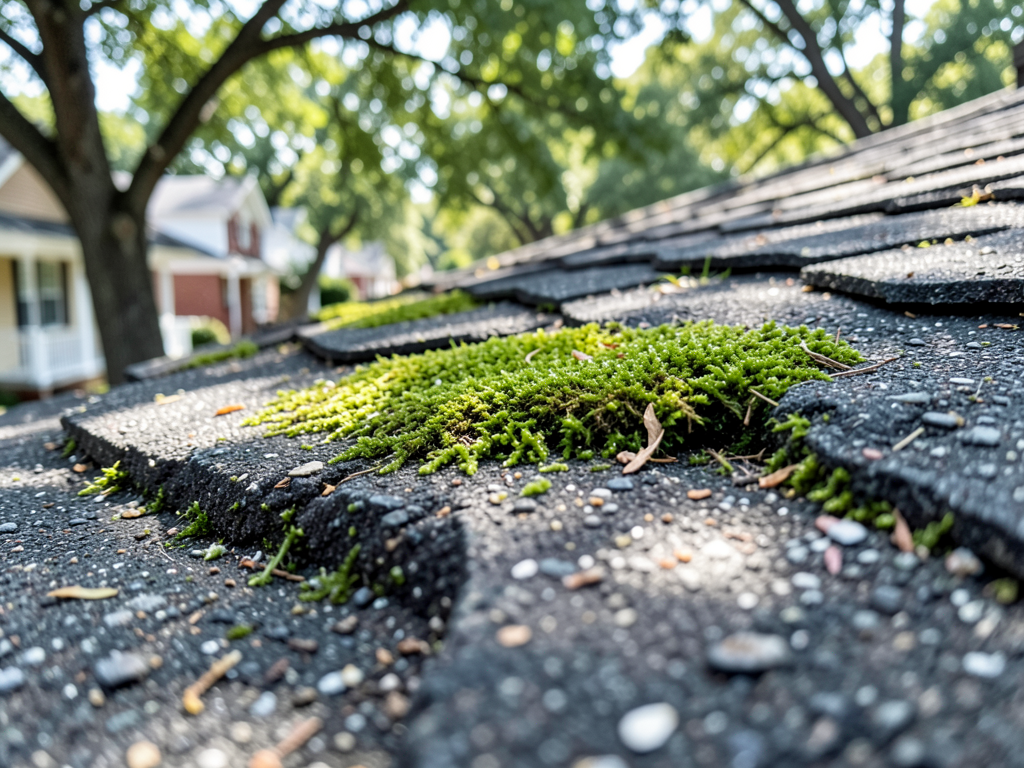
Why Turtle Creek Homes Are Especially Vulnerable to Moss Growth
Turtle Creek’s unique microclimate creates ideal conditions for moss and lichen. The neighborhood’s mature tree canopy, primarily consisting of live oaks and pecans, blocks sunlight from reaching roof surfaces for most of the day. Combined with North Texas’s high humidity levels during spring and fall, this creates a consistently damp environment where moss thrives. Texas Department of Agriculture.
Many Turtle Creek homes were built in the 1950s-1970s with roofing materials that are now reaching the end of their service life. Older asphalt shingles with worn granules provide the perfect porous surface for moss spores to take hold. The area’s proximity to Turtle Creek itself adds to the moisture problem, as morning fog and higher humidity levels are common near the waterway. Roofing Balch Springs.
Local building patterns also contribute to the problem. Many homes feature complex roof designs with multiple valleys and shaded areas where debris accumulates. Pine needles, oak leaves, and other organic matter create a nutrient-rich environment that feeds moss growth. Without regular cleaning, this debris becomes a perfect growing medium for spores carried by wind and birds.
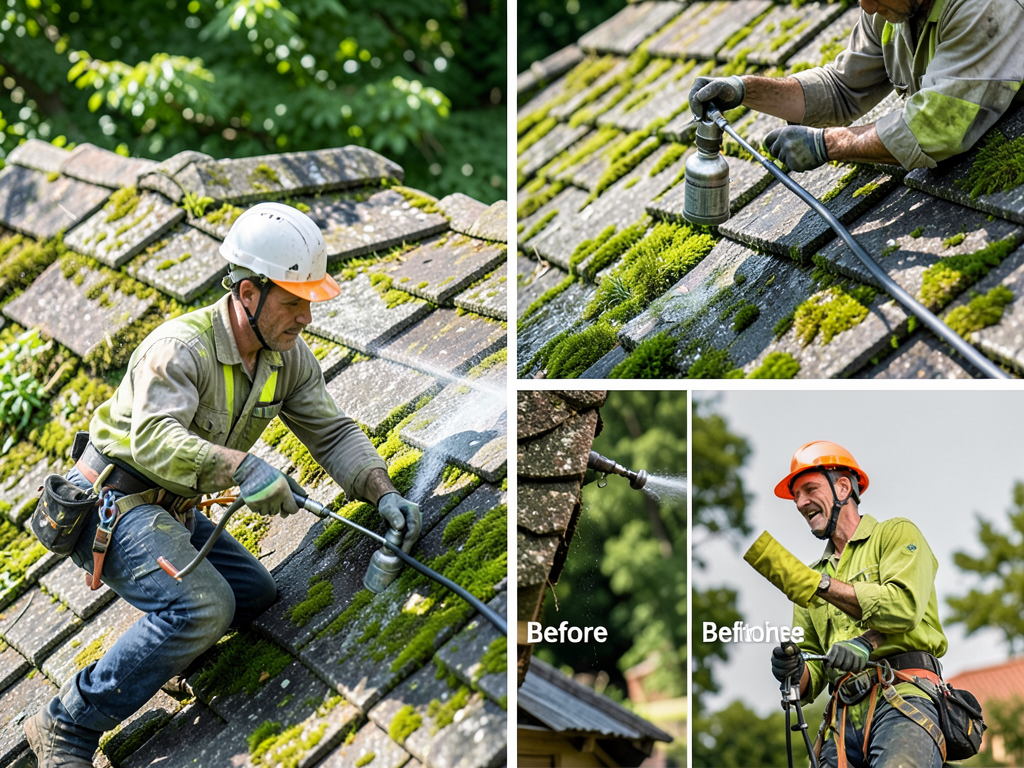
Safety First: Equipment and Precautions for Moss Removal
Before attempting any moss removal, understand that working on a moss-covered roof is extremely dangerous. The organisms create a slick, almost ice-like surface that makes walking treacherous. North Texas heat adds another layer of risk – roof surfaces can reach 150°F on summer days, creating serious burn and heat exhaustion hazards.
Essential safety equipment includes a properly fitted safety harness with roof anchor points, non-slip rubber-soled boots, safety glasses, and chemical-resistant gloves. A sturdy extension ladder with stabilizers is crucial – never lean a ladder directly against moss-covered shingles. Consider using a ladder standoff to prevent damage to your gutters.
Heat safety is critical in Dallas summers. Work only during early morning hours when temperatures are below 85°F. Take frequent breaks in shaded areas and stay hydrated. Never work alone – have someone on the ground to assist with equipment and call for help if needed. If your roof pitch exceeds 6:12, consider hiring professionals regardless of your DIY confidence level.
Step-by-Step Moss Removal Process
Start by gently removing loose debris with a leaf blower or soft-bristle brush. Never use a metal scraper or power washer, as these can damage asphalt shingles and void your warranty. Work from the ridge down to prevent pushing debris under intact shingles. Deciding if a Metal Roof is the Right Choice for Your North Dallas Home.
Apply a specialized roof cleaning solution – a 50/50 mixture of water and sodium hypochlorite (pool shock) is effective for moss removal. Commercial roof cleaning products containing quaternary ammonium compounds are also safe for asphalt shingles. Apply the solution using a garden sprayer, working in small sections to prevent the solution from drying too quickly in the Texas sun.
Allow the solution to dwell for 15-20 minutes, then gently rinse with a garden hose at low pressure. Never use a pressure washer, as the high pressure can strip granules from shingles and force water under the roofing material. The moss will turn white and die within 24-48 hours, then gradually wash away with rain.
For stubborn areas, a soft-bristle brush can help loosen dead moss, but avoid aggressive scrubbing. The goal is to kill the moss and allow it to naturally decompose, not to physically remove every trace immediately. This gentle approach protects your shingles while effectively eliminating the moss problem.. Read more about Getting More Natural Light with Solatubes instead of Traditional Skylights in Rowlett.
The #1 Mistake: Why Pressure Washing Destroys Dallas Roofs
Pressure washing might seem like the fastest solution, but it’s actually the quickest way to destroy your roof. The Asphalt Roofing Manufacturers Association (ARMA) specifically warns against high-pressure washing, as it can remove the protective granules that shield your shingles from UV damage and impact.
In North Texas, where hail is common, maintaining those protective granules is crucial. Once removed, your shingles become vulnerable to accelerated aging and may fail warranty requirements. The high pressure can also force water under shingles, leading to leaks and wood rot in your roof deck – a much more expensive problem than moss.
Beyond physical damage, pressure washing can actually spread moss spores to other areas of your roof or landscaping. The powerful spray creates a mist that carries microscopic spores, potentially starting new growth where you least want it. Professional soft washing methods use controlled pressure below 100 PSI specifically to avoid these problems.
Preventing Future Moss Growth in Turtle Creek
Long-term prevention requires addressing the root causes of moss growth. Start by trimming tree branches that overhang your roof, allowing more sunlight to reach the surface. Remove at least 10 feet of clearance around your roof perimeter to improve air circulation and reduce shade.
Install zinc or copper strips along your roof ridge. When it rains, these metals release trace amounts that flow down your roof, creating an environment where moss cannot survive. This passive prevention method works continuously and is particularly effective in Turtle Creek’s humid climate.
Regular maintenance is crucial. Schedule professional roof cleaning every 2-3 years, or more frequently if your property has heavy tree coverage. Keep gutters clean and ensure proper drainage to prevent water from backing up under shingles. Consider upgrading to algae-resistant shingles when it’s time for replacement – these contain copper granules that inhibit moss and algae growth. How Much a Full Roof Replacement Really Costs in the Dallas Area.
When to Call a Dallas Professional Roofer
While DIY moss removal is possible for single-story homes with gentle slopes, certain situations demand professional help. If your roof pitch exceeds 6:12, the risk of falls becomes too high for untrained individuals. Professional roofers have the equipment and training to work safely on steep slopes.
Call professionals if you notice signs of underlying damage. Moss often grows over existing problems like cracked shingles, damaged flashing, or wood rot. A professional inspection can identify these issues before they become major leaks. This is especially important in older Turtle Creek homes where original roofing materials may be nearing the end of their lifespan. Why a Pre-Storm Roof Inspection is Vital for Every Lake Highlands Homeowner.
Professional services are also worth considering for large roofs or homes with complex architectural features. The time and equipment investment for DIY cleaning often exceeds the cost of professional service, especially when you factor in the risk of injury or accidental damage to your roof.
Understanding the Dallas Climate Impact on Moss Growth
North Texas’s climate creates unique challenges for moss control. Our region experiences dramatic temperature swings – from freezing winter nights to 100°F summer days. These cycles cause roofing materials to expand and contract, creating tiny cracks where moss spores can establish themselves.
Humidity patterns in the Dallas area are particularly favorable for moss growth. Spring and fall bring frequent rainfall and high humidity levels, creating the damp conditions moss needs to thrive. Unlike northern climates where moss growth is limited by harsh winters, our mild winters allow moss to grow year-round.
Local tree species also play a role. Live oaks, common in Turtle Creek, retain their leaves throughout winter, providing year-round shade and organic debris. Pecan trees drop leaves in fall, creating seasonal accumulations that trap moisture against your roof. Understanding these local factors helps you develop more effective prevention strategies.
Cost Analysis: DIY vs. Professional Moss Removal in Dallas
DIY moss removal requires an initial investment of $100-200 for equipment and cleaning solutions. This includes a safety harness, non-slip boots, cleaning chemicals, and basic tools. However, factor in your time – a typical roof takes 6-8 hours to clean properly, and you’ll need good weather conditions to work safely.
Professional moss removal in Dallas typically costs $300-600 for an average-sized home, depending on roof complexity and moss severity. Professionals bring commercial-grade equipment, safety gear, and experience that ensures the job is done correctly without damaging your roof. They also provide liability insurance, protecting you from accidents.
Consider the long-term costs of improper DIY attempts. Pressure washing damage can void your roof warranty and lead to premature replacement needs. Professional services often include inspections that catch minor issues before they become major repairs. For most Turtle Creek homeowners, professional cleaning proves more cost-effective over the long term.
Environmental Considerations for Dallas Homeowners
Dallas County has specific regulations about chemical runoff into storm drains. When cleaning your roof, be mindful of where cleaning solutions flow. Avoid allowing chemicals to enter storm drains, as they can harm local waterways and wildlife. Use biodegradable cleaning products when possible and rinse surrounding vegetation thoroughly.
The timing of your cleaning matters for both effectiveness and environmental impact. Clean your roof during dry periods when rain won’t immediately wash away cleaning solutions. Early morning applications allow solutions to work effectively before the intense Texas sun causes rapid evaporation.
Consider the environmental impact of moss itself. While it may seem natural, moss holds moisture against your roof, potentially leading to premature replacement needs. A roof that needs replacement every 15 years instead of 25 creates significantly more waste and resource consumption. Effective moss control actually supports environmental sustainability.
Local Resources and Professional Services
Several Dallas-based companies specialize in soft washing techniques that are safe for your roof. Look for contractors certified by the Roof Cleaning Institute of America or those with specific experience in North Texas climate conditions. Ask about their cleaning methods and ensure they use low-pressure techniques compliant with ARMA guidelines.
Local building codes in Dallas require proper licensing for roofing work. Verify that any contractor you hire carries appropriate insurance and licensing through the Texas Department of Licensing and Regulation. For Turtle Creek homes, especially those in historic districts, ensure your contractor understands any special preservation requirements.
Community resources can help you find reliable services. The Turtle Creek Association often maintains lists of vetted contractors familiar with the neighborhood’s specific needs. Local hardware stores can recommend appropriate cleaning products and sometimes offer equipment rental for DIY projects.
Frequently Asked Questions
Is moss on my roof dangerous to my family’s health?
Moss itself isn’t typically harmful to human health, but it creates slippery surfaces that can cause falls during maintenance. Some people may experience mild allergic reactions to moss spores, though this is uncommon. The main concern is structural – moss retains moisture that can damage your roof and lead to leaks.
How long does it take for moss to grow back after cleaning?
Under ideal conditions in Turtle Creek, moss can begin regrowing within 6-12 months after cleaning. However, with proper prevention measures like zinc strips and improved sunlight exposure, you can extend this to 2-3 years or longer. Regular maintenance is key to preventing rapid regrowth.
Will moss damage my roof warranty?
Moss itself typically doesn’t void warranties, but the methods used to remove it can. Pressure washing or aggressive scraping can definitely void your warranty by damaging shingles. Always check your warranty terms and use only manufacturer-approved cleaning methods to maintain coverage.
Can I use household bleach to kill moss?
While household bleach can kill moss, it’s not recommended for roof cleaning. It can damage landscaping, corrode metal flashing, and create harmful fumes. Professional roof cleaning solutions are specifically formulated to be effective yet safe for your roof and surrounding environment.
How do I know if I need a full roof replacement instead of just cleaning?
Signs you may need replacement include widespread granule loss, multiple missing or cracked shingles, sagging areas, or if your roof is over 20 years old with significant moss coverage. A professional inspection can determine whether cleaning will be sufficient or if replacement is the better investment.
Take Action Before Moss Damages Your Roof
Moss and lichen may seem like minor cosmetic issues, but they’re actually slowly eating away at your roof’s protective layers. In Turtle Creek’s humid, shaded environment, these organisms can cause significant damage if left untreated. The good news is that with proper removal techniques and prevention strategies, you can protect your investment and maintain your home’s curb appeal.
Whether you choose DIY methods or professional services, addressing moss growth early prevents more expensive repairs down the road. Remember that safety should always be your top priority – never risk injury on a slippery, moss-covered surface. If you’re unsure about tackling the project yourself, professional roofers have the equipment and expertise to handle the job safely and effectively.
Don’t wait until moss causes leaks or structural damage. Take action now to protect your Turtle Creek home. For professional moss removal and roof inspection services, call (214) 204-2077 today to schedule your appointment. Our Dallas-based team understands the unique challenges of our local climate and can help you keep your roof in top condition for years to come.
{
“@context”: “https://schema.org”,
“@type”: “BlogPosting”,
“headline”: “Dealing with Moss or Lichen on Heavily Shaded Turtle Creek Roofs”,
“description”: “Turtle Creek’s dense tree canopy creates perfect conditions for moss growth. Learn safe removal methods, prevention tips, and when to call Dallas professionals for your shaded roof.”,
“wordCount”: 2276,
“datePublished”: “2026-04-13T06:11:00.000Z”,
“dateModified”: “2026-04-13T06:11:00.000Z”,
“inLanguage”: “en-US”,
“mainEntityOfPage”: {
“@type”: “WebPage”,
“@id”: “https://grandroofingdallas.com”
},
“publisher”: {
“@type”: “LocalBusiness”,
“name”: “Grand Roofing Dallas”,
“url”: “https://grandroofingdallas.com”
},
“author”: {
“@type”: “Organization”,
“name”: “Grand Roofing Dallas”,
“url”: “https://grandroofingdallas.com”
},
“image”: {
“@type”: “ImageObject”,
“url”: “https://grandroofingdallas.com/wp-content/uploads/2026/03/dealing-with-moss-or-lichen-on-heavily-shaded-turt-1.png”
}
}
{
“@context”: “https://schema.org”,
“@type”: “RoofingContractor”,
“name”: “Grand Roofing Dallas”,
“url”: “https://grandroofingdallas.com”,
“address”: {
“@type”: “PostalAddress”,
“addressLocality”: “Dallas”
},
“areaServed”: {
“@type”: “City”,
“name”: “Dallas”
}
}
{
“@context”: “https://schema.org”,
“@type”: “FAQPage”,
“mainEntity”: [
{
“@type”: “Question”,
“name”: “Is moss on my roof dangerous to my family’s health?”,
“acceptedAnswer”: {
“@type”: “Answer”,
“text”: “Moss itself isn’t typically harmful to human health, but it creates slippery surfaces that can cause falls during maintenance. Some people may experience mild allergic reactions to moss spores, though this is uncommon. The main concern is structural – moss retains moisture that can damage your roof and lead to leaks.”
}
},
{
“@type”: “Question”,
“name”: “How long does it take for moss to grow back after cleaning?”,
“acceptedAnswer”: {
“@type”: “Answer”,
“text”: “Under ideal conditions in Turtle Creek, moss can begin regrowing within 6-12 months after cleaning. However, with proper prevention measures like zinc strips and improved sunlight exposure, you can extend this to 2-3 years or longer. Regular maintenance is key to preventing rapid regrowth.”
}
},
{
“@type”: “Question”,
“name”: “Will moss damage my roof warranty?”,
“acceptedAnswer”: {
“@type”: “Answer”,
“text”: “Moss itself typically doesn’t void warranties, but the methods used to remove it can. Pressure washing or aggressive scraping can definitely void your warranty by damaging shingles. Always check your warranty terms and use only manufacturer-approved cleaning methods to maintain coverage.”
}
},
{
“@type”: “Question”,
“name”: “Can I use household bleach to kill moss?”,
“acceptedAnswer”: {
“@type”: “Answer”,
“text”: “While household bleach can kill moss, it’s not recommended for roof cleaning. It can damage landscaping, corrode metal flashing, and create harmful fumes. Professional roof cleaning solutions are specifically formulated to be effective yet safe for your roof and surrounding environment.”
}
},
{
“@type”: “Question”,
“name”: “How do I know if I need a full roof replacement instead of just cleaning?”,
“acceptedAnswer”: {
“@type”: “Answer”,
“text”: “Signs you may need replacement include widespread granule loss, multiple missing or cracked shingles, sagging areas, or if your roof is over 20 years old with significant moss coverage. A professional inspection can determine whether cleaning will be sufficient or if replacement is the better investment.”
}
}
]
}
{
“@context”: “https://schema.org”,
“@type”: “BreadcrumbList”,
“itemListElement”: [
{
“@type”: “ListItem”,
“position”: 1,
“name”: “Home”,
“item”: “https://grandroofingdallas.com”
},
{
“@type”: “ListItem”,
“position”: 2,
“name”: “Blog”,
“item”: “https://grandroofingdallas.com/blog”
},
{
“@type”: “ListItem”,
“position”: 3,
“name”: “Dealing with Moss or Lichen on Heavily Shaded Turtle Creek Roofs”
}
]
}
{
“@context”: “https://schema.org”,
“@type”: “Service”,
“serviceType”: “Roofing”,
“provider”: {
“@type”: “LocalBusiness”,
“name”: “Grand Roofing Dallas”,
“url”: “https://grandroofingdallas.com”
},
“areaServed”: {
“@type”: “City”,
“name”: “Dallas”
},
“description”: “Turtle Creek’s dense tree canopy creates perfect conditions for moss growth. Learn safe removal methods, prevention tips, and when to call Dallas professionals for your shaded roof.”
}