
Finding Sand in Your Gutters? What Granule Loss Means for Your Roof’s Lifespan
Those tiny granules collecting in your gutters aren’t just dirt—they’re the protective armor wearing off your asphalt shingles. In Dallas’s intense UV and hail climate, granule loss is often the first visible sign your roof is aging faster than expected. Here’s what that sand means and when it’s time to call a professional.
Why Asphalt Shingles Have Granules (And Why They Matter)
Asphalt shingles rely on ceramic-coated mineral granules as their first line of defense. These granules shield the asphalt mat from UV radiation, provide fire resistance, and create the color and texture you see. Without them, the underlying asphalt becomes brittle and cracks under Dallas’s 100°F+ summer days.
Under a microscope, these granules look like tiny stones embedded in tar. When they dislodge, the black asphalt underneath begins to oxidize rapidly. In North Texas, where we get 230+ days of strong sun annually, this exposure accelerates deterioration by 30-50% compared to milder climates. Texas Department of Insurance.
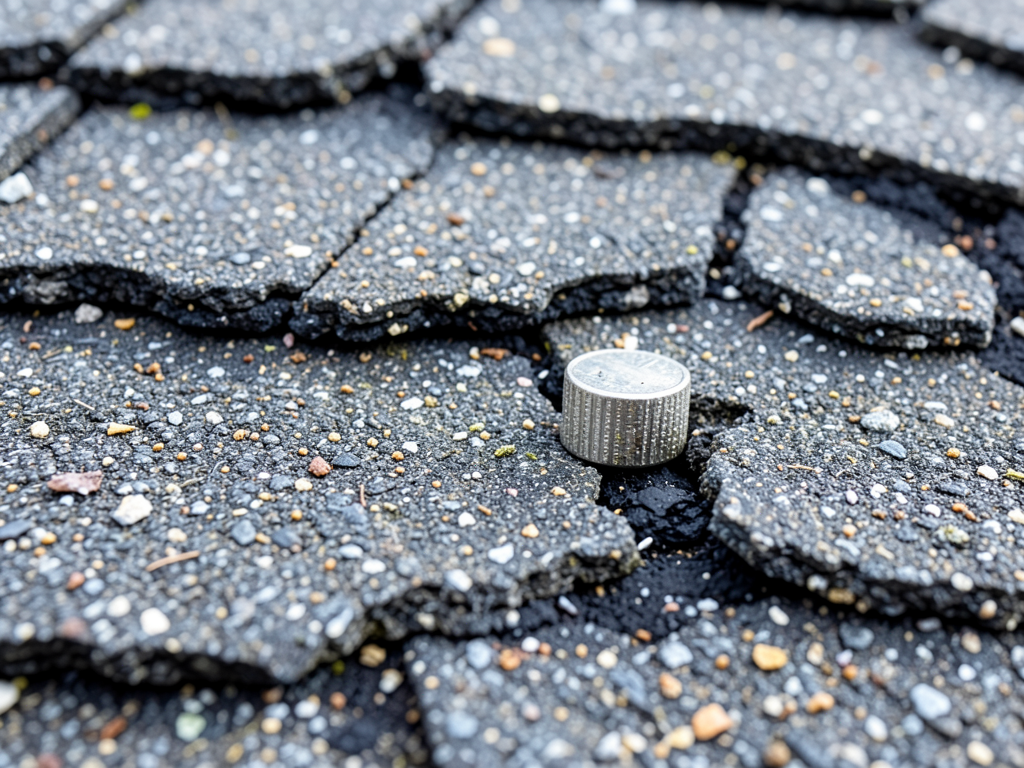
New Roof vs. Old Roof: Understanding Normal Granule Shedding
Finding some granules in your gutters right after a new roof installation is completely normal. During manufacturing and installation, loose granules remain on the surface. Dallas’s first major thunderstorm typically washes away 10-15% of these excess granules within the first year.
The difference between normal shedding and problematic loss comes down to timing and volume. If you’re finding consistent piles of granules months or years after installation—especially in areas without recent storms—that’s accelerated aging. A simple test: run your hand across a shingle. If you pick up visible granules or see bald spots, your roof is losing its protective layer faster than it should. Choosing Between the Most Trusted Roofing Companies in the Dallas Metroplex.
Dallas Weather’s Role in Accelerated Granule Loss
North Texas weather creates a perfect storm for granule degradation. Our extreme temperature swings—often 30-40 degrees between day and night—cause shingles to expand and contract repeatedly. This thermal cycling loosens granule adhesion over time.. Read more about Choosing Between GAF and CertainTeed Shingles for Your Rockwall Home.
Then there’s hail. Dallas County averages 6-8 significant hail events annually, with stones often exceeding 1 inch in diameter. When hail impacts a shingle, it creates circular impact points where granules are knocked away, exposing the asphalt to immediate UV damage. Those bruised areas often become leak points within 12-24 months.
Humidity plays a role too. Dallas’s summer moisture levels, combined with heat, create conditions where algae and moss can grow on shingles. As these organisms spread, they lift and dislodge granules during their growth cycle.

5 Warning Signs Your Gutter Sediments Indicate Roof Failure
Not all granule loss is created equal. Here are five signs that your gutter sand indicates serious roof problems:
- Patterned Loss – Granules missing in consistent rows or patches suggest hail damage rather than natural aging.
- Exposed Fiberglass – If you can see the fiberglass mat underneath shingles, the protective layer is gone.
- Curling Edges – Shingles that curl upward at the edges often have lost granules along those edges first.
- Multiple Layers – Finding granules from more than one roof layer indicates the top layer is deteriorating rapidly.
- Seasonal Spikes – Dramatic increases in granule loss after specific storm events point to impact damage.
The Hidden Cost of Ignoring Granule Loss
What starts as cosmetic granule loss becomes a structural problem when left unaddressed. In Dallas’s climate, exposed asphalt can fail in as little as 6-12 months. The exposed areas become prime targets for:
- Water Infiltration – Cracked asphalt allows water to seep into the shingle layers.
- Wood Rot – Moisture reaching the roof deck causes decking to deteriorate.
- Energy Loss – Damaged shingles lose their reflective properties, increasing cooling costs by 15-25%.
- Ice Dam Formation – Though rare in Dallas, when temperatures do drop, compromised shingles create freeze-thaw damage points.
According to the National Roofing Contractors Association (NRCA), granule loss is one of the top three indicators that a roof needs professional assessment, alongside missing shingles and visible leaks. National Roofing Contractors Association.
When to Call a Dallas Roofing Professional
If you’re finding consistent granule accumulation during seasonal gutter cleaning, it’s time for a professional inspection. Dallas building codes require licensed contractors to assess roof conditions before any repair work begins. Why a Pre-Storm Roof Inspection is Vital for Every Lake Highlands Homeowner.
Look for these specific warning signs that warrant immediate professional attention:
- Granule piles larger than a quarter in your gutters
- Visible bald spots when viewing your roof from the ground
- Shingles that feel brittle or crack when gently lifted
- Water stains on ceilings after recent storms
A professional inspection includes checking for proper underlayment, examining flashing around chimneys and vents, and assessing the overall roof deck condition. In Dallas, most reputable contractors offer free inspections that include thermal imaging to detect moisture beneath the surface.
Repair vs. Replace: Making the Right Decision
Not every case of granule loss requires full replacement. The decision depends on several factors specific to your situation: How Much a Full Roof Replacement Really Costs in the Dallas Area.
| Factor | Repair Viable | Replace Needed |
|---|---|---|
| Age of Roof | Under 8 years | Over 12 years |
| Coverage Area | Less than 10% of roof | Over 25% of roof |
| Underlying Damage | No water intrusion | Decking compromised |
| Energy Efficiency | Recent installation | High cooling bills |
| Insurance Status | No recent claims | Previous hail claims |
Most Dallas homeowners find that roofs over 15 years old with significant granule loss benefit more from replacement than repair, especially given our climate’s demands on roofing materials. The Benefits of TPO Roofing Systems for Richardson Industrial Properties.
Protecting Your Investment: Prevention Strategies
While you can’t stop Dallas weather, you can minimize granule loss through proper maintenance:
- Annual Inspections – Schedule professional checks before storm season.
- Gutter Cleaning – Remove debris that traps moisture against shingles.
- Tree Trimming – Keep branches from scraping and dislodging granules.
- Proper Ventilation – Ensure attic airflow prevents heat buildup that weakens adhesives.
- Prompt Repairs – Address minor damage before it spreads.
Consider impact-resistant shingles if you’re in a hail-prone area of Dallas. These Class 4 rated shingles cost 15-20% more but can withstand impacts that would destroy standard shingles.
Frequently Asked Questions
How much granule loss is normal for a 10-year-old roof?
Expect to find some granules in gutters annually, but they should be scattered rather than piled up. If you’re seeing quarter-sized piles or noticing bald spots, that’s beyond normal aging.
Can I replace just the damaged shingles instead of the whole roof?
Spot repairs work for isolated damage under 10% of the roof area. However, if granule loss is widespread or your roof is over 12 years old, partial replacement often leads to mismatched materials and continued problems.
Will my insurance cover granule loss damage?
Insurance typically covers sudden damage from specific events like hail storms, but not gradual wear and tear. Document damage with photos immediately after storms and contact your insurer promptly.
How long does a roof with significant granule loss last?
In Dallas’s climate, exposed asphalt can fail within 6-18 months depending on sun exposure and weather conditions. The rate of deterioration accelerates once the protective granules are gone.
Should I clean my gutters more often if I have granule loss?
Yes. Clean gutters prevent water backup that can worsen shingle damage. However, more frequent cleaning won’t stop the underlying problem—professional assessment is still needed.
Take Action Before Minor Granule Loss Becomes Major Damage
Finding sand in your gutters isn’t just a cleaning nuisance—it’s your roof sending an SOS signal. In Dallas’s harsh climate, what starts as minor granule loss can escalate to costly water damage within a single storm season.
Don’t wait until you’re dealing with ceiling stains or emergency leaks. A professional inspection can identify whether you need simple repairs or if replacement is the smarter long-term investment. Most Dallas roofing companies offer free assessments that include thermal imaging to detect hidden moisture problems. Roofing Balch Springs.
Pick up the phone and call (214) 204-2077 before the next storm hits. Our Dallas-based team understands exactly how our local weather affects roof longevity and can provide honest recommendations based on your specific situation. We’ll help you protect your home and avoid the higher costs of emergency repairs.
Whether you need a quick repair or a complete roof replacement, acting now could save you thousands in water damage repairs and energy costs. Your roof protects everything inside your home—make sure it’s up to the challenge of another North Texas summer.