


menu

Homeowner's Guide to Roofing in Dallas – Complete Protection Against Texas Heat and Storm Damage

Your comprehensive residential roofing handbook for Dallas homes, covering everything from shingle selection to storm damage prevention in North Texas's extreme weather conditions.

Slider Image 1
Slider Image 2
Slider Image 3
Slider Image 4
Slider Image 5
Slider Image 7
Slider Image 8
Slider Image 9
Slider Image 10
Slider Image 11

Why Dallas Roofs Face Unique Challenges You Need to Understand

Dallas sits in the crosshairs of extreme weather. You face scorching triple-digit summers that bake asphalt shingles brittle, followed by sudden hailstorms that pummel roofs with ice the size of golf balls. The city sees an average of 13 hail days per year, more than most Texas metros. Spring brings severe thunderstorms with straight-line winds exceeding 70 mph, while winter freeze-thaw cycles crack flashing and sealants.

This residential roofing guide exists because generic advice fails Dallas homeowners. Your roof doesn't just shed water. It battles UV radiation that degrades materials 40% faster than moderate climates, thermal expansion that loosens fasteners, and humidity that feeds algae growth on north-facing slopes.

The clay soil beneath Dallas homes shifts with moisture changes, causing foundation movement that stresses roof structures. Historic neighborhoods like Lakewood and Swiss Avenue feature craftsman and Tudor homes with complex rooflines and valley systems that concentrate water flow. Modern subdivisions in Frisco and Plano use engineered trusses that require different inspection approaches than older stick-framed construction.

Understanding roofing basics for homeowners in Dallas means knowing your specific vulnerability. A 15-year-old composition roof in Uptown faces different risks than a 25-year-old tile system in Highland Park. This home roofing handbook gives you the knowledge to identify problems early, communicate effectively with contractors, and make decisions that protect your investment against North Texas weather patterns that destroy unprepared roofs.

Why Dallas Roofs Face Unique Challenges You Need to Understand
The Core Components Every Dallas Homeowner Must Know

The Core Components Every Dallas Homeowner Must Know

Your roof is a system, not just shingles. The decking, typically OSB or plywood sheathing, forms the structural base. In Dallas, we see accelerated decking deterioration from attic heat that regularly exceeds 150 degrees. Proper ventilation through ridge vents and soffit intake prevents this thermal degradation.

The underlayment, a water-resistant barrier between decking and shingles, is your second defense line. Ice and water shield protects valleys and eaves, critical in Dallas where ice dams rarely form but wind-driven rain penetrates standard felt paper. Synthetic underlayments outperform traditional felt in our climate, resisting UV breakdown during construction delays common in our boom-build market.

Flashing seals roof penetrations and transitions. Step flashing along chimney sides, counter-flashing embedded in mortar joints, and apron flashing at the base create layered protection. Dallas's temperature swings cause metal flashing to expand and contract, loosening sealants. We use high-temperature polyurethane caulks rated for Texas heat, not standard silicone that fails at 180 degrees.

Shingle selection matters more than most realize. Three-tab shingles offer minimal hail resistance. Architectural shingles with impact ratings perform better against Dallas storms. Class 4 impact-rated shingles, tested with two-inch steel balls, often qualify for insurance discounts up to 35%. This residential roofing 101 fact alone saves homeowners thousands over a roof's lifespan.

Attic ventilation completes the system. The building code requires one square foot of ventilation per 150 square feet of attic space. Balanced intake and exhaust prevents moisture accumulation and reduces cooling costs by 15% in Dallas summers.

Your Path to Roof Knowledge and Confidence

Homeowner's Guide to Roofing in Dallas – Complete Protection Against Texas Heat and Storm Damage
01

Initial Assessment

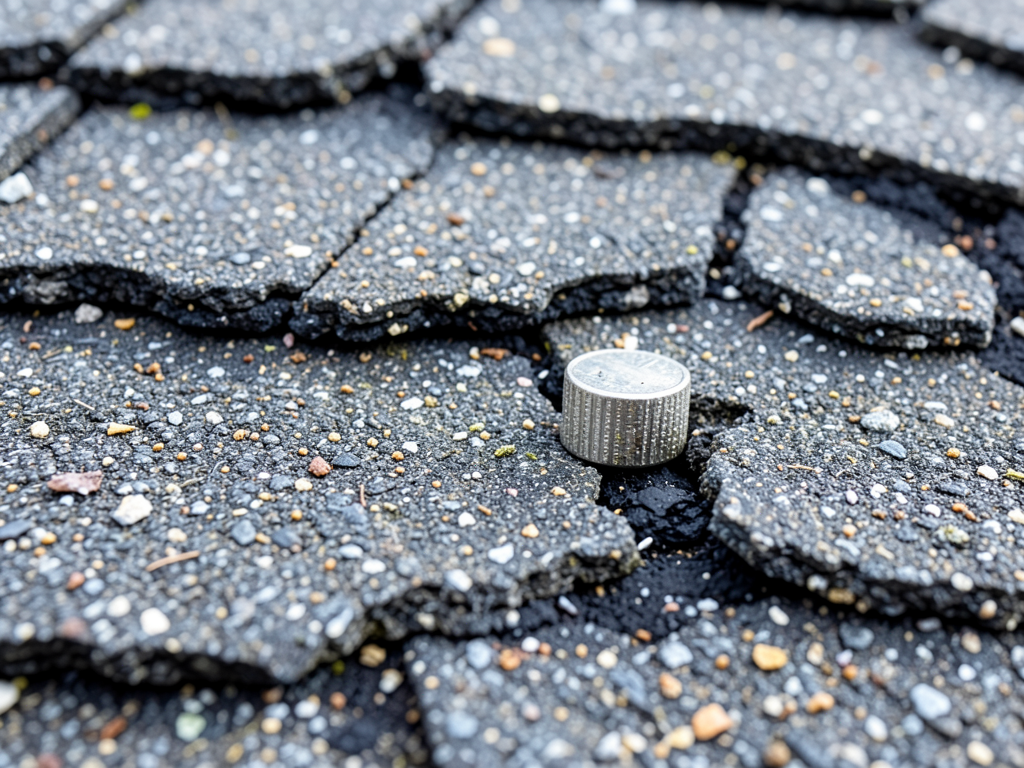
You start by documenting your roof's current condition. Note the installation date, shingle type, and any visible damage from ground level. Use binoculars to inspect ridge caps, valley metal, and flashing around chimneys and vents. Look for granule loss in gutters, indicating shingle deterioration common in Dallas's intense UV exposure. Photograph any concerns for contractor consultations.
02

Knowledge Building

You learn the warning signs specific to North Texas roofing. Curling shingles signal thermal stress from inadequate ventilation. Dark streaks indicate algae growth in humid microclimates. Missing granules expose the asphalt mat to direct sunlight, accelerating failure. You understand that hail damage often shows asbruising rather than obvious dents, requiring trained eyes to identify before insurance claim windows close.
03

Action Planning

You develop a maintenance schedule and contractor relationship before emergencies strike. Bi-annual inspections catch small problems like lifted flashing or cracked pipe boots before they cause water damage. You understand replacement timelines, budgeting for roof renewal based on actual condition rather than arbitrary age limits. This homeowner roofing manual approach prevents panic decisions during storm season.

Why Local Dallas Roofing Expertise Protects Your Investment

Dallas roofing differs fundamentally from other markets. We navigate unique building code requirements in the Dallas-Fort Worth metroplex, including wind uplift ratings for our severe thunderstorm zone. The 2021 International Residential Code adopted by Dallas requires specific fastening patterns based on roof slope and wind exposure. Contractors unfamiliar with local amendments miss these details, creating code violations that surface during home sales.

Insurance claim processes in Texas follow distinct procedures. You have one year from damage discovery to file hail claims, but insurers often lowball initial estimates. Local roofing companies understand Texas Department of Insurance regulations and Valuation Code of Texas depreciation schedules. We document damage using formats adjusters recognize, photograph angles that show impact points clearly, and supplement initial estimates with line-item justifications that stand up to carrier scrutiny.

Grand Roofing Dallas has worked through every Dallas neighborhood's specific challenges. We know that Lakewood's mature trees drop debris requiring frequent valley cleaning. We understand that Preston Hollow's estate homes use custom copper flashing requiring specialized soldering techniques. We recognize that East Dallas bungalows often hide multiple roof layers beneath visible shingles, requiring tear-off approaches that preserve historic ceiling integrity.

Our supplier relationships ensure material availability during shortage periods. When 2021's winter storm Uri damaged thousands of roofs simultaneously, we maintained material pipelines through established accounts with local distributors. National chains scrambled for inventory while we continued installations without delays that left homes vulnerable to spring rains.

We match solutions to Dallas realities, not generic playbooks designed for different climates.

What This Residential Roofing Guide Covers

Information Access Timeline

You access this roofing basics for homeowners resource immediately, with information organized for quick reference during contractor meetings or insurance calls. The guide covers seasonal maintenance schedules aligned with Dallas weather patterns, pre-storm preparation checklists for March through June severe weather season, and post-event documentation procedures that preserve claim rights. You find answers when you need them, whether researching replacement options on a Sunday afternoon or verifying contractor recommendations before signing contracts. The content stays current with code changes and material advances specific to North Texas construction standards.

Comprehensive Topic Coverage

This home roofing handbook addresses every decision point you face as a Dallas homeowner. You learn ventilation requirements for our climate, attic insulation R-values that balance energy efficiency with moisture control, and shingle warranties that actually matter versus marketing language. The guide explains roof pitch impacts on material selection, why certain valleys concentrate hail damage, and how thermal imaging identifies hidden leaks before ceiling stains appear. You understand permit requirements for replacement projects, HOA approval processes common in planned developments, and financing options including property assessed clean energy loans available through Dallas County programs.

Practical Application Tools

You receive actionable resources beyond general information. Inspection checklists break down into exterior observations you safely perform from ground level and attic evaluations requiring minimal crawlspace navigation. Contractor vetting questions help you identify qualified installers versus storm chasers who disappear after deposits clear. Material comparison charts show lifespan expectations, hail ratings, and heat reflection properties relevant to Dallas installations. You get cost-factor breakdowns explaining why estimates vary, what line items indicate quality work, and which upgrades deliver measurable value versus unnecessary upsells during your specific project type.

Ongoing Reference Value

This residential roofing 101 resource remains useful throughout your homeownership. You reference seasonal maintenance procedures as weather changes, verify normal aging patterns against actual deterioration, and update knowledge as roofing technology advances. The guide helps you communicate intelligently with contractors during routine inspections, ask informed questions when neighbors report storm damage, and recognize when professional evaluation becomes necessary versus when minor issues wait for scheduled maintenance windows. You build roofing literacy that protects your investment across decades of Dallas weather exposure, not just during immediate decision points.

Frequently Asked Questions

You Have Questions,
We Have Answers

How Dallas's Hail Corridor Makes Roofing Knowledge Essential for Homeowners

Dallas sits in the middle of Texas Hail Alley, a corridor from Lubbock through Fort Worth to Dallas that experiences the nation's highest hail frequency. The collision of Gulf moisture with dry continental air masses creates supercell thunderstorms with updrafts that suspend ice particles long enough to grow large. Your home faces hail risk from March through June, with May averaging three hail days. Unlike coastal areas where hurricane preparation dominates, Dallas homeowners need year-round awareness of impact damage that might not show immediate leaks but reduces remaining roof life by years. This residential roofing guide emphasizes hail documentation because waiting until visible leaks appear often means missed insurance deadlines and out-of-pocket replacement costs.

Grand Roofing Dallas has navigated every major hail event in North Texas over the past decade, from the 2016 storms that damaged 100,000 homes to the 2022 March outbreak. We understand how Dallas building inspectors interpret code during permit review, which local insurance adjusters handle claims fairly versus those requiring supplemental documentation, and how neighborhood HOAs in areas like Bluffview and Devonshire approach approval processes. This homeowner roofing manual reflects real-world Dallas experience, not theoretical knowledge. When you understand local roofing realities, you make decisions that protect your home and finances against the specific threats North Texas weather delivers year after year.

Roofing Services in The Dallas Area

Grand Roofing Dallas proudly serves the entire metropolitan area and surrounding communities. We're committed to providing prompt, professional service wherever you are. Use the map to see our location and service radius, or simply give us a call to schedule an in-person consultation at your property. We look forward to bringing our expert roofing solutions directly to you.

Address:
Grand Roofing Dallas, 4422 Live Oak St, Dallas, TX, 75204

Additional Services We Offer

Our news updates

Latest Articles & News from The Blogs

Will a New Roof Help You Sell Your Bishop Arts Home Faster?\n\nIf you're preparing to list your Bishop Arts home,…

Will a New Roof Help You Sell Your Bishop Arts Home Faster?

Will a New Roof Help You Sell Your Bishop Arts Home Faster?\n\nIf you're preparing to list your Bishop Arts home,…

Finding Sand in Your Gutters? What Granule Loss Means for Your Roof's Lifespan

Finding Sand in Your Gutters? What Granule Loss Means for Your Roof’s Lifespan Those tiny granules collecting in your gutters…

Buying a Home in Prosper? Here is What to Look for During the Roof Walkthrough

Buying a Home in Prosper? Here is What to Look for During the Roof Walkthrough\n\nBuying a home in Prosper means…

Contact Us

Questions about your specific roof situation? Grand Roofing Dallas provides free consultations to help you understand your roof's condition and options. Call (214) 204-2077 now to speak with experienced professionals who know Dallas roofing inside and out.