
How Roofing Squares Work and How to Estimate Your Own Roof Size in Dallas
A roofing square is the standard unit of measurement in the roofing industry. One square equals 100 square feet of roof area. Understanding this simple concept helps you verify contractor quotes and plan your project with confidence. In Dallas where hail storms and extreme heat affect material needs this knowledge becomes even more valuable. Dallas Building Code Chapter 52.
What Is a Roofing Square and Why It Matters
Roofing contractors use squares to calculate material quantities and labor costs. A 2 000 square foot roof translates to 20 squares of material. This measurement system standardizes pricing across the industry and helps you compare estimates from different companies. When you understand squares you can spot calculation errors and ensure you are getting a fair price. The Benefits of TPO Roofing Systems for Richardson Industrial Properties.
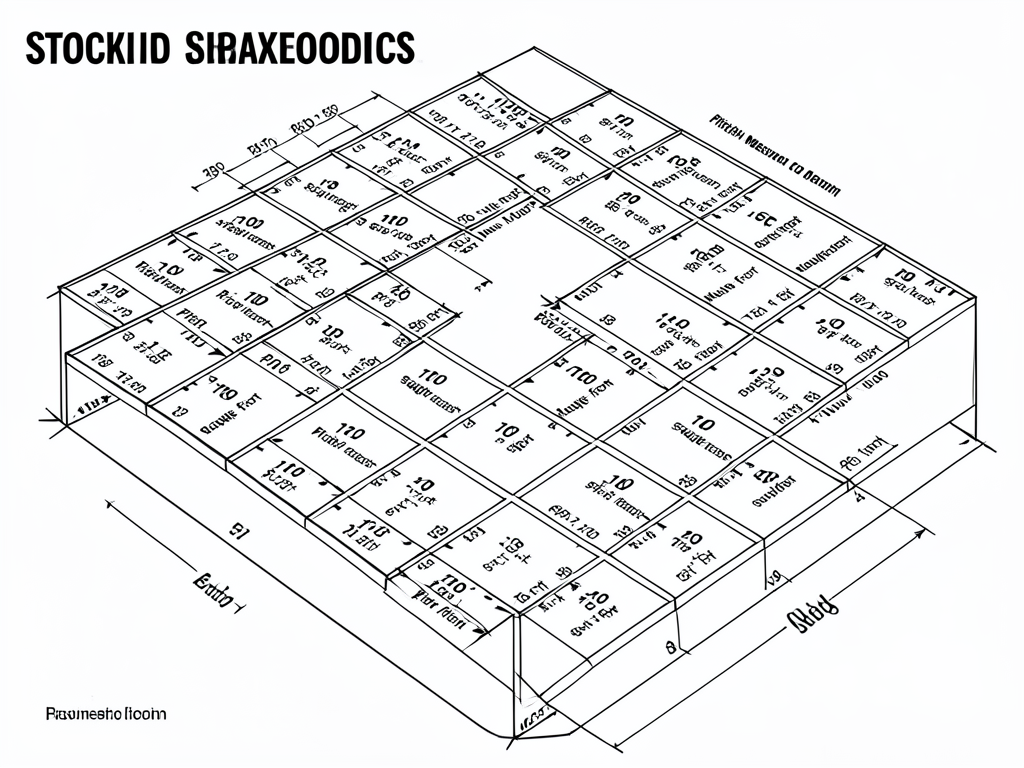
A diagram showing a roof divided into 100 square foot sections with pitch multipliers applied to each section
How to Measure Your Roof Area Step by Step
Start with basic geometry. Measure the length and width of each roof plane from the ground or using satellite imagery. Multiply length by width for each section then add them together. This gives you the footprint area in square feet.
Account for roof pitch next. Steeper roofs have more surface area than their footprint suggests. Use a pitch multiplier based on your roof slope:
| Pitch (rise:run) | Multiplier |
|---|---|
| 3:12 | 1.03 |
| 4:12 | 1.06 |
| 5:12 | 1.08 |
| 6:12 | 1.12 |
| 8:12 | 1.20 |
| 12:12 | 1.41 |
Multiply your footprint area by the pitch multiplier to get the actual roof surface area. Divide this number by 100 to find your total squares.
Dallas Specific Factors That Affect Your Calculation
Dallas weather patterns significantly impact roofing material needs. North Texas experiences frequent hail storms particularly from March through June. The Dallas Building Code Chapter 52 requires specific windstorm resistance standards for roofing systems. These local requirements affect both material selection and waste calculations. Texas Department of Insurance windstorm requirements.
Blackland Prairie clay soil common throughout Dallas causes foundation movement that stresses roof flashing and creates leak points. This geological factor means Dallas homes often need more frequent roof inspections and repairs than homes in stable soil areas. Why a Pre-Storm Roof Inspection is Vital for Every Lake Highlands Homeowner.
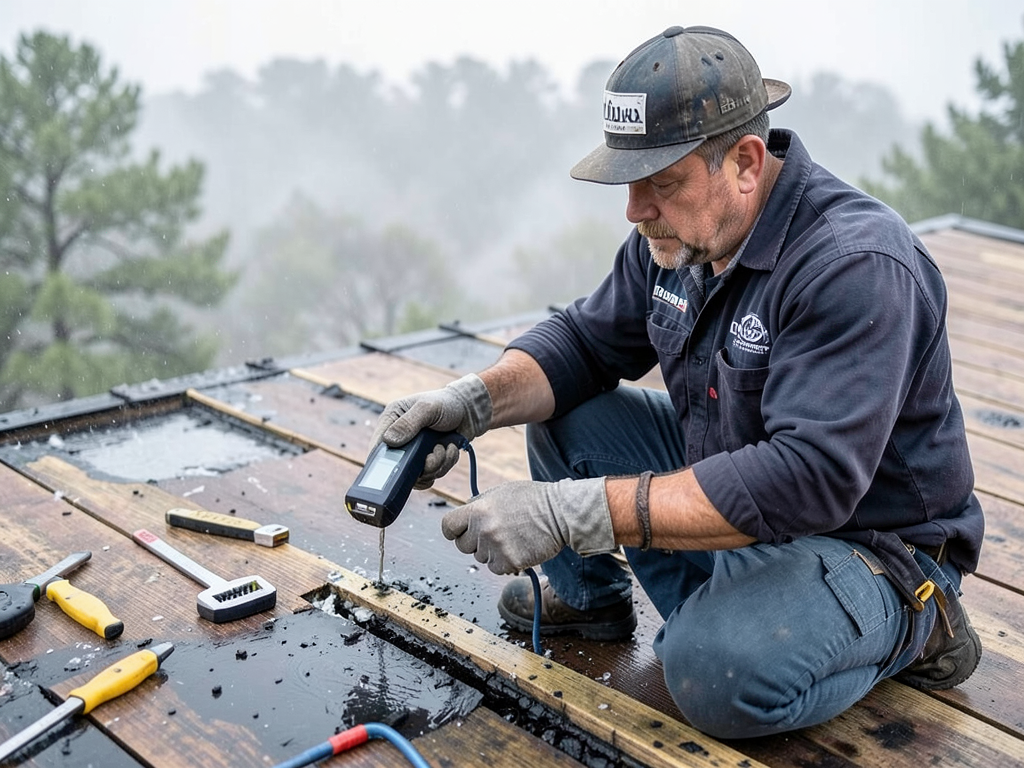
A technician using a moisture meter to check roof deck integrity after a Dallas hail storm
Understanding Waste Factor and Material Overages
Wastage accounts for cuts around chimneys vents and valleys plus damaged materials. Simple gable roofs typically need 10% extra material. Complex roofs with multiple hips and valleys require 15% to 20% waste factor.
Dallas specific waste considerations include:
- Hail damaged shingles during installation
- Extreme heat causing material warping
- Foundation shifts requiring additional flashing
Always round up your final square calculation to the nearest whole number. Contractors cannot purchase partial squares of material.
Bundle Counts and Material Quantities
Asphalt shingles typically come three bundles per square. Each bundle covers approximately 33.3 square feet. This means a 20 square roof needs 60 bundles of shingles.
Other materials per square include:
| Material | Quantity per Square |
|---|---|
| Asphalt Shingles | 3 bundles |
| Underlayment | 1 roll (covers 4 squares) |
| Drip Edge | 140 linear feet |
| Roofing Nails | 320 nails |
Common Dallas Roof Types and Their Calculations
Gable roofs dominate Dallas suburbs with their simple triangular shape. These are easiest to calculate using the footprint method. Hip roofs common in mid century modern neighborhoods require more complex calculations due to their sloped ends.
Flat commercial roofs in areas like Grand Prairie and Irving use different measurement systems based on square footage rather than roofing squares. These often incorporate spray foam insulation meeting Dallas energy conservation codes. Roofing Balch Springs.
Richardson and North Dallas neighborhoods feature a mix of traditional and contemporary designs. Historic homes may have unusual pitches or multiple roof levels requiring individual calculations for each section.
Tools for DIY Roof Measurement
Basic tools include a tape measure, level, and calculator. For accuracy use online satellite measurement tools or smartphone apps that calculate roof pitch automatically.
Professional tools used by Dallas roofers include:
- Digital pitch finders
- Infrared moisture scanners
- Drone photography for hard to reach areas
These tools help identify hidden damage from Dallas hail storms that basic measurements might miss.
When to Call a Professional
DIY measurements work for basic estimates but professional inspections catch critical issues. Dallas building permits require professional verification for roof replacements. Insurance claims after hail damage need documentation from licensed contractors. How Much a Full Roof Replacement Really Costs in the Dallas Area.
Call (214) 204-2077 today to schedule your inspection. A professional can spot foundation related flashing problems and verify your measurements before you commit to a project.
Cost Factors Beyond Square Footage
Material costs vary significantly in Dallas. Impact resistant Class 4 shingles cost more upfront but qualify for insurance discounts. Energy efficient materials reduce cooling costs during Dallas summers.
Labor costs depend on roof complexity. Simple gable roofs take less time than intricate hip designs with multiple valleys. Access issues like steep slopes or limited parking in historic neighborhoods increase labor time.
Permit fees in Dallas range from $100 to $500 depending on project scope. Some neighborhoods require additional architectural review.
Avoiding Common Measurement Mistakes
Most DIY errors come from incorrect pitch calculations or forgetting to account for roof features. Common mistakes include:
- Measuring only the home footprint
- Ignoring roof overhangs
- Using wrong pitch multiplier
- Forgetting waste factor
Double check your math and compare with contractor estimates. Significant discrepancies suggest measurement errors.
Weather Considerations for Dallas Roofing
Dallas experiences extreme temperature swings causing thermal expansion and contraction. This movement stresses roofing materials and fasteners. High speed straight line winds common in North Texas require specific fastening patterns per TDI windstorm requirements. Spray Foam Roofing.
UV exposure in Dallas accelerates shingle aging. Quality underlayment and proper ventilation become critical for roof longevity in our climate.
A thermal imaging scan showing heat loss patterns on a Dallas roof during summer
Energy Efficiency and Your Roof Calculation
Roof color affects cooling costs in Dallas heat. Light colored materials reflect heat while dark colors absorb it. Cool roof technology can reduce attic temperatures by 20 to 30 degrees.
Ventilation calculations matter too. Proper airflow prevents moisture buildup and extends roof life. Dallas building codes require specific ventilation ratios based on attic square footage.
Getting Your Final Estimate
Once you have your square count add 10 to 20 percent for waste based on roof complexity. Multiply by material cost per square. Add labor permit and disposal fees.
Sample calculation for a 2 500 square foot gable roof:
- Footprint: 2 500 sq ft
- Pitch multiplier (6:12): 1.12
- Actual area: 2 800 sq ft
- Squares: 28
- Waste (10%): 3 squares
- Total: 31 squares
Remember this is just material quantity. Professional installation ensures proper fastening and code compliance.
Frequently Asked Questions
How many bundles of shingles do I need per square?
Three bundles of standard asphalt shingles cover one square or 100 square feet of roof area.
What pitch multiplier should I use for my roof?
Use 1.12 for 6:12 pitch 1.20 for 8:12 pitch and 1.41 for 12:12 pitch. Steeper roofs need higher multipliers.
How much waste factor should I add for a complex roof?
Add 15% for roofs with hips and valleys and 20% for roofs with multiple dormers or intricate designs.
Do I need a permit to replace my roof in Dallas?
Yes Dallas requires building permits for roof replacements. The fee depends on your roof size and project scope.
How does Dallas weather affect roofing material needs?
Hail damage foundation movement and extreme heat all increase material requirements and waste factors in Dallas.
Take Action Today
Understanding roofing squares empowers you to make informed decisions about your roof project. But DIY measurements have limitations. Dallas specific factors like hail damage patterns and building code requirements need professional expertise.
Pick up the phone and call (214) 204-2077 before the next storm hits. Our Dallas based team provides accurate measurements and professional installation backed by local experience and code compliance. Do not risk costly mistakes on your most valuable asset.
Need help with your roof calculation? Contact us for a free estimate and let our experts verify your measurements. We serve Dallas Fort Worth and surrounding communities with rapid response times and quality workmanship.
{
“@context”: “https://schema.org”,
“@type”: “BlogPosting”,
“headline”: “How Roofing Squares Work and How to Estimate Your Own Roof Size in Dallas”,
“description”: “Learn how roofing squares work and estimate your roof size in Dallas. Understand pitch, waste factors, and local building codes for accurate DIY measurements.”,
“wordCount”: 1393,
“datePublished”: “2026-06-03T11:32:00.000Z”,
“dateModified”: “2026-06-03T11:32:00.000Z”,
“inLanguage”: “en-US”,
“mainEntityOfPage”: {
“@type”: “WebPage”,
“@id”: “https://grandroofingdallas.com”
},
“publisher”: {
“@type”: “LocalBusiness”,
“name”: “Grand Roofing Dallas”,
“url”: “https://grandroofingdallas.com”
},
“author”: {
“@type”: “Organization”,
“name”: “Grand Roofing Dallas”,
“url”: “https://grandroofingdallas.com”
},
“image”: {
“@type”: “ImageObject”,
“url”: “https://grandroofingdallas.com/wp-content/uploads/2026/03/how-roofing-squares-work-and-how-to-estimate-your-1.png”
}
}
{
“@context”: “https://schema.org”,
“@type”: “RoofingContractor”,
“name”: “Grand Roofing Dallas”,
“url”: “https://grandroofingdallas.com”,
“address”: {
“@type”: “PostalAddress”,
“addressLocality”: “Dallas”
},
“areaServed”: {
“@type”: “City”,
“name”: “Dallas”
}
}
{
“@context”: “https://schema.org”,
“@type”: “FAQPage”,
“mainEntity”: [
{
“@type”: “Question”,
“name”: “How many bundles of shingles do I need per square?”,
“acceptedAnswer”: {
“@type”: “Answer”,
“text”: “Three bundles of standard asphalt shingles cover one square or 100 square feet of roof area.”
}
},
{
“@type”: “Question”,
“name”: “What pitch multiplier should I use for my roof?”,
“acceptedAnswer”: {
“@type”: “Answer”,
“text”: “Use 1.12 for 6:12 pitch 1.20 for 8:12 pitch and 1.41 for 12:12 pitch. Steeper roofs need higher multipliers.”
}
},
{
“@type”: “Question”,
“name”: “How much waste factor should I add for a complex roof?”,
“acceptedAnswer”: {
“@type”: “Answer”,
“text”: “Add 15% for roofs with hips and valleys and 20% for roofs with multiple dormers or intricate designs.”
}
},
{
“@type”: “Question”,
“name”: “Do I need a permit to replace my roof in Dallas?”,
“acceptedAnswer”: {
“@type”: “Answer”,
“text”: “Yes Dallas requires building permits for roof replacements. The fee depends on your roof size and project scope.”
}
},
{
“@type”: “Question”,
“name”: “How does Dallas weather affect roofing material needs?”,
“acceptedAnswer”: {
“@type”: “Answer”,
“text”: “Hail damage foundation movement and extreme heat all increase material requirements and waste factors in Dallas.”
}
}
]
}
{
“@context”: “https://schema.org”,
“@type”: “BreadcrumbList”,
“itemListElement”: [
{
“@type”: “ListItem”,
“position”: 1,
“name”: “Home”,
“item”: “https://grandroofingdallas.com”
},
{
“@type”: “ListItem”,
“position”: 2,
“name”: “Blog”,
“item”: “https://grandroofingdallas.com/blog”
},
{
“@type”: “ListItem”,
“position”: 3,
“name”: “How Roofing Squares Work and How to Estimate Your Own Roof Size in Dallas”
}
]
}
{
“@context”: “https://schema.org”,
“@type”: “Service”,
“serviceType”: “Roofing”,
“provider”: {
“@type”: “LocalBusiness”,
“name”: “Grand Roofing Dallas”,
“url”: “https://grandroofingdallas.com”
},
“areaServed”: {
“@type”: “City”,
“name”: “Dallas”
},
“description”: “Learn how roofing squares work and estimate your roof size in Dallas. Understand pitch, waste factors, and local building codes for accurate DIY measurements.”
}