
How to Negotiate a Roof Replacement Credit When Buying a Home in Coppell
Buying a home in Coppell means navigating North Texas real estate transactions where roof conditions can make or break a deal. A damaged or aging roof often becomes the central point of negotiation between buyers and sellers, especially in a competitive market where closing timelines matter. Understanding how roof replacement credits work in Texas real estate contracts gives you leverage and clarity when negotiating repairs or credits at closing. Texas Insurance Code Chapter 1102.
In Coppell, where many homes range from 15 to 30 years old, roof negotiations follow specific patterns dictated by Texas Real Estate Commission (TREC) forms, lender requirements, and local market norms. Buyers want protection from immediate repair costs, while sellers aim to close quickly without major upfront investments. The solution often involves negotiating a roof replacement credit that appears on the closing disclosure as a seller concession. TREC Contract Forms.
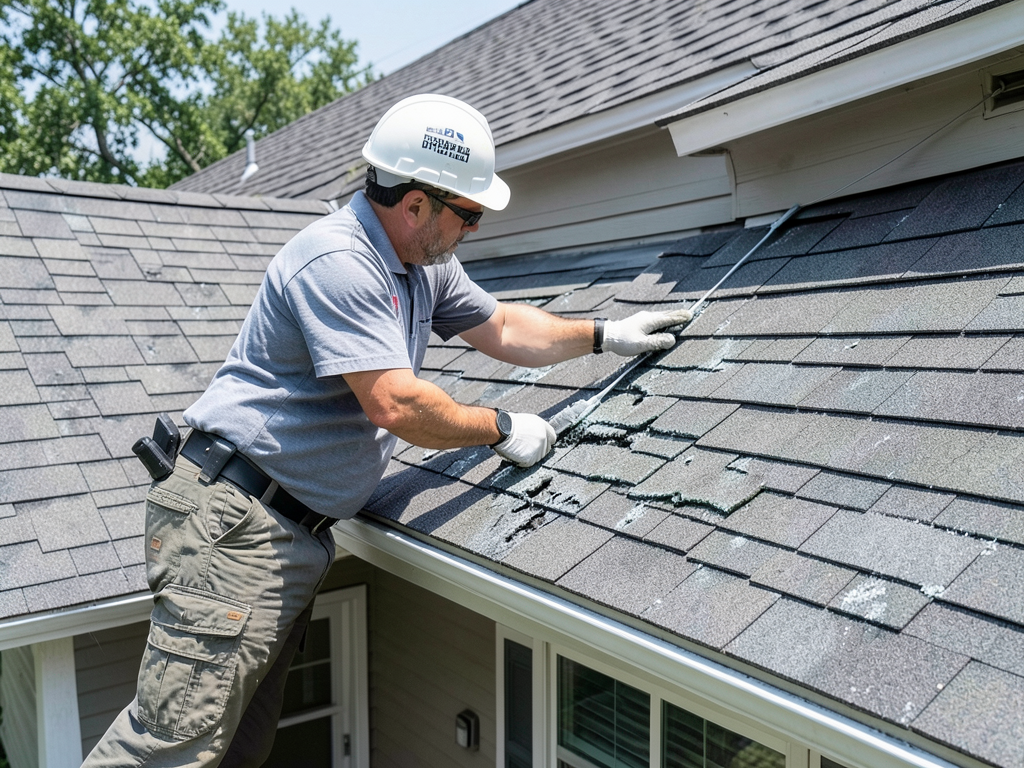
The negotiation process starts with a professional roof inspection that documents current conditions, identifies hail damage or wear patterns common in North Texas, and provides repair or replacement estimates. From there, buyers and sellers can choose between several paths: seller credit at closing, price reduction, escrow holdback for repairs after closing, or the seller completing repairs before closing. Each option has different implications for financing, insurance, and the overall transaction timeline. How Much a Full Roof Replacement Really Costs in the Dallas Area.
What Determines a Fair Roof Replacement Credit in Coppell
Calculating a fair credit amount requires understanding several factors specific to Coppell and the broader Dallas-Fort Worth market. The age of the roof plays a crucial role since Texas insurance carriers often require replacement after 15-20 years depending on material type. Hail damage history in your specific zip code affects both the credit amount and whether insurance claims might cover repairs.. Read more about Why Your Dallas Roofer Needs to Provide a Lien Waiver Before You Pay.
Local roofing contractors in Coppell typically charge between $350 and $500 per square for asphalt shingle replacement, with variations based on roof complexity, accessibility, and material upgrades. A standard 2,500-square-foot home might need 25-30 squares of roofing material, making replacement costs range from $8,750 to $15,000 depending on these factors. These numbers form the baseline for credit negotiations. The Benefits of TPO Roofing Systems for Richardson Industrial Properties.
Market conditions in Coppell also influence credit amounts. In a seller’s market with multiple offers, buyers might accept smaller credits or agree to split repair costs. In a buyer’s market, stronger negotiating positions allow for larger credits or seller-paid repairs. The key is having current, local estimates that reflect Coppell-specific pricing rather than national averages.
Insurance considerations add another layer to credit calculations. If the roof has recent hail damage, an insurance claim might provide replacement coverage through the seller’s policy. In this scenario, buyers might negotiate for the seller to assign the insurance proceeds at closing, effectively creating a credit without out-of-pocket seller costs. However, Texas law requires specific assignment procedures and lender approval for this approach.
TREC Contract Language for Roof Repair Credits
Texas Real Estate Commission contracts provide specific forms for handling repair negotiations, with the most common being the Amendment to Contract regarding repairs. This form allows buyers and sellers to document agreed-upon repairs, credits, or price adjustments resulting from inspection findings. The amendment becomes part of the purchase agreement and guides the closing process. Why a Pre-Storm Roof Inspection is Vital for Every Lake Highlands Homeowner.
For roof-related negotiations, the amendment typically includes the inspection report reference, specific repair requirements, cost estimates from licensed contractors, and the agreed credit amount or repair completion deadline. The form also addresses what happens if repair costs exceed initial estimates or if weather delays work completion.
Lenders reviewing the contract package look for clear documentation of how roof issues affect loan approval. FHA and VA loans have stricter requirements, often mandating roof repairs before loan funding rather than allowing credits at closing. Conventional loans offer more flexibility but still require lender approval for credit amounts and repair plans.
The amendment process also involves the title company, which ensures credits appear correctly on the closing disclosure. Credits reduce the seller’s net proceeds but don’t affect the buyer’s loan amount or interest rate. However, excessive credits might trigger lender scrutiny, especially if they appear to artificially inflate the purchase price.
Seller Credit vs. Price Reduction: Which Option Works Better
Sellers and buyers often debate whether a credit at closing or a price reduction better serves their interests. A roof replacement credit provides immediate funds for repairs but requires the buyer to manage the replacement process. A price reduction lowers the loan amount and monthly payments but might not fully cover replacement costs.
Credits offer several advantages in Coppell transactions. They provide transparent documentation of repair costs, allow buyers to choose their preferred contractor, and keep the original purchase price intact for appraisal purposes. Credits also work well when sellers lack time or resources to complete repairs before closing.
Price reductions appeal to buyers who prefer lower monthly payments or want to avoid managing repairs. However, price reductions might not fully cover replacement costs if the roof requires extensive work. They also complicate appraisal processes since the reduced price might not support the home’s market value.
The choice between credit and reduction often depends on financing type. FHA and VA buyers typically prefer credits since these loans require specific repair completion before funding. Conventional buyers might choose either option based on their renovation plans and contractor relationships. Choosing Between the Most Trusted Roofing Companies in the Dallas Metroplex.
Market timing influences this decision too. In fast-moving Coppell markets, credits allow quicker closings since sellers don’t need repair completion before handover. In slower markets, sellers might prefer price reductions to avoid credit negotiations altogether.
Lender Requirements for Roof Credits in Texas Real Estate
Different loan types have varying requirements for roof credits and repairs in Texas real estate transactions. Understanding these requirements prevents last-minute financing issues that could derail Coppell home purchases.
FHA loans require roofs to be free of leaks and have at least five years of remaining life. These loans don’t allow repair credits at closing for roof issues. Instead, sellers must complete repairs before closing or the buyer must handle them after closing with lender approval. The appraiser’s roof certification becomes crucial for FHA transactions.
VA loans follow similar patterns, requiring roofs to be in good condition with no active leaks. VA appraisals specifically look for roof deterioration signs and might require replacement if the roof appears beyond its useful life. Like FHA loans, VA loans typically require repairs before closing rather than credits.
Conventional loans offer the most flexibility for roof credits. Fannie Mae and Freddie Mac guidelines allow repair credits as long as they don’t exceed certain percentages of the purchase price. Most lenders cap credits at 3-5% of the loan amount, though specific limits vary by lender and loan program.
USDA loans, common in some Texas rural areas but less frequent in Coppell, require roofs to be in sound condition with no leaks. These loans might allow credits for repairs but require specific documentation and lender approval.
The key to successful roof credit negotiations involves early lender communication. Buyers should ask their loan officers about credit policies before making offers on homes with roof issues. Sellers benefit from understanding which loan types might require repairs rather than credits.
Using Escrow Holdbacks for Roof Repairs After Closing
Escrow holdbacks provide an alternative to credits when sellers prefer not to provide cash at closing or when repairs can’t be completed before the closing date. This approach works well for roof replacements that require ordering materials or depend on weather conditions.
An escrow holdback involves the title company holding funds from the seller’s proceeds to pay for repairs after closing. The buyer and seller agree on repair scope, contractor selection, and completion deadlines. The title company releases funds to the contractor only after verifying repair completion to the agreed standards.
Texas title companies typically charge administrative fees for escrow holdbacks, usually $250 to $500 plus interest on the held funds. The holdback amount often includes a contingency buffer, commonly 1.5 times the estimated repair cost, to cover unexpected issues during the work.
Escrow holdbacks work particularly well for roof replacements in Coppell’s storm season. Contractors might need to order materials or wait for favorable weather conditions. The holdback ensures funds are available while giving contractors flexibility in scheduling work.
However, escrow holdbacks require careful documentation. The purchase agreement must specify holdback terms, including repair deadlines, inspection requirements, and what happens if repairs aren’t completed on time. Most agreements give contractors 30 to 45 days after closing to complete work.
Lenders must approve escrow holdbacks, and some loan programs have restrictions on this approach. Conventional loans generally allow holdbacks with proper documentation, while government-backed loans might have additional requirements or prohibit this method entirely.
How to Calculate a Fair Credit Amount for Roof Replacement
Determining a fair roof replacement credit requires balancing several factors specific to Coppell’s housing market and construction costs. The calculation starts with professional inspection reports that document current roof conditions, material types, and estimated remaining life.
Local roofing contractors provide written estimates that form the foundation for credit negotiations. These estimates should include material costs, labor, disposal fees, and any necessary permits required by the City of Coppell. Multiple estimates help establish a reasonable range for credit discussions. Roofing Balch Springs.
Roof age significantly impacts credit calculations. A 20-year-old asphalt shingle roof in Coppell might only justify a 50% credit of replacement cost since the roof has already provided substantial service. Conversely, a 5-year-old roof with storm damage might warrant 80-100% of replacement costs.
Material upgrades factor into credit amounts too. If the seller’s roof uses 20-year shingles while current standards recommend 30-year architectural shingles, the credit might reflect the cost difference between these materials. Buyers should understand that credits typically cover replacement with similar materials unless specifically negotiated otherwise.
Market adjustments also influence fair credit amounts. In a strong seller’s market, buyers might accept credits 10-15% below replacement estimates to secure the property. In balanced or buyer’s markets, credits might need to match or slightly exceed contractor estimates to reach agreement.
The City of Coppell requires building permits for roof replacements, adding $100 to $300 to project costs. Credit calculations should include these permit fees since they represent real expenses the buyer would incur.
Insurance Claims and Roof Credits in Texas Transactions
Insurance coverage adds complexity to roof credit negotiations in Texas real estate transactions. Many Coppell homes have experienced hail damage in recent years, creating situations where insurance claims might cover roof replacement costs.
Texas law allows insurance claim assignment at closing, where the seller assigns their insurance proceeds to the buyer. This approach can eliminate the need for seller credits since the insurance company pays for the replacement directly. However, this process requires specific documentation and lender approval.
The assignment process involves the seller filing a claim before closing, obtaining a replacement cost estimate from the insurance adjuster, and executing an assignment agreement that transfers the claim proceeds to the buyer at closing. The title company typically handles the assignment documentation and ensures proper fund disbursement.
Not all roofs qualify for insurance coverage. Policies often exclude roofs over certain ages or those with pre-existing conditions. Texas insurance carriers might deny claims for roofs older than 15-20 years depending on material type and maintenance history.
Buyers should verify insurance coverage before relying on claim assignments in negotiations. This verification might involve reviewing the seller’s insurance declarations page or having the seller contact their insurance agent for coverage confirmation.
Even with insurance coverage, buyers should understand their responsibilities. Insurance proceeds typically cover replacement with similar materials, not upgrades. Buyers wanting architectural shingles instead of three-tab shingles might need to pay the difference between insurance proceeds and upgrade costs.
Common Mistakes to Avoid When Negotiating Roof Credits
Several pitfalls can derail roof credit negotiations in Coppell real estate transactions. Understanding these common mistakes helps buyers and sellers navigate discussions more effectively.
Underestimating repair costs represents a frequent error. Buyers who rely on quick visual inspections rather than professional assessments might discover additional damage during replacement work. This surprise can strain relationships and create funding shortages if the credit proves insufficient.
Overextending credit amounts causes problems too. Buyers requesting credits far exceeding reasonable replacement costs might appear unreasonable to sellers and their agents. This perception can harden negotiation positions and reduce the likelihood of agreement.
Ignoring lender requirements creates last-minute financing issues. Buyers who don’t verify credit policies with their loan officers before making offers might discover their financing doesn’t allow the negotiated credit amount. This discovery often requires restarting negotiations or finding new financing.
Failing to document agreements properly leads to disputes during closing. Verbal agreements about credits or repairs without written amendments in the TREC contract create confusion about responsibilities and payment amounts. The title company needs clear documentation to process credits correctly.
Overlooking permit requirements causes delays and additional costs. Some buyers assume roof replacements don’t need permits or that sellers handle permitting. Coppell requires permits for roof replacements, and failure to obtain them can result in fines or work stoppages.
Delaying roof inspections until late in the transaction process reduces negotiation leverage. Early inspections provide time for multiple estimates, insurance claim filing if applicable, and strategic negotiation planning. Late inspections often force rushed decisions that favor sellers.
The Impact of Roof Age on Home Insurance Premiums in Dallas
Roof age significantly affects home insurance costs in the Dallas-Fort Worth area, including Coppell. Insurance carriers use roof age as a primary factor in determining premiums and coverage availability, making roof replacement credits even more valuable for buyers.
Most Texas insurance companies consider roofs over 15 years old as higher risk, leading to increased premiums or coverage restrictions. Some carriers might require roof certifications for homes with roofs older than 20 years, while others might decline coverage entirely for very old roofs.
Replacement with newer materials often qualifies for insurance discounts. Impact-resistant shingles, commonly used in North Texas due to hail risk, might reduce premiums by 10-20% compared to standard shingles. Buyers should factor these potential savings into their credit negotiations.
Insurance companies also consider local weather patterns when evaluating roof risk. Coppell’s location in the Dallas-Fort Worth metroplex means exposure to similar hail patterns and wind risks as the broader region. Roofs that have survived multiple hail seasons might have hidden damage that affects both credit amounts and future insurance costs.
Buyers should ask insurance agents about how roof age and material types affect premiums for specific properties. This information helps justify credit amounts and demonstrates the long-term value of roof replacement investments.
Sellers benefit from understanding insurance implications too. A newer roof might make a property more attractive to insurance-conscious buyers and could justify higher asking prices that offset replacement costs.
Frequently Asked Questions
How long does a roof credit negotiation typically take in Coppell?
Roof credit negotiations usually take 3 to 7 days once inspection reports are available. This timeline allows for contractor estimates, insurance claim processing if applicable, and back-and-forth discussions between parties. Complex situations involving escrow holdbacks or insurance assignments might extend this timeline to 10-14 days.
Can I use a roof credit for upgrades beyond basic replacement?
Yes, buyers can use credits for material upgrades, but the credit amount typically covers only basic replacement costs unless specifically negotiated. If you want architectural shingles instead of three-tab, or impact-resistant materials, you’ll need to pay the difference between the credit amount and upgrade costs.
What happens if the roof replacement costs more than the credit amount?
If replacement costs exceed the negotiated credit, you’ll need to cover the difference from your own funds. This situation emphasizes the importance of thorough inspections and multiple estimates before finalizing credit amounts. Some buyers include contingency clauses in their agreements to address potential cost overruns.
Do I need a new roof inspection if I’m getting a credit instead of repairs?
Yes, a professional inspection is essential even when negotiating credits. The inspection documents current conditions, identifies necessary repairs, and provides the cost estimates that form the basis for credit negotiations. Without inspection documentation, sellers and buyers lack objective standards for credit amounts.
Will a roof credit affect my mortgage approval in Coppell?
Roof credits can affect mortgage approval depending on your loan type and the credit amount. FHA and VA loans have strict requirements about repair completion before closing, while conventional loans offer more flexibility. Always check with your lender about credit policies before finalizing negotiations to avoid financing surprises.
How do I ensure the seller actually completes repairs if I’m using an escrow holdback?
The title company manages escrow holdbacks and releases funds only after verifying repair completion. Your purchase agreement should specify inspection requirements, completion deadlines, and contractor licensing requirements. Some buyers include provisions for hiring third-party inspectors to verify work quality before fund release.
Making Your Roof Credit Negotiation Successful
Successful roof credit negotiations in Coppell require preparation, documentation, and understanding of Texas real estate processes. Start with professional inspections that provide detailed reports and multiple contractor estimates. This documentation forms the foundation for reasonable credit discussions.
Understand your financing options and lender requirements before making offers on homes with roof issues. FHA and VA buyers need different approaches than conventional buyers. Early lender consultation prevents financing surprises that could derail transactions.
Consider all options beyond simple credits. Escrow holdbacks, insurance claim assignments, and seller repairs each have advantages depending on your timeline, financial situation, and the specific property conditions. The best option often depends on market conditions and seller motivations.
Document everything in writing through TREC contract amendments. Verbal agreements create confusion and disputes during closing. Clear documentation ensures all parties understand their responsibilities and the credit amounts involved.
Work with experienced professionals who understand Coppell’s housing market and Texas real estate processes. Local contractors provide accurate estimates, real estate agents navigate contract negotiations, and title companies handle credit processing correctly.
Remember that roof credit negotiations ultimately protect both buyers and sellers. Buyers avoid immediate repair costs while sellers complete transactions without upfront investments. When handled correctly, these negotiations create win-win situations that allow Coppell real estate transactions to proceed smoothly despite roof issues.
Call (214) 204-2077 today to schedule your professional roof inspection and get accurate estimates for your Coppell home purchase negotiations.
{
“@context”: “https://schema.org”,
“@type”: “BlogPosting”,
“headline”: “How to Negotiate a Roof Replacement Credit When Buying a Home in Coppell”,
“description”: “Learn how to negotiate roof replacement credits in Coppell real estate deals. Understand seller credits, lender requirements, and escrow holdbacks for Texas transactions.”,
“wordCount”: 3077,
“datePublished”: “2026-06-07T14:27:00.000Z”,
“dateModified”: “2026-06-07T14:27:00.000Z”,
“inLanguage”: “en-US”,
“mainEntityOfPage”: {
“@type”: “WebPage”,
“@id”: “https://grandroofingdallas.com”
},
“publisher”: {
“@type”: “LocalBusiness”,
“name”: “Grand Roofing Dallas”,
“url”: “https://grandroofingdallas.com”
},
“author”: {
“@type”: “Organization”,
“name”: “Grand Roofing Dallas”,
“url”: “https://grandroofingdallas.com”
},
“image”: {
“@type”: “ImageObject”,
“url”: “https://grandroofingdallas.com/wp-content/uploads/2026/03/how-to-negotiate-a-roof-replacement-credit-when-bu-1.png”
}
}
{
“@context”: “https://schema.org”,
“@type”: “RoofingContractor”,
“name”: “Grand Roofing Dallas”,
“url”: “https://grandroofingdallas.com”,
“address”: {
“@type”: “PostalAddress”,
“addressLocality”: “Dallas”
},
“areaServed”: {
“@type”: “City”,
“name”: “Dallas”
}
}
{
“@context”: “https://schema.org”,
“@type”: “FAQPage”,
“mainEntity”: [
{
“@type”: “Question”,
“name”: “How long does a roof credit negotiation typically take in Coppell?”,
“acceptedAnswer”: {
“@type”: “Answer”,
“text”: “Roof credit negotiations usually take 3 to 7 days once inspection reports are available. This timeline allows for contractor estimates, insurance claim processing if applicable, and back-and-forth discussions between parties. Complex situations involving escrow holdbacks or insurance assignments might extend this timeline to 10-14 days.”
}
},
{
“@type”: “Question”,
“name”: “Can I use a roof credit for upgrades beyond basic replacement?”,
“acceptedAnswer”: {
“@type”: “Answer”,
“text”: “Yes, buyers can use credits for material upgrades, but the credit amount typically covers only basic replacement costs unless specifically negotiated. If you want architectural shingles instead of three-tab, or impact-resistant materials, you’ll need to pay the difference between the credit amount and upgrade costs.”
}
},
{
“@type”: “Question”,
“name”: “What happens if the roof replacement costs more than the credit amount?”,
“acceptedAnswer”: {
“@type”: “Answer”,
“text”: “If replacement costs exceed the negotiated credit, you’ll need to cover the difference from your own funds. This situation emphasizes the importance of thorough inspections and multiple estimates before finalizing credit amounts. Some buyers include contingency clauses in their agreements to address potential cost overruns.”
}
},
{
“@type”: “Question”,
“name”: “Do I need a new roof inspection if I’m getting a credit instead of repairs?”,
“acceptedAnswer”: {
“@type”: “Answer”,
“text”: “Yes, a professional inspection is essential even when negotiating credits. The inspection documents current conditions, identifies necessary repairs, and provides the cost estimates that form the basis for credit negotiations. Without inspection documentation, sellers and buyers lack objective standards for credit amounts.”
}
},
{
“@type”: “Question”,
“name”: “Will a roof credit affect my mortgage approval in Coppell?”,
“acceptedAnswer”: {
“@type”: “Answer”,
“text”: “Roof credits can affect mortgage approval depending on your loan type and the credit amount. FHA and VA loans have strict requirements about repair completion before closing, while conventional loans offer more flexibility. Always check with your lender about credit policies before finalizing negotiations to avoid financing surprises.”
}
},
{
“@type”: “Question”,
“name”: “How do I ensure the seller actually completes repairs if I’m using an escrow holdback?”,
“acceptedAnswer”: {
“@type”: “Answer”,
“text”: “The title company manages escrow holdbacks and releases funds only after verifying repair completion. Your purchase agreement should specify inspection requirements, completion deadlines, and contractor licensing requirements. Some buyers include provisions for hiring third-party inspectors to verify work quality before fund release.”
}
}
]
}
{
“@context”: “https://schema.org”,
“@type”: “BreadcrumbList”,
“itemListElement”: [
{
“@type”: “ListItem”,
“position”: 1,
“name”: “Home”,
“item”: “https://grandroofingdallas.com”
},
{
“@type”: “ListItem”,
“position”: 2,
“name”: “Blog”,
“item”: “https://grandroofingdallas.com/blog”
},
{
“@type”: “ListItem”,
“position”: 3,
“name”: “How to Negotiate a Roof Replacement Credit When Buying a Home in Coppell”
}
]
}
{
“@context”: “https://schema.org”,
“@type”: “Service”,
“serviceType”: “Roofing”,
“provider”: {
“@type”: “LocalBusiness”,
“name”: “Grand Roofing Dallas”,
“url”: “https://grandroofingdallas.com”
},
“areaServed”: {
“@type”: “City”,
“name”: “Dallas”
},
“description”: “Learn how to negotiate roof replacement credits in Coppell real estate deals. Understand seller credits, lender requirements, and escrow holdbacks for Texas transactions.”
}