How to Replace Your Rotted Roof Decking Before the Next Big Dallas Rain
Water stains on your ceiling after a Dallas thunderstorm aren’t just annoying—they’re warning signs your roof decking might be failing. In North Texas, where summer humidity and spring hailstorms create the perfect storm for wood rot, catching problems early can save you thousands in structural repairs. This guide walks you through identifying rotted decking, choosing the right replacement materials for our climate, and understanding Dallas building requirements before the next major rain event hits. Dallas Building Inspection Department.
Signs Your Dallas Home Needs New Roof Decking
Roof decking problems in Dallas homes often start silently. The expansive Blackland Prairie clay soil shifts with moisture changes, putting stress on your roof structure. Combine that with our extreme temperature swings—100°F summer days followed by cold fronts—and you have conditions that accelerate wood deterioration.
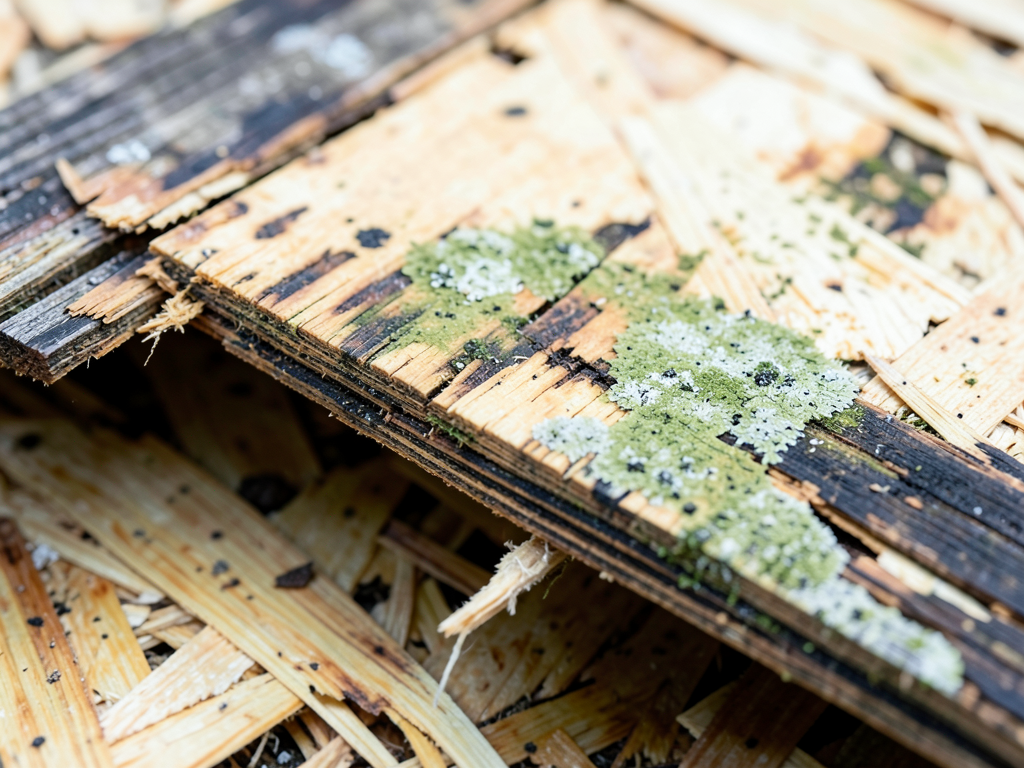
Walk into your attic during daylight hours. If you see pinpricks of light through the decking, you have holes that water can penetrate. Press a screwdriver into suspect areas. If it sinks easily, the wood has lost structural integrity. Look for dark streaks running along rafters—these indicate water travel paths from failed decking.
Outside, check for sagging rooflines, especially over the garage or porch where water tends to pool. After storms, examine your attic for new water stains. Dallas’ intense UV exposure breaks down roofing materials faster than in other regions, allowing moisture to reach the decking substrate. The Benefits of TPO Roofing Systems for Richardson Industrial Properties.

OSB vs. Plywood: Choosing the Right Materials for North Texas
North Texas roofing contractors debate OSB versus plywood constantly. Here’s what actually matters in Dallas’ climate: OSB (Oriented Strand Board) costs less per sheet but absorbs moisture like a sponge. When Dallas humidity hits 80% in summer, OSB can swell up to 15% before drying, creating ridges that telegraph through shingles. Texas Department of Insurance.
Plywood, specifically CDX grade, handles Dallas’ thermal expansion better. The cross-laminated layers resist warping when temperatures swing from 30°F to 100°F in 24 hours. For most Dallas homes, 7/16-inch OSB meets code, but 5/8-inch plywood provides better nail-pull resistance during high winds common in tornado season.
Consider Radiant Barrier decking if your electric bills spike in summer. This OSB with aluminum backing can reduce attic temperatures by 20-30°F, directly cutting cooling costs in our brutal July and August heat. Dallas building codes now encourage energy-efficient materials, especially in homes built after 2015.
| Material | Cost per Sheet (2025) | Best For Dallas | Lifespan |
|---|---|---|---|
| 7/16" OSB | $28-32 | Budget replacements | 15-20 years |
| 5/8" CDX Plywood | $38-45 | Hail-prone areas | 20-25 years |
| Radiant Barrier OSB | $38-42 | Energy efficiency | 15-20 years |
Our Replacement Process
Professional decking replacement follows a specific sequence that Dallas building inspectors expect. First, we strip all existing shingles and underlayment, exposing the entire deck surface. This reveals hidden damage that partial replacements miss. How Much a Full Roof Replacement Really Costs in the Dallas Area.
Step two involves structural inspection. We check rafter spacing—Dallas codes require 24-inch centers for most homes, but some older Richardson neighborhoods have 16-inch spacing that needs matching plywood thickness. We also examine fascia boards, which often rot before decking in our humid climate. Why a Pre-Storm Roof Inspection is Vital for Every Lake Highlands Homeowner.
During installation, we stagger end joints by at least 2 feet and leave 1/8-inch gaps between sheets for thermal expansion. Dallas experiences enough temperature variation that without gaps, sheets buckle and pull nails in summer heat. Choosing Between the Most Trusted Roofing Companies in the Dallas Metroplex.
Finally, we install new synthetic underlayment before shingles. Traditional felt paper deteriorates within months if exposed to Dallas sun, but synthetic materials last 6+ months uncovered, giving you protection during material delays.
- Complete Tear-Off
Remove all existing roofing materials down to the deck. This exposes hidden rot and ensures proper adhesion of new materials. Roofing Balch Springs.
- Structural Assessment
Inspect rafters, trusses, and existing deck for damage. Replace any compromised structural members before installing new decking.
- Material Installation
Install new decking with proper staggering and spacing. Secure with ring-shank nails at 6-inch intervals on edges, 12-inch in the field.
- Underlayment Application
Cover entire deck with synthetic underlayment, overlapping edges by 6 inches and sealing penetrations.
Dallas Building Codes & Requirements
Dallas building codes for roof decking changed significantly in 2020. Chapter 9 of the Dallas Building Code now requires minimum 7/16-inch thickness for OSB and 15/32-inch for plywood on residential roofs. For homes in high-wind zones near Love Field flight paths, 5/8-inch material provides better uplift resistance.
Permit requirements vary by neighborhood. Historic districts like Swiss Avenue require material matching existing homes, while newer developments in North Dallas allow modern alternatives. The Dallas Building Inspection Department mandates inspections at three stages: deck installation, underlayment, and final roofing.
Fire ratings matter in Dallas. Most municipalities require Class A fire-rated decking in areas within 5 miles of the city center. This affects material choice—some OSB products don’t meet Class A standards, while certain plywoods do.
Attic ventilation integrates with decking replacement. Dallas codes require 1 square foot of net free ventilation area per 150 square feet of attic space, split evenly between intake (soffit) and exhaust (ridge) vents. Poor ventilation accelerates decking rot by trapping moisture.
Cost Factors for Decking Replacement in DFW
Decking replacement costs in Dallas vary wildly based on accessibility and damage extent. A simple overlay where decking is sound underneath runs $2-3 per square foot. But if you need complete tear-off and replacement, expect $6-8 per square foot for labor and materials.
Accessibility drives price. Two-story homes in University Park cost more than single-story ranches in Mesquite because of ladder work and debris removal. Steep pitches add 15-25% to labor costs due to safety requirements.
Material availability affects pricing. After major Dallas hailstorms, plywood prices can spike 30-40% as contractors across North Texas compete for limited supply. OSB remains more stable but still fluctuates with lumber market conditions.
Hidden damage multiplies costs. If your decking shows surface rot but rafters are compromised, you’re looking at structural repairs that can double project costs. Always budget 20% over initial estimates for unexpected findings common in Dallas’ older housing stock.
Insurance coverage varies. Most policies cover decking replacement if storm damage is proven, but they won’t pay for upgrades like Radiant Barrier if you’re replacing 20-year-old standard decking. Document everything with photos before work begins.
Preventing Future Decking Problems
After replacement, prevention becomes your priority. Dallas’ climate demands specific maintenance. Clean your gutters quarterly—clogged gutters cause water backup that rots fascia and drips onto decking edges.
Inspect your roof twice yearly, especially after our spring storm season. Look for lifted shingles, damaged flashing around chimneys, and granule loss on asphalt shingles. These issues let water reach decking faster in our intense UV environment.
Consider upgrading to architectural shingles if you’re replacing decking. They cost 20-30% more but last 25-30 years versus 15-20 for 3-tab shingles. In Dallas’ heat, the longer lifespan justifies the initial investment.
Attic ventilation prevents moisture buildup that rots decking from the inside out. Ensure your soffit vents aren’t blocked by insulation—a common problem in Dallas homes where homeowners add insulation without considering airflow.
Trim trees away from your roof. Dallas’ rapid growth means mature trees often overhang newer homes. Overhanging branches drop debris that holds moisture against roofing, accelerating deterioration.
Frequently Asked Questions
How long does complete decking replacement take in Dallas?
Most Dallas homes take 2-3 days for complete decking replacement. Weather delays are common during storm season. We schedule around forecasts and use tarps for emergency protection if needed.
Can I replace only damaged sections of decking?
Spot replacement works for isolated damage but often creates weak points. Dallas codes require adjacent sheets to be replaced to maintain structural continuity. Partial replacement might save money short-term but costs more long-term.
Does decking replacement require permits in Dallas?
Yes, Dallas requires permits for decking replacement regardless of scope. The process takes 1-2 days normally, longer after major storms when inspectors are backed up. We handle all permitting as part of our service.
What’s the difference between decking and sheathing?
Decking and sheathing are the same thing—the wooden surface your roofing materials attach to. Some contractors use different terms, but they refer to the OSB or plywood sheets spanning your roof rafters.
How do I know if my decking is rotted versus just wet?
Wet decking dries within 24-48 hours after rain stops. Rotted wood stays soft, often develops mold, and may crumble when pressed. The screwdriver test works best—if it penetrates easily, you have rot.
Don’t Wait for the Next Dallas Storm
Water doesn’t wait for convenient timing. When Dallas thunderstorms roll through, they exploit every weakness in your roof system. Rotted decking turns a simple leak into thousands in structural repairs.
Call (214) 204-2077 today to schedule your inspection. We’ll assess your decking condition, provide a detailed quote, and show you exactly what needs replacement before the next big rain hits. Don’t discover problems during the storm—prevent them beforehand.
Pick up the phone and call (214) 204-2077 before the next storm hits. Your home’s structural integrity can’t wait for convenient timing.
{
“@context”: “https://schema.org”,
“@type”: “BlogPosting”,
“headline”: “How to Replace Your Rotted Roof Decking Before the Next Big Dallas Rain”,
“description”: “Don’t let Dallas storms destroy your home. Learn how to spot rotted roof decking, choose the right materials, and comply with local codes before the next big rain hits.”,
“wordCount”: 1534,
“datePublished”: “2026-03-16T12:56:00.000Z”,
“dateModified”: “2026-03-16T12:56:00.000Z”,
“inLanguage”: “en-US”,
“mainEntityOfPage”: {
“@type”: “WebPage”,
“@id”: “https://grandroofingdallas.com”
},
“publisher”: {
“@type”: “LocalBusiness”,
“name”: “Grand Roofing Dallas”,
“url”: “https://grandroofingdallas.com”
},
“author”: {
“@type”: “Organization”,
“name”: “Grand Roofing Dallas”,
“url”: “https://grandroofingdallas.com”
},
“image”: {
“@type”: “ImageObject”,
“url”: “https://grandroofingdallas.com/wp-content/uploads/2026/03/how-to-replace-your-rotted-roof-decking-before-the-1.png”
}
}
{
“@context”: “https://schema.org”,
“@type”: “RoofingContractor”,
“name”: “Grand Roofing Dallas”,
“url”: “https://grandroofingdallas.com”,
“address”: {
“@type”: “PostalAddress”,
“addressLocality”: “Dallas”
},
“areaServed”: {
“@type”: “City”,
“name”: “Dallas”
}
}
{
“@context”: “https://schema.org”,
“@type”: “FAQPage”,
“mainEntity”: [
{
“@type”: “Question”,
“name”: “How long does complete decking replacement take in Dallas?”,
“acceptedAnswer”: {
“@type”: “Answer”,
“text”: “Most Dallas homes take 2-3 days for complete decking replacement. Weather delays are common during storm season. We schedule around forecasts and use tarps for emergency protection if needed.”
}
},
{
“@type”: “Question”,
“name”: “Can I replace only damaged sections of decking?”,
“acceptedAnswer”: {
“@type”: “Answer”,
“text”: “Spot replacement works for isolated damage but often creates weak points. Dallas codes require adjacent sheets to be replaced to maintain structural continuity. Partial replacement might save money short-term but costs more long-term.”
}
},
{
“@type”: “Question”,
“name”: “What’s the difference between decking and sheathing?”,
“acceptedAnswer”: {
“@type”: “Answer”,
“text”: “Decking and sheathing are the same thing—the wooden surface your roofing materials attach to. Some contractors use different terms, but they refer to the OSB or plywood sheets spanning your roof rafters.”
}
},
{
“@type”: “Question”,
“name”: “How do I know if my decking is rotted versus just wet?”,
“acceptedAnswer”: {
“@type”: “Answer”,
“text”: “Wet decking dries within 24-48 hours after rain stops. Rotted wood stays soft, often develops mold, and may crumble when pressed. The screwdriver test works best—if it penetrates easily, you have rot.”
}
}
]
}
{
“@context”: “https://schema.org”,
“@type”: “HowTo”,
“name”: “Roof Decking Replacement Process”,
“step”: [
{
“@type”: “HowToStep”,
“position”: 1,
“name”: “Complete Tear-Off”,
“text”: “Remove all existing roofing materials down to the deck. This exposes hidden rot and ensures proper adhesion of new materials. Roofing Balch Springs.”
},
{
“@type”: “HowToStep”,
“position”: 2,
“name”: “Structural Assessment”,
“text”: “Inspect rafters, trusses, and existing deck for damage. Replace any compromised structural members before installing new decking.”
},
{
“@type”: “HowToStep”,
“position”: 3,
“name”: “Material Installation”,
“text”: “Install new decking with proper staggering and spacing. Secure with ring-shank nails at 6-inch intervals on edges, 12-inch in the field.”
},
{
“@type”: “HowToStep”,
“position”: 4,
“name”: “Underlayment Application”,
“text”: “Cover entire deck with synthetic underlayment, overlapping edges by 6 inches and sealing penetrations.”
}
],
“image”: “https://grandroofingdallas.com/wp-content/uploads/2026/03/how-to-replace-your-rotted-roof-decking-before-the-1.png”
}
{
“@context”: “https://schema.org”,
“@type”: “BreadcrumbList”,
“itemListElement”: [
{
“@type”: “ListItem”,
“position”: 1,
“name”: “Home”,
“item”: “https://grandroofingdallas.com”
},
{
“@type”: “ListItem”,
“position”: 2,
“name”: “Blog”,
“item”: “https://grandroofingdallas.com/blog”
},
{
“@type”: “ListItem”,
“position”: 3,
“name”: “How to Replace Your Rotted Roof Decking Before the Next Big Dallas Rain”
}
]
}
{
“@context”: “https://schema.org”,
“@type”: “Service”,
“serviceType”: “Roofing”,
“provider”: {
“@type”: “LocalBusiness”,
“name”: “Grand Roofing Dallas”,
“url”: “https://grandroofingdallas.com”
},
“areaServed”: {
“@type”: “City”,
“name”: “Dallas”
},
“description”: “Don’t let Dallas storms destroy your home. Learn how to spot rotted roof decking, choose the right materials, and comply with local codes before the next big rain hits.”
}