Is it Safe to Walk on Your Own Roof to Clean the Gutters?
Walking on your roof to clean gutters carries serious risks that many Dallas homeowners underestimate. The combination of steep pitches, aging shingles softened by summer heat, and unpredictable North Texas weather creates dangerous conditions. Before you climb that ladder, understand the hazards and know when it’s smarter to call a professional roofer instead.
Essential Safety Checklist Before You Climb
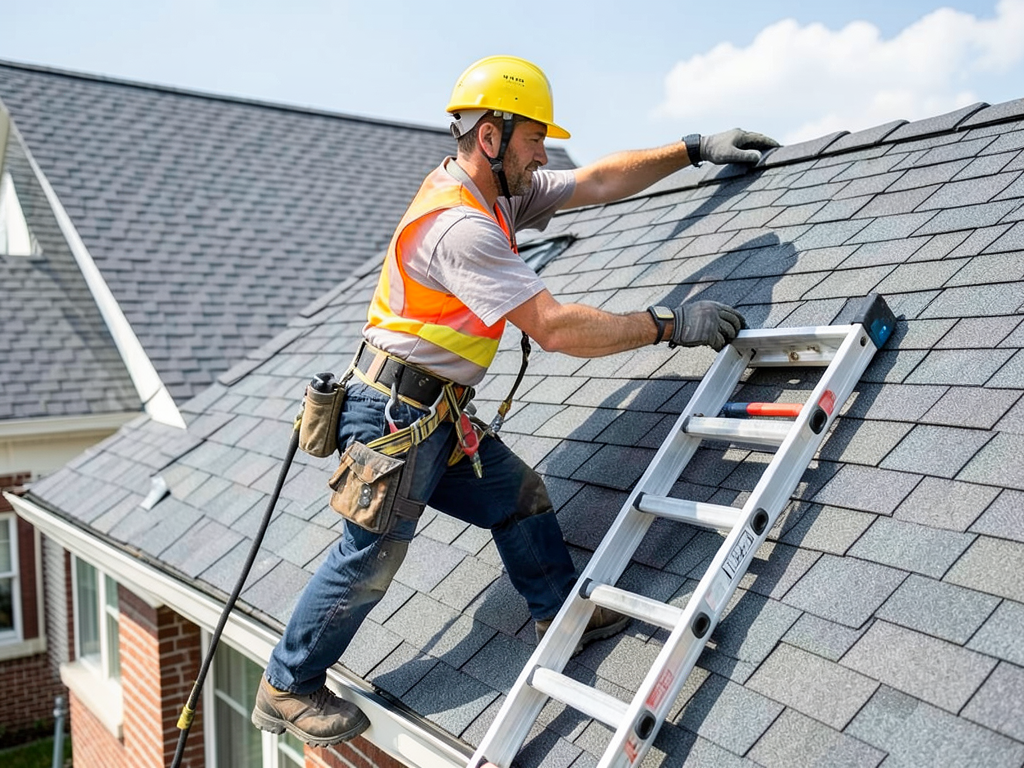
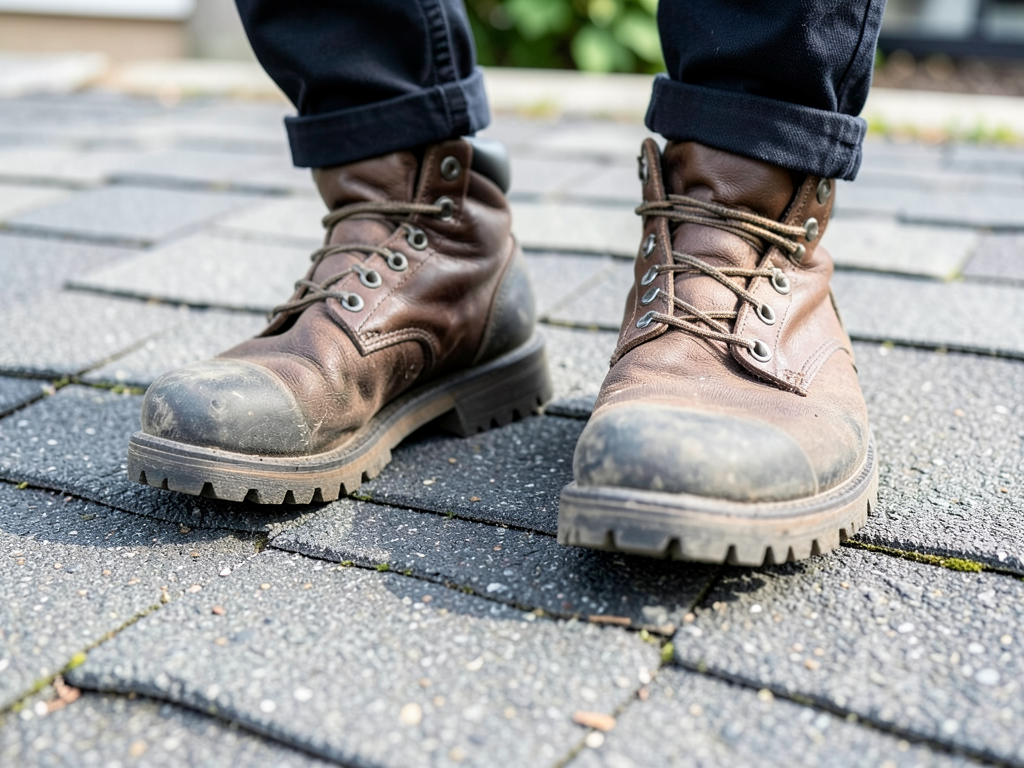
Proper preparation prevents most accidents. Start with the right equipment. You need a sturdy extension ladder rated for your weight plus tools, with non-slip feet. Position it at a 75-degree angle using the 4-to-1 rule: for every four feet of height, the base should sit one foot away from the wall. Wear rubber-soled shoes with deep treads, not tennis shoes or sandals. Consider a safety harness anchored to a solid roof structure if your pitch exceeds 6:12.
Check weather conditions first. Dallas morning dew creates slippery surfaces, and afternoon thunderstorms can develop rapidly. Wind speeds above 15 mph make roof work dangerous. The National Weather Service issues frequent warnings for our area, so check their latest update before starting any roof work. National Weather Service Dallas/Fort Worth office.
Assessing Your Roof’s Pitch and Material
Not all roofs handle foot traffic the same way. Dallas homes commonly feature architectural asphalt shingles, which become soft and pliable when temperatures exceed 85°F. This heat-induced flexibility creates a false sense of security – the shingles may feel cushioned but offer less grip. Walk only on the lower third of your roof where the pitch is typically gentler.
Identify your roof’s structural layout before stepping on it. Locate the trusses – these run perpendicular to the ridge and provide the strongest support points. Walking directly on rafters prevents damaging the decking underneath. If you cannot identify these structural elements, you should not be on the roof.
Dallas building codes require specific load-bearing capacities for residential roofs. According to the International Residential Code Section R301.4, roofs must support a minimum live load of 20 pounds per square foot. However, concentrated weight from a person can exceed this threshold if distributed improperly, causing decking to flex or crack. International Residential Code Section R301.4.
Proper Walking Techniques to Avoid Falls and Roof Damage
Weight distribution matters more than you think. Keep your feet flat and centered over your body’s weight. Take small, deliberate steps. Never walk backward or sideways – always face forward with your body aligned to your direction of movement. If you feel any give under your feet, that’s a warning sign of rotted decking or compromised structure.
Stay on the truss lines when possible. These are typically 24 inches apart on center in Dallas homes built after 1990. You can usually identify them by looking for slight ridges in the shingle pattern where nails penetrate deeper into the wood below. Walking between these lines risks breaking through the decking. Choosing Between the Most Trusted Roofing Companies in the Dallas Metroplex.
Keep tools secured in a tool belt or bucket. Dropping items creates both damage and distraction. If you must set something down, place it on a flat, stable area away from the roof edge. Never leave tools where they could roll into the gutter or off the roof.
Weather Considerations: Why Dallas Heat and Wind Matter
Dallas summers create unique hazards for roof work. Asphalt shingles can reach temperatures above 150°F on sunny days, causing severe burns through clothing and making surfaces dangerously slick with melted tar. The heat also softens the adhesive strips between shingles, reducing their structural integrity under foot traffic.
Morning dew is deceptive. Relative humidity often exceeds 80% overnight in North Texas, leaving roofs wet until mid-morning even when skies appear clear. This moisture creates a film that reduces traction by up to 70%. Wait until surfaces dry completely – typically after 10 AM in summer months.
Sudden wind gusts are common in Dallas, especially during spring and fall. These can exceed 30 mph without warning, creating balance hazards and increasing fall risk. The National Weather Service Dallas/Fort Worth office issues frequent wind advisories. Check their wind forecast before any roof work.
When to Stay Off the Roof (And Call a Dallas Professional)
Certain conditions make DIY roof work extremely dangerous. Never attempt roof access if your home is over 20 years old without a professional inspection first. Older roofs often have hidden structural damage from previous storms or foundation settling common in Dallas’s expansive clay soils. Why a Pre-Storm Roof Inspection is Vital for Every Lake Highlands Homeowner.
Call a professional if you notice any of these warning signs: visible sagging in the roof plane, water stains on interior ceilings, missing or curling shingles, or if your roof pitch exceeds 8:12. These conditions indicate compromised structural integrity or excessive steepness that requires specialized equipment and training.
Professional roofers carry liability insurance and workers’ compensation. If you injure yourself on your roof, you’re personally responsible for medical costs and potential lost wages. A licensed Dallas roofing contractor costs significantly less than an emergency room visit or long-term disability. The Benefits of TPO Roofing Systems for Richardson Industrial Properties.
Consider the time factor. What takes a professional roofer 30 minutes might take you three hours, exposing you to heat exhaustion risks and increasing your fall probability. Dallas roofers work year-round in these conditions and understand how to manage the specific hazards our climate creates.
Call (214) 204-2077 today to schedule your inspection. Our team can safely clean your gutters and inspect for damage in under an hour, with zero risk to your personal safety.
Frequently Asked Questions
What shoes are best for walking on a roof?
Soft-soled rubber work boots with deep treads provide the best traction. Avoid hard-soled shoes, which can damage shingles, and never wear sandals or smooth-soled shoes. The rubber soles grip wet surfaces better and distribute your weight more evenly across the shingle surface.
How can I tell if my roof is too steep to walk on safely?
Roofs with pitches above 7:12 (rising seven inches for every twelve inches horizontally) become increasingly dangerous to walk on. You can estimate pitch by measuring the vertical rise over a 12-inch horizontal distance from the roof edge. If you cannot safely reach the edge to measure, the pitch is likely too steep for DIY access.
Is it safe to walk on my roof after a hailstorm?
Never walk on a roof immediately after hail damage. Impact damage often compromises the structural integrity without visible signs. Additionally, hail can create hidden soft spots in the decking. Wait for a professional inspection using proper safety equipment and moisture detection tools.
How often should gutters be cleaned in Dallas?
Dallas homes typically need gutter cleaning twice yearly – once in late fall after leaves drop and again in early spring before heavy rains. However, homes near mature trees may require quarterly cleaning. Clogged gutters cause water backup that damages both your roof and foundation.
What’s the safest way to inspect my roof for damage?
Use binoculars from the ground to check for missing shingles, damaged flashing, or sagging areas. For closer inspection, use a drone if you have one, or simply call a professional. Walking on the roof to look for damage often causes more harm than the damage you’re trying to find.
- Gather Proper Equipment
Collect a sturdy extension ladder, rubber-soled shoes, work gloves, safety glasses, and a tool belt. Ensure your ladder extends at least three feet above the roof edge for safe dismounting.
- Check Weather Conditions
Verify no rain is forecast for at least 24 hours and wind speeds are below 15 mph. Check the National Weather Service Dallas/Fort Worth office for the latest updates.
- Set Up Ladder Properly
Position the ladder at a 75-degree angle using the 4-to-1 rule. Secure the base on level ground and have someone hold it steady while you climb.
- Access Roof Safely
Face the roof when stepping off the ladder. Maintain three points of contact at all times. Never lean over the edge to reach gutters – reposition the ladder instead.
- Clean Gutters Methodically
Work from the downspout outward. Remove debris by hand or with a small scoop. Flush with water to check for proper drainage. Never use high-pressure washers that can damage shingles.
Remember that your safety outweighs any cost savings from DIY gutter cleaning. Dallas’s unique climate conditions – extreme heat, sudden storms, and expansive clay soils – create hazards that Northern homeowners never encounter. When in doubt, call a professional. The peace of mind and guaranteed safety are worth every penny.
Don’t risk your safety on a DIY project. Pick up the phone and call (214) 204-2077 before the next storm hits. Our Dallas roofing experts can handle your gutter cleaning and roof inspection safely and efficiently, protecting both your home and your wellbeing. Roofing Balch Springs.
{
“@context”: “https://schema.org”,
“@type”: “BlogPosting”,
“headline”: “Is it Safe to Walk on Your Own Roof to Clean the Gutters?”,
“description”: “Dallas roofer explains the real risks of DIY gutter cleaning. Learn when it’s safe, what equipment you need, and when to call a pro for your North Texas home.”,
“wordCount”: 1484,
“datePublished”: “2026-04-10T15:18:00.000Z”,
“dateModified”: “2026-04-10T15:18:00.000Z”,
“inLanguage”: “en-US”,
“mainEntityOfPage”: {
“@type”: “WebPage”,
“@id”: “https://grandroofingdallas.com”
},
“publisher”: {
“@type”: “LocalBusiness”,
“name”: “Grand Roofing Dallas”,
“url”: “https://grandroofingdallas.com”
},
“author”: {
“@type”: “Organization”,
“name”: “Grand Roofing Dallas”,
“url”: “https://grandroofingdallas.com”
},
“image”: {
“@type”: “ImageObject”,
“url”: “https://grandroofingdallas.com/wp-content/uploads/2026/03/is-it-safe-to-walk-on-your-own-roof-to-clean-the-g-1.png”
}
}
{
“@context”: “https://schema.org”,
“@type”: “RoofingContractor”,
“name”: “Grand Roofing Dallas”,
“url”: “https://grandroofingdallas.com”,
“address”: {
“@type”: “PostalAddress”,
“addressLocality”: “Dallas”
},
“areaServed”: {
“@type”: “City”,
“name”: “Dallas”
}
}
{
“@context”: “https://schema.org”,
“@type”: “FAQPage”,
“mainEntity”: [
{
“@type”: “Question”,
“name”: “What shoes are best for walking on a roof?”,
“acceptedAnswer”: {
“@type”: “Answer”,
“text”: “Soft-soled rubber work boots with deep treads provide the best traction. Avoid hard-soled shoes, which can damage shingles, and never wear sandals or smooth-soled shoes. The rubber soles grip wet surfaces better and distribute your weight more evenly across the shingle surface.”
}
},
{
“@type”: “Question”,
“name”: “How can I tell if my roof is too steep to walk on safely?”,
“acceptedAnswer”: {
“@type”: “Answer”,
“text”: “Roofs with pitches above 7:12 (rising seven inches for every twelve inches horizontally) become increasingly dangerous to walk on. You can estimate pitch by measuring the vertical rise over a 12-inch horizontal distance from the roof edge. If you cannot safely reach the edge to measure, the pitch is likely too steep for DIY access.”
}
},
{
“@type”: “Question”,
“name”: “Is it safe to walk on my roof after a hailstorm?”,
“acceptedAnswer”: {
“@type”: “Answer”,
“text”: “Never walk on a roof immediately after hail damage. Impact damage often compromises the structural integrity without visible signs. Additionally, hail can create hidden soft spots in the decking. Wait for a professional inspection using proper safety equipment and moisture detection tools.”
}
},
{
“@type”: “Question”,
“name”: “How often should gutters be cleaned in Dallas?”,
“acceptedAnswer”: {
“@type”: “Answer”,
“text”: “Dallas homes typically need gutter cleaning twice yearly – once in late fall after leaves drop and again in early spring before heavy rains. However, homes near mature trees may require quarterly cleaning. Clogged gutters cause water backup that damages both your roof and foundation.”
}
}
]
}
{
“@context”: “https://schema.org”,
“@type”: “HowTo”,
“name”: “How to Safely Clean Your Gutters”,
“step”: [
{
“@type”: “HowToStep”,
“position”: 1,
“name”: “Gather Proper Equipment”,
“text”: “Collect a sturdy extension ladder, rubber-soled shoes, work gloves, safety glasses, and a tool belt. Ensure your ladder extends at least three feet above the roof edge for safe dismounting.”
},
{
“@type”: “HowToStep”,
“position”: 2,
“name”: “Check Weather Conditions”,
“text”: “Verify no rain is forecast for at least 24 hours and wind speeds are below 15 mph. Check the National Weather Service Dallas/Fort Worth office for the latest updates.”
},
{
“@type”: “HowToStep”,
“position”: 3,
“name”: “Set Up Ladder Properly”,
“text”: “Position the ladder at a 75-degree angle using the 4-to-1 rule. Secure the base on level ground and have someone hold it steady while you climb.”
},
{
“@type”: “HowToStep”,
“position”: 4,
“name”: “Access Roof Safely”,
“text”: “Face the roof when stepping off the ladder. Maintain three points of contact at all times. Never lean over the edge to reach gutters – reposition the ladder instead.”
},
{
“@type”: “HowToStep”,
“position”: 5,
“name”: “Clean Gutters Methodically”,
“text”: “Work from the downspout outward. Remove debris by hand or with a small scoop. Flush with water to check for proper drainage. Never use high-pressure washers that can damage shingles.”
}
],
“image”: “https://grandroofingdallas.com/wp-content/uploads/2026/03/is-it-safe-to-walk-on-your-own-roof-to-clean-the-g-1.png”
}
{
“@context”: “https://schema.org”,
“@type”: “BreadcrumbList”,
“itemListElement”: [
{
“@type”: “ListItem”,
“position”: 1,
“name”: “Home”,
“item”: “https://grandroofingdallas.com”
},
{
“@type”: “ListItem”,
“position”: 2,
“name”: “Blog”,
“item”: “https://grandroofingdallas.com/blog”
},
{
“@type”: “ListItem”,
“position”: 3,
“name”: “Is it Safe to Walk on Your Own Roof to Clean the Gutters?”
}
]
}
{
“@context”: “https://schema.org”,
“@type”: “Service”,
“serviceType”: “Roofing”,
“provider”: {
“@type”: “LocalBusiness”,
“name”: “Grand Roofing Dallas”,
“url”: “https://grandroofingdallas.com”
},
“areaServed”: {
“@type”: “City”,
“name”: “Dallas”
},
“description”: “Dallas roofer explains the real risks of DIY gutter cleaning. Learn when it’s safe, what equipment you need, and when to call a pro for your North Texas home.”
}