
Protecting the Historic Dormer Flashing on Your Old East Dallas Home
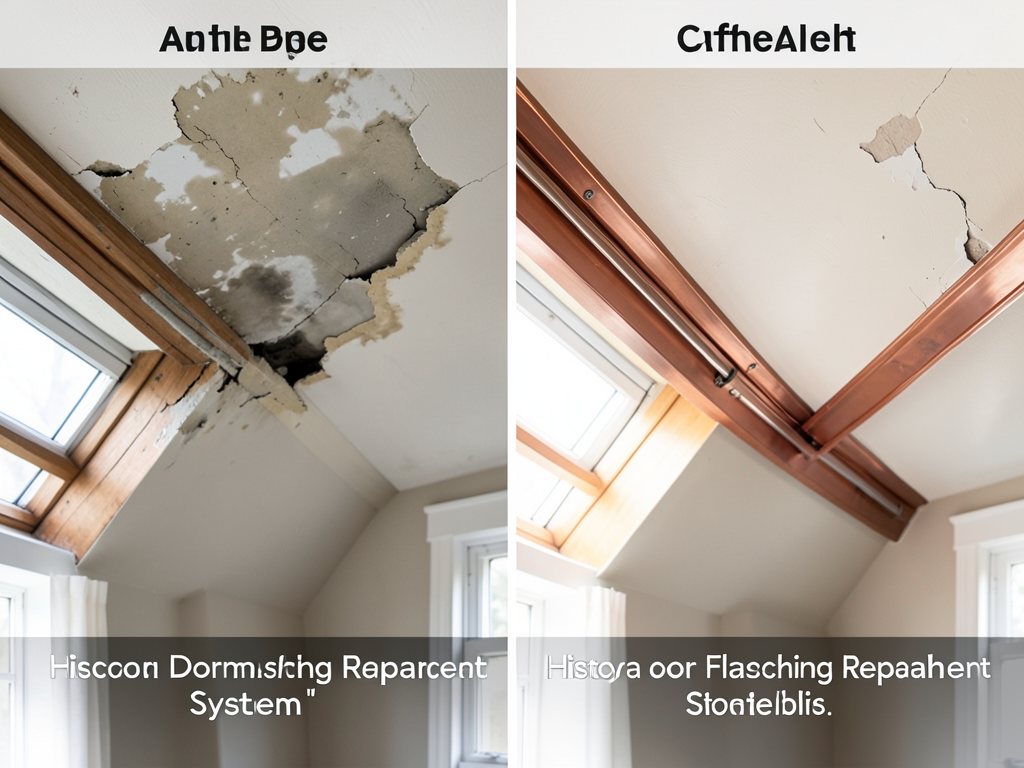
Your 1920s East Dallas bungalow deserves specialized care when it comes to roof flashing repair. Dormer windows on historic homes create vulnerable points where water can penetrate and cause serious damage to your attic, walls, and interior spaces. The unique construction methods and materials used in early 20th century Dallas homes require a different approach than modern flashing techniques. Dallas Landmark Commission.
Dallas’s historic neighborhoods like Munger Place, Swiss Avenue, and Junius Heights feature beautiful architectural details that demand preservation expertise. When dormer flashing fails on these century-old homes, you need a contractor who understands both the technical requirements and the preservation guidelines that protect our city’s architectural heritage.
Historic dormer flashing typically involves copper or lead-coated copper materials integrated with masonry or wood siding. These systems expand and contract differently than modern materials, making proper installation critical for long-term performance. The Dallas Landmark Commission has specific requirements for alterations to historic properties, and flashing repair is no exception.. Read more about How to Pick the Best Roof Color for a Mid-Century Modern Home in the Disney Streets.
Why Historic Flashing Requires a Specialized Approach
Historic dormer flashing systems differ significantly from modern installations. The original craftsmen used materials and techniques that have proven durability over decades, but they require specialized knowledge to repair correctly.
Older homes often feature step flashing integrated with brick or stone masonry. This creates a complex system where the flashing must work with the natural expansion and contraction of both the roofing material and the masonry. Modern aluminum or galvanized steel flashing can actually accelerate deterioration through galvanic corrosion when placed against historic copper or lead materials. The Benefits of TPO Roofing Systems for Richardson Industrial Properties.
The mortar used in historic masonry also plays a crucial role. Early 20th century mortar was often lime-based, which has different expansion properties than modern Portland cement. Flashing systems must accommodate these differences to prevent cracking and water infiltration.
Additionally, historic homes in East Dallas often sit on expansive clay soil that causes foundation movement. This shifting puts stress on flashing joints and requires flexible installation methods that can accommodate seasonal movement without compromising the water seal.
Common Flashing Materials Found in Dallas Historic Districts
Copper and Lead-Coated Copper Flashing
Copper remains the gold standard for historic dormer flashing in Dallas. The material develops a protective patina over time that prevents corrosion while maintaining its structural integrity. Lead-coated copper offers additional protection in areas with high salt content or industrial pollution.
Historic copper flashing typically ranges from 16 to 20 ounces per square foot, providing substantial thickness for durability. The material expands approximately 0.0000098 inches per inch per degree Fahrenheit, requiring careful joint spacing to prevent buckling during Dallas’s extreme temperature swings.
Lead-coated copper combines the durability of copper with a protective lead layer that enhances corrosion resistance. This material was particularly popular in Dallas’s early 20th century construction due to its superior performance in our hot, humid climate.
Integrated Masonry and Counter-Flashing Challenges
Historic dormers often feature counter-flashing embedded directly into the masonry. This creates a water-tight seal that modern surface-mounted flashing cannot replicate. The counter-flashing extends several inches into the mortar joint, creating a mechanical barrier that prevents water from reaching the roof deck.
Repairing these systems requires careful removal of damaged sections without disturbing surrounding masonry. The new flashing must match the original profile and be installed using techniques that preserve the historic character of the building. This often involves custom fabrication to match existing profiles and patinas.
The integration with historic mortar presents unique challenges. Modern cement-based mortars have different expansion rates than historic lime mortars, potentially causing cracking if not properly addressed. Specialized mortars that match the original composition are often necessary for proper flashing integration.
Signs Your Historic Roof Flashing Needs Repair
Identifying flashing problems early can prevent costly interior damage to your historic home. Several warning signs indicate your dormer flashing may need attention.
Water stains on interior walls near dormer windows often indicate flashing failure. These stains may appear yellow or brown and can extend several feet from the dormer base. The pattern typically follows the path of water travel through the wall cavity.
Exterior signs include missing or damaged counter-flashing, visible gaps between flashing and masonry, or deteriorated mortar joints around the dormer base. You might notice green or white deposits on copper flashing, indicating electrolytic corrosion or mineral buildup from water infiltration. Choosing Between the Most Trusted Roofing Companies in the Dallas Metroplex.
During heavy rain, check your attic near dormers for signs of moisture. Dark spots on rafters, wet insulation, or musty odors all indicate water penetration. In Dallas’s humid climate, these issues can lead to mold growth within 24-48 hours of water exposure.
Pay attention to the sound of wind-driven rain against your dormers. If you hear water dripping or rushing sounds in your attic during storms, your flashing system likely has gaps or failures that need immediate attention.
Our Process: Preserving Architectural Integrity While Stopping Leaks
Historic dormer flashing repair requires a methodical approach that balances water protection with architectural preservation. Our process begins with a comprehensive assessment of your entire flashing system.
We start by documenting existing conditions with detailed photographs and measurements. This documentation serves multiple purposes: it helps us match existing materials, provides records for insurance claims, and ensures compliance with Dallas Landmark Commission requirements.
Next, we carefully remove damaged sections using techniques that minimize impact on surrounding materials. For masonry-integrated flashing, we use specialized tools that allow precise removal without damaging brick or stone. We often find that only specific sections need replacement, allowing us to preserve as much original material as possible. How Much a Full Roof Replacement Really Costs in the Dallas Area.
Material selection is critical for historic repairs. We match existing copper thickness, alloy composition, and surface finish to ensure new flashing weathers to match the surrounding material. This attention to detail ensures repairs blend seamlessly with original construction.
Installation follows historic techniques whenever possible. This includes proper step flashing integration, counter-flashing embedding methods, and expansion joint placement that accommodates Dallas’s extreme temperature variations. We use lead-free solder for all joints, meeting current environmental standards while maintaining historic appearance.
Navigating Dallas Landmark Commission Requirements
Working on historic properties in Dallas requires understanding and complying with Landmark Commission guidelines. These regulations exist to preserve our city’s architectural heritage while allowing necessary repairs and improvements.
The Dallas Landmark Commission requires permits for most exterior alterations to properties in historic districts. This includes flashing repair that involves removing or replacing original materials. The application process typically requires detailed drawings, material specifications, and sometimes photographic documentation of existing conditions.
For flashing repairs, the commission generally approves work that maintains the historic character of the building. This means using materials and techniques that match original construction as closely as possible. Modern materials that significantly alter appearance or construction methods may require additional review or may be denied.
Working with the commission requires experience and patience. We maintain relationships with commission staff and understand the documentation requirements that facilitate smooth approval processes. This expertise helps avoid delays and ensures your project proceeds efficiently while maintaining compliance.
Many historic districts in East Dallas, including Munger Place and Swiss Avenue, have specific guidelines for roofing and flashing work. These guidelines often reference the Secretary of the Interior’s Standards for Rehabilitation, which provide nationally recognized criteria for historic preservation work. National Park Service preservation guidelines.
Historic Neighborhoods We Serve: From Swiss Avenue to Winnetka Heights
East Dallas contains some of the city’s most significant historic neighborhoods, each with unique architectural character and flashing requirements. Our expertise spans these diverse areas, allowing us to provide specialized service tailored to each neighborhood’s specific needs.
Swiss Avenue features grand historic homes with elaborate dormer systems and complex flashing requirements. These properties often include multiple dormers with varying roof pitches, requiring custom flashing solutions that accommodate different angles and materials.
Munger Place contains craftsman and prairie style homes with distinctive dormer designs. The flashing on these properties often integrates with exposed rafter tails and decorative brackets, requiring careful attention to both function and aesthetics.
Junius Heights represents Dallas’s largest historic district, featuring a diverse mix of architectural styles from the early 20th century. The flashing systems here vary widely, from simple shed dormers to complex gabled designs with multiple intersecting planes.
Winnetka Heights in North Oak Cliff contains many homes built in the 1920s and 1930s. The flashing on these properties often features unique details like decorative copper caps and custom-fabricated corner pieces that reflect the craftsmanship of the era.
Each neighborhood presents distinct challenges based on age, architectural style, and local weather patterns. Our experience across these areas allows us to anticipate potential issues and provide solutions that respect each property’s historic character.
Frequently Asked Questions
How long should historic copper flashing last in Dallas’s climate?
Properly installed copper flashing can last 50-100 years in Dallas’s climate. The material develops a protective patina that prevents corrosion, while its thermal expansion properties accommodate our extreme temperature swings. However, improper installation or foundation movement can significantly reduce this lifespan.
Will repairing my historic flashing require Landmark Commission approval?
Most flashing repairs in Dallas historic districts require Landmark Commission approval, especially if you’re removing or replacing original materials. Simple maintenance like cleaning or minor sealant application typically doesn’t require permits, but structural repairs or material replacement does.
Can I use modern materials for flashing repairs on my historic home?
While modern materials like aluminum or galvanized steel are available, they often don’t meet historic preservation standards and can cause galvanic corrosion when placed against existing copper flashing. The Landmark Commission generally requires materials that match original construction in appearance and composition.
How much does historic dormer flashing repair typically cost?
Historic flashing repair costs vary significantly based on the extent of damage, accessibility, and material requirements. Simple repairs might start around $1,500, while comprehensive flashing replacement on multiple dormers can exceed $10,000. The specialized nature of historic work and compliance requirements contribute to these costs.
What causes flashing to fail on historic Dallas homes?
Common causes include foundation movement from expansive clay soil, thermal expansion from extreme temperature swings, improper previous repairs using incompatible materials, and age-related deterioration of solder joints. Dallas’s severe weather, including hail and high winds, can also accelerate flashing failure.
How can I tell if my flashing needs repair or replacement?
Look for water stains on interior walls near dormers, missing or damaged counter-flashing, deteriorated mortar joints, green or white deposits on copper surfaces, and attic moisture during rain. If you notice any of these signs, professional inspection is recommended before damage spreads. Why a Pre-Storm Roof Inspection is Vital for Every Lake Highlands Homeowner.
Protecting Your Investment: The Cost of Neglect
Ignoring flashing problems on your historic Dallas home can lead to exponentially higher repair costs. Water infiltration through failed flashing can cause rot in roof decking, damage to interior finishes, and even structural problems that compromise your home’s integrity.
The cost of flashing repair typically ranges from $1,500 to $10,000+ depending on the scope of work. In contrast, water damage repairs from neglected flashing can easily exceed $20,000 when you factor in interior restoration, mold remediation, and structural repairs.
Insurance companies often scrutinize claims related to long-term water damage. If they determine that neglect contributed to the damage, they may deny coverage or reduce payouts. Regular flashing maintenance and timely repairs demonstrate responsible homeownership and can help ensure coverage when you need it.
The unique character of your historic home makes it irreplaceable. Preserving original materials and craftsmanship through proper flashing repair maintains your property’s value and historical significance. Many East Dallas historic homes have appreciated significantly in value due to their architectural importance and limited supply.
Choosing the Right Contractor for Historic Flashing Repair
Not all roofing contractors have the expertise needed for historic dormer flashing repair. Look for contractors with specific experience in historic preservation, knowledge of Dallas Landmark Commission requirements, and demonstrated ability to work with copper and other historic materials. Roofing Balch Springs.
Ask potential contractors about their experience with similar properties in your neighborhood. Request references from other historic homeowners and examples of completed projects. A qualified contractor should be able to explain the differences between modern and historic flashing techniques and why those differences matter.
Verify that contractors understand the permitting process for historic districts. They should be familiar with application requirements, approval timelines, and compliance documentation. This knowledge can prevent costly delays and ensure your project proceeds smoothly.
Insurance and licensing requirements are particularly important for historic work. Ensure your contractor carries appropriate liability insurance and workers’ compensation coverage. For historic properties, additional coverage for accidental damage to irreplaceable materials may be advisable.
Communication is key throughout the repair process. Your contractor should provide detailed proposals, explain their approach to material selection and installation, and keep you informed about Landmark Commission requirements and approval status.
Preventing Future Flashing Problems
While some flashing deterioration is inevitable due to age and weather exposure, several maintenance practices can extend the life of your historic dormer flashing system.
Annual inspections are crucial for early problem detection. Check flashing after severe weather events, particularly after hail storms or high winds that are common in Dallas. Look for signs of movement, corrosion, or separation at joints and seams.
Keep dormer areas clean and free of debris. Leaves, twigs, and other materials can trap moisture against flashing surfaces, accelerating corrosion. Ensure proper attic ventilation to reduce moisture buildup that can affect flashing from below.
Address foundation movement promptly. Dallas’s expansive clay soil causes seasonal shifting that puts stress on flashing joints. Foundation stabilization or proper drainage improvements can reduce this movement and extend flashing life.
Consider applying protective coatings to copper flashing every 10-15 years. These coatings can enhance the material’s resistance to corrosion while maintaining its historic appearance. However, any coating must be compatible with existing patinas and approved by preservation authorities.
Document all repairs and maintenance activities. This record helps track flashing condition over time and provides valuable information for future owners or preservation efforts. Include photographs, material specifications, and contractor information in your documentation.
Emergency Flashing Repair: When Time is Critical
Severe weather in Dallas can cause sudden flashing failures that require immediate attention. High winds can lift or tear flashing, while hail can create punctures that allow water infiltration. When emergency repairs are needed, quick response is essential to prevent interior damage.
Emergency flashing repair typically involves temporary stabilization followed by permanent restoration. Temporary measures might include tarping damaged areas or applying emergency sealants to prevent water entry. These measures buy time for proper assessment and material procurement.
During storm season, have contact information for contractors experienced in historic flashing repair readily available. Many reputable contractors maintain emergency response teams specifically for urgent repairs on historic properties.
Insurance coverage for emergency flashing repairs varies by policy. Review your homeowner’s insurance to understand what types of storm damage are covered and what documentation you’ll need for claims. Some policies require specific contractors or prohibit certain repair methods for historic properties.
Document emergency damage thoroughly with photographs before any repairs begin. This documentation supports insurance claims and provides valuable information for permanent restoration work. Include wide-angle shots showing the overall damage pattern and close-ups of specific failure points.

The Value of Expert Historic Flashing Repair
Your historic East Dallas home represents a significant investment in both financial and cultural terms. The dormer flashing system plays a crucial role in protecting this investment by preventing water damage that can compromise structural integrity and interior finishes.
Expert flashing repair goes beyond simple leak prevention. It preserves the architectural character that makes your home unique, maintains compliance with preservation regulations, and protects the value that historic designation provides. The specialized knowledge required for this work justifies the investment in qualified professionals.
Dallas’s historic neighborhoods contribute significantly to our city’s identity and appeal. By maintaining your home’s flashing system properly, you’re participating in the preservation of our shared architectural heritage. This responsibility extends beyond individual property lines to benefit the entire community.
The peace of mind that comes from knowing your historic home is properly protected is invaluable. Professional flashing repair eliminates the worry of water damage, reduces maintenance concerns, and allows you to enjoy your home’s unique character without constant anxiety about potential problems.
Ready to protect your historic East Dallas home? Call (214) 204-2077 today to schedule your professional flashing inspection. Our experienced team understands the unique requirements of historic properties and can provide the specialized care your dormer flashing deserves. Don’t wait until water damage becomes expensive—take action now to preserve your home’s architectural integrity for generations to come.