Protecting Your M-Streets Roof from Squirrels and Raccoon Damage
The mature oak and pecan trees that give the M-Streets neighborhood its charm also attract wildlife that can destroy your roof. Squirrels and raccoons in Dallas cause thousands of dollars in damage by chewing through shingles, soffits, and fascia boards to access your attic. These North Texas pests are especially active during spring mating season and after summer storms when they seek shelter. Texas Parks and Wildlife nuisance wildlife.
Squirrels have constantly growing incisors that compel them to gnaw on wood, shingles, and even electrical wiring. Raccoons use their dexterous paws to tear open roof vents and create entry points. Once inside, they shred insulation, contaminate attic spaces with droppings, and create fire hazards by chewing through electrical cables. The combination of Dallas’s hot summers and these pests’ destructive habits makes early detection and professional exclusion critical for M-Streets homeowners.
Common Types of Roof Damage from Dallas Pests
Wildlife damage in the M-Streets follows predictable patterns based on Dallas’s climate and the area’s mature tree canopy. Roof rats, squirrels, and raccoons each create specific entry points and damage signatures that experienced technicians can identify during inspections. Why a Pre-Storm Roof Inspection is Vital for Every Lake Highlands Homeowner.
Chewed shingles appear as irregular holes or missing sections, often near tree branches or roof edges where animals gain access. Squirrels frequently target the soft wood of fascia boards, creating entry holes about the size of a golf ball. Soffit vents become compromised when animals tear through the screening material, allowing them to crawl directly into your attic space.
Shredded insulation indicates active nesting activity, with animals creating warm spaces for breeding. This damage reduces your home’s energy efficiency and creates health hazards from accumulated droppings. Gnawed electrical wiring poses severe fire risks, as animals often chew through live wires in attic spaces, creating short circuits that can smolder undetected for days.
Our Dallas Roof Pest Repair & Exclusion Process
Professional wildlife damage repair requires a systematic approach that addresses both the immediate structural damage and prevents future entry. Our process follows Dallas County Building Code requirements for structural repairs and incorporates exclusion techniques that meet Texas wildlife regulations. EPA mold guidelines.
The inspection phase identifies all entry points, damage extent, and nesting activity. Technicians use thermal imaging cameras to detect heat signatures from active nests and moisture meters to assess water damage from compromised roofing materials. This diagnostic phase typically takes 60-90 minutes for a standard M-Streets home. The Benefits of TPO Roofing Systems for Richardson Industrial Properties.
Wildlife removal coordination involves working with licensed Texas wildlife control operators to safely remove animals before repairs begin. This step is crucial because sealing animals inside creates additional damage as they attempt to escape. The coordination ensures compliance with Texas Parks and Wildlife Department regulations for humane animal handling.
Structural repair addresses damaged shingles, fascia boards, soffits, and decking. Technicians replace compromised materials with pressure-treated lumber and architectural shingles that match your existing roof. All repairs meet or exceed Dallas Building Code Chapter 52 requirements for wind resistance and weatherproofing. Roofing Balch Springs.
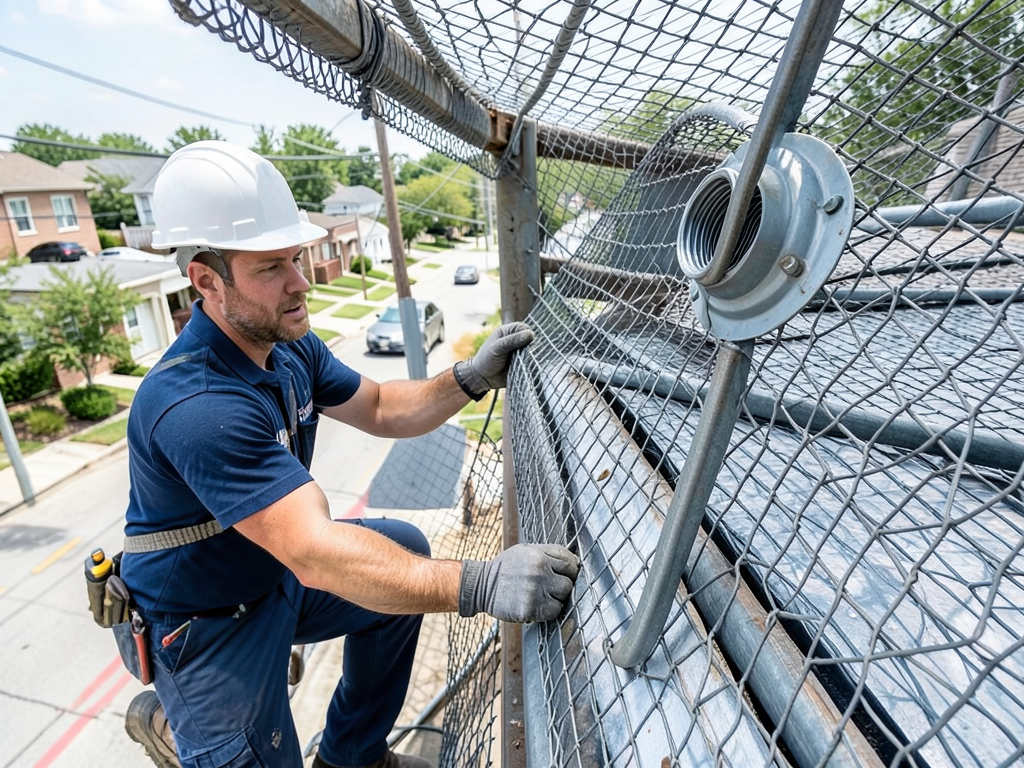
Professional exclusion installation creates physical barriers that prevent re-entry. This includes heavy-gauge galvanized steel mesh over vents, reinforced drip edges along roof perimeters, and specialized chimney caps designed for Dallas’s wind patterns. These materials withstand North Texas weather extremes while blocking animal access points.
Why Prompt Repair is Vital for Dallas Homeowners
Delaying roof pest damage repairs in Dallas creates compounding problems that escalate repair costs and health risks. The city’s extreme temperature swings cause damaged areas to expand and contract, creating larger entry points for wildlife and water infiltration.
Mold growth begins within 24-48 hours of water intrusion in Dallas’s humid climate. Once established in attic spaces, mold spreads through HVAC systems, creating respiratory hazards for your family. The EPA recommends immediate remediation of water-damaged areas to prevent toxic mold species common to North Texas.
Fire hazards from chewed electrical wiring pose immediate dangers. Squirrels and rats often gnaw through Romex cables in attic spaces, creating exposed conductors that can arc and ignite surrounding insulation. Dallas Fire-Rescue reports increased electrical fire calls during spring months when wildlife activity peaks.
Energy efficiency losses compound over time as damaged insulation allows conditioned air to escape. The combination of shredded insulation and compromised roofing materials can increase cooling costs by 15-25% during Dallas’s 100-degree summer days. This translates to hundreds of dollars in wasted energy annually. Spray Foam Roofing.
Service Areas: From Highland Park to Plano
We serve the entire Dallas metro area with specialized knowledge of each neighborhood’s unique challenges. The M-Streets’ mature trees create different wildlife patterns than the newer developments in Plano or the commercial districts of Irving.
Highland Park homes often feature slate or tile roofing that requires specialized repair techniques when damaged by wildlife. The area’s historic district regulations mandate specific material replacements to maintain architectural integrity while incorporating modern exclusion methods. How Much a Full Roof Replacement Really Costs in the Dallas Area.
Richardson’s mid-century modern homes present unique challenges with their flat roof sections and large eave overhangs that provide ideal nesting sites. Our technicians understand the structural requirements for these roof types and the local building codes that govern repairs in this area.
Carrollton and Mesquite properties often deal with different wildlife species due to their proximity to undeveloped areas and green belts. Our exclusion methods adapt to these regional variations while maintaining consistent quality standards across all service areas.
Frequently Asked Questions About Roof Pest Repairs
Does homeowners insurance cover squirrel and raccoon damage?
Most Texas homeowners insurance policies cover sudden, accidental damage from wildlife but exclude gradual damage or maintenance issues. If animals create a large hole during a storm that causes immediate water damage, coverage is more likely than damage that develops over months from nesting activity.
How much does roof pest damage repair cost in Dallas?
Repair costs vary based on damage extent, with minor repairs starting around $800 and comprehensive exclusion and restoration projects ranging from $3,000 to $8,000. Factors include the number of entry points, extent of insulation replacement, and whether electrical wiring repairs are needed.
How long does the repair process take?
Most repairs require 2-3 days for complete exclusion and structural repairs. Wildlife removal coordination may extend the timeline by several days to ensure all animals are safely removed before sealing entry points. Emergency tarping can be completed within 24 hours if immediate protection is needed.
Can I prevent future wildlife damage?
Yes. Professional exclusion creates permanent barriers using materials that withstand Dallas weather extremes. This includes installing heavy-gauge steel mesh over vents, reinforcing soffit and fascia joints, and trimming tree branches that provide roof access. Annual inspections help identify new vulnerabilities before animals exploit them.
What are the signs of active wildlife in my attic?
Common indicators include scratching sounds during early morning or evening hours, droppings in attic spaces, shredded insulation, and visible entry holes on your roof’s exterior. You might also notice a musty odor from accumulated droppings or see animals entering through roof vents.
Should I try DIY repairs for small holes?
DIY repairs often fail because they don’t address the underlying access points or properly seal against determined animals. Professional repairs include proper flashing installation, weatherproofing, and exclusion techniques that meet building codes. Improper repairs can void warranties and create larger problems.
What health risks come from animal droppings?
Animal droppings can harbor histoplasmosis, hantavirus, and other pathogens that become airborne when disturbed. Professional attic decontamination includes HEPA vacuuming, antimicrobial treatment, and proper disposal of contaminated materials to eliminate health hazards while meeting EPA safety standards.
How do I know if animals are still inside after repairs?
Professional technicians use one-way exclusion devices that allow animals to exit but prevent re-entry. We verify all animals have left before final sealing. Signs of remaining animals include continued scratching sounds, new droppings, or animals attempting to re-enter through recently sealed areas.
Will repairs affect my roof warranty?
Professional repairs using manufacturer-approved materials and techniques typically maintain your roof warranty. Our technicians document all repairs and coordinate with warranty providers when necessary. Improper DIY repairs are more likely to void warranties than professional restoration work.
What’s the best time of year for repairs?
Spring and fall offer ideal conditions for repairs in Dallas, with moderate temperatures and lower wildlife activity. However, emergency repairs can be completed year-round. Summer repairs require careful timing to avoid extreme heat exposure for technicians and materials.
How do I choose a qualified wildlife damage repair contractor?
Look for contractors with specific experience in wildlife exclusion, proper licensing for both roofing and wildlife control coordination, and knowledge of Dallas building codes. Ask about their exclusion materials, warranty coverage, and whether they coordinate with licensed wildlife removal professionals.
What’s included in a professional inspection?
Comprehensive inspections include attic assessment for damage and nesting, exterior evaluation of all potential entry points, thermal imaging to detect active nests, and moisture testing for water damage. You receive a detailed report with photos and recommended repair scope.
How do I maintain my roof after repairs?
Annual inspections help identify new vulnerabilities before animals exploit them. Keep tree branches trimmed at least six feet from your roof, ensure attic vents remain clear, and monitor for signs of animal activity. Professional maintenance programs include regular checks of exclusion barriers.
Can pests damage commercial roofs too?
Yes. Commercial properties face similar wildlife challenges, often with larger animals like raccoons and opossums. Flat roofs provide ideal nesting sites, and HVAC equipment creates additional access points. Commercial exclusion requires specialized materials and techniques designed for these roof types.
What should I do if I find a nest?
Never attempt to remove active nests yourself. Contact a licensed wildlife control operator who can safely remove animals and nests while complying with Texas wildlife regulations. After removal, have your roof inspected for damage and exclusion needs.
How do weather conditions affect repairs?
Dallas’s weather patterns influence repair timing and materials. High winds require additional fastening for exclusion barriers, while extreme heat affects adhesive curing times. Professional technicians adjust their methods based on current conditions to ensure lasting repairs.
Are there eco-friendly repair options?
Yes. We offer sustainable repair options including recycled-content materials, non-toxic exclusion barriers, and energy-efficient insulation replacement. These options reduce environmental impact while maintaining effectiveness against wildlife intrusion.
What’s the difference between repair and restoration?
Repairs address specific damage areas, while restoration involves comprehensive replacement of damaged materials and full exclusion system installation. Restoration is typically needed for extensive damage or older roofs with multiple vulnerability points.
How do I prepare for the repair process?
Clear attic spaces of valuables, provide access to electrical outlets, and ensure pets are secured during work. Discuss any specific concerns with your technician beforehand, including noise sensitivity or timing constraints for your household.
What guarantees come with professional repairs?
Quality contractors offer warranties on both materials and workmanship. Standard warranties cover 5-10 years for exclusion systems and 10-25 years for roofing materials, depending on the products used and repair scope.
Call (214) 204-2077 Today to Schedule Your Inspection
Don’t let squirrels and raccoons destroy your M-Streets roof investment. Our Dallas-based technicians understand the unique challenges of North Texas wildlife and provide comprehensive solutions that protect your home. We offer same-day inspections for urgent situations and flexible scheduling for planned repairs.
Pick up the phone and call (214) 204-2077 before the next storm hits. Our team will assess your roof’s condition, identify any wildlife damage, and provide a clear plan for repair and exclusion. Protect your home, your family’s health, and your peace of mind with professional wildlife damage repair from local experts who understand Dallas’s unique challenges.
{
“@context”: “https://schema.org”,
“@type”: “BlogPosting”,
“headline”: “Protecting Your M-Streets Roof from Squirrels and Raccoon Damage”,
“description”: “Squirrels and raccoons are destroying M-Streets roofs. Learn Dallas-specific exclusion methods, repair techniques, and prevention to protect your home.”,
“wordCount”: 1959,
“datePublished”: “2026-03-09T11:07:00.000Z”,
“dateModified”: “2026-03-09T11:07:00.000Z”,
“inLanguage”: “en-US”,
“mainEntityOfPage”: {
“@type”: “WebPage”,
“@id”: “https://grandroofingdallas.com”
},
“publisher”: {
“@type”: “LocalBusiness”,
“name”: “Grand Roofing Dallas”,
“url”: “https://grandroofingdallas.com”
},
“author”: {
“@type”: “Organization”,
“name”: “Grand Roofing Dallas”,
“url”: “https://grandroofingdallas.com”
},
“image”: {
“@type”: “ImageObject”,
“url”: “https://grandroofingdallas.com/wp-content/uploads/2026/03/protecting-your-m-streets-roof-from-squirrels-and-1.png”
}
}
{
“@context”: “https://schema.org”,
“@type”: “RoofingContractor”,
“name”: “Grand Roofing Dallas”,
“url”: “https://grandroofingdallas.com”,
“address”: {
“@type”: “PostalAddress”,
“addressLocality”: “Dallas”
},
“areaServed”: {
“@type”: “City”,
“name”: “Dallas”
}
}
{
“@context”: “https://schema.org”,
“@type”: “FAQPage”,
“mainEntity”: [
{
“@type”: “Question”,
“name”: “Does homeowners insurance cover squirrel and raccoon damage?”,
“acceptedAnswer”: {
“@type”: “Answer”,
“text”: “Most Texas homeowners insurance policies cover sudden, accidental damage from wildlife but exclude gradual damage or maintenance issues. If animals create a large hole during a storm that causes immediate water damage, coverage is more likely than damage that develops over months from nesting activity.”
}
},
{
“@type”: “Question”,
“name”: “How much does roof pest damage repair cost in Dallas?”,
“acceptedAnswer”: {
“@type”: “Answer”,
“text”: “Repair costs vary based on damage extent, with minor repairs starting around $800 and comprehensive exclusion and restoration projects ranging from $3,000 to $8,000. Factors include the number of entry points, extent of insulation replacement, and whether electrical wiring repairs are needed.”
}
},
{
“@type”: “Question”,
“name”: “How long does the repair process take?”,
“acceptedAnswer”: {
“@type”: “Answer”,
“text”: “Most repairs require 2-3 days for complete exclusion and structural repairs. Wildlife removal coordination may extend the timeline by several days to ensure all animals are safely removed before sealing entry points. Emergency tarping can be completed within 24 hours if immediate protection is needed.”
}
},
{
“@type”: “Question”,
“name”: “Can I prevent future wildlife damage?”,
“acceptedAnswer”: {
“@type”: “Answer”,
“text”: “Yes. Professional exclusion creates permanent barriers using materials that withstand Dallas weather extremes. This includes installing heavy-gauge steel mesh over vents, reinforcing soffit and fascia joints, and trimming tree branches that provide roof access. Annual inspections help identify new vulnerabilities before animals exploit them.”
}
},
{
“@type”: “Question”,
“name”: “What are the signs of active wildlife in my attic?”,
“acceptedAnswer”: {
“@type”: “Answer”,
“text”: “Common indicators include scratching sounds during early morning or evening hours, droppings in attic spaces, shredded insulation, and visible entry holes on your roof’s exterior. You might also notice a musty odor from accumulated droppings or see animals entering through roof vents.”
}
},
{
“@type”: “Question”,
“name”: “What health risks come from animal droppings?”,
“acceptedAnswer”: {
“@type”: “Answer”,
“text”: “Animal droppings can harbor histoplasmosis, hantavirus, and other pathogens that become airborne when disturbed. Professional attic decontamination includes HEPA vacuuming, antimicrobial treatment, and proper disposal of contaminated materials to eliminate health hazards while meeting EPA safety standards.”
}
},
{
“@type”: “Question”,
“name”: “Will repairs affect my roof warranty?”,
“acceptedAnswer”: {
“@type”: “Answer”,
“text”: “Professional repairs using manufacturer-approved materials and techniques typically maintain your roof warranty. Our technicians document all repairs and coordinate with warranty providers when necessary. Improper DIY repairs are more likely to void warranties than professional restoration work.”
}
},
{
“@type”: “Question”,
“name”: “What’s the best time of year for repairs?”,
“acceptedAnswer”: {
“@type”: “Answer”,
“text”: “Spring and fall offer ideal conditions for repairs in Dallas, with moderate temperatures and lower wildlife activity. However, emergency repairs can be completed year-round. Summer repairs require careful timing to avoid extreme heat exposure for technicians and materials.”
}
},
{
“@type”: “Question”,
“name”: “How do I choose a qualified wildlife damage repair contractor?”,
“acceptedAnswer”: {
“@type”: “Answer”,
“text”: “Look for contractors with specific experience in wildlife exclusion, proper licensing for both roofing and wildlife control coordination, and knowledge of Dallas building codes. Ask about their exclusion materials, warranty coverage, and whether they coordinate with licensed wildlife removal professionals.”
}
},
{
“@type”: “Question”,
“name”: “What’s included in a professional inspection?”,
“acceptedAnswer”: {
“@type”: “Answer”,
“text”: “Comprehensive inspections include attic assessment for damage and nesting, exterior evaluation of all potential entry points, thermal imaging to detect active nests, and moisture testing for water damage. You receive a detailed report with photos and recommended repair scope.”
}
},
{
“@type”: “Question”,
“name”: “How do I maintain my roof after repairs?”,
“acceptedAnswer”: {
“@type”: “Answer”,
“text”: “Annual inspections help identify new vulnerabilities before animals exploit them. Keep tree branches trimmed at least six feet from your roof, ensure attic vents remain clear, and monitor for signs of animal activity. Professional maintenance programs include regular checks of exclusion barriers.”
}
},
{
“@type”: “Question”,
“name”: “Can pests damage commercial roofs too?”,
“acceptedAnswer”: {
“@type”: “Answer”,
“text”: “Yes. Commercial properties face similar wildlife challenges, often with larger animals like raccoons and opossums. Flat roofs provide ideal nesting sites, and HVAC equipment creates additional access points. Commercial exclusion requires specialized materials and techniques designed for these roof types.”
}
},
{
“@type”: “Question”,
“name”: “What should I do if I find a nest?”,
“acceptedAnswer”: {
“@type”: “Answer”,
“text”: “Never attempt to remove active nests yourself. Contact a licensed wildlife control operator who can safely remove animals and nests while complying with Texas wildlife regulations. After removal, have your roof inspected for damage and exclusion needs.”
}
},
{
“@type”: “Question”,
“name”: “How do weather conditions affect repairs?”,
“acceptedAnswer”: {
“@type”: “Answer”,
“text”: “Dallas’s weather patterns influence repair timing and materials. High winds require additional fastening for exclusion barriers, while extreme heat affects adhesive curing times. Professional technicians adjust their methods based on current conditions to ensure lasting repairs.”
}
},
{
“@type”: “Question”,
“name”: “Are there eco-friendly repair options?”,
“acceptedAnswer”: {
“@type”: “Answer”,
“text”: “Yes. We offer sustainable repair options including recycled-content materials, non-toxic exclusion barriers, and energy-efficient insulation replacement. These options reduce environmental impact while maintaining effectiveness against wildlife intrusion.”
}
},
{
“@type”: “Question”,
“name”: “What’s the difference between repair and restoration?”,
“acceptedAnswer”: {
“@type”: “Answer”,
“text”: “Repairs address specific damage areas, while restoration involves comprehensive replacement of damaged materials and full exclusion system installation. Restoration is typically needed for extensive damage or older roofs with multiple vulnerability points.”
}
},
{
“@type”: “Question”,
“name”: “How do I prepare for the repair process?”,
“acceptedAnswer”: {
“@type”: “Answer”,
“text”: “Clear attic spaces of valuables, provide access to electrical outlets, and ensure pets are secured during work. Discuss any specific concerns with your technician beforehand, including noise sensitivity or timing constraints for your household.”
}
},
{
“@type”: “Question”,
“name”: “What guarantees come with professional repairs?”,
“acceptedAnswer”: {
“@type”: “Answer”,
“text”: “Quality contractors offer warranties on both materials and workmanship. Standard warranties cover 5-10 years for exclusion systems and 10-25 years for roofing materials, depending on the products used and repair scope.”
}
}
]
}
{
“@context”: “https://schema.org”,
“@type”: “BreadcrumbList”,
“itemListElement”: [
{
“@type”: “ListItem”,
“position”: 1,
“name”: “Home”,
“item”: “https://grandroofingdallas.com”
},
{
“@type”: “ListItem”,
“position”: 2,
“name”: “Blog”,
“item”: “https://grandroofingdallas.com/blog”
},
{
“@type”: “ListItem”,
“position”: 3,
“name”: “Protecting Your M-Streets Roof from Squirrels and Raccoon Damage”
}
]
}
{
“@context”: “https://schema.org”,
“@type”: “Service”,
“serviceType”: “Roofing”,
“provider”: {
“@type”: “LocalBusiness”,
“name”: “Grand Roofing Dallas”,
“url”: “https://grandroofingdallas.com”
},
“areaServed”: {
“@type”: “City”,
“name”: “Dallas”
},
“description”: “Squirrels and raccoons are destroying M-Streets roofs. Learn Dallas-specific exclusion methods, repair techniques, and prevention to protect your home.”
}