Reducing Your Dallas Cooling Bills with Better Attic Ventilation and Roofing
During Dallas’s scorching summer months, your attic can reach temperatures exceeding 150°F. This trapped heat radiates down into your living space, forcing your air conditioner to work overtime and driving up energy bills. Proper attic ventilation is the critical link between your roof’s performance and your home’s cooling efficiency. By creating a balanced system of intake and exhaust airflow, you can dramatically reduce attic temperatures, extend your roof’s lifespan, and cut cooling costs by 10-30% annually. Choosing Between the Most Trusted Roofing Companies in the Dallas Metroplex.
North Texas homes face unique challenges with our extreme heat, high humidity, and intense UV exposure. Without adequate ventilation, your attic becomes a heat trap that not only wastes energy but can also void your roof warranty and create moisture problems that lead to mold growth and structural damage. The solution isn’t just adding more vents—it’s understanding the science of airflow and implementing the right combination of intake and exhaust systems for your specific home design.
How Poor Attic Ventilation Drives Up Dallas Energy Costs
Attic temperatures in Dallas can soar to 150-160°F on a 100°F summer day. This creates a thermal barrier that your air conditioning system must constantly fight against. For every degree your attic exceeds the outdoor temperature, your cooling system works harder, consuming more electricity and wearing out faster.
The problem compounds because most Dallas homes use asphalt shingles, which absorb and retain heat. Without proper ventilation, this heat has nowhere to escape, creating what roofing professionals call a “heat sandwich”—hot air trapped between your roof deck and insulation. This trapped heat radiates through your ceiling, making your AC run longer cycles and increasing wear on critical components. The Benefits of TPO Roofing Systems for Richardson Industrial Properties.
Beyond energy waste, poor ventilation creates moisture problems. Dallas’s high humidity means warm air holds more moisture. When this moisture-laden air gets trapped in your attic, it condenses on cooler surfaces, leading to wood rot, insulation degradation, and mold growth. These issues often go unnoticed until they cause significant damage, resulting in expensive repairs that could have been prevented with proper ventilation.
Types of Attic Ventilation Systems for Dallas Homes
Effective attic ventilation requires a balanced system of intake vents (low) and exhaust vents (high). This creates natural convection—hot air rises and escapes through the top while cooler air enters from below, continuously cycling air through your attic space.
Soffit vents are the most common intake solution for Dallas homes. These vents run along the eaves under your roof overhang, providing continuous airflow entry points. For homes with limited soffit space, fascia vents or vented drip edges offer alternatives that integrate with your roofline.
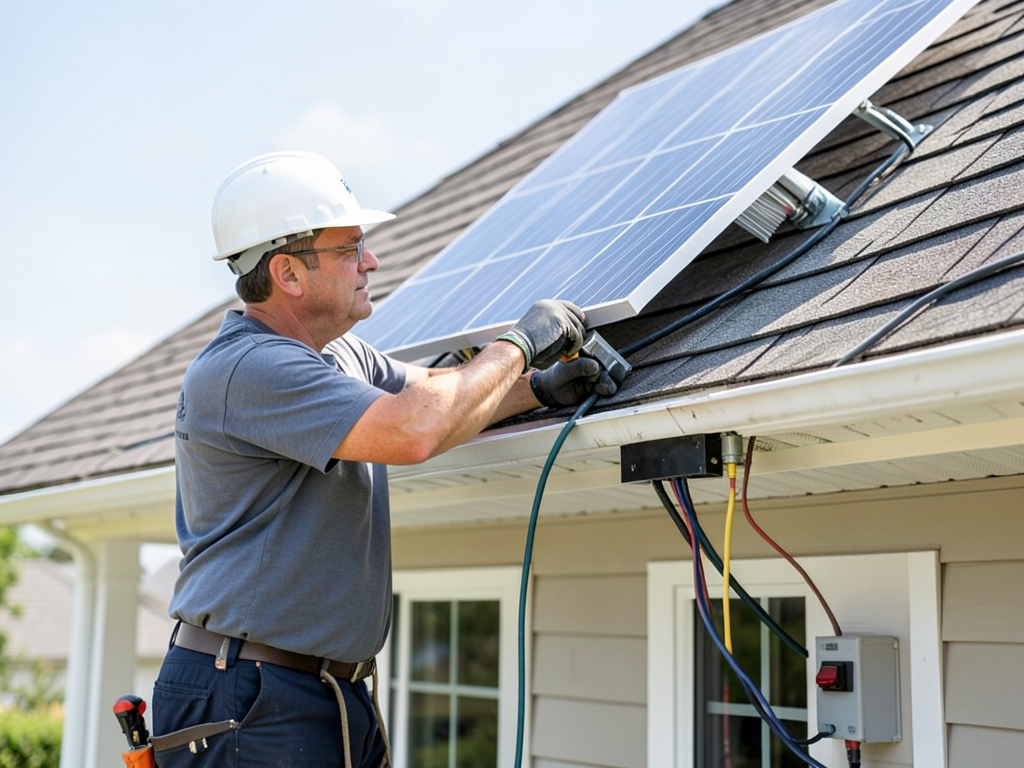
Exhaust options include ridge vents, which run along the peak of your roof and provide uniform airflow across the entire attic length. Turbine vents, often called “whirlybirds,” use wind power to actively pull air out. Solar-powered attic fans offer the most aggressive exhaust solution, using photovoltaic panels to power fans that can move 1,000+ cubic feet of air per minute on sunny days.
The key to effective ventilation is balance. Building codes require a 1:300 ratio for most homes—one square foot of net free ventilation area for every 300 square feet of attic floor space. In high-humidity areas like Dallas, some building departments require the more aggressive 1:150 ratio to ensure adequate moisture removal.
Solar Attic Fans vs. Passive Ventilation: What Works Best in Dallas?
Passive ventilation systems rely on natural convection and wind to move air through your attic. These include ridge vents paired with soffit vents, which create continuous airflow without any moving parts. The advantage is reliability—no motors to fail, no electricity needed, and they work 24/7.
Solar attic fans provide active ventilation by using sunlight to power exhaust fans. In Dallas’s sunny climate, these fans can reduce attic temperatures by 20-30°F on hot days. They’re particularly effective for homes with complex roof designs where passive systems struggle to create adequate airflow.
The choice depends on your home’s specific needs. Passive systems work well for simple roof designs with good ridge length and adequate soffit space. Solar fans excel in situations with limited ridge area, cathedral ceilings, or when you need maximum temperature reduction. Many Dallas homeowners find that combining both—passive intake with solar-powered exhaust—provides optimal performance.
Cost considerations matter too. Passive ventilation typically costs $300-800 installed, while quality solar attic fans run $800-2,500 depending on size and features. The energy savings from solar fans often pay for themselves within 3-5 years through reduced cooling costs and extended HVAC system life.
Building Codes and Ventilation Requirements in Dallas
Dallas building codes follow the International Residential Code (IRC) requirements for attic ventilation. Section R806 mandates that enclosed attics and roof framing cavities have cross ventilation with net free vent area not less than 1:150 of the area to be ventilated, unless certain exceptions apply. National Roofing Contractors Association ventilation resources.
For Dallas homes, the 1:150 ratio is often the minimum requirement due to our climate. This means a 2,000 square foot attic needs at least 13.3 square feet of net free ventilation area—split roughly equally between intake and exhaust. Some municipalities in the DFW area require even more aggressive ventilation for homes in flood zones or with specific architectural features.
Building inspectors look for several key elements during roof replacement or renovation. Vents must be properly spaced to prevent hot spots, screens must prevent pest entry while allowing adequate airflow, and insulation baffles must keep attic insulation from blocking soffit vents. Missing any of these elements can result in failed inspections and costly rework. How Much a Full Roof Replacement Really Costs in the Dallas Area.
Commercial properties in Dallas face additional requirements under the Texas Energy Conservation Code. These buildings must meet specific R-value requirements for roof insulation and often require mechanical ventilation systems that integrate with the building’s HVAC design. Compliance isn’t optional—violations can result in fines and mandatory corrections.
The Science of Attic Temperature Reduction
Proper ventilation works through the principle of thermal convection. As attic air heats up, it becomes less dense and rises toward the roof peak. Exhaust vents at the highest point allow this hot air to escape, while intake vents at the eaves draw in cooler replacement air. This creates continuous airflow that can reduce attic temperatures by 20-50°F compared to unventilated spaces.
The effectiveness depends on several factors. Vent placement must create a clear path for air to travel from intake to exhaust. Baffles prevent insulation from blocking soffit vents, ensuring continuous airflow at the eaves. The total ventilation area must match your attic’s volume—undersized systems simply can’t move enough air to make a difference.
Temperature monitoring proves the impact. Before-and-after readings consistently show attics dropping from 160°F to 110-120°F with proper ventilation. This 40-50°F reduction translates directly to energy savings, as your AC doesn’t have to overcome such an extreme temperature differential. The cooling load reduction often equals 1-2 tons of AC capacity, potentially delaying expensive system upgrades.
Humidity control is equally important in Dallas. Proper ventilation removes moisture-laden air before it can condense on attic surfaces. This prevents the wood rot, insulation degradation, and mold growth that commonly plague poorly ventilated North Texas homes. The combination of temperature and humidity control creates a healthier attic environment that protects your entire home.
Impact on Roof Lifespan and Material Performance
Excessive attic heat doesn’t just waste energy—it actively damages your roofing materials. Asphalt shingles, the most common choice in Dallas, are designed to withstand UV radiation but not prolonged exposure to extreme heat from below. When attic temperatures exceed 150°F, the shingle adhesive backing begins to break down, causing premature curling, cracking, and granule loss.
Most major shingle manufacturers explicitly state in their warranties that inadequate ventilation voids coverage. This means a $10,000 roof could fail in 10 years instead of the expected 20-25 years, costing you thousands in premature replacement expenses. The heat also accelerates the aging of roof decking, causing warping and structural weakness that compromises your home’s integrity.
Metal roofing systems, while more heat-resistant than asphalt, still benefit from proper ventilation. The temperature differential between the metal surface and the attic space affects expansion and contraction rates, which can impact fastener performance and seal integrity over time. Even tile and slate roofs experience accelerated wear when installed over poorly ventilated attics. Deciding if a Metal Roof is the Right Choice for Your North Dallas Home.
The financial impact extends beyond replacement costs. A roof that fails prematurely means dealing with leaks, interior damage, and the disruption of emergency repairs. Proper ventilation is essentially insurance against these problems, protecting both your investment and your peace of mind during Dallas’s extreme weather seasons.
Our Dallas Roofing & Ventilation Process
Every successful ventilation project starts with a comprehensive attic assessment. Our technicians use thermal imaging cameras to identify hot spots, moisture meters to detect hidden water damage, and airflow measurements to evaluate your current system’s effectiveness. This diagnostic phase reveals problems that aren’t visible from the ground or even inside your attic.
Based on the assessment, we design a ventilation solution tailored to your home’s specific needs. This includes calculating the exact ventilation requirements based on your attic’s square footage, roof pitch, and existing conditions. We consider factors like nearby trees that might block wind-driven ventilation, the age and condition of your roofing materials, and any existing moisture problems.
Installation follows a precise sequence to ensure optimal performance. We start by clearing any blocked soffit vents and installing baffles to maintain clear airflow paths. Exhaust vents go in next, positioned to create effective cross-ventilation across the entire attic space. For solar fans, we mount panels for maximum sun exposure while maintaining your roof’s aesthetic appeal.
The final step involves testing and verification. We use airflow meters to confirm that your new system moves the calculated volume of air, and thermal cameras to verify temperature reductions. Many homeowners are amazed to see their attic temperature drop by 30-40°F within hours of installation. We also provide documentation showing your system meets all local building codes and manufacturer requirements.
Energy Savings and ROI for Dallas Homeowners
The financial benefits of proper attic ventilation extend far beyond just lower cooling bills. Most Dallas homeowners see 10-30% reductions in their summer electricity costs after improving attic ventilation. For a typical home spending $300-400 monthly on cooling during peak season, this translates to $30-120 in monthly savings, or $360-1,440 annually.
The savings compound over time. Your air conditioner runs less frequently, reducing wear on compressors, fans, and electrical components. This can extend your AC system’s life by 2-5 years, delaying the $5,000-12,000 replacement cost. The reduced runtime also means fewer repair calls and lower maintenance expenses throughout your system’s life.
Beyond direct energy savings, proper ventilation protects other home systems. Reduced attic heat means less stress on water heaters, plumbing, and electrical systems located in or near the attic. It also prevents the wood rot and structural damage that can lead to expensive repairs. Many homeowners find that ventilation improvements pay for themselves within 2-4 years through these combined benefits.
The environmental impact matters too. Lower energy consumption means reduced carbon emissions and decreased demand on the Texas power grid during peak summer loads. For environmentally conscious homeowners, this represents a tangible way to reduce their carbon footprint while saving money—a true win-win scenario.
Common Ventilation Problems in Dallas Area Homes
Many Dallas homes suffer from ventilation issues that homeowners don’t even realize exist. One common problem is blocked soffit vents, where insulation has fallen into the eave space or been installed without proper baffles. This cuts off the intake airflow, rendering even the best exhaust vents ineffective.
Another frequent issue is inadequate vent area. Homes built before 2000 often have ventilation systems designed to older, less stringent codes. These systems might provide only half the required airflow for today’s energy-efficient homes with better insulation and air sealing. The result is an attic that stays hot and humid year-round.
Poor vent placement creates hot spots in complex roof designs. Homes with multiple roof levels, dormers, or hip roofs often have ventilation gaps where air can’t circulate effectively. These areas become heat traps that can reach 180°F or higher, accelerating material degradation and creating moisture problems.
Finally, many Dallas homes lack proper vapor barriers or have them installed incorrectly. This allows moisture from your living space to migrate into the attic, where it condenses on cool surfaces during temperature swings. The resulting mold and rot often go undetected until they cause significant damage, making prevention through proper ventilation essential.
Combining Ventilation with Other Energy Efficiency Upgrades
Attic ventilation works best as part of a comprehensive energy efficiency strategy. Radiant barriers, installed on the underside of your roof deck, reflect up to 97% of radiant heat before it enters your attic space. When combined with proper ventilation, this can reduce attic temperatures by an additional 10-15°F.
Upgrading attic insulation complements ventilation by reducing heat transfer between your attic and living spaces. While ventilation removes hot air, insulation prevents that heat from radiating down into your home. The combination creates a powerful thermal barrier that can cut cooling costs by 30-40% compared to homes with neither upgrade.
Roof color and material selection also impact ventilation effectiveness. Light-colored or “cool roof” shingles reflect more solar radiation, reducing the heat load your ventilation system must handle. Some homeowners combine these with enhanced ventilation for maximum performance, particularly in Dallas’s intense summer sun.
Smart home integration offers additional benefits. Thermostat-controlled attic fans can adjust their speed based on attic temperature, maximizing efficiency while minimizing electricity use. Some systems integrate with whole-house fans that can cool your entire home overnight using outside air, further reducing AC runtime during shoulder seasons.
Frequently Asked Questions
How much does attic ventilation improvement cost in Dallas?
Basic ventilation upgrades typically range from $500-2,500 depending on your home’s size and the complexity of the installation. Solar attic fans cost $800-2,500 installed, while passive systems with ridge vents and improved soffit ventilation run $500-1,500. The investment usually pays for itself within 2-4 years through energy savings.
Will better attic ventilation really lower my electric bill?
Yes. Most Dallas homeowners see 10-30% reductions in cooling costs after improving attic ventilation. This translates to $30-120 monthly savings during peak summer months. The exact savings depend on your home’s size, current ventilation condition, and how much you currently run your air conditioning.
How do I know if my attic has adequate ventilation?
Signs of poor ventilation include extremely hot ceilings below the attic, ice dam formation in winter (rare in Dallas but possible), moisture or mold in the attic, and curling or deteriorating shingles. A professional assessment using thermal imaging can definitively determine if your ventilation meets current building code requirements.
Can I install attic ventilation myself?
While some basic improvements like adding soffit vents are possible for experienced DIYers, proper ventilation design requires understanding building codes, calculating airflow requirements, and ensuring proper integration with your existing roof structure. Improper installation can void warranties, fail inspections, and create more problems than it solves. Professional installation is recommended. Why a Pre-Storm Roof Inspection is Vital for Every Lake Highlands Homeowner.
How long does ventilation installation take?
Most residential ventilation projects complete in one day. Simple upgrades like adding soffit vents might take 2-4 hours, while comprehensive systems with solar fans and ridge vents typically finish in 6-8 hours. The exact timeline depends on your roof’s complexity and weather conditions.
Does ventilation help in winter too?
Yes. While the primary benefit is summer cooling reduction, proper ventilation also helps in winter by preventing moisture buildup from household activities like cooking and showering. This moisture can condense in your attic, leading to mold growth and wood rot even in Dallas’s relatively mild winters.
Will improving ventilation affect my roof warranty?
Proper ventilation actually helps maintain your roof warranty. Most shingle manufacturers require specific ventilation standards to honor their warranties. Inadequate ventilation is a common reason for warranty claims being denied. Improving your ventilation to meet current standards ensures your warranty remains valid.
What’s the difference between active and passive ventilation?
Passive ventilation relies on natural convection and wind to move air through your attic, using vents like ridge vents and soffit vents without any moving parts. Active ventilation uses powered fans, either electric or solar, to actively exhaust hot air. Active systems move more air but cost more to install and operate.
Take Control of Your Dallas Cooling Costs Today
Don’t let another summer of extreme heat drive your energy bills through the roof. The combination of proper attic ventilation and quality roofing creates a powerful defense against Dallas’s brutal summer temperatures. Whether you’re dealing with a failing roof, skyrocketing cooling costs, or just want to maximize your home’s energy efficiency, the solution starts with understanding your attic’s ventilation needs.
Our team has helped hundreds of Dallas homeowners reduce their cooling costs by 10-30% while extending their roof’s lifespan by years. We combine technical expertise with local knowledge of Dallas building codes and climate challenges to deliver solutions that actually work in North Texas conditions. From initial assessment through final installation, we handle every aspect of your ventilation project with the professionalism and attention to detail your home deserves.
The Dallas heat isn’t getting any milder, and energy costs continue to rise. Every month you wait is another month of wasted energy and unnecessary wear on your HVAC system. Call (214) 204-2077 today to schedule your free attic assessment. Our experts will evaluate your current ventilation, identify problems, and provide a clear plan for reducing your cooling costs while protecting your roof investment.
Pick up the phone and call (214) 204-2077 before the next heat wave hits. Your comfort, your wallet, and your roof will thank you. For more information, visit U.S. Department of Energy attic ventilation guide.
{
“@context”: “https://schema.org”,
“@type”: “BlogPosting”,
“headline”: “Reducing Your Dallas Cooling Bills with Better Attic Ventilation and Roofing”,
“description”: “Learn how proper attic ventilation reduces Dallas cooling costs. Discover ventilation types, building codes, and energy savings for North Texas homes.”,
“wordCount”: 2994,
“datePublished”: “2026-03-02T15:18:00.000Z”,
“dateModified”: “2026-03-02T15:18:00.000Z”,
“inLanguage”: “en-US”,
“mainEntityOfPage”: {
“@type”: “WebPage”,
“@id”: “https://grandroofingdallas.com”
},
“publisher”: {
“@type”: “LocalBusiness”,
“name”: “Grand Roofing Dallas”,
“url”: “https://grandroofingdallas.com”
},
“author”: {
“@type”: “Organization”,
“name”: “Grand Roofing Dallas”,
“url”: “https://grandroofingdallas.com”
},
“image”: {
“@type”: “ImageObject”,
“url”: “https://grandroofingdallas.com/wp-content/uploads/2026/03/reducing-your-dallas-cooling-bills-with-better-att-1.png”
}
}
{
“@context”: “https://schema.org”,
“@type”: “RoofingContractor”,
“name”: “Grand Roofing Dallas”,
“url”: “https://grandroofingdallas.com”,
“address”: {
“@type”: “PostalAddress”,
“addressLocality”: “Dallas”
},
“areaServed”: {
“@type”: “City”,
“name”: “Dallas”
}
}
{
“@context”: “https://schema.org”,
“@type”: “FAQPage”,
“mainEntity”: [
{
“@type”: “Question”,
“name”: “Solar Attic Fans vs. Passive Ventilation: What Works Best in Dallas?”,
“acceptedAnswer”: {
“@type”: “Answer”,
“text”: “Passive ventilation systems rely on natural convection and wind to move air through your attic. These include ridge vents paired with soffit vents, which create continuous airflow without any moving parts. The advantage is reliability—no motors to fail, no electricity needed, and they work 24/7.”
}
},
{
“@type”: “Question”,
“name”: “How much does attic ventilation improvement cost in Dallas?”,
“acceptedAnswer”: {
“@type”: “Answer”,
“text”: “Basic ventilation upgrades typically range from $500-2,500 depending on your home’s size and the complexity of the installation. Solar attic fans cost $800-2,500 installed, while passive systems with ridge vents and improved soffit ventilation run $500-1,500. The investment usually pays for itself within 2-4 years through energy savings.”
}
},
{
“@type”: “Question”,
“name”: “Will better attic ventilation really lower my electric bill?”,
“acceptedAnswer”: {
“@type”: “Answer”,
“text”: “Yes. Most Dallas homeowners see 10-30% reductions in cooling costs after improving attic ventilation. This translates to $30-120 monthly savings during peak summer months. The exact savings depend on your home’s size, current ventilation condition, and how much you currently run your air conditioning.”
}
},
{
“@type”: “Question”,
“name”: “How do I know if my attic has adequate ventilation?”,
“acceptedAnswer”: {
“@type”: “Answer”,
“text”: “Signs of poor ventilation include extremely hot ceilings below the attic, ice dam formation in winter (rare in Dallas but possible), moisture or mold in the attic, and curling or deteriorating shingles. A professional assessment using thermal imaging can definitively determine if your ventilation meets current building code requirements.”
}
},
{
“@type”: “Question”,
“name”: “Can I install attic ventilation myself?”,
“acceptedAnswer”: {
“@type”: “Answer”,
“text”: “While some basic improvements like adding soffit vents are possible for experienced DIYers, proper ventilation design requires understanding building codes, calculating airflow requirements, and ensuring proper integration with your existing roof structure. Improper installation can void warranties, fail inspections, and create more problems than it solves. Professional installation is recommended. Why a Pre-Storm Roof Inspection is Vital for Every Lake Highlands Homeowner.”
}
},
{
“@type”: “Question”,
“name”: “How long does ventilation installation take?”,
“acceptedAnswer”: {
“@type”: “Answer”,
“text”: “Most residential ventilation projects complete in one day. Simple upgrades like adding soffit vents might take 2-4 hours, while comprehensive systems with solar fans and ridge vents typically finish in 6-8 hours. The exact timeline depends on your roof’s complexity and weather conditions.”
}
},
{
“@type”: “Question”,
“name”: “Does ventilation help in winter too?”,
“acceptedAnswer”: {
“@type”: “Answer”,
“text”: “Yes. While the primary benefit is summer cooling reduction, proper ventilation also helps in winter by preventing moisture buildup from household activities like cooking and showering. This moisture can condense in your attic, leading to mold growth and wood rot even in Dallas’s relatively mild winters.”
}
},
{
“@type”: “Question”,
“name”: “Will improving ventilation affect my roof warranty?”,
“acceptedAnswer”: {
“@type”: “Answer”,
“text”: “Proper ventilation actually helps maintain your roof warranty. Most shingle manufacturers require specific ventilation standards to honor their warranties. Inadequate ventilation is a common reason for warranty claims being denied. Improving your ventilation to meet current standards ensures your warranty remains valid.”
}
},
{
“@type”: “Question”,
“name”: “What’s the difference between active and passive ventilation?”,
“acceptedAnswer”: {
“@type”: “Answer”,
“text”: “Passive ventilation relies on natural convection and wind to move air through your attic, using vents like ridge vents and soffit vents without any moving parts. Active ventilation uses powered fans, either electric or solar, to actively exhaust hot air. Active systems move more air but cost more to install and operate.”
}
}
]
}
{
“@context”: “https://schema.org”,
“@type”: “BreadcrumbList”,
“itemListElement”: [
{
“@type”: “ListItem”,
“position”: 1,
“name”: “Home”,
“item”: “https://grandroofingdallas.com”
},
{
“@type”: “ListItem”,
“position”: 2,
“name”: “Blog”,
“item”: “https://grandroofingdallas.com/blog”
},
{
“@type”: “ListItem”,
“position”: 3,
“name”: “Reducing Your Dallas Cooling Bills with Better Attic Ventilation and Roofing”
}
]
}
{
“@context”: “https://schema.org”,
“@type”: “Service”,
“serviceType”: “Roofing”,
“provider”: {
“@type”: “LocalBusiness”,
“name”: “Grand Roofing Dallas”,
“url”: “https://grandroofingdallas.com”
},
“areaServed”: {
“@type”: “City”,
“name”: “Dallas”
},
“description”: “Learn how proper attic ventilation reduces Dallas cooling costs. Discover ventilation types, building codes, and energy savings for North Texas homes.”
}