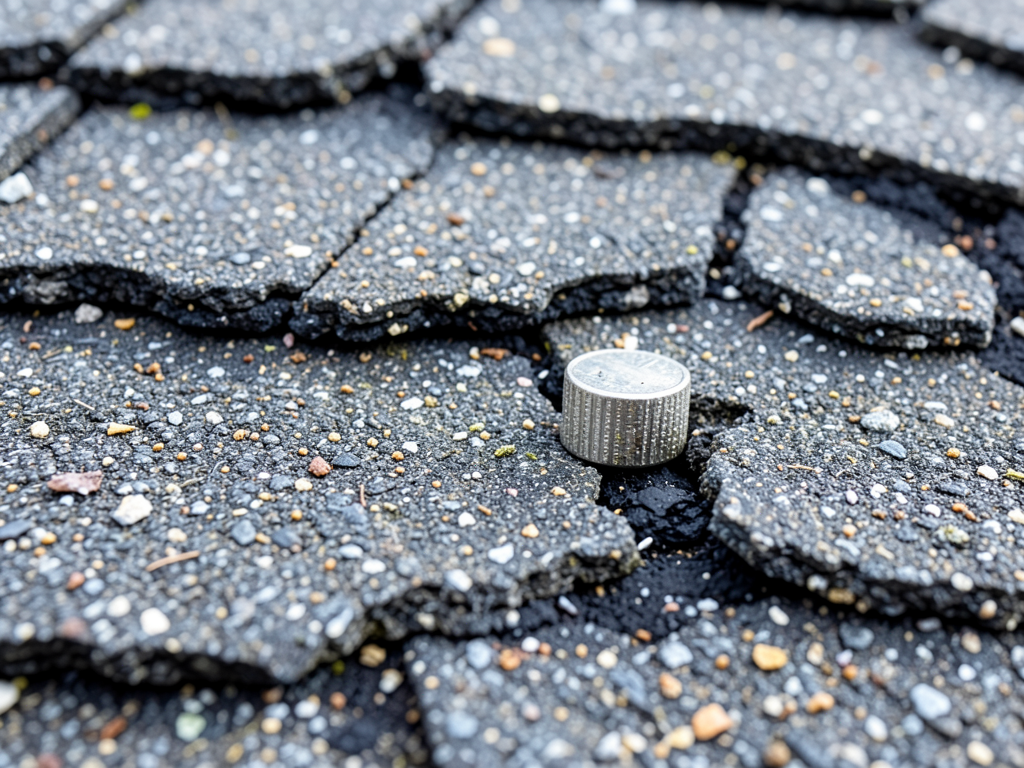





Dallas sits in a severe weather corridor that experiences some of the most damaging storms in Texas. Spring brings golf-ball-sized hail that dents flashing and cracks sealant bonds. Summer thunderstorms generate 60 to 70 mph straight-line winds that lift shingles and expose flashing edges to water intrusion. Our average annual temperature swing from winter lows near 30 degrees to summer highs over 100 degrees creates expansion and contraction cycles that fatigue metal and separate caulked joints. These conditions mean Dallas roof flashing experiences more stress in five years than similar installations in milder climates endure in fifteen years.
Dallas building codes now require enhanced flashing attachment methods in response to increased storm frequency and intensity. Grand Roofing Dallas stays current with these evolving standards through regular training and code review. We also maintain relationships with local building inspectors who recognize our work quality. When permits are required for major flashing replacement, our installations pass inspection on the first attempt. That local expertise saves you time and eliminates the callbacks and corrections that delay projects when out-of-area contractors misunderstand Dallas-specific requirements for wind uplift resistance and water barrier integration.