



menu

Roof Inspection Checklist in Dallas – Complete Residential Assessment Templates and Maintenance Guides

Comprehensive roofing inspection templates and maintenance checklists designed specifically for Dallas homeowners facing severe hail storms, extreme heat cycles, and unpredictable North Texas weather patterns that accelerate roof deterioration.

Slider Image 1
Slider Image 2
Slider Image 3
Slider Image 4
Slider Image 5
Slider Image 7
Slider Image 8
Slider Image 9
Slider Image 10
Slider Image 11

Why Dallas Roofs Demand More Rigorous Inspection Protocols

Dallas roofs endure punishment most homeowners underestimate. The combination of triple-digit summer heat, sudden hail events, and rapid temperature swings creates a perfect storm for roof failure. A comprehensive roof inspection checklist is not optional here, it is essential preventative maintenance.

North Texas experiences some of the most volatile weather in the country. Your roof expands and contracts through 40-degree temperature swings in a single day during spring and fall. Summer heat can push surface temperatures above 160 degrees, degrading asphalt shingles faster than in cooler climates. Then hail season arrives, and a single storm can destroy what took years to compromise through thermal cycling.

A proper roofing inspection template must account for these specific stressors. Generic roof check sheets fail Dallas homeowners because they miss the telltale signs of thermal damage, granule loss patterns unique to intense UV exposure, and the micro-fractures hail creates before visible dents appear.

Your roof maintenance checklist needs to address flashing integrity around the numerous penetrations common in modern Dallas homes. HVAC equipment, satellite dishes, and roof-mounted solar arrays create dozens of potential leak points. Each penetration becomes a vulnerability when sealants dry out in relentless heat or when ice forms during rare freezing events.

The residential roof inspection guide you use must be calibrated to local failure patterns. What works in Seattle or Phoenix will miss critical indicators here. You need a roof assessment form that captures the specific degradation timeline North Texas weather creates, helping you spot problems before they become insurance claims or emergency repairs.

Why Dallas Roofs Demand More Rigorous Inspection Protocols
Building an Effective Inspection Framework for North Texas Conditions

Building an Effective Inspection Framework for North Texas Conditions

A functional roof inspection checklist starts with understanding component hierarchy. Not all roof elements fail at the same rate in Dallas. Your assessment protocol should prioritize areas where North Texas weather concentrates damage first.

Begin with valley systems. These channels concentrate water flow during our intense thunderstorms, which can dump three inches in an hour. Valley flashing takes more abuse here than in regions with gentler rainfall patterns. Your roofing inspection template must include detailed valley assessment, checking for granule accumulation, metal corrosion, and sealant degradation.

Next, examine all protrusions and transitions. Pipe boots become brittle under UV exposure. The neoprene gaskets around vent pipes crack after five to seven years in Dallas heat, much faster than manufacturer projections based on moderate climates. Your roof check sheet should mandate close inspection of every penetration, not just a general overview.

Ridge caps and hip lines deserve special attention. Wind-driven rain during severe storms tests these vulnerable transitions. The mechanical fasteners holding ridge shingles face constant thermal expansion and contraction. A thorough roof maintenance checklist includes fastener counts and checks for nail pops, which indicate movement.

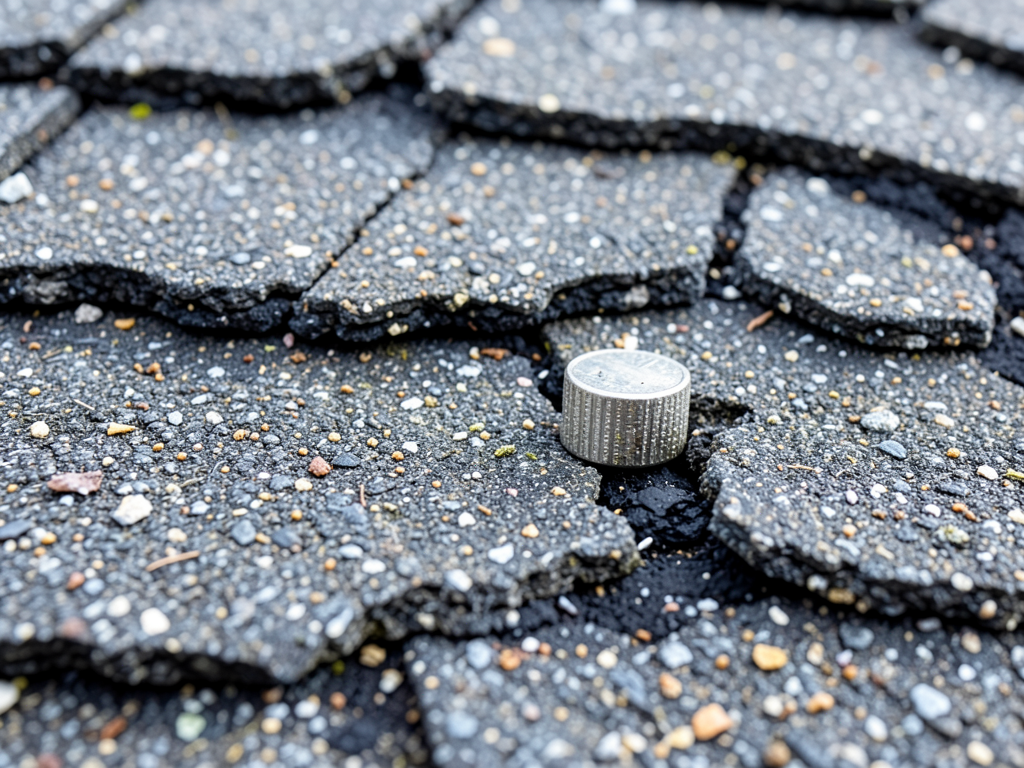
Granule loss patterns reveal thermal damage before leaks develop. Your residential roof inspection guide should include photographic references showing normal aging versus accelerated degradation. Dallas roofs lose granules faster on south and west exposures. This is not cosmetic. Exposed asphalt mat deteriorates rapidly once the ceramic coating wears away.

Document everything systematically. Your roof assessment form should use a numbered grid system, allowing you to track the same areas over multiple inspections. This historical data reveals degradation rates specific to your roof, helping predict replacement timing before emergency situations develop.

How to Execute Your Roof Assessment Properly

Roof Inspection Checklist in Dallas – Complete Residential Assessment Templates and Maintenance Guides
01

Ground-Level Perimeter Survey

Start every inspection from the ground using binoculars to examine the entire roof plane. Look for obvious displacement, missing shingles, or debris accumulation in valleys. Check gutters for excessive granule buildup, which signals accelerated surface erosion. This preliminary assessment identifies problem zones before you commit to roof access and helps you plan your detailed inspection route efficiently.
02

Systematic Component Documentation

Once on the roof, work methodically using your roof check sheet to examine each component category. Inspect all flashing installations, testing sealant adhesion with light pressure. Examine shingle tabs for lifting, curling, or cracking. Check fastener patterns for proper exposure and adequate penetration. Photograph any anomalies with reference markers for precise location documentation in your records.
03

Interior Correlation and Reporting

Complete your assessment by checking attic spaces for moisture indicators, staining, or compromised insulation. Cross-reference interior findings with exterior observations to identify active leak pathways. Compile your roof assessment form with dated photographs, measurements, and condition ratings for each component. This creates a baseline for future comparisons and provides documentation for insurance purposes if storm damage occurs.

Why Local Roofing Knowledge Changes Everything

Understanding Dallas-specific building codes and weather patterns separates effective roof inspections from wasted effort. The City of Dallas has specific requirements for wind resistance ratings and fastening patterns that differ from surrounding municipalities. Your roofing inspection template must reflect these local standards, or you will miss code violations that complicate insurance claims.

Grand Roofing Dallas has documented weather damage patterns across hundreds of North Texas properties. We know which neighborhoods experienced hail on specific dates, which manufacturers had defective shingle runs installed during particular years, and which roofing crews cut corners during the building boom. This institutional knowledge cannot be replicated by generic inspection guides.

The clay soil underlying most Dallas properties creates foundation movement that translates to roof stress. Homes in East Dallas, Lake Highlands, and North Oak Cliff experience different settlement patterns than newer developments in Frisco or McKinney built on different soil compositions. Your roof maintenance checklist should account for stress indicators related to foundation shift, including separated flashing, cracked mastic, and fastener withdrawal.

Local insurance requirements add another layer of complexity. Texas Windstorm Inspection forms require specific documentation that standard residential roof inspection guides omit. If you plan to file claims after severe weather, your roof assessment form must capture the data adjusters demand, including fastener counts, decking conditions, and proper ventilation compliance.

We have worked with every major insurance carrier operating in Dallas County. We know what documentation they accept, what triggers automatic denials, and how to photograph damage so it meets their evidentiary standards. A roof inspection checklist created without this claims experience leaves you vulnerable to denial on technicalities that have nothing to do with actual damage severity.

Dallas has micro-climates. Properties near White Rock Lake face different moisture exposure than homes in drier western suburbs. Areas with mature tree canopy experience algae growth and mechanical damage from falling branches. Your inspection protocol must adapt to these hyper-local conditions.

What Your Comprehensive Roof Assessment Includes

Inspection Timeframe and Scheduling

A proper roof inspection takes between 90 minutes and three hours depending on roof complexity, square footage, and accessibility. We schedule assessments during optimal conditions, avoiding extreme heat that makes roof surfaces dangerous and post-rain periods when moisture masks underlying issues. Most homeowners receive preliminary findings the same day, with detailed written reports including photographic documentation delivered within 48 hours. Emergency storm damage assessments can be expedited when insurance claim deadlines demand faster turnaround.

Multi-Point Assessment Protocol

Our roof assessment form examines 43 separate component categories, from drip edge integrity to soffit ventilation adequacy. We measure remaining shingle life using granule density analysis, thermal imaging for moisture intrusion, and fastener pull tests on suspicious areas. The evaluation includes attic inspection for proper ventilation, which directly impacts shingle longevity in Dallas heat. You receive condition ratings for each system, replacement priority rankings, and projected failure timelines based on current degradation rates and typical North Texas weather stress.

Actionable Documentation Deliverables

Your completed roofing inspection template includes georeferenced photographs showing exact damage locations, measurements of affected areas, and comparison images showing normal versus compromised conditions. The residential roof inspection guide we provide explains findings in clear language, translating technical observations into maintenance priorities. You get a digital report compatible with insurance submissions, including all metadata adjusters require. The documentation becomes part of your property records, adding value during resale by demonstrating proactive maintenance history.

Ongoing Maintenance Planning

After your initial assessment, we provide a customized roof maintenance checklist tailored to your specific roof age, material type, and exposure conditions. This includes recommended inspection intervals, which vary from annual checks for roofs over 15 years old to every three years for newer installations in good condition. We track your inspection history, sending reminders before hail season and after major storm events. Clients who follow the maintenance protocol we establish typically extend roof life by 30 to 40 percent compared to reactive-only maintenance approaches.

Frequently Asked Questions

You Have Questions,
We Have Answers

How Dallas Hail Patterns Demand Specialized Inspection Techniques

Dallas sits in the most active hail corridor in North America. The city experiences an average of nine hail events annually, with stones exceeding one inch diameter occurring three to four times per year. This creates unique inspection challenges because hail damage is cumulative. A roof check sheet must differentiate between fresh impact damage eligible for insurance claims and pre-existing damage from previous storms. We use impact pattern analysis and shingle age correlation to establish damage timelines, critical information when adjusters question whether damage occurred during the claimed event or in previous years.

Grand Roofing Dallas maintains relationships with local building inspectors, insurance adjusters, and the Dallas Builders Association. We stay current on code changes, including the recent updates to wind uplift requirements in the 2021 International Residential Code adoption. Our roof inspection checklist reflects these local standards because we participate in the industry committees that shape them. When you work with inspectors who understand Dallas-specific requirements, you get assessments that hold up under professional scrutiny, whether that is a building department review or an insurance investigation.

Roofing Services in The Dallas Area

Grand Roofing Dallas proudly serves the entire metropolitan area and surrounding communities. We're committed to providing prompt, professional service wherever you are. Use the map to see our location and service radius, or simply give us a call to schedule an in-person consultation at your property. We look forward to bringing our expert roofing solutions directly to you.

Address:
Grand Roofing Dallas, 4422 Live Oak St, Dallas, TX, 75204

Additional Services We Offer

Our news updates

Latest Articles & News from The Blogs

Will a New Roof Help You Sell Your Bishop Arts Home Faster?\n\nIf you're preparing to list your Bishop Arts home,…

Will a New Roof Help You Sell Your Bishop Arts Home Faster?

Will a New Roof Help You Sell Your Bishop Arts Home Faster?\n\nIf you're preparing to list your Bishop Arts home,…

Finding Sand in Your Gutters? What Granule Loss Means for Your Roof's Lifespan

Finding Sand in Your Gutters? What Granule Loss Means for Your Roof’s Lifespan Those tiny granules collecting in your gutters…

Buying a Home in Prosper? Here is What to Look for During the Roof Walkthrough

Buying a Home in Prosper? Here is What to Look for During the Roof Walkthrough\n\nBuying a home in Prosper means…

Contact Us

Do not wait for visible leaks to discover roof problems. Call Grand Roofing Dallas at (214) 204-2077 for a comprehensive inspection using our proven assessment protocols. We will document your roof's current condition and provide the maintenance roadmap you need to maximize your investment.