



menu

Rotting Fascia Boards in Dallas | Expert Diagnosis and Permanent Wood Rot Solutions

Grand Roofing Dallas identifies hidden fascia board rot, decaying fascia wood, and water damaged fascia before structural failure occurs, then rebuilds your roofline to withstand North Texas weather extremes.

Slider Image 1
Slider Image 2
Slider Image 3
Slider Image 4
Slider Image 5
Slider Image 7
Slider Image 8
Slider Image 9
Slider Image 10
Slider Image 11

Why Fascia Boards Fail Faster in Dallas

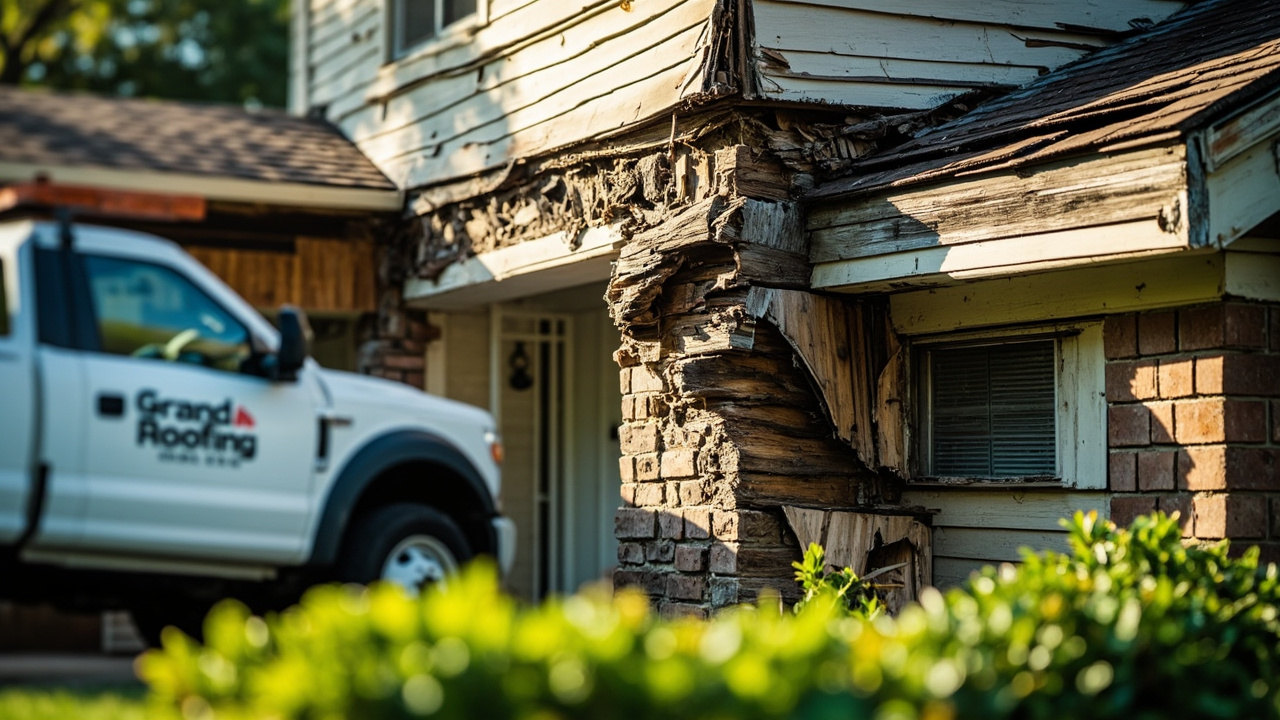
You notice peeling paint along your roofline. The trim board below your gutter sags when you press it. What looks like minor cosmetic damage is fascia board rot, and in Dallas, it accelerates faster than most homeowners realize.

North Texas humidity sits between 60 and 80 percent year-round. When your gutters overflow during spring downpours or back up with debris, that moisture soaks into the fascia. The wood swells. Summer heat hits 100 degrees and bakes the saturated board. The wood contracts. This freeze-thaw, wet-dry cycle repeats dozens of times each year, breaking down the wood fibers from the inside out.

Clay soil movement compounds the problem. As the ground shifts beneath your foundation, it can pull gutters away from the fascia by fractions of an inch. That small gap funnels rainwater directly onto the wood instead of into the downspout. You get water damaged fascia in sections you cannot see from ground level.

Decaying fascia wood does not just look bad. It compromises your entire gutter system. Once the wood softens, gutter brackets pull loose. The gutter tilts. Water spills over the edge and pours down your exterior walls. You end up with rotted roof trim, soffit damage, and potential water intrusion into your attic.

The wood rot on fascia you can see with your eyes is never the full story. By the time discoloration or sagging becomes visible, the damage has already spread along the board and possibly into the rafter tails behind it. Dallas homes with original wood fascia from the 1980s and 1990s are especially vulnerable because older lumber treatments break down faster in high-humidity climates.

Why Fascia Boards Fail Faster in Dallas
How We Fix Fascia Rot the Right Way

How We Fix Fascia Rot the Right Way

Most roofers will replace the visible section of rotted roof trim and call it done. That approach fails because it ignores the source of the moisture and the hidden damage spreading horizontally along the roofline.

We start with a moisture meter and probe test. We check the fascia board every two feet along the entire perimeter. We measure moisture content in the wood. Anything above 19 percent indicates active rot or conditions that will cause rot within months. We mark every compromised section with precision.

Next, we inspect the rafter tails. These are the structural wood beams your fascia nails into. If water has been running down the fascia for months, it has soaked into the rafter tail ends. We check for soft spots, discoloration, and insect activity. Termites and carpenter ants target water damaged fascia because the softened wood is easier to chew through.

We remove the damaged fascia in full sections, not patches. Partial repairs create seams where water infiltrates again. We cut back to solid wood and then inspect the drip edge and roof decking above. If the drip edge is bent or missing, water will pour onto the new fascia and restart the rot cycle.

We replace fascia with pressure-treated lumber or PVC board, depending on your budget and long-term goals. Pressure-treated pine resists rot better than standard lumber. PVC fascia is inert and will not rot, but it requires different installation techniques to prevent warping in Texas heat.

We reattach gutters with new brackets anchored into solid wood. We verify proper slope so water flows toward downspouts instead of pooling against the fascia. We seal all seams and joints with exterior-grade caulk to block future moisture intrusion.

What Happens During a Fascia Board Replacement

Rotting Fascia Boards in Dallas | Expert Diagnosis and Permanent Wood Rot Solutions
01

Roofline Moisture Assessment

We climb onto your roof and walk the perimeter with a moisture meter and inspection mirror. We check the back side of the fascia where water collects. We test the wood density with a probe tool to find soft spots hidden under intact paint. We photograph every problem area and map the extent of the rot so you know exactly what needs replacement before we start tearing boards off.
02

Gutter and Fascia Removal

We carefully detach the gutter sections and set them aside if they are salvageable. We pry off the rotted fascia boards without damaging the soffit panels or roof shingles. We expose the rafter tails and inspect for hidden damage. If the rafter ends are compromised, we sister in new wood reinforcements before installing the new fascia. This step prevents future sagging and gutter failure.
03

Fascia Installation and Sealing

We cut new fascia boards to exact length and prime all cut ends before installation. We nail the boards into solid rafter tails using corrosion-resistant fasteners. We install new drip edge along the roof perimeter to redirect water away from the fascia. We reattach the gutters with proper pitch and seal every seam. The final step is caulking all joints and applying two coats of exterior paint to lock out moisture for years.

Why Dallas Homeowners Trust Grand Roofing for Fascia Repairs

Fascia board rot is not a DIY project. You are working on ladders at the roofline. One wrong step puts you in the emergency room. One missed section of hidden rot leaves you with recurring problems and wasted money.

Grand Roofing Dallas specializes in roofline restoration for North Texas homes. We understand how Dallas weather attacks wood trim. We know the difference between surface rot you can sand and paint versus structural rot that requires full board replacement. We have repaired fascia on everything from 1950s ranch homes in Lakewood to new construction in Frisco, and the problems are always location-specific.

Homes near White Rock Lake deal with higher humidity and more insect pressure. Properties in older neighborhoods like Oak Cliff often have original wood fascia that was never treated for moisture resistance. New builds in McKinney and Plano sometimes use engineered wood products that fail faster than solid lumber when exposed to water.

We also know Dallas building codes. Any structural repair to rafter tails or roof decking must meet current code, even if your home was built decades ago. Inspectors will red-tag incomplete work. We pull permits when required and coordinate inspections so your repair is documented and compliant.

Our crews arrive on time. We protect your landscaping with drop cloths and tarps. We haul away all debris the same day. We do not leave your home exposed overnight with open roofline sections.

You get a detailed scope of work in writing before we start. We document the damage with photos. We explain what needs replacement and what can be salvaged. No surprises, no upselling, no pressure tactics. Just honest assessment and skilled execution.

What to Expect When You Call Grand Roofing Dallas

Fast Scheduling and Response

We schedule inspections within two business days of your call. If your fascia has separated from the roofline or gutters are pulling away from the house, we prioritize your appointment because those conditions lead to rapid water damage. Most inspections take 45 minutes. You get a written estimate the same day or within 24 hours. If you approve the work, we typically start within one week, weather permitting. Emergency repairs for severe rot or structural instability can begin within 48 hours.

Thorough Roofline Inspection

Our inspector walks your entire roofline with a ladder and moisture detection tools. We check fascia, soffit, drip edge, and the first row of shingles. We look for rust stains, peeling paint, soft spots, and gutter detachment. We probe the wood to measure decay depth. We take photos and show you the damage on our tablet before we leave. You see exactly what we see. We explain which sections need replacement and which areas are stable. No guesswork, no exaggeration.

Quality Materials and Workmanship

We use pressure-treated lumber rated for ground contact or premium PVC fascia boards that carry manufacturer warranties against rot and insect damage. Every cut end gets sealed before installation. We use hot-dipped galvanized nails that will not rust and stain your new boards. We match your existing fascia profile so the repair blends seamlessly with the rest of your roofline. We prime and paint all exposed wood with two coats of exterior acrylic paint in the color you choose. The finished repair looks factory-installed, not patched.

Post-Repair Guidance and Maintenance

After installation, we walk you through gutter maintenance practices that prevent future fascia damage. We show you where to check for clogs and how to spot early signs of water overflow. We recommend inspection intervals based on the trees around your home and your gutter type. If you want ongoing maintenance, we offer seasonal gutter cleaning services that include fascia inspections. We document the condition of your roofline each visit so you have a maintenance record. Any new issues get flagged early before they turn into expensive repairs.

Frequently Asked Questions

You Have Questions,
We Have Answers

Why is my fascia board rotting? +

Fascia boards rot when water sits on the wood. Clogged gutters are the main culprit. Leaves and debris force rainwater over the gutter edge, soaking the fascia repeatedly. In Dallas, our intense summer storms dump heavy rain fast, overwhelming poorly maintained gutters. Failed roof flashing also channels water onto fascia instead of into gutters. Paint cracks and peeling let moisture penetrate the wood grain. Once water seeps in, rot fungi spread quickly in our humid climate. Check your gutters monthly and inspect fascia for paint failure or soft spots before rot takes hold.

How much does it cost to replace a rotted fascia board? +

Replacement costs vary based on damage extent and material choice. Wood fascia runs less upfront but needs repainting. Composite or aluminum fascia costs more initially but resists Dallas humidity better. Most homes need partial replacement, not full perimeter work. Factors affecting price include home height, roofline complexity, and whether soffit damage exists too. Two-story homes require more labor and safety equipment. If rot spread to rafter tails, costs increase substantially. Get a detailed inspection first. A professional can assess structural integrity and give you an accurate estimate based on actual damage, not guesswork.

How to fix wood rot on fascia? +

Cut out the rotted section completely. Rot spreads, so remove wood until you hit solid material. Use a pry bar to detach the damaged fascia from rafter tails. Inspect rafter ends for rot. If they are soft, you need a structural repair before installing new fascia. Cut replacement fascia to length and secure it with galvanized nails or screws. Prime all sides of new wood before installation. Dallas humidity will attack untreated wood fast. Seal joints with exterior caulk. Paint the fascia to match existing trim. If rot is widespread or you see structural damage, hire a professional to prevent future problems.

Does homeowners insurance cover fascia damage? +

Coverage depends on what caused the damage. Insurance covers sudden events like storm damage or fallen tree limbs that crack fascia and let water in. Policies exclude gradual deterioration from poor maintenance. If you ignored clogged gutters for years and rot developed slowly, expect denial. Document everything. Take photos of storm damage immediately. In Dallas, hail and wind events are common, so tie fascia damage to a specific storm date if possible. File claims promptly. An adjuster will inspect and determine if the damage qualifies. Read your policy exclusions carefully before assuming coverage.

What is the life expectancy of a fascia board? +

Wood fascia lasts 15 to 25 years with proper maintenance. Dallas heat and humidity shorten lifespan if you skip upkeep. Paint protects wood from moisture, so repaint every 5 to 7 years. Gutters must stay clear. One season of overflow can start rot that kills fascia in 3 to 5 years. Composite fascia lasts 30 years or more and needs no painting. Aluminum fascia can last 40 years but dents easily during hail storms. Climate matters. Our intense sun cracks paint faster than northern climates. Inspect fascia yearly and address peeling paint or soft spots immediately.

Does home insurance cover rotted wood? +

Rarely. Homeowners insurance excludes rot caused by neglect or long-term moisture exposure. Policies cover sudden, accidental damage only. If a pipe bursts and soaks wood framing overnight, that may qualify. If you ignored a leaking gutter for two years and rot spread, you pay out of pocket. Insurance companies view rot as a maintenance issue. Regular inspections prevent rot. Dallas homeowners should check for water intrusion after every major storm. Document maintenance with dated photos and receipts. If rot appears despite diligent upkeep, you have a stronger case, but do not expect automatic approval.

What are the signs I need to replace my fascia? +

Look for peeling or bubbling paint on fascia boards. Paint failure signals moisture problems underneath. Press the wood with your thumb. Soft spots mean active rot. Check for water stains or dark streaks below the roofline. Inspect during rain. Water dripping behind gutters instead of through downspouts means trouble. In Dallas, look after hail storms. Dents or cracks in fascia let water penetrate fast. Sagging gutters pull away from fascia, creating gaps. Bees or wasps nesting in fascia holes indicate rot. Visible mold or fungus growth means replacement is overdue. Address these signs immediately to prevent structural damage.

Do you need scaffolding to replace fascia? +

Most single-story homes need only an extension ladder. Two-story homes often require scaffolding for safety and access. Steep rooflines or complex architecture make scaffolding necessary regardless of height. Dallas homes with tile or slate roofs need extra caution. Walking on these materials risks breakage. Scaffolding provides a stable platform and reduces roof traffic. Professional crews factor scaffolding into estimates. Renting scaffolding yourself costs money and requires setup knowledge. Ladder work is dangerous for multi-board replacement projects. If you feel uncertain about height or access, hire professionals with proper equipment and insurance. Safety outweighs DIY savings.

Why are fascias so expensive? +

Labor drives the cost. Fascia sits at the roofline, requiring ladders, scaffolding, or lift equipment. Dallas summer heat makes roofline work physically demanding, slowing progress. Removing old fascia without damaging gutters or soffits takes skill. If rafter tails rotted, structural carpentry adds expense. Material costs vary. Composite and aluminum fascia cost more than wood but last longer in our humid climate. Multi-story homes double labor time. Complex rooflines with multiple angles require custom cuts and waste material. Insurance and licensing costs for professional crews factor in. Cheap fascia work often means corners cut. You pay now or pay more later.

Does wood rot always mean termites? +

No. Rot comes from moisture, not insects. Fungi break down wet wood. Termites eat wood but leave different signs. Termite damage shows hollow tubes and mud tunnels. Rot shows soft, spongy wood and discoloration. In Dallas, both problems occur, sometimes together. Termites target rotted wood because it is easier to chew. If you find rot, inspect for termite evidence, but do not assume they caused it. A leaking gutter rots fascia without any termite help. Get a pest inspection if you see mud tubes or discarded wings. Treat moisture problems and pest problems separately for effective repairs.

How Dallas Humidity and Storm Patterns Accelerate Fascia Decay

Dallas averages 39 inches of rain per year, but it falls in concentrated bursts during spring and fall. A single thunderstorm can dump two inches in an hour, overwhelming gutters and forcing water to sheet over the fascia instead of flowing through downspouts. Between storms, humidity stays high while temperatures swing 30 degrees between day and night. This wet-dry, hot-cold cycle is the perfect recipe for wood rot on fascia. The wood never fully dries out before the next rain event. Fungal spores colonize the damp wood and begin breaking down the lignin that holds the fibers together. Within 18 months, you have structural decay that compromises the entire gutter attachment system.

Grand Roofing Dallas has repaired fascia on homes in every major Dallas neighborhood. We know the older homes in Lakewood and East Dallas were built with untreated pine fascia that rots faster than modern materials. We know the clay soil in North Dallas causes foundation movement that pulls gutters loose and exposes fascia to direct water flow. We understand local building code requirements for roof edge protection and rafter tail reinforcement. When you hire a local roofing contractor who has worked on hundreds of Dallas homes, you get solutions tailored to the specific challenges your property faces, not generic fixes that fail in two years.

Roofing Services in The Dallas Area

Grand Roofing Dallas proudly serves the entire metropolitan area and surrounding communities. We're committed to providing prompt, professional service wherever you are. Use the map to see our location and service radius, or simply give us a call to schedule an in-person consultation at your property. We look forward to bringing our expert roofing solutions directly to you.

Address:
Grand Roofing Dallas, 4422 Live Oak St, Dallas, TX, 75204

Additional Services We Offer

Our news updates

Latest Articles & News from The Blogs

Will a New Roof Help You Sell Your Bishop Arts Home Faster?\n\nIf you're preparing to list your Bishop Arts home,…

Will a New Roof Help You Sell Your Bishop Arts Home Faster?

Will a New Roof Help You Sell Your Bishop Arts Home Faster?\n\nIf you're preparing to list your Bishop Arts home,…

Finding Sand in Your Gutters? What Granule Loss Means for Your Roof's Lifespan

Finding Sand in Your Gutters? What Granule Loss Means for Your Roof’s Lifespan Those tiny granules collecting in your gutters…

Buying a Home in Prosper? Here is What to Look for During the Roof Walkthrough

Buying a Home in Prosper? Here is What to Look for During the Roof Walkthrough\n\nBuying a home in Prosper means…

Contact Us

Call Grand Roofing Dallas at (214) 204-2077 for a free fascia inspection. We will assess the damage, explain your options, and provide a written estimate the same day. Do not wait until your gutters fall off.