The Real Difference Between Standing Seam and Screw-Down Metal Roofs
Standing seam and screw-down metal roofs look similar from the street but perform completely differently under Dallas heat, hail, and high winds. The core difference comes down to fasteners: standing seam hides them in raised seams for superior leak protection while screw-down leaves exposed screws that can work loose over time. This single design choice affects durability, maintenance, and long-term cost in ways that matter for North Texas homeowners. Texas Department of Insurance.
Choosing the wrong system means more repairs, faster deterioration, and potentially voided warranties. Standing seam typically costs 30-50% more upfront but lasts 40-60 years with minimal maintenance. Screw-down costs less initially but often needs replacement in 15-25 years as fasteners fail and panels degrade under UV exposure. Your decision should factor in Dallas weather patterns, neighborhood aesthetics, and whether you plan to stay in your home long-term. UL 2218 Impact Resistance Standard.
Understanding the Fastener Systems
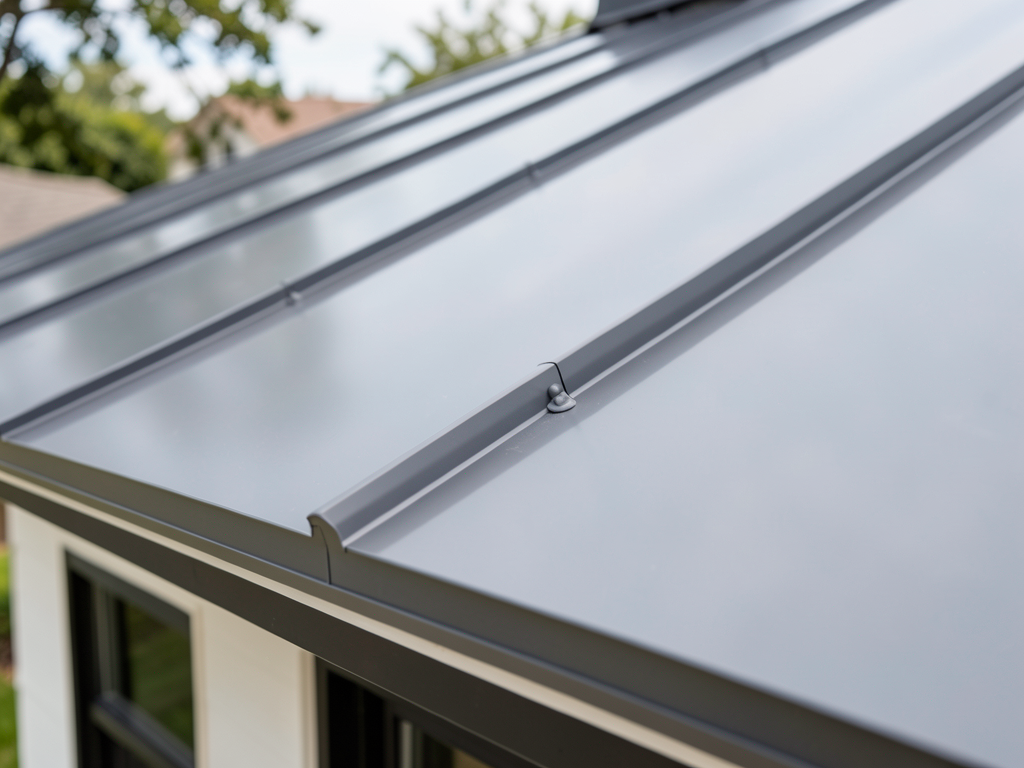
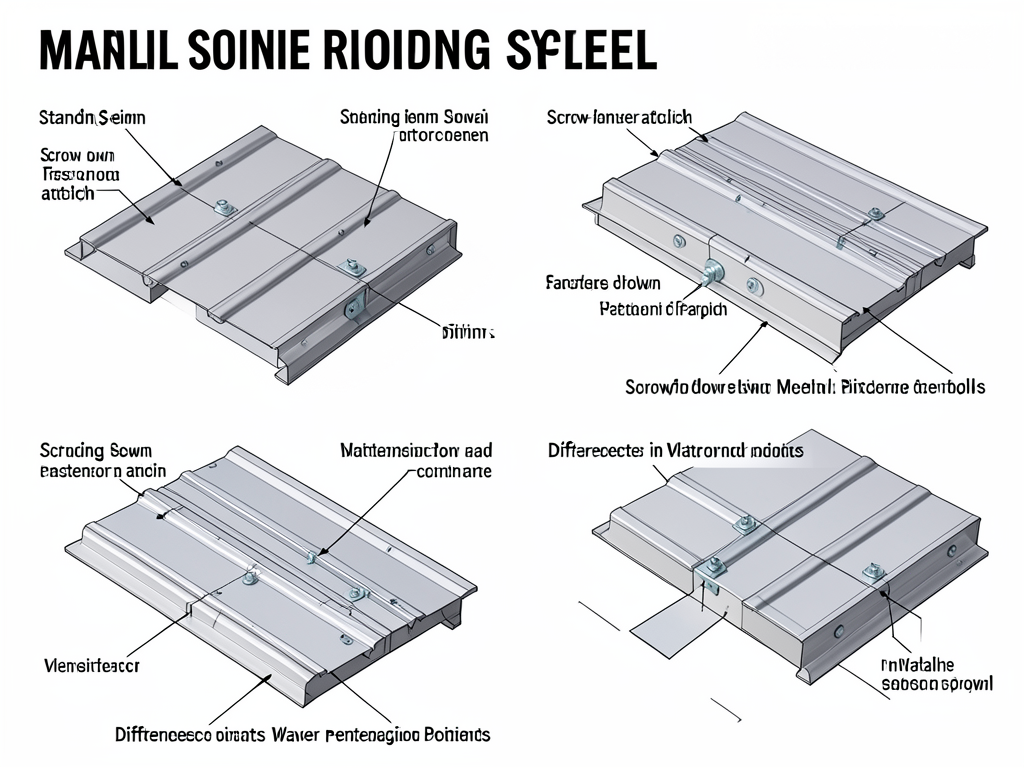
The fundamental difference between these two metal roofing systems lies in how they attach to your roof deck. Standing seam uses concealed clips that attach to the deck, then the metal panels snap over these clips creating a raised seam that runs vertically from ridge to eave. No screws penetrate the visible surface. Screw-down systems use exposed fasteners that drill through the metal panels directly into the deck, creating hundreds of potential leak points across your roof surface. Deciding if a Metal Roof is the Right Choice for Your North Dallas Home.
In Dallas, this distinction becomes critical. Our temperature swings from 30°F to 105°F cause metal to expand and contract significantly. Standing seam systems accommodate this movement through the clip system, preventing stress fractures. Exposed screws in screw-down systems cannot move with the metal, causing them to back out over time or create stress points that lead to leaks. The Dallas Building Code Chapter 52 requires specific fastener spacing and types for metal roofing, with standing seam systems having more flexible installation requirements due to their superior performance in our climate. The Benefits of TPO Roofing Systems for Richardson Industrial Properties.
Durability in the North Texas Climate
Dallas weather creates unique challenges for metal roofing. Our region experiences Class 4 hail events multiple times per decade, with hailstones reaching golf ball size or larger. Standing seam systems with 24-gauge steel and Kynar 500 finishes typically achieve UL 2218 Class 4 impact ratings, meaning they resist denting from two-inch hail stones. Screw-down systems using thinner 29-gauge steel often only achieve Class 2 or 3 ratings, leaving your roof vulnerable to hail damage that can compromise the protective coating and lead to rust.. Read more about Upgrading Your HEB Home with Stone Coated Steel for Maximum Storm Protection.
UV exposure in Dallas averages 234 sunny days per year, creating intense heat that affects metal differently based on the system. Standing seam reflects more solar radiation through its continuous surface and higher rib profile, keeping attic temperatures 10-15°F cooler than screw-down systems. This translates to lower cooling costs during our 100°F+ summer days. The exposed screws in screw-down systems create thermal bridges that conduct heat into your home, while the gaps between panels allow hot air to circulate in your attic space. Choosing Between the Most Trusted Roofing Companies in the Dallas Metroplex.
Wind uplift presents another critical factor. Dallas regularly experiences straight-line winds exceeding 70 mph during spring storm season. Standing seam systems achieve wind ratings up to 180 mph when properly installed with the correct clip spacing and panel overlap. Screw-down systems typically max out at 110-130 mph wind ratings, and the exposed screws become failure points during high winds. After the 2019 tornado outbreak in Dallas, insurance adjusters noted that standing seam roofs showed significantly less damage than screw-down systems on neighboring properties.
The Fastener Factor: Why it Matters
Fasteners determine whether your metal roof will leak, rust, or fail prematurely. Each exposed screw in a screw-down system represents a potential entry point for water. Over time, thermal cycling causes screws to back out, rubber washers to deteriorate, and the metal around fastener holes to rust. In Dallas’s high-rainfall months, this creates hundreds of tiny leak opportunities across your roof surface.
Standing seam eliminates this problem by keeping fasteners completely hidden. The clips attach to the roof deck, then the metal panels snap over these clips, creating a waterproof barrier. This design means no holes in your metal panels and no exposed components that can fail. The system also allows for thermal movement without stressing the fasteners or creating gaps that water can penetrate.
Maintenance requirements differ dramatically between the two systems. Screw-down roofs need inspection every 2-3 years to check for loose screws, deteriorated washers, and rust around fastener holes. In Dallas’s climate, this often means tightening 50-100 screws per 1,000 square feet and replacing washers on another 30-50 screws. Standing seam systems typically need inspection every 5-7 years, focusing on checking clip integrity and seam condition rather than hunting for loose fasteners. Why a Pre-Storm Roof Inspection is Vital for Every Lake Highlands Homeowner.
Cost Comparison: Upfront vs. Lifetime Value
Initial installation costs for standing seam metal roofing in Dallas range from $12-18 per square foot, while screw-down systems cost $6-10 per square foot. The price difference reflects material quality, installation complexity, and long-term performance. Standing seam requires specialized equipment for panel bending and seaming, while screw-down uses standard tools and faster installation methods.
However, lifecycle costs tell a different story. A properly installed standing seam roof in Dallas typically lasts 40-60 years with minimal maintenance. The initial 50% higher cost becomes neutral in 12-15 years when you factor in the lack of repairs and energy savings. Screw-down systems often need $2,000-4,000 in repairs every 5-7 years as fasteners fail and panels deteriorate, plus complete replacement every 15-25 years at full cost. How Much a Full Roof Replacement Really Costs in the Dallas Area.
Insurance considerations add another dimension to the cost analysis. Many Dallas insurance companies offer 5-15% premium discounts for Class 4 impact-rated standing seam roofs. The Texas Department of Insurance maintains records showing that homes with standing seam roofs file 60% fewer hail damage claims than those with screw-down systems. Over a 30-year period, these premium savings can offset 30-40% of the initial price difference between the two systems.
Energy Efficiency and the Heat Island Effect
Dallas summers create extreme cooling demands, making roof energy performance crucial. Standing seam metal roofs with cool roof coatings achieve Solar Reflectance Index (SRI) values of 70-85, meaning they reflect 70-85% of solar radiation. Screw-down systems typically achieve SRI values of 25-45, absorbing significantly more heat. This difference directly impacts your cooling costs during Dallas’s 3-4 month period of 90°F+ temperatures.
The thermal mass of standing seam systems also helps regulate temperature swings. The continuous metal surface and raised seams create air gaps that provide additional insulation. During Dallas’s rapid temperature changes, standing seam roofs expand and contract as a unified system rather than through hundreds of individual stress points. This reduces the thermal shock that causes premature aging in screw-down systems.
Urban heat island effects in Dallas make cool roofing even more valuable. Downtown and dense suburban areas experience temperatures 5-7°F higher than surrounding rural areas due to heat-absorbing surfaces. Standing seam roofs with high SRI ratings help mitigate this effect by reflecting heat rather than absorbing it. Some Dallas neighborhoods with strict aesthetic guidelines now require cool roofing materials to help manage local temperature increases.
Aesthetics and Curb Appeal
Standing seam metal roofing offers clean, modern lines with raised seams that create visual interest and shadow lines. The concealed fastener system means no visible screw heads or washers, creating a sleek appearance that complements contemporary and farmhouse-style homes popular in Dallas neighborhoods like Lakewood and Preston Hollow. The continuous panels create a monolithic look that many homeowners find more attractive than the segmented appearance of screw-down systems.
Screw-down systems have a more traditional metal roof appearance with exposed fasteners creating a utilitarian look. While some homeowners prefer this classic appearance, the visible screws and washers can appear busy from street level, especially on larger roof surfaces. The panel overlap in screw-down systems also creates horizontal lines every 36 inches that some find less visually appealing than the vertical lines of standing seam.
Color retention differs significantly between the two systems. Standing seam roofs use factory-applied Kynar 500 or Hylar 5000 finishes that resist fading for 30+ years. These fluoropolymer coatings maintain their color and gloss even under Dallas’s intense UV exposure. Screw-down systems often use acrylic or polyester finishes that begin fading within 5-7 years, especially on south-facing roof sections. The exposed fasteners in screw-down systems also tend to show rust staining long before the panels themselves deteriorate.
Making the Right Choice for Your Dallas Home
Your decision between standing seam and screw-down should consider your home’s architecture, your long-term plans, and your budget. Standing seam makes the most sense for homeowners planning to stay 15+ years who want minimal maintenance and maximum durability. The system’s superior performance in hail, wind, and UV exposure provides peace of mind during Dallas’s severe weather seasons.
Screw-down systems work well for budget-conscious homeowners, secondary structures like barns or workshops, or situations where the initial cost differential cannot be justified. However, understand that you’re accepting shorter lifespan, more maintenance, and potentially higher insurance costs over time. The system performs adequately in mild climates but faces accelerated deterioration in Dallas’s harsh environment.
Consider your neighborhood’s character and any HOA requirements. Many Dallas neighborhoods have specific guidelines about roofing materials and colors. Standing seam systems offer more color options and a more refined appearance that many HOAs prefer. Some neighborhoods in areas like University Park and Highland Park specifically require standing seam for new construction due to its superior performance and aesthetic qualities.
Installation Quality: The Make-or-Break Factor
Even the best metal roofing system fails if improperly installed. Dallas requires specific installation practices for metal roofing that go beyond basic building codes. The North Texas Roofing Contractors Association recommends specific underlayment types, fastener patterns, and ventilation requirements for metal roofing in our climate. Standing seam installation requires specialized training and equipment that many general roofing contractors lack.
Quality installation starts with proper deck preparation. The roof deck must be completely flat and structurally sound to support the metal panels. Any deflection or movement in the deck transfers stress to the roofing system, potentially causing fastener failure in screw-down systems or seam separation in standing seam systems. Dallas’s expansive clay soil creates foundation movement that can stress roof structures, making proper installation even more critical.
Ventilation requirements in Dallas differ from other regions due to our extreme temperature swings. Metal roofing systems require specific intake and exhaust ventilation to prevent condensation buildup and manage attic temperatures. Poor ventilation can cause moisture problems that void warranties and lead to premature roof failure regardless of the fastener system used.
Environmental Impact and Sustainability
Both metal roofing systems offer environmental advantages over traditional asphalt shingles, but standing seam provides superior sustainability. Metal roofing contains 25-35% recycled content and is 100% recyclable at end of life. Standing seam systems last 2-3 times longer than screw-down systems, meaning less material in landfills over time. The energy savings from standing seam’s superior reflectivity also reduce your carbon footprint during the roof’s lifetime.
Manufacturing differences matter in Dallas’s hot climate. Standing seam panels are formed at the job site using roll-forming equipment, creating panels up to 40 feet long without end laps. This reduces potential leak points and creates a more continuous thermal barrier. Screw-down panels come from the factory in shorter lengths with more end laps, creating additional seams where water can penetrate.
Water runoff quality differs between the systems. Standing seam’s smooth surface and high-quality finishes produce cleaner runoff that’s better for rainwater harvesting systems. The superior corrosion resistance means fewer metal particles enter the water supply over time. This matters in Dallas where many homeowners collect rainwater for irrigation or other uses.
Frequently Asked Questions
Which metal roofing system is better for hail resistance in Dallas?
Standing seam metal roofing with Class 4 impact rating provides superior hail resistance in Dallas. The concealed fastener system and thicker gauge steel resist denting from golf ball-sized hail, while exposed fasteners in screw-down systems create weak points that can crack or leak after hail impacts.
How much longer does standing seam last compared to screw-down in Texas heat?
Standing seam typically lasts 40-60 years in Dallas, while screw-down systems generally need replacement after 15-25 years. The difference stems from better UV resistance, thermal movement accommodation, and no exposed fasteners that deteriorate under intense Texas sun exposure.
Does standing seam metal roofing qualify for insurance discounts in Dallas?
Yes, many Dallas insurance companies offer 5-15% premium discounts for standing seam roofs with Class 4 impact ratings. The Texas Department of Insurance recognizes these systems as lower risk for hail damage claims, which can result in significant savings over the roof’s lifetime.
What maintenance does screw-down metal roofing require in Dallas?
Screw-down systems need inspection every 2-3 years to check for loose fasteners, deteriorated washers, and rust around screw holes. In Dallas’s climate, this typically means tightening 50-100 screws per 1,000 square feet and replacing washers on another 30-50 screws during each maintenance visit.
Can I walk on standing seam metal roofing for maintenance?
Standing seam roofs can support foot traffic when walking on the raised seams, but avoid stepping between seams where the metal is thinner. The concealed clip system provides good structural support, but always use proper safety equipment and consider hiring professionals for any roof work in Dallas’s steep or high roofs.
- Assess Your Budget and Timeline
Determine if you can afford the 30-50% higher upfront cost of standing seam and whether you plan to stay in your home long enough to realize the lifecycle savings.
- Evaluate Local Weather Risks
Consider Dallas’s frequent hail storms and high winds. Standing seam offers superior Class 4 impact resistance and wind ratings up to 180 mph versus 110-130 mph for screw-down.
- Check HOA and Neighborhood Requirements
Many Dallas neighborhoods have specific roofing material requirements. Standing seam often meets or exceeds aesthetic guidelines while providing better long-term performance.
- Calculate Total Cost of Ownership
Factor in maintenance costs, insurance discounts, energy savings, and replacement timing. Standing seam often becomes cost-effective within 12-15 years despite higher initial price.
- Verify Contractor Qualifications
Ensure your installer has specific training and equipment for metal roofing. Poor installation voids warranties and causes premature failure regardless of the system chosen.
Understanding the real differences between standing seam and screw-down metal roofing helps you make an informed decision for your Dallas home. The choice affects not just your initial investment but your long-term costs, maintenance requirements, and home protection for decades to come.
Ready to upgrade your roof with the system that best fits your needs? Call (214) 204-2077 today to schedule your free consultation and get expert advice on metal roofing options for your specific Dallas home. Our team has installed hundreds of metal roofs across the metroplex and can help you choose the right system for your budget and performance requirements.
Don’t wait until the next hail storm damages your current roof. Pick up the phone and call (214) 204-2077 before severe weather season hits. We’ll inspect your existing roof, explain your options clearly, and provide a detailed quote with no pressure or hidden fees.
You may also find this helpful. Blocking Out Noise from DFW Airport with Specialized Roofing Materials in Euless.
You may also find this helpful. Protecting Your Expensive Landscaping and Flowers During a Full Roof Tear Off.
{
“@context”: “https://schema.org”,
“@type”: “BlogPosting”,
“headline”: “The Real Difference Between Standing Seam and Screw-Down Metal Roofs”,
“description”: “Discover the key differences between standing seam and screw-down metal roofs in Dallas. Learn about durability, cost, and which system withstands Texas weather best.”,
“wordCount”: 2567,
“datePublished”: “2026-04-26T12:25:00.000Z”,
“dateModified”: “2026-04-26T12:25:00.000Z”,
“inLanguage”: “en-US”,
“mainEntityOfPage”: {
“@type”: “WebPage”,
“@id”: “https://grandroofingdallas.com”
},
“publisher”: {
“@type”: “LocalBusiness”,
“name”: “Grand Roofing Dallas”,
“url”: “https://grandroofingdallas.com”
},
“author”: {
“@type”: “Organization”,
“name”: “Grand Roofing Dallas”,
“url”: “https://grandroofingdallas.com”
},
“image”: {
“@type”: “ImageObject”,
“url”: “https://grandroofingdallas.com/wp-content/uploads/2026/03/the-real-difference-between-standing-seam-and-scre-1.png”
}
}
{
“@context”: “https://schema.org”,
“@type”: “RoofingContractor”,
“name”: “Grand Roofing Dallas”,
“url”: “https://grandroofingdallas.com”,
“address”: {
“@type”: “PostalAddress”,
“addressLocality”: “Dallas”
},
“areaServed”: {
“@type”: “City”,
“name”: “Dallas”
}
}
{
“@context”: “https://schema.org”,
“@type”: “FAQPage”,
“mainEntity”: [
{
“@type”: “Question”,
“name”: “Which metal roofing system is better for hail resistance in Dallas?”,
“acceptedAnswer”: {
“@type”: “Answer”,
“text”: “Standing seam metal roofing with Class 4 impact rating provides superior hail resistance in Dallas. The concealed fastener system and thicker gauge steel resist denting from golf ball-sized hail, while exposed fasteners in screw-down systems create weak points that can crack or leak after hail impacts.”
}
},
{
“@type”: “Question”,
“name”: “How much longer does standing seam last compared to screw-down in Texas heat?”,
“acceptedAnswer”: {
“@type”: “Answer”,
“text”: “Standing seam typically lasts 40-60 years in Dallas, while screw-down systems generally need replacement after 15-25 years. The difference stems from better UV resistance, thermal movement accommodation, and no exposed fasteners that deteriorate under intense Texas sun exposure.”
}
},
{
“@type”: “Question”,
“name”: “Does standing seam metal roofing qualify for insurance discounts in Dallas?”,
“acceptedAnswer”: {
“@type”: “Answer”,
“text”: “Yes, many Dallas insurance companies offer 5-15% premium discounts for standing seam roofs with Class 4 impact ratings. The Texas Department of Insurance recognizes these systems as lower risk for hail damage claims, which can result in significant savings over the roof’s lifetime.”
}
},
{
“@type”: “Question”,
“name”: “What maintenance does screw-down metal roofing require in Dallas?”,
“acceptedAnswer”: {
“@type”: “Answer”,
“text”: “Screw-down systems need inspection every 2-3 years to check for loose fasteners, deteriorated washers, and rust around screw holes. In Dallas’s climate, this typically means tightening 50-100 screws per 1,000 square feet and replacing washers on another 30-50 screws during each maintenance visit.”
}
},
{
“@type”: “Question”,
“name”: “Can I walk on standing seam metal roofing for maintenance?”,
“acceptedAnswer”: {
“@type”: “Answer”,
“text”: “Standing seam roofs can support foot traffic when walking on the raised seams, but avoid stepping between seams where the metal is thinner. The concealed clip system provides good structural support, but always use proper safety equipment and consider hiring professionals for any roof work in Dallas’s steep or high roofs.”
}
}
]
}
{
“@context”: “https://schema.org”,
“@type”: “HowTo”,
“name”: “How to Choose Between Metal Roofing Systems”,
“step”: [
{
“@type”: “HowToStep”,
“position”: 1,
“name”: “Assess Your Budget and Timeline”,
“text”: “Determine if you can afford the 30-50% higher upfront cost of standing seam and whether you plan to stay in your home long enough to realize the lifecycle savings.”
},
{
“@type”: “HowToStep”,
“position”: 2,
“name”: “Evaluate Local Weather Risks”,
“text”: “Consider Dallas’s frequent hail storms and high winds. Standing seam offers superior Class 4 impact resistance and wind ratings up to 180 mph versus 110-130 mph for screw-down.”
},
{
“@type”: “HowToStep”,
“position”: 3,
“name”: “Check HOA and Neighborhood Requirements”,
“text”: “Many Dallas neighborhoods have specific roofing material requirements. Standing seam often meets or exceeds aesthetic guidelines while providing better long-term performance.”
},
{
“@type”: “HowToStep”,
“position”: 4,
“name”: “Calculate Total Cost of Ownership”,
“text”: “Factor in maintenance costs, insurance discounts, energy savings, and replacement timing. Standing seam often becomes cost-effective within 12-15 years despite higher initial price.”
},
{
“@type”: “HowToStep”,
“position”: 5,
“name”: “Verify Contractor Qualifications”,
“text”: “Ensure your installer has specific training and equipment for metal roofing. Poor installation voids warranties and causes premature failure regardless of the system chosen.”
}
],
“image”: “https://grandroofingdallas.com/wp-content/uploads/2026/03/the-real-difference-between-standing-seam-and-scre-1.png”
}
{
“@context”: “https://schema.org”,
“@type”: “BreadcrumbList”,
“itemListElement”: [
{
“@type”: “ListItem”,
“position”: 1,
“name”: “Home”,
“item”: “https://grandroofingdallas.com”
},
{
“@type”: “ListItem”,
“position”: 2,
“name”: “Blog”,
“item”: “https://grandroofingdallas.com/blog”
},
{
“@type”: “ListItem”,
“position”: 3,
“name”: “The Real Difference Between Standing Seam and Screw-Down Metal Roofs”
}
]
}
{
“@context”: “https://schema.org”,
“@type”: “Service”,
“serviceType”: “Roofing”,
“provider”: {
“@type”: “LocalBusiness”,
“name”: “Grand Roofing Dallas”,
“url”: “https://grandroofingdallas.com”
},
“areaServed”: {
“@type”: “City”,
“name”: “Dallas”
},
“description”: “Discover the key differences between standing seam and screw-down metal roofs in Dallas. Learn about durability, cost, and which system withstands Texas weather best.”
}