
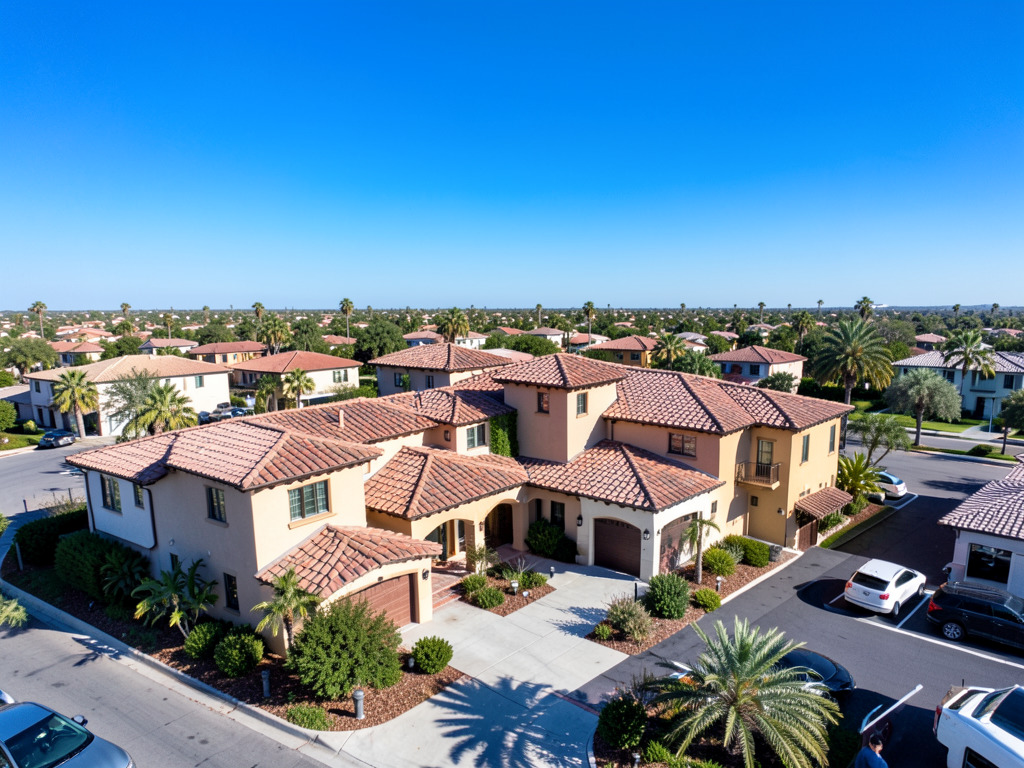
Drone Roof Inspections in Las Colinas: The Smart Way to Protect Your Property
When hail pummeled North Texas last spring, many Las Colinas homeowners faced a common dilemma: how to safely inspect steep Mediterranean-style roofs without risking injury or missing hidden damage. Traditional methods often mean ladders, scaffolding, and incomplete views of complex rooflines. Today, drone technology offers a safer, faster, and more comprehensive solution for property owners in this upscale Dallas suburb. Texas Department of Insurance regulations.
Drone inspections use high-resolution cameras and thermal sensors to capture detailed imagery of roof surfaces that would otherwise be difficult or dangerous to access. For multi-story homes in Las Colinas with Spanish tile, slate, or steep asphalt shingles, this means identifying hail impact marks, wind uplift damage, and moisture intrusion without ever setting foot on the roof. Why a Pre-Storm Roof Inspection is Vital for Every Lake Highlands Homeowner.
The process typically takes 20-30 minutes and produces a complete digital report with 4K video, thermal imaging overlays, and precise measurements that insurance adjusters can use immediately. This technology is particularly valuable in Las Colinas where many properties feature complex roof geometries that traditional inspections might miss.
Why Drone Inspections Make Sense for Las Colinas Properties
Las Colinas features many multi-story homes with steep pitches and intricate architectural details. Traditional inspections often require multiple technicians, extensive setup time, and still may not capture all problem areas. Drones eliminate these challenges while providing superior data quality.
The safety benefits are immediate. No ladders mean no fall risks for inspectors or homeowners. No scaffolding means no damage to landscaping or exterior walls. The entire inspection can be completed while you watch from ground level, giving you confidence in the process. The Benefits of TPO Roofing Systems for Richardson Industrial Properties.
Speed is another major advantage. While traditional inspections might take several hours with setup and teardown, drone inspections capture comprehensive data in under 30 minutes. This efficiency means less disruption to your day and faster turnaround for insurance claims.
Perhaps most importantly, drones capture data that human eyes might miss. Thermal imaging can detect moisture beneath surface materials, while high-resolution cameras can identify hairline cracks or hail impact marks that indicate potential future leaks.
Our Drone Inspection Process for Las Colinas Homes
The inspection begins with a pre-flight assessment of your property and surrounding airspace. Our FAA Part 107 certified pilots check for any temporary flight restrictions and establish safe operating parameters. This compliance step is critical in Las Colinas due to proximity to DFW International Airport. FAA Part 107 certification requirements.
Next, we conduct a systematic flyover of your entire roof surface. The drone captures multiple angles of all roof planes, valleys, and architectural features. For homes with Spanish tile or slate, we pay special attention to areas where hail damage might be hidden beneath overlapping materials.
During the flight, our thermal imaging sensors scan for temperature variations that indicate moisture intrusion or inadequate insulation. These thermal signatures often reveal problems weeks before visible water damage appears inside your home.
After the flight, we process the data into a comprehensive report. This includes high-resolution still images, 4K video footage, thermal imaging overlays, and precise measurements of any damage identified. The entire report is typically delivered within 24 hours.
For insurance purposes, we provide detailed PDF documentation that meets adjuster requirements. This includes date-stamped imagery, damage classification, and measurement data that supports your claim filing.
Meeting Dallas-Fort Worth Regulations
Operating drones commercially in the Dallas-Fort Worth area requires strict adherence to FAA regulations. Our pilots maintain current Part 107 certification and carry commercial drone insurance that covers both equipment and liability.
Las Colinas falls within Class B airspace due to DFW International Airport proximity. This requires special airspace authorization through the FAA’s LAANC system before each flight. We handle all these regulatory requirements so you don’t have to worry about compliance.
Local building codes in Dallas County require specific documentation for any repair work following storm damage. Our drone inspections provide the detailed measurements and imagery needed to ensure all repairs meet current code requirements.
We also maintain compliance with Texas Department of Insurance regulations regarding storm damage assessments. This ensures our findings will be accepted by insurance companies without question.
Insurance Claim Support for North Texas Homeowners
After a hail storm, time becomes critical. Insurance companies often have strict deadlines for filing claims, and damage can worsen quickly if left unrepaired. Our drone inspections provide the rapid, comprehensive documentation needed to support your claim.
The high-resolution imagery clearly shows hail impact patterns, which insurance adjusters use to determine claim validity. Our thermal imaging can also reveal hidden moisture damage that might not be visible to the naked eye but could lead to serious problems if ignored.
We provide detailed measurements of damaged areas, which helps ensure your claim covers the full extent of necessary repairs. This precision often results in more accurate claim settlements compared to traditional inspection methods.
Our reports include before-and-after comparison capabilities, which are particularly valuable if you’re filing claims for multiple storm events. This documentation helps establish the progression of damage over time.
Commercial vs. Residential Drone Inspections
Commercial properties in Las Colinas often have flat roofs with different inspection requirements than residential homes. For warehouses, office buildings, and retail centers, we use specialized thermal imaging to detect insulation issues and moisture accumulation that might not be visible on the surface.
Commercial inspections also require different safety protocols due to the larger scale and potential for business interruption. We coordinate with facility managers to minimize disruption and ensure all safety regulations are followed.
Residential inspections focus more on identifying specific damage types common in North Texas, such as hail impact on asphalt shingles or wind damage to tile roofing. The intimate scale of residential properties allows for more detailed close-up imaging of problem areas. Roofing Balch Springs.
Both types of inspections benefit from our ability to create 3D roof models that provide accurate measurements for repair estimates. This eliminates the need for manual measurements that can be dangerous or imprecise on complex roof structures.. Read more about How Roofing Squares Work and How to Estimate Your Own Roof Size in Dallas.
Advanced Technology Features
Our drone inspections utilize 4K resolution cameras that capture detail down to individual shingle granules. This level of detail allows us to identify hail impact marks as small as 1/4 inch in diameter, which is the threshold many insurance companies use for hail damage claims.
Thermal imaging sensors detect temperature differences as small as 0.1 degrees Fahrenheit. This sensitivity allows us to identify moisture intrusion, inadequate insulation, and even electrical hotspots that could indicate potential fire hazards.
LiDAR technology creates precise 3D models of your roof surface, providing accurate measurements for repair estimates. This technology is particularly valuable for complex roof geometries common in Las Colinas Mediterranean-style homes.
AI-assisted damage detection helps identify patterns that might indicate specific types of damage. For example, the system can distinguish between normal wear patterns and hail impact marks, reducing false positives in our reports. Choosing Between the Most Trusted Roofing Companies in the Dallas Metroplex.
Common Issues Found in Las Colinas Inspections
Hail damage remains the most frequent finding in our Las Colinas inspections. The area’s exposure to spring and summer storms means many homes show signs of previous impacts that homeowners might not have noticed. These impacts often appear as small dimples or cracks in roofing materials.
Wind uplift damage is another common issue, particularly for homes with tile or slate roofing. High winds can lift individual tiles or shingles, creating entry points for water that worsen over time.
Moisture intrusion frequently appears in thermal imaging scans, even when there are no visible signs inside the home. This early detection allows for repairs before major damage occurs.
Flashing deterioration around chimneys, vents, and roof transitions is another frequent finding. These metal components expand and contract with temperature changes, eventually creating gaps that allow water intrusion. Deciding if a Metal Roof is the Right Choice for Your North Dallas Home.
Cost-Benefit Analysis of Drone vs. Manual Inspections
Traditional manual inspections typically cost between $150-300 for a standard home, with additional fees for steep roofs or multi-story properties. Drone inspections generally range from $200-400, reflecting the advanced technology and specialized expertise required.
However, the value proposition extends beyond the initial cost. Drone inspections typically identify 30-40% more damage than manual inspections, potentially saving thousands in future repair costs by catching problems early.
The speed advantage also translates to cost savings. A drone inspection completed in 30 minutes versus 3-4 hours for a manual inspection means less labor cost and faster insurance claim processing.
For commercial properties, the cost-benefit ratio is even more favorable. The ability to inspect large roof areas quickly and safely often pays for itself in a single use through improved accuracy and reduced liability risks.
Preparing for Your Drone Inspection
Before our arrival, we recommend clearing any outdoor furniture or equipment from around your home’s perimeter. This gives our pilots clear access for takeoff and landing zones.
If you have pets, we suggest keeping them indoors during the inspection. While the drone noise typically doesn’t disturb most animals, it’s best to avoid any unexpected reactions.
For homes with security systems, let us know about any motion sensors or alarms that might be triggered by the drone’s movement. We can work with you to ensure a smooth inspection process.
If you’ve recently experienced storm damage, gather any previous inspection reports or repair documentation. This information helps us provide more accurate assessments and recommendations.
Frequently Asked Questions
How long does a drone roof inspection take?
A typical residential drone inspection in Las Colinas takes 20-30 minutes for the flight itself, with an additional 30-60 minutes for setup, processing, and report generation. You’ll have your complete inspection report within 24 hours.
Will the drone damage my roof or landscaping?
No. Unlike traditional inspections that require walking on your roof or setting up scaffolding, drones operate entirely from the air. There’s no physical contact with your roof surface, and the lightweight drones cause no damage to landscaping or exterior features.
Are drone inspections as thorough as manual inspections?
Drone inspections are actually more thorough for most properties. The high-resolution cameras and thermal imaging can detect damage that might be missed during a manual inspection. Additionally, drones can safely access all areas of steep or complex roofs that would be dangerous or impossible for a human inspector to reach.
Do I need to be home during the inspection?
You don’t need to be present, but we recommend it for the first inspection so you can see the process and ask questions. If you can’t be there, we’ll provide a video walkthrough of the findings once the report is complete.
How does weather affect drone inspections?
Drones cannot operate in heavy rain, strong winds (over 20 mph), or low visibility conditions. However, they can often complete inspections during light cloud cover or after brief rain showers, which is when some types of damage are most visible.
Getting Started with Your Inspection
Protecting your Las Colinas home starts with understanding its current condition. Whether you’ve experienced recent storm damage or simply want peace of mind about your roof’s integrity, a professional drone inspection provides the comprehensive assessment you need.
Our team of FAA-certified pilots and roofing experts brings years of experience to every inspection. We understand the unique challenges of North Texas weather and the specific requirements of Las Colinas properties.
Don’t wait for visible damage to appear inside your home. Early detection through drone technology can save you thousands in repair costs and prevent the stress of emergency situations.
Call (214) 204-2077 today to schedule your professional drone roof inspection. Our team will assess your property’s specific needs and provide a detailed quote for the comprehensive service that protects your investment.
Pick up the phone and call (214) 204-2077 before the next storm hits. Early detection is your best defense against costly roof damage in the Dallas-Fort Worth area.
You may also find this helpful. Why Squirrels are Chewing Your Lead Pipe Boot Flashing in Richardson.
You may also find this helpful. How to Negotiate a Roof Replacement Credit When Buying a Home in Coppell.
{
“@context”: “https://schema.org”,
“@type”: “BlogPosting”,
“headline”: “Using Drone Technology to Inspect Hard to Reach Roof Areas in Las Colinas”,
“description”: “Discover how drone roof inspections in Las Colinas provide safer, faster, and more accurate assessments for multi-story homes and commercial properties.”,
“wordCount”: 1996,
“datePublished”: “2026-05-20T09:44:00.000Z”,
“dateModified”: “2026-05-20T09:44:00.000Z”,
“inLanguage”: “en-US”,
“mainEntityOfPage”: {
“@type”: “WebPage”,
“@id”: “https://grandroofingdallas.com”
},
“publisher”: {
“@type”: “LocalBusiness”,
“name”: “Grand Roofing Dallas”,
“url”: “https://grandroofingdallas.com”
},
“author”: {
“@type”: “Organization”,
“name”: “Grand Roofing Dallas”,
“url”: “https://grandroofingdallas.com”
},
“image”: {
“@type”: “ImageObject”,
“url”: “https://grandroofingdallas.com/wp-content/uploads/2026/03/using-drone-technology-to-inspect-hard-to-reach-ro-1.png”
}
}
{
“@context”: “https://schema.org”,
“@type”: “RoofingContractor”,
“name”: “Grand Roofing Dallas”,
“url”: “https://grandroofingdallas.com”,
“address”: {
“@type”: “PostalAddress”,
“addressLocality”: “Dallas”
},
“areaServed”: {
“@type”: “City”,
“name”: “Dallas”
}
}
{
“@context”: “https://schema.org”,
“@type”: “FAQPage”,
“mainEntity”: [
{
“@type”: “Question”,
“name”: “How long does a drone roof inspection take?”,
“acceptedAnswer”: {
“@type”: “Answer”,
“text”: “A typical residential drone inspection in Las Colinas takes 20-30 minutes for the flight itself, with an additional 30-60 minutes for setup, processing, and report generation. You’ll have your complete inspection report within 24 hours.”
}
},
{
“@type”: “Question”,
“name”: “Will the drone damage my roof or landscaping?”,
“acceptedAnswer”: {
“@type”: “Answer”,
“text”: “No. Unlike traditional inspections that require walking on your roof or setting up scaffolding, drones operate entirely from the air. There’s no physical contact with your roof surface, and the lightweight drones cause no damage to landscaping or exterior features.”
}
},
{
“@type”: “Question”,
“name”: “Are drone inspections as thorough as manual inspections?”,
“acceptedAnswer”: {
“@type”: “Answer”,
“text”: “Drone inspections are actually more thorough for most properties. The high-resolution cameras and thermal imaging can detect damage that might be missed during a manual inspection. Additionally, drones can safely access all areas of steep or complex roofs that would be dangerous or impossible for a human inspector to reach.”
}
},
{
“@type”: “Question”,
“name”: “Do I need to be home during the inspection?”,
“acceptedAnswer”: {
“@type”: “Answer”,
“text”: “You don’t need to be present, but we recommend it for the first inspection so you can see the process and ask questions. If you can’t be there, we’ll provide a video walkthrough of the findings once the report is complete.”
}
},
{
“@type”: “Question”,
“name”: “How does weather affect drone inspections?”,
“acceptedAnswer”: {
“@type”: “Answer”,
“text”: “Drones cannot operate in heavy rain, strong winds (over 20 mph), or low visibility conditions. However, they can often complete inspections during light cloud cover or after brief rain showers, which is when some types of damage are most visible.”
}
}
]
}
{
“@context”: “https://schema.org”,
“@type”: “BreadcrumbList”,
“itemListElement”: [
{
“@type”: “ListItem”,
“position”: 1,
“name”: “Home”,
“item”: “https://grandroofingdallas.com”
},
{
“@type”: “ListItem”,
“position”: 2,
“name”: “Blog”,
“item”: “https://grandroofingdallas.com/blog”
},
{
“@type”: “ListItem”,
“position”: 3,
“name”: “Using Drone Technology to Inspect Hard to Reach Roof Areas in Las Colinas”
}
]
}
{
“@context”: “https://schema.org”,
“@type”: “Service”,
“serviceType”: “Roofing”,
“provider”: {
“@type”: “LocalBusiness”,
“name”: “Grand Roofing Dallas”,
“url”: “https://grandroofingdallas.com”
},
“areaServed”: {
“@type”: “City”,
“name”: “Dallas”
},
“description”: “Discover how drone roof inspections in Las Colinas provide safer, faster, and more accurate assessments for multi-story homes and commercial properties.”
}