
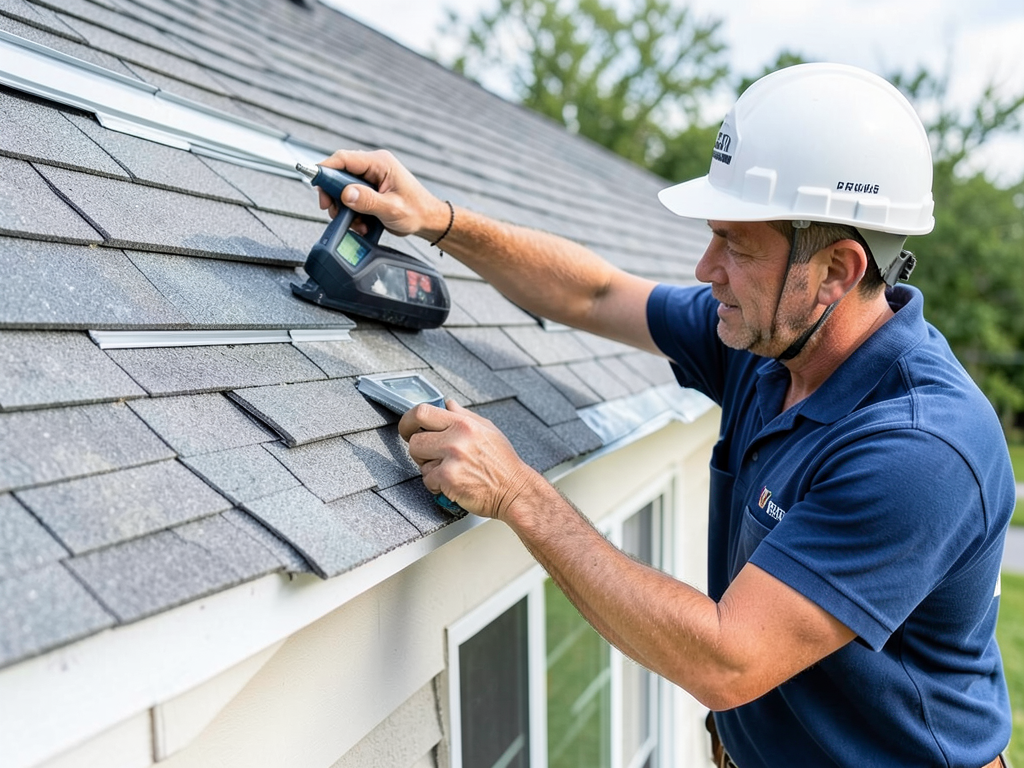
What Homeowners in Garland Should Know About Step Flashing and Wall Leaks
If you notice water stains near where your roof meets an exterior wall in your Garland home you are likely dealing with a flashing failure. Step flashing is the thin metal barrier that channels water away from the critical junction between your roof and vertical walls. When it fails you get leaks that can damage your walls ceilings and even your home’s foundation. This guide explains what causes these leaks how to identify them and what Garland homeowners should expect when getting repairs. Deciding if a Metal Roof is the Right Choice for Your North Dallas Home.
Why Step Flashing Matters in Garland Homes
Garland’s climate puts unique stress on roof-wall connections. Our area experiences 100°F+ summer days followed by sudden temperature drops. This causes metal flashing to expand and contract repeatedly. Over time this movement breaks the sealant and creates gaps where water can penetrate. The Blackland Prairie clay soil beneath many Garland homes also shifts with moisture changes. This subtle foundation movement can pull flashing away from walls creating new leak paths.
Step flashing works by creating a series of overlapping metal pieces that direct water down and away from the wall. Each piece fits under a shingle and against the wall creating a continuous water barrier. When installed correctly it lasts 20 to 30 years. When it fails you will see water stains on interior walls near roof lines or damp spots in your attic along exterior walls.
Common Causes of Step Flashing Failure
The most frequent cause of flashing failure is improper installation. Many homes built in the 1980s and 1990s used minimal flashing or skipped kick-out diverters entirely. Kick-out flashing is the small angled piece at the bottom of step flashing that directs water into gutters instead of letting it run down walls. Without it water sheets behind siding and causes rot.
Another major cause is sealant degradation. The butyl or polyurethane sealants used to bond flashing to walls break down under UV exposure. Garland receives over 230 sunny days per year. This intense sunlight bakes sealants causing them to crack and lose adhesion. Once the seal fails even minor wind-driven rain can force water behind the flashing.
Hail damage also compromises flashing integrity. North Texas experiences frequent hailstorms particularly in spring. Hailstones can dent or puncture thin metal flashing creating weak points that fail during subsequent storms. The impact may not be visible from ground level but can create pathways for water intrusion. Texas Department of Licensing and Regulation.
Diagnosing Roof-Wall Leaks in Your Garland Home
Finding the source of a wall leak requires systematic inspection. Start inside your home during daylight hours. Look for water stains on walls near roof lines particularly on north-facing walls where moisture takes longer to dry. Use a bright flashlight to check your attic along exterior walls. Look for dark streaks mold growth or damp insulation. Why a Pre-Storm Roof Inspection is Vital for Every Lake Highlands Homeowner.
The garden hose test helps confirm leak locations. Have someone spray water on the roof while you watch inside for drips. Start at the bottom of the roof and work upward in sections. This isolates problem areas. Pay special attention to valleys and areas where roof planes meet walls.
Professional moisture meters detect hidden water in walls and framing. These tools measure moisture content in materials without causing damage. Readings above 15% indicate active moisture problems requiring immediate attention. Thermal imaging cameras reveal temperature differences that show where water is hiding behind walls.
Step Flashing vs Counter-Flashing vs Kick-Out Flashing
Understanding the difference between these components helps you communicate with contractors. Step flashing consists of individual L-shaped metal pieces that overlap like fish scales. Each piece slides under a shingle and up the wall creating the primary water barrier. Choosing Between the Most Trusted Roofing Companies in the Dallas Metroplex.
Counter-flashing is the secondary barrier mortared into brick or siding joints. It covers the top edge of step flashing preventing water from getting behind it. In Garland’s many brick ranch homes from the 1970s counter-flashing often fails when mortar joints crack from soil movement.
Kick-out flashing is the often-overlooked hero of leak prevention. This small angled piece at the bottom of step flashing diverts water away from walls into gutters. Without it water runs down walls behind siding causing rot and mold. Many Garland homes lack proper kick-out flashing creating chronic leak problems.
Dallas Building Code Requirements for Flashing
Dallas Building Code Section 1507.4 requires step flashing for all roof-to-wall intersections. The code mandates a minimum 4-inch vertical leg and 4-inch horizontal leg for each piece. Counter-flashing must extend at least 4 inches into mortar joints or siding. These dimensions ensure adequate water diversion during heavy storms.
The International Residential Code adopted by Dallas requires ice and water shield underlayment in all valleys and at roof-to-wall intersections. This self-adhering membrane provides backup protection if flashing fails. In Garland’s climate this underlayment prevents wind-driven rain from penetrating roof decks during severe thunderstorms.
Current codes also require kick-out flashing at all sidewall conditions. This requirement addresses the chronic leak problems in older Garland homes. Contractors must now install kick-out flashing that extends at least 4 inches up the wall and angles water at 110 degrees into gutters.
Repair Options and Cost Factors
Minor flashing repairs might involve sealing small gaps with polyurethane caulk. This works for hairline cracks but provides only temporary relief. More extensive repairs require removing damaged shingles and replacing entire sections of step flashing. This process takes 2 to 4 hours per typical wall section.
Complete flashing replacement involves removing siding or brick veneer to access the wall surface. New step flashing installs over ice and water shield. Counter-flashing cuts into mortar joints or siding. Kick-out diverters install at all critical points. This comprehensive approach costs more but prevents future leaks. How Much a Full Roof Replacement Really Costs in the Dallas Area.
Cost factors include roof pitch accessibility and material choices. Steeper roofs require more safety equipment and time. Multi-story homes need scaffolding. Copper flashing costs 3 to 4 times more than galvanized steel but lasts 50+ years versus 20 to 30 years for steel.
Preventing Future Flashing Failures
Regular roof inspections catch flashing problems early. Schedule inspections after major hailstorms and every 2 to 3 years otherwise. Look for lifted flashing rust spots and missing sealant. Small repairs cost far less than water damage restoration.
Maintain clean gutters to prevent overflow that can back up under flashing. Clogged gutters cause water to rise and seep under step flashing during heavy rains. Clean gutters at least twice yearly more often if you have trees overhead.
Consider upgrading to architectural grade shingles when replacing flashing. These heavier shingles provide better protection and often come with longer warranties. Some premium shingles include integrated flashing components that simplify installation and improve performance.
When to Call a Professional
Call a professional if you see active water intrusion water stains spreading or mold growth. These indicate ongoing leaks that require immediate attention. Also call if your home is over 20 years old and has never had flashing inspected. Age alone makes failure likely.
DIY repairs often fail because homeowners cannot see the entire flashing system. What looks like a small problem may indicate widespread failure. Professionals use moisture meters and thermal imaging to find all problem areas ensuring complete repairs.
Insurance may cover flashing repairs if caused by covered events like hailstorms. Document damage with photos before making repairs. Keep all receipts and permit documentation. Many policies require professional repairs to maintain coverage.
Frequently Asked Questions
How long should step flashing last?
Properly installed galvanized steel flashing lasts 20 to 30 years in Garland’s climate. Copper flashing lasts 50+ years. Harsh UV exposure and temperature swings can shorten these lifespans.
Can I repair flashing myself?
Small sealant repairs are possible but complete flashing replacement requires roofing experience. Improper repairs often cause more damage. Consider professional inspection before attempting DIY fixes. The Benefits of TPO Roofing Systems for Richardson Industrial Properties.
What’s the difference between a roof leak and flashing failure?
Roof leaks typically occur at penetrations or damaged shingles. Flashing failures happen at transitions between different planes like roof-to-wall junctions. Flashing leaks often show as wall stains rather than ceiling stains.
How much does flashing repair cost?
Minor repairs cost $200 to $500. Complete flashing replacement costs $1,000 to $3,000 depending on roof complexity and materials. Get multiple quotes and verify contractor licensing.
Take Action Before the Next Storm
Water damage from flashing failures costs thousands in repairs if ignored. Garland’s next severe storm could turn a small leak into major structural damage. Call (214) 204-2077 today to schedule your professional flashing inspection. Our technicians use moisture meters and thermal imaging to find every problem area. We provide written estimates and explain all repair options. Don’t wait until water stains appear on your walls. Pick up the phone and call (214) 204-2077 before the next storm hits.
Protect your Garland home with proper flashing maintenance. Our team understands Dallas building codes and local weather challenges. We install code-compliant flashing that prevents future leaks. Call (214) 204-2077 to schedule your inspection and get peace of mind about your roof’s integrity. For more information, visit FEMA Flood Map Service Center.
{
“@context”: “https://schema.org”,
“@type”: “BlogPosting”,
“headline”: “What Homeowners in Garland Should Know About Step Flashing and Wall Leaks”,
“description”: “Learn how step flashing failures cause roof-wall leaks in Garland homes. Discover diagnostic signs, repair solutions, and Dallas-specific factors affecting your roof.”,
“wordCount”: 1564,
“datePublished”: “2026-04-14T07:10:00.000Z”,
“dateModified”: “2026-04-14T07:10:00.000Z”,
“inLanguage”: “en-US”,
“mainEntityOfPage”: {
“@type”: “WebPage”,
“@id”: “https://grandroofingdallas.com”
},
“publisher”: {
“@type”: “LocalBusiness”,
“name”: “Grand Roofing Dallas”,
“url”: “https://grandroofingdallas.com”
},
“author”: {
“@type”: “Organization”,
“name”: “Grand Roofing Dallas”,
“url”: “https://grandroofingdallas.com”
},
“image”: {
“@type”: “ImageObject”,
“url”: “https://grandroofingdallas.com/wp-content/uploads/2026/03/what-homeowners-in-garland-should-know-about-step-1.png”
}
}
{
“@context”: “https://schema.org”,
“@type”: “RoofingContractor”,
“name”: “Grand Roofing Dallas”,
“url”: “https://grandroofingdallas.com”,
“address”: {
“@type”: “PostalAddress”,
“addressLocality”: “Dallas”
},
“areaServed”: {
“@type”: “City”,
“name”: “Dallas”
}
}
{
“@context”: “https://schema.org”,
“@type”: “FAQPage”,
“mainEntity”: [
{
“@type”: “Question”,
“name”: “How long should step flashing last?”,
“acceptedAnswer”: {
“@type”: “Answer”,
“text”: “Properly installed galvanized steel flashing lasts 20 to 30 years in Garland’s climate. Copper flashing lasts 50+ years. Harsh UV exposure and temperature swings can shorten these lifespans.”
}
},
{
“@type”: “Question”,
“name”: “Can I repair flashing myself?”,
“acceptedAnswer”: {
“@type”: “Answer”,
“text”: “Small sealant repairs are possible but complete flashing replacement requires roofing experience. Improper repairs often cause more damage. Consider professional inspection before attempting DIY fixes. The Benefits of TPO Roofing Systems for Richardson Industrial Properties.”
}
},
{
“@type”: “Question”,
“name”: “What’s the difference between a roof leak and flashing failure?”,
“acceptedAnswer”: {
“@type”: “Answer”,
“text”: “Roof leaks typically occur at penetrations or damaged shingles. Flashing failures happen at transitions between different planes like roof-to-wall junctions. Flashing leaks often show as wall stains rather than ceiling stains.”
}
},
{
“@type”: “Question”,
“name”: “How much does flashing repair cost?”,
“acceptedAnswer”: {
“@type”: “Answer”,
“text”: “Minor repairs cost $200 to $500. Complete flashing replacement costs $1,000 to $3,000 depending on roof complexity and materials. Get multiple quotes and verify contractor licensing.”
}
}
]
}
{
“@context”: “https://schema.org”,
“@type”: “BreadcrumbList”,
“itemListElement”: [
{
“@type”: “ListItem”,
“position”: 1,
“name”: “Home”,
“item”: “https://grandroofingdallas.com”
},
{
“@type”: “ListItem”,
“position”: 2,
“name”: “Blog”,
“item”: “https://grandroofingdallas.com/blog”
},
{
“@type”: “ListItem”,
“position”: 3,
“name”: “What Homeowners in Garland Should Know About Step Flashing and Wall Leaks”
}
]
}
{
“@context”: “https://schema.org”,
“@type”: “Service”,
“serviceType”: “Roofing”,
“provider”: {
“@type”: “LocalBusiness”,
“name”: “Grand Roofing Dallas”,
“url”: “https://grandroofingdallas.com”
},
“areaServed”: {
“@type”: “City”,
“name”: “Dallas”
},
“description”: “Learn how step flashing failures cause roof-wall leaks in Garland homes. Discover diagnostic signs, repair solutions, and Dallas-specific factors affecting your roof.”
}