
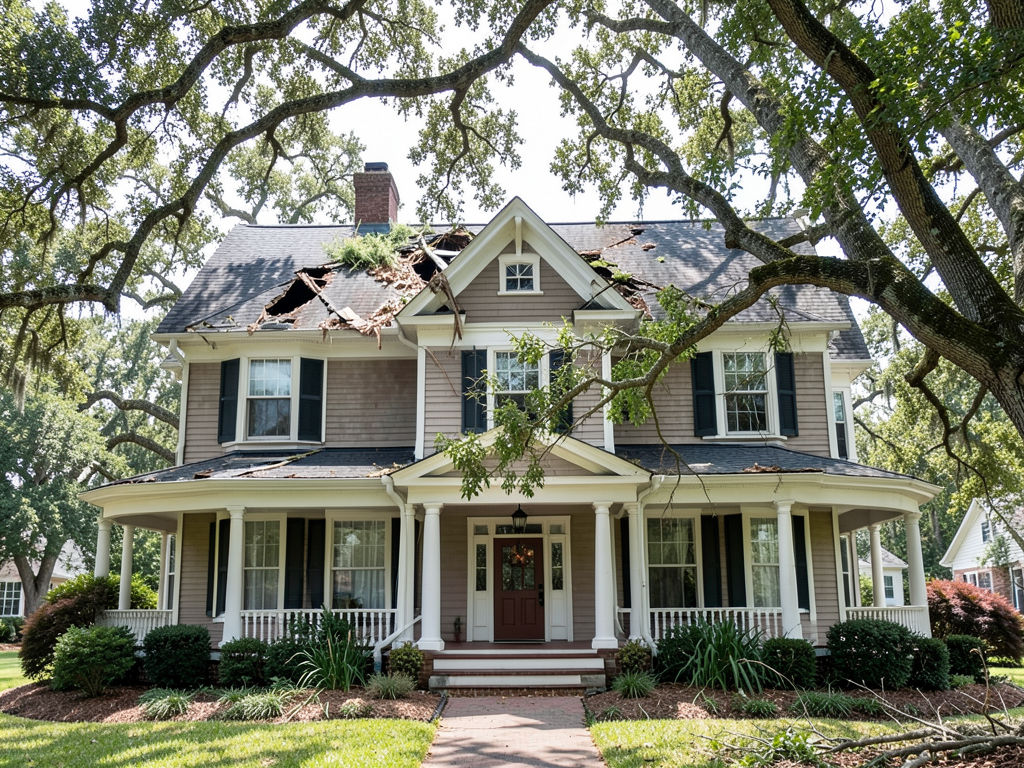
What You Should Do When Your Lakewood Home Develops a Sudden Roof Leak
Water dripping from your ceiling in the middle of the night is one of the most stressful moments a homeowner can face. In Lakewood where many homes date back to the early 1900s and feature historic Tudor Spanish and Craftsman architecture a sudden roof leak can quickly escalate from a nuisance to a major structural threat. The first 30 minutes after discovering a leak are critical to preventing thousands of dollars in water damage.. Read more about Quick and Reliable Skylight Leak Repair for Your Addison Home.
Start by containing the water. Place buckets or plastic containers under the drip and move furniture electronics and valuables out of the affected area. If the leak is near a light fixture turn off the power to that room at the breaker panel before touching anything. Next relieve trapped water in the ceiling by carefully poking a small hole in the center of the wet spot with a screwdriver. This prevents the ceiling from collapsing under the weight of pooled water.
Once the immediate threat is controlled your next priority is to protect the roof itself from further exposure. If weather permits cover the damaged area with a heavy-duty tarp secured with 2×4 lumber or sandbags. Do not attempt this during high winds or lightning. If you cannot safely access the roof call a licensed Dallas roofing contractor immediately. In Lakewood where mature pecan and oak trees often drop debris that clogs gutters and valleys even a small puncture can become a major leak during the next storm. Dallas building code Chapter 52.
Document everything. Take clear photos of the leak water stains and any visible roof damage before making temporary repairs. This documentation is essential when filing an insurance claim. Most homeowner policies in Dallas cover sudden roof leaks caused by storms falling trees or wind damage but they may not cover leaks due to long-term neglect or wear. Contact your insurance provider as soon as possible to start the claims process.. Read more about A Stress-Free Way to Handle Your Dallas Roofing Insurance Claim.
Time is your enemy. Mold can begin to grow within 24 to 48 hours in Dallas’s humid climate. If water has soaked into drywall insulation or wood framing those materials may need to be removed and replaced to prevent structural rot and indoor air quality issues. A professional roofing inspection will determine whether the leak is isolated or part of a larger systemic problem such as deteriorated flashing around chimneys or skylights which is common in Lakewood’s older homes.. Read more about Why a Pre-Storm Roof Inspection is Vital for Every Lake Highlands Homeowner.
For emergency response in Lakewood call (214) 204-2077. A licensed roofer can arrive quickly assess the damage and implement a permanent repair that meets Dallas building code requirements. Do not let a small drip turn into a ceiling collapse or a mold infestation. Act fast document the damage and get professional help before the next storm hits.. Read more about Getting Emergency Roof Tarping in Dallas When the Storm Hits Late at Night.
Common Causes of Sudden Roof Leaks in Lakewood Homes
Lakewood’s historic homes are particularly vulnerable to sudden leaks due to their age and construction methods. Many were built before modern roofing standards and lack the ice and water shield membranes now required by Dallas building code. Here are the most frequent culprits:
- Hail damage – North Texas experiences frequent hailstorms especially from March through June. Hail can crack or dislodge asphalt shingles exposing the underlayment to water infiltration.
- Tree debris – Lakewood’s mature tree canopy while beautiful drops leaves and branches that clog gutters and trap moisture against the roof surface.
- Flashing failure – Old metal flashing around chimneys vents and skylights can corrode or pull away from the roof deck creating entry points for water.
- Wind uplift – High straight-line winds common in Dallas can lift shingle edges or blow off ridge caps especially on older roofs with weakened fasteners.
Immediate Steps to Take When You Discover a Leak
Knowing what to do in the first few minutes can save you thousands in repairs. Follow these steps in order:
- Contain the water
Place buckets under drips and move furniture and valuables out of harm’s way. Use towels to absorb standing water on floors.
- Relieve ceiling pressure
If water is pooling in the ceiling poke a small hole in the center of the wet area with a screwdriver to let it drain into a bucket. This prevents ceiling collapse.
- Protect the roof exterior
If safe cover the damaged area with a heavy-duty tarp securing it with 2×4 lumber or sandbags. Do not attempt this during storms or high winds.
- Document the damage
Take clear photos of the leak water stains and any visible roof damage. This is critical for insurance claims.
- Call a licensed roofer
Contact a Dallas roofing contractor immediately. In Lakewood call (214) 204-2077 for emergency response.
Why Lakewood Homes Are Especially Vulnerable
Lakewood’s charm comes from its historic architecture but those same features make homes more susceptible to sudden leaks. Many roofs in the 75214 and 75206 zip codes were installed over 30 years ago and lack modern waterproofing layers. The area’s Blackland Prairie clay soil also causes foundation shifts that can stress roof joints and flashing over time.
Another factor is the neighborhood’s dense tree canopy. While it provides shade and character it also drops debris that holds moisture against the roof surface accelerating shingle deterioration. Pecan trees common in Lakewood shed large amounts of leaves and husks that can block valleys and gutters causing water to back up under shingles during heavy rain.
Older homes often have multiple roof penetrations for chimneys skylights and plumbing vents. Each penetration is a potential leak point if the surrounding flashing fails. In Lakewood where many homes have been renovated multiple times previous repair work may not meet current Dallas building code standards leaving hidden vulnerabilities.. Read more about Why Your Chimney is Likely the Source of That Bluffview Roof Leak.
Professional Repair vs. DIY: What You Need to Know
While temporary tarping can buy you time a permanent repair requires professional expertise. Dallas building code Chapter 52 mandates specific underlayment and flashing requirements for roof replacements. A licensed roofer will not only fix the visible leak but also inspect for underlying issues that could cause future problems.
DIY repairs often fail because they address symptoms rather than causes. For example replacing a few damaged shingles without fixing deteriorated underlayment or correcting poor attic ventilation will likely result in another leak within months. Professional roofers use moisture meters and thermal imaging to detect water intrusion that is not visible to the naked eye.
Another consideration is warranty protection. Most roofing manufacturers require installation by certified contractors to validate their warranties. Attempting your own repair could void coverage and leave you responsible for future damage.
Insurance Claims and Documentation
Understanding your insurance coverage is crucial when dealing with a sudden roof leak. Most Dallas homeowner policies cover damage from sudden accidental events like storms or falling trees but they typically exclude damage from wear and tear or lack of maintenance.
When filing a claim your insurance adjuster will want to see documentation of the damage’s extent and cause. This is where your photos and the roofer’s inspection report become invaluable. Many reputable Dallas roofing contractors work directly with insurance companies and can provide detailed estimates that align with adjuster requirements.
Be aware that some insurance companies require a roof inspection before issuing a new policy especially for homes over 15 years old. If your roof is near the end of its lifespan your insurer may only offer actual cash value coverage which pays for the roof’s depreciated value rather than the cost of replacement.
Preventing Future Leaks in Your Lakewood Home
After addressing the immediate crisis take steps to prevent future leaks. Schedule annual roof inspections especially after hail season. Clean gutters and downspouts regularly to prevent water backup. Trim tree branches that overhang your roof to reduce debris accumulation.
Consider upgrading to impact-resistant shingles if your roof is due for replacement. These shingles rated by UL 2218 standards can withstand hail up to two inches in diameter. Also ensure your attic has proper ventilation to prevent moisture buildup that can deteriorate roofing materials from the inside out.
For Lakewood’s historic homes work with a roofer who understands the architectural requirements of your specific home style. Spanish tile for example requires different installation techniques than asphalt shingles and must be handled by experienced professionals to maintain both function and aesthetic.
Cost Factors for Roof Leak Repairs in Dallas
The cost to repair a roof leak in Lakewood varies widely depending on the extent of damage and repair method. Minor repairs such as replacing a few shingles or resealing flashing might cost between $300 and $800. More extensive repairs involving underlayment replacement or structural repairs can range from $1500 to $5000.
Emergency service calls typically include a premium especially if the repair is needed after hours or during storms. However this cost is often offset by preventing further water damage to your home’s interior. Always get a written estimate before work begins and ask about warranty coverage on both materials and labor.
Keep in mind that if your roof is over 20 years old or has widespread damage a full replacement might be more cost-effective than repeated repairs. Many Dallas roofing contractors offer financing options to help manage the upfront cost of major repairs or replacements.
Choosing the Right Roofing Contractor in Lakewood
Not all roofing contractors are created equal especially when it comes to handling the unique challenges of Lakewood’s historic homes. Look for a contractor with specific experience in your home’s architectural style and a proven track record in the 75214 and 75206 zip codes.
Verify that the contractor is licensed by the Texas Department of Licensing and Regulation and carries both general liability and workers’ compensation insurance. Ask for references from other Lakewood homeowners and check online reviews specifically mentioning experience with historic properties. Texas Department of Licensing and Regulation.
A reputable contractor will provide a detailed written estimate explain the repair process clearly and offer warranty protection on their work. They should also be willing to work with your insurance company and provide documentation to support your claim.
Frequently Asked Questions
How quickly should I respond to a roof leak?
Immediately. Water can cause significant damage within hours and mold can begin growing within 24 to 48 hours in Dallas’s humid climate. The first 30 minutes are critical for minimizing damage.
Can I repair a roof leak myself?
Temporary measures like tarping can be done safely if you have the proper equipment and weather conditions are favorable. However permanent repairs should be done by licensed professionals to ensure code compliance and warranty protection.
Will my insurance cover the repair?
Most policies cover sudden accidental damage from storms or falling trees but not damage from wear and tear or lack of maintenance. Document everything and work with a contractor who can assist with insurance claims.
How can I tell if the leak is from the roof or plumbing?
Roof leaks typically worsen during rain and often show water stains on ceilings or walls below roof penetrations. Plumbing leaks may be more consistent and often appear near bathrooms or kitchens. A professional inspection can determine the source.
What should I do if water is near electrical fixtures?
Turn off power to the affected area at the breaker panel before touching anything. Water and electricity create a serious hazard. If you cannot safely access the breaker evacuate the area and call for professional help.
Don’t Wait Until It’s Too Late
A sudden roof leak is more than an inconvenience—it’s a threat to your home’s structural integrity and your family’s health. In Lakewood’s historic homes water damage can quickly compromise original woodwork plaster ceilings and even the foundation. The longer you wait the more expensive the repairs become.
When you discover a leak act fast. Contain the water protect your home’s interior and call a licensed Dallas roofing professional immediately. For emergency response in Lakewood call (214) 204-2077. Our team understands the unique challenges of historic homes and can provide rapid code-compliant repairs to protect your investment.
Remember a small drip today can become a ceiling collapse tomorrow. Do not let a manageable problem turn into a major renovation. Pick up the phone and call (214) 204-2077 before the next storm hits. Your home deserves expert care from professionals who understand Lakewood’s unique roofing needs.
{
“@context”: “https://schema.org”,
“@type”: “BlogPosting”,
“headline”: “What You Should Do When Your Lakewood Home Develops a Sudden Roof Leak”,
“description”: “Discover emergency steps for roof leaks in Lakewood’s historic homes. Learn how Dallas clay soil and Blackland Prairie conditions affect your roof’s vulnerability.”,
“wordCount”: 2037,
“datePublished”: “2026-02-16T10:05:00.000Z”,
“dateModified”: “2026-02-16T10:05:00.000Z”,
“inLanguage”: “en-US”,
“mainEntityOfPage”: {
“@type”: “WebPage”,
“@id”: “https://grandroofingdallas.com”
},
“publisher”: {
“@type”: “LocalBusiness”,
“name”: “Grand Roofing Dallas”,
“url”: “https://grandroofingdallas.com”
},
“author”: {
“@type”: “Organization”,
“name”: “Grand Roofing Dallas”,
“url”: “https://grandroofingdallas.com”
},
“image”: {
“@type”: “ImageObject”,
“url”: “https://grandroofingdallas.com/wp-content/uploads/2026/03/what-you-should-do-when-your-lakewood-home-develop-1.png”
}
}
{
“@context”: “https://schema.org”,
“@type”: “RoofingContractor”,
“name”: “Grand Roofing Dallas”,
“url”: “https://grandroofingdallas.com”,
“address”: {
“@type”: “PostalAddress”,
“addressLocality”: “Dallas”
},
“areaServed”: {
“@type”: “City”,
“name”: “Dallas”
}
}
{
“@context”: “https://schema.org”,
“@type”: “FAQPage”,
“mainEntity”: [
{
“@type”: “Question”,
“name”: “How quickly should I respond to a roof leak?”,
“acceptedAnswer”: {
“@type”: “Answer”,
“text”: “Immediately. Water can cause significant damage within hours and mold can begin growing within 24 to 48 hours in Dallas’s humid climate. The first 30 minutes are critical for minimizing damage.”
}
},
{
“@type”: “Question”,
“name”: “Can I repair a roof leak myself?”,
“acceptedAnswer”: {
“@type”: “Answer”,
“text”: “Temporary measures like tarping can be done safely if you have the proper equipment and weather conditions are favorable. However permanent repairs should be done by licensed professionals to ensure code compliance and warranty protection.”
}
},
{
“@type”: “Question”,
“name”: “Will my insurance cover the repair?”,
“acceptedAnswer”: {
“@type”: “Answer”,
“text”: “Most policies cover sudden accidental damage from storms or falling trees but not damage from wear and tear or lack of maintenance. Document everything and work with a contractor who can assist with insurance claims.”
}
},
{
“@type”: “Question”,
“name”: “How can I tell if the leak is from the roof or plumbing?”,
“acceptedAnswer”: {
“@type”: “Answer”,
“text”: “Roof leaks typically worsen during rain and often show water stains on ceilings or walls below roof penetrations. Plumbing leaks may be more consistent and often appear near bathrooms or kitchens. A professional inspection can determine the source.”
}
},
{
“@type”: “Question”,
“name”: “What should I do if water is near electrical fixtures?”,
“acceptedAnswer”: {
“@type”: “Answer”,
“text”: “Turn off power to the affected area at the breaker panel before touching anything. Water and electricity create a serious hazard. If you cannot safely access the breaker evacuate the area and call for professional help.”
}
}
]
}
{
“@context”: “https://schema.org”,
“@type”: “HowTo”,
“name”: “How to Handle a Roof Leak Emergency”,
“step”: [
{
“@type”: “HowToStep”,
“position”: 1,
“name”: “Contain the water”,
“text”: “Place buckets under drips and move furniture and valuables out of harm’s way. Use towels to absorb standing water on floors.”
},
{
“@type”: “HowToStep”,
“position”: 2,
“name”: “Relieve ceiling pressure”,
“text”: “If water is pooling in the ceiling poke a small hole in the center of the wet area with a screwdriver to let it drain into a bucket. This prevents ceiling collapse.”
},
{
“@type”: “HowToStep”,
“position”: 3,
“name”: “Protect the roof exterior”,
“text”: “If safe cover the damaged area with a heavy-duty tarp securing it with 2×4 lumber or sandbags. Do not attempt this during storms or high winds.”
},
{
“@type”: “HowToStep”,
“position”: 4,
“name”: “Document the damage”,
“text”: “Take clear photos of the leak water stains and any visible roof damage. This is critical for insurance claims.”
},
{
“@type”: “HowToStep”,
“position”: 5,
“name”: “Call a licensed roofer”,
“text”: “Contact a Dallas roofing contractor immediately. In Lakewood call (214) 204-2077 for emergency response.”
}
],
“image”: “https://grandroofingdallas.com/wp-content/uploads/2026/03/what-you-should-do-when-your-lakewood-home-develop-1.png”
}
{
“@context”: “https://schema.org”,
“@type”: “BreadcrumbList”,
“itemListElement”: [
{
“@type”: “ListItem”,
“position”: 1,
“name”: “Home”,
“item”: “https://grandroofingdallas.com”
},
{
“@type”: “ListItem”,
“position”: 2,
“name”: “Blog”,
“item”: “https://grandroofingdallas.com/blog”
},
{
“@type”: “ListItem”,
“position”: 3,
“name”: “What You Should Do When Your Lakewood Home Develops a Sudden Roof Leak”
}
]
}
{
“@context”: “https://schema.org”,
“@type”: “Service”,
“serviceType”: “Roofing”,
“provider”: {
“@type”: “LocalBusiness”,
“name”: “Grand Roofing Dallas”,
“url”: “https://grandroofingdallas.com”
},
“areaServed”: {
“@type”: “City”,
“name”: “Dallas”
},
“description”: “Discover emergency steps for roof leaks in Lakewood’s historic homes. Learn how Dallas clay soil and Blackland Prairie conditions affect your roof’s vulnerability.”
}