Why New Insulation is Just as Important as Your New Sunnyvale Roof
Living in Dallas means battling extreme summer heat that can push attic temperatures above 150°F. When you invest in a new roof, the last thing you want is for poor insulation to sabotage your energy savings and shorten your roof’s lifespan. Proper attic insulation works as a thermal barrier that keeps your home cooler in summer, warmer in winter, and protects your roof decking from moisture damage caused by temperature swings common in North Texas. US Department of Energy insulation guidelines.
The connection between your roof and attic insulation runs deeper than most homeowners realize. In Dallas’s Climate Zone 2, the Department of Energy recommends R-38 to R-60 insulation levels for optimal performance. Without adequate insulation, your new roof becomes a heat trap that forces your HVAC system to work overtime, leading to higher utility bills and premature wear on both your roof and cooling equipment. Choosing Between the Most Trusted Roofing Companies in the Dallas Metroplex.
Understanding this relationship helps you make smarter home improvement decisions. When you combine proper insulation with quality roofing materials, you create a complete thermal envelope that maximizes energy efficiency and extends the life of your entire roofing system. This article explores why insulation deserves equal attention to your new roof investment. The Benefits of TPO Roofing Systems for Richardson Industrial Properties.
The Connection Between Your Roof and Attic Insulation
Your roof and attic insulation function as a single system in Dallas’s harsh climate. When insulation is inadequate, heat penetrates your living space during summer, forcing your air conditioner to run continuously. This constant cooling cycle creates condensation on your roof deck, especially during morning hours when outdoor temperatures drop. Over time, this moisture leads to wood rot, mold growth, and compromised structural integrity.
During winter months, the opposite problem occurs. Heat rises through your ceiling, melting snow or ice on your roof surface. This freeze-thaw cycle creates ice dams that force water under shingles, causing leaks and interior damage. Proper insulation prevents these temperature differentials that stress your roofing materials year-round.
The physics are simple but critical. Heat always moves from warmer to cooler areas. In Dallas summers, your attic can reach 30-50°F hotter than your living space. Without proper insulation, that heat transfers downward, making your AC work harder. The result is higher energy bills, uncomfortable indoor temperatures, and a roof system that ages prematurely from constant thermal cycling.
Dallas Climate Considerations for Insulation Performance
Dallas sits in Climate Zone 2, where summer cooling dominates energy use. The US Department of Energy specifies R-38 minimum for attics in this region, with R-49 to R-60 providing optimal performance. These higher R-values are necessary because Dallas experiences 100°F+ days for weeks at a time, creating intense heat loads on roofing systems.
Humidity adds another layer of complexity. North Texas humidity levels often exceed 70% during summer months. This moisture-laden air can condense on cold surfaces inside poorly insulated attics, creating perfect conditions for mold and mildew growth. The right insulation materials resist moisture absorption while maintaining their thermal resistance properties.
Temperature swings in Dallas are dramatic. It’s common to see 30-40°F differences between daytime highs and nighttime lows, especially in spring and fall. These rapid changes cause building materials to expand and contract, creating stress points around fasteners, flashing, and roof edges. Quality insulation helps moderate these swings, reducing thermal stress on your entire roofing system.. Read more about The Difference Between Ridge Vents and Traditional Attic Fans for Farmers Branch Homes.
Our Insulation Solutions for Dallas Homes
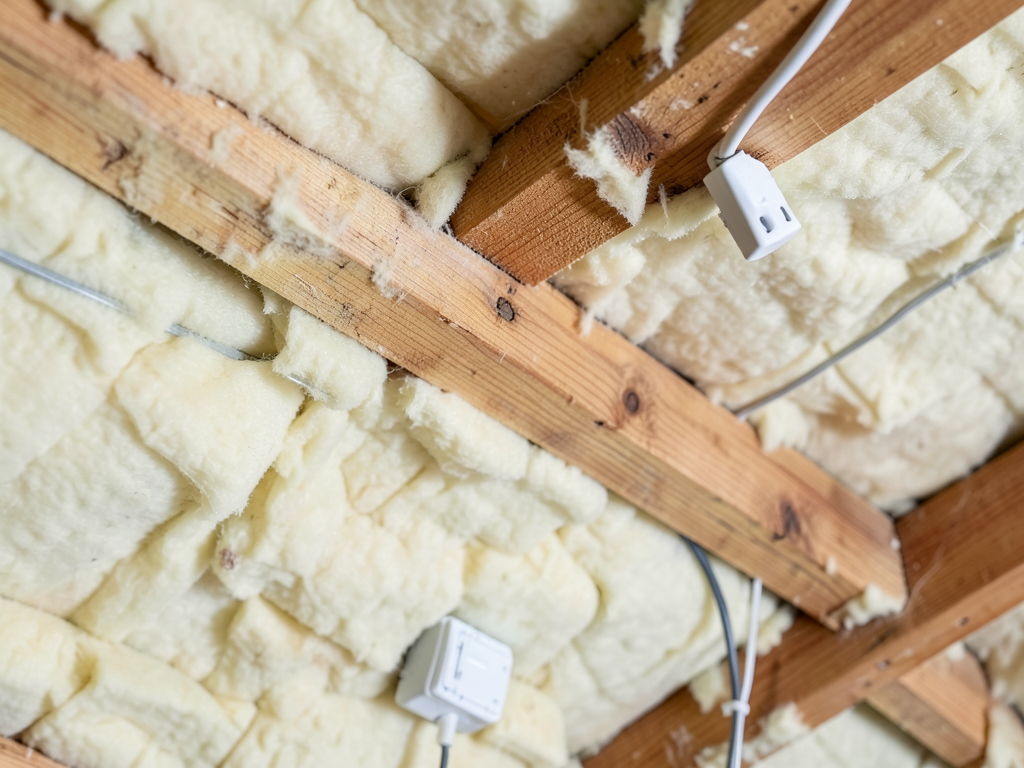
Blown-in fiberglass insulation offers excellent moisture resistance and maintains its R-value over time. This material works particularly well in Dallas because it doesn’t settle as much as cellulose and resists mold growth in our humid climate. Installation involves blowing loose fiberglass into attic spaces until reaching the target R-value, typically creating a uniform blanket of insulation.
Cellulose insulation, made from recycled paper products, provides good thermal performance at a lower cost. However, in Dallas’s humidity, cellulose can absorb moisture and settle over time, potentially reducing its effectiveness. When properly treated with fire retardants and installed with adequate ventilation, cellulose remains a viable option for many homeowners.
Radiant barriers installed under roof decking reflect up to 97% of radiant heat before it enters your attic. In Dallas’s intense summer sun, this technology can reduce attic temperatures by 20-30°F. The combination of radiant barriers with traditional insulation creates a comprehensive heat management system that addresses both conductive and radiant heat transfer.
Roofing Systems for Texas Homes
Impact-resistant shingles rated for Class 4 hail protection are essential in Dallas, where severe thunderstorms bring golf ball-sized hail several times per year. These shingles feature reinforced fiberglass mats and polymer-modified asphalt that flex rather than crack under impact. The investment typically adds $1,000-2,000 to a standard roof but can prevent costly damage.
Metal roofing systems offer superior heat reflection and wind resistance for Dallas homes. Standing seam metal roofs can last 40-70 years compared to 15-25 years for asphalt shingles. Their smooth surface allows hail to slide off rather than penetrate, and their interlocking panels resist wind uplift during tornado season. Deciding if a Metal Roof is the Right Choice for Your North Dallas Home.
For commercial properties in areas like Grand Prairie and Irving, TPO (Thermoplastic Polyolefin) roofing provides excellent UV resistance and energy efficiency. These single-ply membranes reflect sunlight, reducing cooling costs by 20-30% compared to dark roofing materials. Their heat-welded seams create a watertight barrier that withstands Dallas’s temperature extremes.
The ROI of Combined Services
Homeowners who upgrade both insulation and roofing simultaneously see energy savings of 25-40% compared to pre-upgrade consumption. The Department of Energy estimates that proper attic insulation alone can reduce heating and cooling costs by 15-25% annually. When combined with energy-efficient roofing, total savings often pay for the improvements within 5-7 years.
Roof warranty protection is another significant benefit. Many manufacturers void warranties if attic ventilation and insulation don’t meet specific standards. Proper insulation keeps roof temperatures consistent, preventing the thermal cycling that causes premature shingle failure. This protection can save thousands in premature replacement costs. How Much a Full Roof Replacement Really Costs in the Dallas Area.
HVAC system longevity improves dramatically with proper insulation. When your cooling system doesn’t have to run constantly to combat attic heat gain, it experiences less wear and tear. This translates to fewer repairs, longer equipment life, and lower maintenance costs over the system’s lifetime.
Attic Ventilation: The Missing Link
Soffit vents draw cool air into your attic at the eaves, while ridge vents allow hot air to escape at the peak. This natural convection creates continuous airflow that prevents heat buildup and moisture accumulation. In Dallas’s climate, proper ventilation can reduce attic temperatures by 15-25°F during summer months.
Power attic fans provide active ventilation for homes with limited natural airflow. These thermostatically controlled fans kick on when attic temperatures exceed 95°F, pulling hot air out and drawing cooler air in through soffit vents. The energy used by these fans is typically offset by the reduction in AC runtime.
Solar-powered attic fans offer the benefits of powered ventilation without increasing electricity consumption. These units install on the roof and operate during peak sunlight hours when attic temperatures are highest. For Dallas homes, solar fans can reduce attic heat gain by 20-30% during the hottest parts of the day.
Common Insulation Mistakes Dallas Homeowners Make
Blocking soffit vents with insulation is the most frequent error. When insulation covers these intake vents, airflow stops and your attic becomes an oven. This mistake often occurs when homeowners add insulation themselves without understanding ventilation principles. The result is higher energy bills and potential moisture damage to roof decking.
Mixing insulation types creates compatibility problems. Fiberglass and cellulose have different moisture management properties and settling rates. When layered incorrectly, they can create moisture traps that lead to mold growth and reduced thermal performance. Each material requires specific installation techniques for optimal results.
Ignoring attic access points and ductwork is another costly oversight. Uninsulated attic stairs, recessed light fixtures, and HVAC ducts create significant energy leaks. These small gaps can account for 20-30% of total heat loss or gain, undermining even the best insulation installation.
Energy Rebates and Tax Credits Available in Dallas
Oncor’s Home Energy Efficiency Program offers rebates up to $2,500 for insulation upgrades that meet specific R-value requirements. These rebates are available to Dallas residents through participating contractors who handle the paperwork. The program focuses on improvements that provide measurable energy savings in Texas’s climate. Oncor energy efficiency rebates.
Federal tax credits through the Energy Star program cover 30% of insulation material costs up to $1,200 for 2026. These credits apply to qualifying insulation products that meet current energy efficiency standards. The tax credit can be claimed on your federal return for the year the improvements are completed.
Many utility companies offer additional incentives for comprehensive energy upgrades. These programs often bundle insulation improvements with HVAC upgrades and smart thermostats. The combined savings can exceed $3,000 when all available rebates are claimed.
Diagnostic Testing: How We Measure Insulation Performance
Thermal imaging cameras reveal heat loss patterns invisible to the naked eye. During an inspection, we scan your ceiling and walls to identify areas where insulation is missing, compressed, or inadequate. These infrared scans show temperature differences as small as 2-3°F, pinpointing exact locations that need improvement. Why a Pre-Storm Roof Inspection is Vital for Every Lake Highlands Homeowner.
Blower door tests measure your home’s overall air tightness. This diagnostic tool depressurizes your house and measures how quickly air leaks in through gaps and cracks. The test identifies specific areas where air sealing combined with insulation will provide the greatest energy savings.
Attic temperature monitoring tracks heat buildup throughout the day. We place digital thermometers at multiple heights in your attic to understand how heat accumulates and dissipates. This data helps us design ventilation and insulation systems that maintain optimal temperatures for your specific home design.
Material Comparisons: What Works Best in Dallas
R-value per inch varies significantly between insulation materials. Fiberglass batts provide about R-3.2 per inch, while blown fiberglass achieves R-2.2 to R-2.7 per inch depending on density. Cellulose offers R-3.2 to R-3.8 per inch but settles more over time. Understanding these differences helps select the right material for your specific application.
Moisture resistance is critical in Dallas’s humid climate. Fiberglass naturally repels water and maintains its insulating properties when dry. Cellulose absorbs moisture but can be treated with borate for mold resistance. Spray foam creates an air seal that prevents moisture intrusion but requires professional installation to avoid trapping moisture in wall cavities.
Fire safety ratings matter for all insulation materials. Class A fire-rated materials provide the highest level of fire resistance. Most modern insulation products include fire retardants, but local building codes may require specific ratings for certain applications, particularly in attics with recessed lighting or HVAC equipment.
Maintenance and Long-Term Performance
Insulation should be inspected annually for signs of moisture damage, pest infestation, or settling. Look for dark spots indicating water damage, areas where insulation has compacted below recommended levels, or evidence of rodents nesting in attic spaces. Early detection prevents costly repairs and maintains energy efficiency.
Ventilation systems require periodic cleaning to maintain airflow. Soffit vents can become blocked by dust, insulation particles, or insect nests. Ridge vents may accumulate debris that restricts hot air escape. A quick inspection each spring ensures your ventilation system operates at peak efficiency during summer months.
Roof inspections should include checking for proper insulation coverage around penetrations. Plumbing vents, chimneys, and attic access points are common areas where insulation gaps develop over time. These small openings can significantly reduce overall insulation effectiveness if not properly sealed and maintained.
Commercial Applications in the DFW Area
Warehouses and industrial buildings in Grand Prairie and Irving benefit from spray foam insulation that creates both thermal and moisture barriers. These facilities often have large roof areas exposed to direct sunlight, making heat management critical for worker comfort and equipment protection. Spray foam’s high R-value per inch makes it ideal for maximizing insulation in limited space.
Retail buildings along the I-635 corridor require specialized insulation solutions that balance energy efficiency with aesthetic considerations. Exterior insulation and finish systems (EIFS) provide continuous insulation while maintaining attractive building facades. These systems can reduce heating and cooling costs by 30-40% compared to traditional construction methods.
Office buildings in Richardson’s tech corridor often incorporate green building standards that exceed basic code requirements. These projects typically include advanced insulation systems, energy recovery ventilators, and smart building controls that optimize energy use based on occupancy and outdoor conditions.
Frequently Asked Questions
How much does attic insulation cost in Dallas?
Attic insulation costs in Dallas typically range from $1.50 to $3.50 per square foot installed, depending on the material type and desired R-value. A 1,500 square foot attic usually costs $2,250 to $5,250 total. Higher R-values and premium materials increase costs but provide better long-term energy savings.
Can I install insulation myself or should I hire a professional?
While DIY insulation installation is possible, professional installation ensures proper R-value achievement, correct ventilation integration, and code compliance. Professionals have the equipment to achieve uniform coverage and can identify issues like moisture problems or inadequate ventilation that DIY installers often miss. The cost difference is usually offset by better performance and warranty protection.
How long does new insulation last in Dallas’s climate?
Quality insulation typically lasts 20-30 years in Dallas, though performance may gradually decline. Fiberglass and spray foam maintain their properties longer than cellulose, which can settle 20-30% over time. Regular inspections help identify when replacement or additional insulation becomes necessary to maintain optimal energy efficiency.
Will new insulation help with my summer cooling bills?
Yes, proper attic insulation can reduce summer cooling costs by 15-30% in Dallas. The exact savings depend on your home’s current insulation levels, attic ventilation, and overall energy efficiency. Homes with minimal existing insulation often see the greatest percentage savings after upgrades.
Do I need a building permit for insulation upgrades?
Most insulation upgrades in Dallas require permits to ensure compliance with local building codes and energy efficiency standards. Professional contractors typically handle permit acquisition as part of their service. Permits ensure the work meets current safety standards and may be required for insurance purposes or future home sales.
Getting Started with Your Insulation Project
The first step is scheduling a comprehensive energy audit that includes thermal imaging and insulation assessment. This diagnostic process identifies specific problem areas and calculates potential energy savings from various improvement options. The audit typically takes 2-3 hours and provides a roadmap for maximizing your investment.
Next, obtain multiple quotes from licensed insulation contractors who understand Dallas’s specific climate challenges. Compare not just prices but also warranty terms, material specifications, and the contractor’s experience with local building codes. Ask for references from similar projects in your area to verify quality and reliability.
Finally, coordinate your insulation project with any planned roofing work. Installing insulation during roof replacement minimizes disruption and allows for optimal integration of ventilation systems. This combined approach often qualifies for larger rebates and provides the best overall energy performance for your investment.
Ready to maximize your new roof investment with proper insulation? Call (214) 204-2077 today to schedule your energy audit and discover how much you could save on your utility bills. Don’t let poor insulation undermine your roofing investment – take action now before the next Dallas heat wave hits.

{
“@context”: “https://schema.org”,
“@type”: “BlogPosting”,
“headline”: “Why New Insulation is Just as Important as Your New Sunnyvale Roof”,
“description”: “Discover why proper attic insulation in Dallas is critical for energy savings and roof longevity. Learn how insulation protects your investment in North Texas heat.”,
“wordCount”: 2575,
“datePublished”: “2026-03-18T13:07:00.000Z”,
“dateModified”: “2026-03-18T13:07:00.000Z”,
“inLanguage”: “en-US”,
“mainEntityOfPage”: {
“@type”: “WebPage”,
“@id”: “https://grandroofingdallas.com”
},
“publisher”: {
“@type”: “LocalBusiness”,
“name”: “Grand Roofing Dallas”,
“url”: “https://grandroofingdallas.com”
},
“author”: {
“@type”: “Organization”,
“name”: “Grand Roofing Dallas”,
“url”: “https://grandroofingdallas.com”
},
“image”: {
“@type”: “ImageObject”,
“url”: “https://grandroofingdallas.com/wp-content/uploads/2026/03/why-new-insulation-is-just-as-important-as-your-ne-1.png”
}
}
{
“@context”: “https://schema.org”,
“@type”: “RoofingContractor”,
“name”: “Grand Roofing Dallas”,
“url”: “https://grandroofingdallas.com”,
“address”: {
“@type”: “PostalAddress”,
“addressLocality”: “Dallas”
},
“areaServed”: {
“@type”: “City”,
“name”: “Dallas”
}
}
{
“@context”: “https://schema.org”,
“@type”: “FAQPage”,
“mainEntity”: [
{
“@type”: “Question”,
“name”: “How much does attic insulation cost in Dallas?”,
“acceptedAnswer”: {
“@type”: “Answer”,
“text”: “Attic insulation costs in Dallas typically range from $1.50 to $3.50 per square foot installed, depending on the material type and desired R-value. A 1,500 square foot attic usually costs $2,250 to $5,250 total. Higher R-values and premium materials increase costs but provide better long-term energy savings.”
}
},
{
“@type”: “Question”,
“name”: “Can I install insulation myself or should I hire a professional?”,
“acceptedAnswer”: {
“@type”: “Answer”,
“text”: “While DIY insulation installation is possible, professional installation ensures proper R-value achievement, correct ventilation integration, and code compliance. Professionals have the equipment to achieve uniform coverage and can identify issues like moisture problems or inadequate ventilation that DIY installers often miss. The cost difference is usually offset by better performance and warranty protection.”
}
},
{
“@type”: “Question”,
“name”: “Will new insulation help with my summer cooling bills?”,
“acceptedAnswer”: {
“@type”: “Answer”,
“text”: “Yes, proper attic insulation can reduce summer cooling costs by 15-30% in Dallas. The exact savings depend on your home’s current insulation levels, attic ventilation, and overall energy efficiency. Homes with minimal existing insulation often see the greatest percentage savings after upgrades.”
}
},
{
“@type”: “Question”,
“name”: “Do I need a building permit for insulation upgrades?”,
“acceptedAnswer”: {
“@type”: “Answer”,
“text”: “Most insulation upgrades in Dallas require permits to ensure compliance with local building codes and energy efficiency standards. Professional contractors typically handle permit acquisition as part of their service. Permits ensure the work meets current safety standards and may be required for insurance purposes or future home sales.”
}
}
]
}
{
“@context”: “https://schema.org”,
“@type”: “BreadcrumbList”,
“itemListElement”: [
{
“@type”: “ListItem”,
“position”: 1,
“name”: “Home”,
“item”: “https://grandroofingdallas.com”
},
{
“@type”: “ListItem”,
“position”: 2,
“name”: “Blog”,
“item”: “https://grandroofingdallas.com/blog”
},
{
“@type”: “ListItem”,
“position”: 3,
“name”: “Why New Insulation is Just as Important as Your New Sunnyvale Roof”
}
]
}
{
“@context”: “https://schema.org”,
“@type”: “Service”,
“serviceType”: “Roofing”,
“provider”: {
“@type”: “LocalBusiness”,
“name”: “Grand Roofing Dallas”,
“url”: “https://grandroofingdallas.com”
},
“areaServed”: {
“@type”: “City”,
“name”: “Dallas”
},
“description”: “Discover why proper attic insulation in Dallas is critical for energy savings and roof longevity. Learn how insulation protects your investment in North Texas heat.”
}