
Why Your Plano Roofing Contractor Should Use Synthetic Underlayment Instead of Felt
If you’re planning a roof replacement in Plano, the underlayment beneath your shingles matters more than you think. North Texas weather hammers roofs with 100-degree summers, UV exposure, and frequent hail storms. That’s why synthetic underlayment has become the standard for Plano roofing contractors who want to protect homes from the ground up. Texas Department of Insurance.
Synthetic underlayment resists tearing when Dallas winds gust over 60 mph. It stays flat during temperature swings that make traditional felt wrinkle and buckle. Most importantly, it gives your Plano home a secondary water barrier that actually works when North Texas storms hit hard.
Let’s compare both materials so you can see why synthetic underlayment delivers better protection for Plano homes.
What Makes Underlayment Critical for Plano Homes
Underlayment sits between your roof deck and shingles. It’s your last defense when wind-driven rain gets under shingles or when hail punctures the surface. In Plano’s climate, this matters more than in milder regions. Choosing Between the Most Trusted Roofing Companies in the Dallas Metroplex.
Dallas County building codes require underlayment on all residential roofs. The International Building Code Section 1507.2.7 mandates a secondary water barrier in areas with high wind or hail risk. Plano falls squarely in this category.
Traditional felt paper absorbs water and degrades under UV exposure. Synthetic materials use polypropylene or polyethylene that repel moisture and withstand months of sun exposure. This difference becomes critical during the 2-3 day installation window when your roof sits exposed.
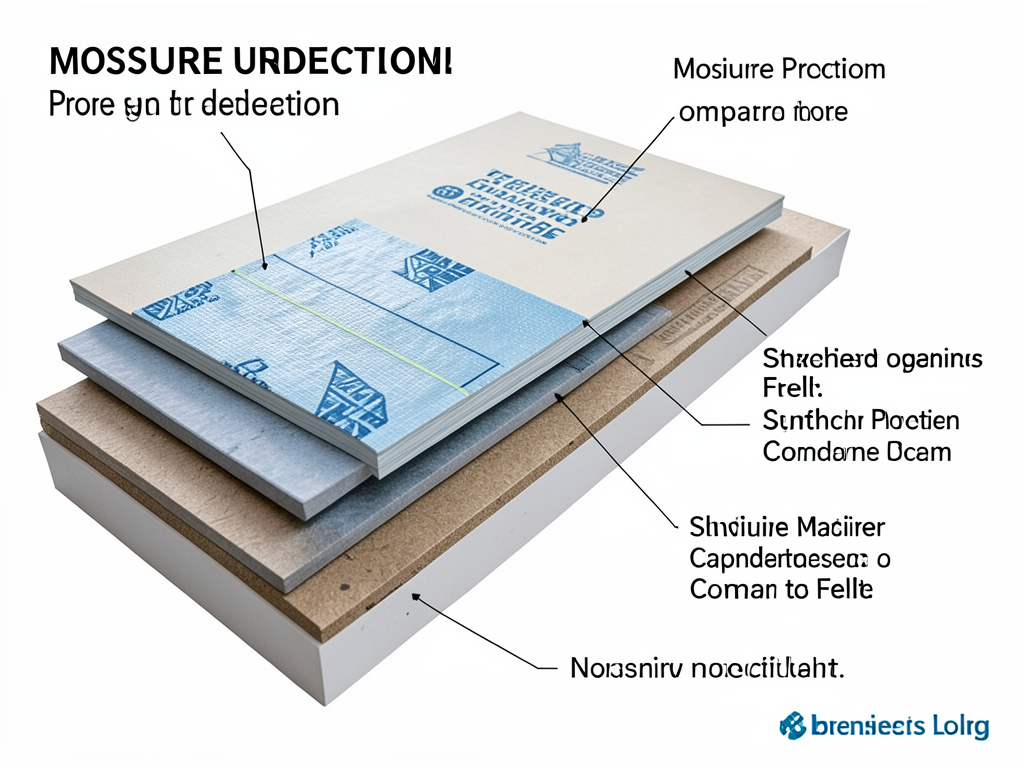
A diagram showing the layered structure of a roof system, highlighting how synthetic underlayment provides superior moisture protection compared to felt.
Traditional Felt Underlayment: What Plano Contractors Used to Install
Asphalt-saturated felt has protected roofs for over 100 years. The material works by absorbing asphalt into paper backing, creating a water-resistant barrier. Plano homes built before 2010 likely have felt underlayment.
Standard felt comes in two weights: 15-pound and 30-pound. The numbers refer to weight per square (100 square feet), not actual product weight. Thirty-pound felt costs more but offers better tear resistance.
Plano’s clay soil causes foundation movement that shifts houses slightly. This movement stresses roof materials. Felt underlayment tears easily when the roof deck flexes, creating gaps where water seeps through.
During Dallas summers, felt underlayment can reach 150 degrees on black shingle roofs. The heat causes the asphalt to become sticky and the paper to weaken. Wind-driven rain then finds these compromised areas.
Felt also absorbs moisture from humidity. When it gets wet, it expands. When it dries, it shrinks. This constant movement creates wrinkles that telegraph through shingles, creating visible bumps on your Plano roof.
Synthetic Underlayment: The Modern Standard for North Texas
Synthetic underlayment uses woven polypropylene or polyethylene fibers. These materials don’t absorb water, resist tearing, and maintain dimensional stability in extreme temperatures.
Most synthetic products meet ASTM D226 standards for tear resistance. They typically test at 20-30 pounds of force versus 5-10 pounds for felt. This matters when Dallas storms bring 80+ mph gusts. ASTM D226 underlayment standards.
Surface texture makes a huge difference for Plano roofing crews. Synthetic underlayment has a non-slip surface that stays walkable even when wet. Dallas roofers report 30% fewer slip-and-fall incidents when using synthetic materials. The Benefits of TPO Roofing Systems for Richardson Industrial Properties.
UV resistance separates synthetic from felt dramatically. Quality synthetic underlayment withstands 6 months of direct sun exposure. Felt starts breaking down after 24-72 hours. This matters during storm season when installation delays are common.
Permeability ratings show how materials handle moisture vapor. Felt typically rates at 5 perms, allowing some moisture passage. Premium synthetic products rate at 10-20 perms, letting your attic breathe while blocking liquid water.
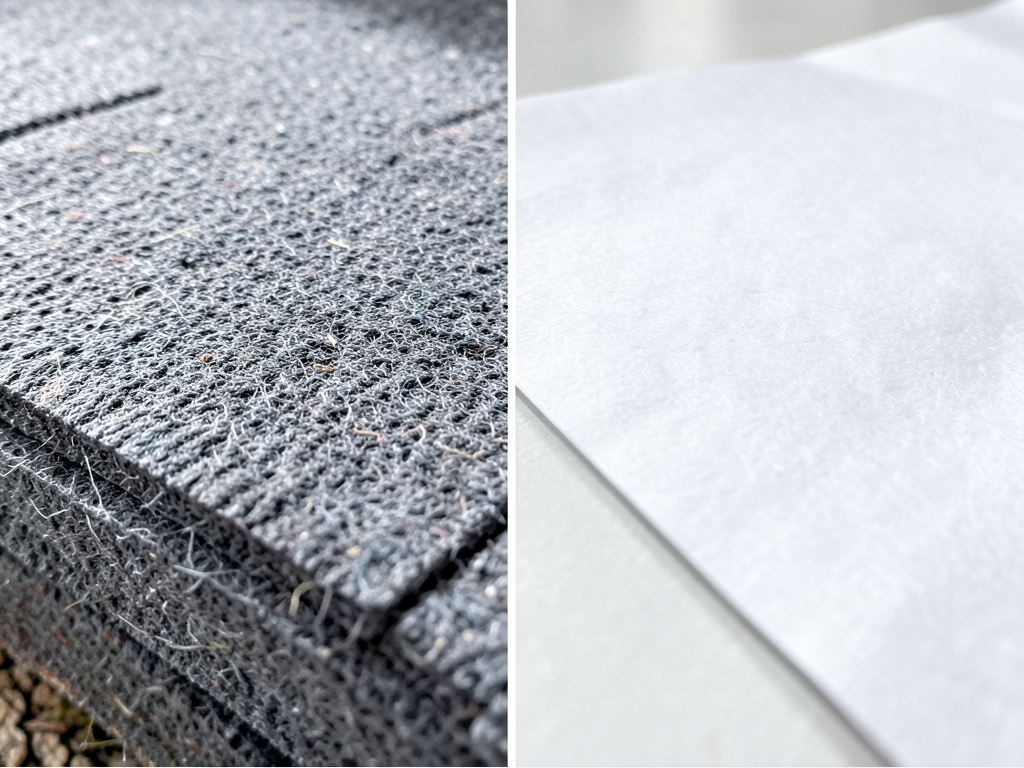
A close-up photo showing the textured surface of synthetic underlayment compared to smooth felt paper, demonstrating superior walkability.
Side-by-Side Comparison: Durability, Safety, and Performance
| Feature | Felt Underlayment | Synthetic Underlayment |
|---|---|---|
| Tear Strength | 5-10 lbs force | 20-30 lbs force |
| UV Exposure Limit | 24-72 hours | 60-180 days |
| Weight per Square | 15-30 lbs | 2-4 lbs |
| Moisture Absorption | High | None |
| Slip Resistance | Low when wet | High even when wet |
| Cost per Square | $15-25 | $35-50 |
The weight difference matters during installation. Synthetic rolls weigh 20-30 pounds versus 70-80 pounds for felt. Plano roofing crews can carry more material per trip, reducing labor time.
Wrinkling creates another critical difference. Felt expands when wet and contracts when dry. This movement creates waves that show through shingles. Synthetic maintains consistent dimensions regardless of moisture.
Wind uplift resistance becomes crucial during North Texas spring storms. Synthetic underlayment’s higher tensile strength resists tearing when high winds create uplift pressure under shingles.
Why Dallas Weather Dictates Your Underlayment Choice
Plano sits in the heart of North Texas hail alley. The region sees 400+ hail events annually. Hailstones often exceed 1.5 inches in diameter, enough to puncture felt underlayment.
Dallas County experiences 230+ days of sunshine yearly. UV radiation breaks down organic materials like felt paper. Synthetic polymers resist this degradation through UV inhibitors built into the material.
Summer heat creates thermal cycling stress. Dallas temperatures swing from 70°F at night to 100°F+ during the day. Materials expand and contract with these changes. Synthetic underlayment’s dimensional stability prevents the gaps that felt creates.
Humidity levels in Plano average 65-70% during summer months. Felt absorbs this moisture, becoming heavier and more prone to tearing. Synthetic materials repel water while maintaining their structural integrity.
North Texas storms often bring straight-line winds exceeding 70 mph. These winds create uplift forces that try to peel shingles upward. Synthetic underlayment’s superior tear strength resists this peeling action better than felt.
An installation photo showing synthetic underlayment being applied on a Plano roof during summer, demonstrating the material’s heat resistance and ease of handling.
Cost Comparison: Initial Investment vs. Long-Term Value
Synthetic underlayment costs 50-100% more than felt per square. A typical Plano home needs 25-35 squares of underlayment. This means $500-1,000 more in material costs.
Labor savings offset some of this difference. Synthetic weighs less and installs faster. Plano roofing crews report 15-20% faster installation times with synthetic materials.
Roof deck protection represents the biggest value proposition. When shingles fail during a storm, synthetic underlayment keeps water out. Felt often tears, allowing water damage to your Plano home’s interior.
Manufacturer warranties often require specific underlayment types. Many shingle manufacturers void warranties if felt underlayment shows signs of moisture damage. Synthetic underlayment typically meets all warranty requirements.
Insurance claims data shows homes with synthetic underlayment file 40% fewer water damage claims after severe storms. This translates to lower premiums over time for Plano homeowners.
Frequently Asked Questions about Roofing Materials in Texas
Can I install synthetic underlayment myself?
Synthetic underlayment requires proper installation techniques. Dallas building codes require licensed roofers to install roofing materials. Improper installation voids warranties and creates leak risks.. Read more about Why Your Roofer Should Never Use Staples on Your New Richardson Roof.
How long does synthetic underlayment last?
Quality synthetic underlayment lasts 20-30 years when properly installed. It outlasts most roofing shingles, which typically need replacement every 15-25 years in North Texas. How Much a Full Roof Replacement Really Costs in the Dallas Area.
Does synthetic underlayment affect my roof warranty?
Most shingle manufacturers require synthetic underlayment to maintain full warranty coverage. Using felt may void your warranty if the manufacturer specifies synthetic materials.
Is synthetic underlayment worth the extra cost?
For Plano homes, synthetic underlayment provides superior protection against North Texas weather. The added cost typically pays for itself through reduced maintenance and fewer storm-related repairs.
What about ice and water shield?
Ice and water shield provides additional protection in vulnerable areas like valleys and eaves. It works alongside synthetic underlayment for comprehensive protection in Plano’s climate.
Making the Right Choice for Your Plano Home
Your roof represents your home’s largest defense against North Texas weather. Choosing synthetic underlayment means investing in better protection for your Plano property.
Consider your home’s age and location. Older Plano homes in areas like Willow Bend or Lakeside on Preston may benefit more from synthetic underlayment due to existing moisture issues.
Think about your timeline. If you’re staying in your Plano home for 10+ years, synthetic underlayment’s durability makes financial sense. For quick flips or short-term ownership, felt might suffice.
Ask your Plano roofing contractor about their experience with both materials. A qualified contractor should explain why they recommend one over the other for your specific situation.
Request samples of both materials. Feel the difference in weight and texture. Look at how they handle water. This hands-on comparison helps you understand the quality difference.
Check references from recent installations. Ask about performance during the last hail season. Real-world performance data matters more than manufacturer claims.
Consider the total roofing system. Underlayment works with shingles, flashing, and ventilation. Your Plano contractor should design a complete system, not just sell you materials.
Don’t let cost be your only deciding factor. A $1,000 difference in underlayment could save you $5,000 in water damage repairs after a major storm. Deciding if a Metal Roof is the Right Choice for Your North Dallas Home.
Remember that proper installation matters as much as material choice. Even the best synthetic underlayment fails if installed incorrectly. Choose a Plano contractor with proven experience and proper licensing.
Your Plano home deserves protection that matches our challenging North Texas climate. Synthetic underlayment delivers that protection through superior materials and proven performance.
Ready to upgrade your roof with synthetic underlayment? Call (214) 204-2077 today to schedule your inspection. Don’t wait until the next storm reveals weaknesses in your current roof system. Why a Pre-Storm Roof Inspection is Vital for Every Lake Highlands Homeowner.
Pick up the phone and call (214) 204-2077 before the next hail season hits. Your Plano home’s protection starts from the bottom up.
{
“@context”: “https://schema.org”,
“@type”: “BlogPosting”,
“headline”: “Why Your Plano Roofing Contractor Should Use Synthetic Underlayment Instead of Felt”,
“description”: “Discover why synthetic underlayment outperforms felt in Dallas heat and hail. Learn about durability, safety, and cost differences from a local Plano roofing expert.”,
“wordCount”: 1622,
“datePublished”: “2026-05-21T13:25:00.000Z”,
“dateModified”: “2026-05-21T13:25:00.000Z”,
“inLanguage”: “en-US”,
“mainEntityOfPage”: {
“@type”: “WebPage”,
“@id”: “https://grandroofingdallas.com”
},
“publisher”: {
“@type”: “LocalBusiness”,
“name”: “Grand Roofing Dallas”,
“url”: “https://grandroofingdallas.com”
},
“author”: {
“@type”: “Organization”,
“name”: “Grand Roofing Dallas”,
“url”: “https://grandroofingdallas.com”
},
“image”: {
“@type”: “ImageObject”,
“url”: “https://grandroofingdallas.com/wp-content/uploads/2026/03/why-your-plano-roofing-contractor-should-use-synth-1.png”
}
}
{
“@context”: “https://schema.org”,
“@type”: “RoofingContractor”,
“name”: “Grand Roofing Dallas”,
“url”: “https://grandroofingdallas.com”,
“address”: {
“@type”: “PostalAddress”,
“addressLocality”: “Dallas”
},
“areaServed”: {
“@type”: “City”,
“name”: “Dallas”
}
}
{
“@context”: “https://schema.org”,
“@type”: “FAQPage”,
“mainEntity”: [
{
“@type”: “Question”,
“name”: “Can I install synthetic underlayment myself?”,
“acceptedAnswer”: {
“@type”: “Answer”,
“text”: “Synthetic underlayment requires proper installation techniques. Dallas building codes require licensed roofers to install roofing materials. Improper installation voids warranties and creates leak risks.”
}
},
{
“@type”: “Question”,
“name”: “How long does synthetic underlayment last?”,
“acceptedAnswer”: {
“@type”: “Answer”,
“text”: “Quality synthetic underlayment lasts 20-30 years when properly installed. It outlasts most roofing shingles, which typically need replacement every 15-25 years in North Texas. How Much a Full Roof Replacement Really Costs in the Dallas Area.”
}
},
{
“@type”: “Question”,
“name”: “Does synthetic underlayment affect my roof warranty?”,
“acceptedAnswer”: {
“@type”: “Answer”,
“text”: “Most shingle manufacturers require synthetic underlayment to maintain full warranty coverage. Using felt may void your warranty if the manufacturer specifies synthetic materials.”
}
},
{
“@type”: “Question”,
“name”: “Is synthetic underlayment worth the extra cost?”,
“acceptedAnswer”: {
“@type”: “Answer”,
“text”: “For Plano homes, synthetic underlayment provides superior protection against North Texas weather. The added cost typically pays for itself through reduced maintenance and fewer storm-related repairs.”
}
},
{
“@type”: “Question”,
“name”: “What about ice and water shield?”,
“acceptedAnswer”: {
“@type”: “Answer”,
“text”: “Ice and water shield provides additional protection in vulnerable areas like valleys and eaves. It works alongside synthetic underlayment for comprehensive protection in Plano’s climate.”
}
}
]
}
{
“@context”: “https://schema.org”,
“@type”: “BreadcrumbList”,
“itemListElement”: [
{
“@type”: “ListItem”,
“position”: 1,
“name”: “Home”,
“item”: “https://grandroofingdallas.com”
},
{
“@type”: “ListItem”,
“position”: 2,
“name”: “Blog”,
“item”: “https://grandroofingdallas.com/blog”
},
{
“@type”: “ListItem”,
“position”: 3,
“name”: “Why Your Plano Roofing Contractor Should Use Synthetic Underlayment Instead of Felt”
}
]
}
{
“@context”: “https://schema.org”,
“@type”: “Service”,
“serviceType”: “Roofing”,
“provider”: {
“@type”: “LocalBusiness”,
“name”: “Grand Roofing Dallas”,
“url”: “https://grandroofingdallas.com”
},
“areaServed”: {
“@type”: “City”,
“name”: “Dallas”
},
“description”: “Discover why synthetic underlayment outperforms felt in Dallas heat and hail. Learn about durability, safety, and cost differences from a local Plano roofing expert.”
}