Why Your Arlington Home Needs a Roof Cricket to Stop Constant Chimney Leaks
Water pooling behind your chimney is not just an annoyance—it is a structural threat that can lead to rotted decking, mold growth, and costly interior damage. In Arlington where spring thunderstorms dump inches of rain in hours a roof cricket is often the only reliable way to divert that water away from the chimney base. This article explains what a cricket is when your home needs one how it is installed and why skipping it can cost you thousands.. Read more about Solving Leak Problems Where Your Flat Addition Meets Your Sloped Roof.
What is a Roof Cricket and Why Does Your Arlington Home Need One?
A roof cricket—also called a saddle—is a small peaked structure built on the high side of a chimney to divert water and debris around it. Think of it as a miniature roof behind your chimney. Without one water hits the chimney wall and flows directly down into the flashing creating a constant leak point. In Arlington where many homes were built in the 1970s-80s with wide brick chimneys this is a common failure point.
The International Residential Code (IRC) R903.2.2 requires a cricket on chimneys wider than 30 inches that intersect the roof slope. That threshold is not arbitrary—chimneys that size create enough obstruction to form a dead valley where water and leaves collect. In North Texas that debris traps moisture against the chimney for days after a storm accelerating rust and wood rot. International Residential Code R903.2.2.
Signs Your Roof Needs a Cricket Installation
Not every chimney needs a cricket but these warning signs mean yours probably does:
- Brown ceiling stains near the chimney inside your home
- Water marks or mineral deposits on the chimney exterior brick
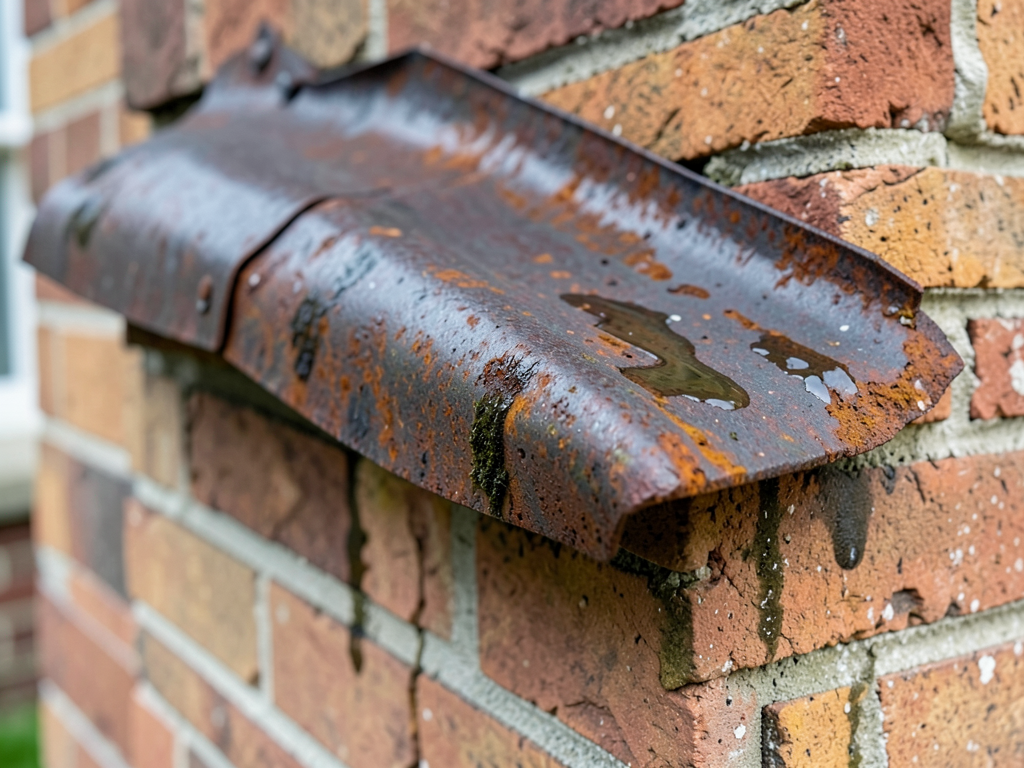
- Rusted or missing flashing around the chimney base
- Ponding water visible from the ground behind the chimney after rain
- Algae or moss growth on the chimney side—indicating constant moisture
Arlington homes in neighborhoods like Westover Park and Viridian often show these signs because many were built before the 30-inch code was strictly enforced. If your chimney is wider than 30 inches and you see any of these symptoms a cricket is not optional—it is the only fix that addresses the root cause.
The Installation Process: A Step-by-Step Technical Guide
Installing a cricket is not a quick patch job. It is a multi-step process that integrates with your existing roof structure: UL 2218 Class 4 hail impact ratings.
- Framing the sub-structure – Carpenters cut and frame a small A-frame from treated lumber matching the pitch of your main roof. On steep roofs (8:12 or greater) the cricket must be reinforced to handle higher water velocity.
- Sheathing and underlayment – OSB or plywood is fastened to the frame then covered with ice-and-water shield that extends at least 12 inches up the chimney wall. In Dallas where summer heat can exceed 100°F synthetic underlayment is preferred to prevent adhesive failure.
- Flashing integration – Step flashing is woven into the cricket’s shingles on the sides while counter-flashing is mortared or cut into the chimney brick above. This two-layer system is critical; a single layer will leak within a year.
- Roofing material installation – Shingles metal or TPO are installed to match the main roof. The cricket’s peak is often covered with a different color or texture to make it visible for future inspections.
Professional installation typically takes one to two days depending on roof pitch and material. A poorly built cricket—or one installed without proper flashing—can actually make leaks worse by creating a new water trap.
Arlington Building Codes and Roof Drainage Requirements
The 30-inch rule in IRC R903.2.2 is the baseline but Dallas Area Rapid Transit (DART) and some HOAs in Arlington require even wider crickets for aesthetic consistency. The City of Arlington enforces the International Building Code which adopts the IRC standards. During a roof replacement code compliance is verified by the city inspector before the final payment is released. City of Arlington building code adoptions.
North Texas weather adds another layer of complexity. Hail impact ratings (UL 2218 Class 4) and high wind zones (130+ mph) mean the cricket’s flashing must be secured with extra fasteners and sealed with roofing-grade silicone. A cricket that meets code in Ohio might fail in Arlington’s first spring storm. The Benefits of TPO Roofing Systems for Richardson Industrial Properties.
Cost Factors for Cricket Installation in North Texas
Pricing a cricket installation depends on several variables:
| Factor | Impact on Cost | Typical Range in DFW |
|---|---|---|
| Chimney width | Wider = more materials + framing | $300-$800 |
| Roof pitch | Steeper = harder labor more safety gear | $200-$500 |
| Material choice | Metal or TPO vs. shingle | $150-$600 |
| Accessibility | Multiple stories or tight landscaping | $100-$400 |
| Code compliance upgrades | Extra fasteners sealants inspections | $100-$300 |
Homeowners in Viridian or Mansfield often pay toward the higher end because those communities require architectural review and use premium materials to match brick and roof color. A basic cricket installation in a standard Arlington ranch might start around $1200 while a custom metal cricket on a steep two-story home can exceed $3500. Deciding if a Metal Roof is the Right Choice for Your North Dallas Home.
Why Skipping a Cricket Costs More Long-Term
Ignoring the need for a cricket is a classic case of “pay me now or pay me later.” Water that pools behind a chimney will eventually find its way into your attic. Once there it can:
- Rot roof decking requiring a full deck replacement
- Damage insulation reducing energy efficiency
- Promote mold growth creating health hazards
- Stain interior walls and ceilings needing drywall repair
- Corrode electrical wiring creating fire risk
In Arlington’s humid climate mold can begin growing within 24-48 hours of a leak. By the time you see a stain on your ceiling the damage above it is often extensive. A $1500 cricket installation can prevent a $10000+ repair bill down the road.
Material Options for Your Roof Cricket
The cricket itself can be built from several materials each with trade-offs:
| Material | Pros | Cons | Best For |
|---|---|---|---|
| Pressure-treated lumber | Low cost easy to work with | Requires maintenance can warp | Standard shingle roofs |
| Galvanized steel | Durable fire-resistant | Higher cost may dent in hail | Hail-prone areas |
| Aluminum | Lightweight corrosion-resistant | Soft prone to impact damage | Coastal or humid climates |
| TPO membrane | Seamless energy-efficient | Requires heat welding specialized labor | Flat or low-slope roofs |
In Arlington many roofers recommend galvanized steel or architectural shingles for crickets because they hold up to the region’s temperature swings and UV exposure. TPO is less common on steep roofs but works well for modern flat-roof designs in newer subdivisions.
Preventing Future Issues with Your Cricket
Once installed a cricket still needs occasional maintenance. Twice a year—spring and fall—inspect the cricket for:
- Cracked or missing sealant at the chimney joint
- Loose or lifted shingles on the cricket surface
- Accumulated debris (leaves twigs even tennis balls)
- Visible sagging or warping of the structure
Arlington’s mature trees drop a lot of debris in autumn so a quick cleaning with a leaf blower can prevent water from backing up. If you notice any of these issues call a professional before the next storm. A small repair now costs far less than a full chimney rebuild later.
Frequently Asked Questions
Does every chimney need a cricket?
No. Only chimneys wider than 30 inches that intersect the roof slope require one by code. Smaller chimneys may still benefit from a cricket if they are in a low area or if the homeowner experiences recurring leaks.
Can I install a cricket myself?
It is possible for experienced DIYers but it is not recommended. Cricket installation requires precise framing flashing integration and code compliance. Mistakes can worsen leaks or void your roof warranty.
How long does a cricket last?
A properly installed cricket should last as long as your roof—20 to 30 years for asphalt shingles longer for metal or TPO. The flashing and sealant may need replacement every 10-15 years in North Texas’s harsh climate. How Much a Full Roof Replacement Really Costs in the Dallas Area.
Call (214) 204-2077 Today to Stop Chimney Leaks for Good
Water damage from a missing or failing cricket only gets worse with time. If you see stains on your ceiling rust on your flashing or ponding behind your chimney don’t wait for the next storm to make it worse. Call Grand Roofing Dallas at (214) 204-2077 for a free inspection. Our technicians will assess your chimney confirm code requirements and provide a clear upfront quote. Protect your home and your wallet—pick up the phone and call (214) 204-2077 before the next downpour hits. Why a Pre-Storm Roof Inspection is Vital for Every Lake Highlands Homeowner.
You may also find this helpful. Why the Dead Valleys on Your Highland Park Estate are Prone to Leaking.
{
“@context”: “https://schema.org”,
“@type”: “BlogPosting”,
“headline”: “Why Your Arlington Home Needs a Roof Cricket to Stop Constant Chimney Leaks”,
“description”: “Protect your Arlington home from chimney leaks with a roof cricket. Learn about installation, costs, and why this structure is essential for homes in 76002, 76006, and 76010.”,
“wordCount”: 1439,
“datePublished”: “2026-04-27T12:31:00.000Z”,
“dateModified”: “2026-04-27T12:31:00.000Z”,
“inLanguage”: “en-US”,
“mainEntityOfPage”: {
“@type”: “WebPage”,
“@id”: “https://grandroofingdallas.com”
},
“publisher”: {
“@type”: “LocalBusiness”,
“name”: “Grand Roofing Dallas”,
“url”: “https://grandroofingdallas.com”
},
“author”: {
“@type”: “Organization”,
“name”: “Grand Roofing Dallas”,
“url”: “https://grandroofingdallas.com”
},
“image”: {
“@type”: “ImageObject”,
“url”: “https://grandroofingdallas.com/wp-content/uploads/2026/03/why-your-arlington-home-needs-a-roof-cricket-to-st-1.png”
}
}
{
“@context”: “https://schema.org”,
“@type”: “RoofingContractor”,
“name”: “Grand Roofing Dallas”,
“url”: “https://grandroofingdallas.com”,
“address”: {
“@type”: “PostalAddress”,
“addressLocality”: “Dallas”
},
“areaServed”: {
“@type”: “City”,
“name”: “Dallas”
}
}
{
“@context”: “https://schema.org”,
“@type”: “FAQPage”,
“mainEntity”: [
{
“@type”: “Question”,
“name”: “What is a Roof Cricket and Why Does Your Arlington Home Need One?”,
“acceptedAnswer”: {
“@type”: “Answer”,
“text”: “A roof cricket—also called a saddle—is a small peaked structure built on the high side of a chimney to divert water and debris around it. Think of it as a miniature roof behind your chimney. Without one water hits the chimney wall and flows directly down into the flashing creating a constant leak point. In Arlington where many homes were built in the 1970s-80s with wide brick chimneys this is a common failure point.”
}
},
{
“@type”: “Question”,
“name”: “Does every chimney need a cricket?”,
“acceptedAnswer”: {
“@type”: “Answer”,
“text”: “No. Only chimneys wider than 30 inches that intersect the roof slope require one by code. Smaller chimneys may still benefit from a cricket if they are in a low area or if the homeowner experiences recurring leaks.”
}
},
{
“@type”: “Question”,
“name”: “Can I install a cricket myself?”,
“acceptedAnswer”: {
“@type”: “Answer”,
“text”: “It is possible for experienced DIYers but it is not recommended. Cricket installation requires precise framing flashing integration and code compliance. Mistakes can worsen leaks or void your roof warranty.”
}
},
{
“@type”: “Question”,
“name”: “How long does a cricket last?”,
“acceptedAnswer”: {
“@type”: “Answer”,
“text”: “A properly installed cricket should last as long as your roof—20 to 30 years for asphalt shingles longer for metal or TPO. The flashing and sealant may need replacement every 10-15 years in North Texas’s harsh climate. How Much a Full Roof Replacement Really Costs in the Dallas Area.”
}
}
]
}
{
“@context”: “https://schema.org”,
“@type”: “BreadcrumbList”,
“itemListElement”: [
{
“@type”: “ListItem”,
“position”: 1,
“name”: “Home”,
“item”: “https://grandroofingdallas.com”
},
{
“@type”: “ListItem”,
“position”: 2,
“name”: “Blog”,
“item”: “https://grandroofingdallas.com/blog”
},
{
“@type”: “ListItem”,
“position”: 3,
“name”: “Why Your Arlington Home Needs a Roof Cricket to Stop Constant Chimney Leaks”
}
]
}
{
“@context”: “https://schema.org”,
“@type”: “Service”,
“serviceType”: “Roofing”,
“provider”: {
“@type”: “LocalBusiness”,
“name”: “Grand Roofing Dallas”,
“url”: “https://grandroofingdallas.com”
},
“areaServed”: {
“@type”: “City”,
“name”: “Dallas”
},
“description”: “Protect your Arlington home from chimney leaks with a roof cricket. Learn about installation, costs, and why this structure is essential for homes in 76002, 76006, and 76010.”
}