
Solving Leak Problems Where Your Flat Addition Meets Your Sloped Roof
The most frustrating roof leaks in Dallas homes often happen where two different roof systems meet. You see water stains on your ceiling after a heavy storm, but the source remains hidden. This happens because the transition point between your main sloped roof and flat addition creates a vulnerable zone where water, heat, and structural movement converge. Choosing Between the Most Trusted Roofing Companies in the Dallas Metroplex.
Understanding this specific leak problem requires knowing how Dallas homes are built. Many properties in neighborhoods like North Dallas and Far North Dallas feature a traditional gable or hip roof with a later flat-roof addition for a garage, sunroom, or master suite. This creates a complex intersection where asphalt shingles meet TPO or modified bitumen membranes.
The good news is that these leaks follow predictable patterns. Once you understand the mechanics behind them, you can either fix them yourself or know exactly what to tell a professional roofer. This guide covers everything from identifying the leak source to choosing the right repair method for your specific situation. EPA Roofing Resources.
Why the Pitch Transition is Your Roof’s Weakest Point
Water always flows downhill, but at a pitch transition, it encounters multiple obstacles. The sloped section sends water toward the flat section, but the flat section cannot drain as quickly. This creates a hydraulic dam effect where water backs up and finds the path of least resistance.
North Texas weather makes this problem worse. Dallas experiences extreme temperature swings that cause roofing materials to expand and contract at different rates. Your shingles might move one-eighth inch while your flat membrane moves three-eighths inch. This differential movement breaks down the sealant and flashing that should keep water out. Texas Department of Transportation.
Another factor is capillary action. Water can actually be drawn upward through tiny gaps between materials through surface tension. This means a properly installed flashing can still leak if the materials are incompatible or if the gap is too small.. Read more about Why Squirrels are Chewing Your Lead Pipe Boot Flashing in Richardson.
Common leak patterns include water traveling along rafters before dripping through ceiling drywall, or moisture accumulating in wall cavities and causing mold growth months before you see visible stains. These hidden leaks can cause thousands of dollars in damage before homeowners notice anything wrong.
Call (214) 204-2077 today to schedule your inspection before the next storm hits.
Common Causes of Transition Leaks (The ‘Dead Valley’ Problem)
Flashing Failures and Improper Tie-ins
The most common cause of leaks at roof transitions is flashing failure. Flashing is the metal or membrane material that bridges the gap between different roofing surfaces. When installed incorrectly, it creates channels that direct water into your home rather than away from it. Deciding if a Metal Roof is the Right Choice for Your North Dallas Home.
Step flashing should overlap like fish scales, with each piece directing water onto the one below it. Counter flashing goes over the step flashing and extends into the flat roof membrane. When these pieces are missing, damaged, or installed backward, water finds its way underneath.
Many Dallas homes have what roofers call a ‘dead valley’ where water pools rather than drains. This happens when the transition creates a low spot that cannot shed water effectively. Standing water eventually finds its way through even the smallest imperfections in your roofing system. The Benefits of TPO Roofing Systems for Richardson Industrial Properties.
Improper tie-ins occur when the flat roof membrane does not extend far enough up the sloped roof wall. Building codes require at least 12 inches of overlap, but many older homes have only 6 inches or less. This leaves the most vulnerable area exposed to wind-driven rain.
Thermal Expansion and North Texas Heat Damage
Dallas summers routinely exceed 100 degrees Fahrenheit. This extreme heat causes roofing materials to expand significantly. Metal flashings can expand up to 0.5% of their length, while TPO membranes might expand 2-3% under the same conditions.. Read more about The Best Roofing Options for New Backyard ADUs in the Bishop Arts District.
When temperatures drop at night or during a storm, these materials contract just as dramatically. This constant expansion and contraction cycle creates stress points at transition areas. Sealants crack, fasteners back out, and the physical connection between materials breaks down.
UV radiation in North Texas is particularly intense due to our latitude and elevation. This accelerates the degradation of rubberized sealants and causes TPO membranes to become brittle over time. Once these materials lose their flexibility, they cannot accommodate the thermal movement that occurs daily.
Moisture also plays a role in thermal damage. When water gets behind flashing or under membranes, it expands when frozen during rare cold snaps. This freeze-thaw cycle can literally blow apart roofing assemblies from the inside out.. Read more about Why Low-Slope Roofing Needs Different Materials Than Your Main Oak Cliff Home.
Step-by-Step Diagnostic: How to Spot the Leak Source
- Exterior Visual Inspection
Start by examining the roof transition from the ground using binoculars. Look for missing or damaged flashing, gaps where materials meet, and signs of previous repairs. Pay special attention to areas where the flat roof meets walls or chimneys.
- Interior Water Stain Mapping
Trace water stains on your ceiling back to their highest point. Water often travels along rafters or pipes before dripping, so the actual leak entry point may be several feet away from where you see the stain. Mark these locations with painter’s tape.
- Moisture Meter Testing
Use a moisture meter to check wall cavities near the transition area. High readings indicate active leaks even if you don’t see visible water. Test at multiple depths to determine if moisture is spreading horizontally through insulation.
- Garden Hose Test
With a helper inside, spray water on different sections of the transition area for 15-20 minutes each. This controlled test can reveal leaks that only appear under sustained water exposure. Start at the lowest point and work upward.
- Flashing Integrity Check
Physically inspect all flashing for signs of separation, rust, or damage. Gently try to lift edges with a putty knife. If flashing moves or shows gaps, it needs replacement. Check for proper overlap and sealant condition. How Much a Full Roof Replacement Really Costs in the Dallas Area.
During your inspection, pay attention to the smell of your attic. Musty odors indicate active moisture problems even if you don’t see water. The feel of your ceiling drywall can also tell you a lot. Soft spots or areas that sound hollow when tapped often indicate water damage underneath. Why a Pre-Storm Roof Inspection is Vital for Every Lake Highlands Homeowner.
Look for signs of previous repairs. Patches of different colored shingles, new sealant around flashing, or areas where the flat roof membrane looks newer than the rest can indicate recurring problems. These ‘band-aid’ fixes often fail because they don’t address the underlying issue.
Document everything with photos and notes. This information helps professionals diagnose the problem more quickly and accurately. It also prevents you from being told you need a complete roof replacement when a simple flashing repair would solve the issue.
Professional Repair Methods for Dallas Homeowners
TPO and Modified Bitumen Tie-in Solutions
For modern flat roof additions, TPO (Thermoplastic Polyolefin) membranes have become the standard in Dallas due to their heat reflectivity and durability. When tying TPO to a sloped shingle roof, the key is creating a watertight termination that accommodates movement.. Read more about Creating a Dry Outdoor Space Under Your Elevated Trophy Club Deck and Roof.
The proper method involves installing a termination bar along the sloped roof edge where the TPO meets the shingles. This aluminum bar screws through both the TPO and the shingle underlayment, creating a mechanical connection that won’t fail from sealant degradation alone.
Before installing the TPO, roofers should apply a peel-and-stick ice and water shield up the sloped roof wall at least 24 inches. This self-adhering membrane creates a secondary barrier against water infiltration and bonds directly to the wood deck, preventing capillary action.
The TPO membrane itself should extend at least 12 inches up the sloped roof surface and be mechanically fastened with screws and plates rather than relying solely on adhesive. This allows for thermal movement while maintaining a watertight seal.
Modified bitumen systems use a similar approach but require torch application for proper adhesion. The modified bitumen cap sheet should be mopped with hot asphalt up the sloped surface, creating a monolithic barrier that won’t separate under stress.
Don’t wait for the next storm to make your leak worse. Call (214) 204-2077 for professional diagnosis and repair.
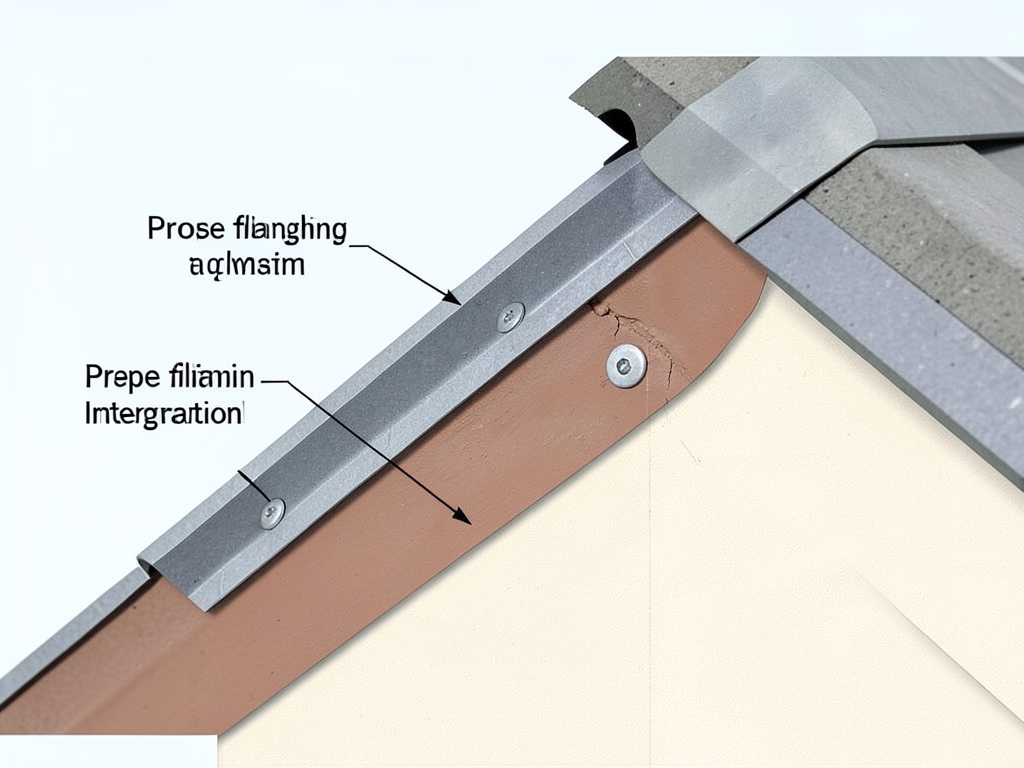
Shingle-to-Flat Roof Integration Techniques
When your sloped section has asphalt shingles, the integration becomes more complex due to the different material properties. Shingles cannot be directly adhered to flat membranes, so a transition strip is required.
The best approach uses a combination of step flashing and membrane overlap. Install step flashing under each course of shingles, with each piece extending onto the flat roof surface. Then apply a strip of modified bitumen or TPO over the step flashing, creating a double-layered barrier.
For added protection, install a cant strip along the flat roof edge where it meets the sloped section. This 45-degree angled strip prevents the membrane from bridging directly across the 90-degree angle, which can cause stress points and eventual failure.
Sealant selection is critical in Dallas’s climate. Use polyurethane sealants rather than silicone or acrylic products, as polyurethane maintains flexibility in extreme temperatures and bonds well to both asphalt and TPO surfaces.
The final layer should be a termination bar or metal edge that mechanically fastens the entire assembly. This prevents wind uplift and provides a clean aesthetic finish while ensuring the system remains watertight for its intended lifespan.
Cost Factors for Transition Leak Repair in DFW
Repair costs for roof transition leaks vary significantly based on the extent of damage and repair method chosen. Simple flashing repairs might cost $500-1,000, while complete transition reconstruction can exceed $5,000.
Accessibility affects pricing dramatically. Steep roofs or transitions requiring special equipment will increase labor costs. Roof height, pitch, and surrounding obstacles all factor into the final quote.
Material costs have risen steadily in recent years due to supply chain issues and increased demand following major storm events. TPO membrane prices increased approximately 15% between 2023 and 2025, while metal flashing costs rose about 8% during the same period.
Emergency repairs during storm season typically cost 20-30% more than scheduled repairs due to the urgency and increased demand for roofing services. Planning repairs during off-peak seasons can result in significant savings.
Insurance coverage varies widely. Some policies cover transition leaks if caused by storm damage, while others consider them maintenance issues. Document all damage with photos and keep repair estimates to support any insurance claims.
When to Repair vs. When to Replace Your Flat Roof Section
Not every transition leak requires a complete roof replacement. Small, isolated leaks in relatively new roofing systems often respond well to targeted repairs. However, certain conditions indicate replacement is the more cost-effective long-term solution.
Age is the primary factor. Most flat roof systems in Dallas last 15-20 years under normal conditions. If your flat addition is approaching or exceeding this age, repairs become less cost-effective as multiple failure points develop simultaneously.
Multiple leak locations suggest systemic problems rather than isolated damage. If you have leaks in different areas of your flat roof, especially near the transition, the entire membrane may be reaching the end of its useful life.
Structural issues also drive replacement decisions. If your flat roof shows signs of sagging, ponding water that doesn’t drain within 48 hours, or damaged decking, repairs to the surface won’t solve the underlying problems.
Energy efficiency considerations matter in Dallas’s climate. Older flat roof systems often lack proper insulation or reflective properties. Replacing an aging system with modern TPO or modified bitumen can reduce cooling costs by 15-25% annually.
Building code changes may require replacement even if your roof is structurally sound. Dallas updated its roofing codes in 2023 to require higher wind ratings and better insulation values for new installations.
Preventing Future Transition Leaks
Prevention starts with proper initial installation. If you’re building a new addition or replacing your roof, ensure your contractor understands the complexities of roof transitions. Ask about their experience with similar projects and request references from past clients.
Regular maintenance prevents minor issues from becoming major problems. Schedule professional inspections twice yearly, ideally in spring and fall. These inspections should include the transition area and use moisture detection equipment to find problems before they cause visible damage.
Keep gutters and downspouts clean and functional. Clogged drainage systems cause water to back up under flashing and into your home. In Dallas, this is especially important during spring storm season when debris accumulates quickly.
Trim trees near your roof to prevent branches from rubbing against flashing and creating wear points. Also, remove leaves and pine needles that can trap moisture against roofing materials and accelerate deterioration.
Consider applying reflective roof coatings every 5-7 years. These coatings protect against UV damage, reduce heat absorption, and can extend the life of your roofing system by 3-5 years in Dallas’s harsh climate.
Frequently Asked Questions
How long does a typical roof transition repair take?
Most transition repairs take 1-3 days depending on weather conditions and the extent of damage. Simple flashing repairs might be completed in a single day, while complete transition reconstruction could require multiple days for proper curing and inspection.
Will my homeowner’s insurance cover transition leak repairs?
Coverage depends on the cause of the leak. Storm damage is typically covered, while wear and tear from age or poor maintenance usually isn’t. Document all damage and consult your policy or insurance agent for specific coverage details.
Can I repair a roof transition leak myself?
Minor sealant repairs might be DIY-appropriate, but most transition leaks require professional expertise. Improper repairs can make leaks worse or void roofing warranties. Working on roofs also poses serious safety risks that professionals are trained to manage.
How much does it cost to repair a roof transition leak?
Costs range from $500 for simple flashing repairs to $5,000+ for complete transition reconstruction. Factors affecting price include roof accessibility, materials needed, and whether underlying damage requires repair. Get multiple estimates before proceeding with major repairs.
How can I tell if my transition leak is getting worse?
Warning signs include increasing water stain size, new stains appearing, musty odors in your home, or visible mold growth. Also watch for higher energy bills, which can indicate compromised insulation from moisture damage. Address any new signs immediately to prevent extensive damage.

Take Action Before Your Next Dallas Storm
Roof transition leaks won’t fix themselves. Each storm season in Dallas brings the risk of turning a small problem into a major disaster. Water damage, mold growth, and structural issues compound quickly once moisture finds its way inside your home.
The diagnostic process outlined in this guide helps you understand what’s happening, but professional expertise ensures the repair lasts. Our team has solved hundreds of transition leak problems throughout the Dallas-Fort Worth area, from North Dallas to Far North Dallas.
Don’t let another storm season pass with a ticking time bomb on your roof. Call (214) 204-2077 today to schedule your professional inspection. We’ll identify the exact cause of your leak, explain your repair options in plain language, and provide a written estimate with no pressure or hidden fees.
Your home deserves the protection of a properly functioning roof. Pick up the phone and call (214) 204-2077 before the next storm hits. Your ceiling stains are trying to tell you something important – listen before the message becomes much more expensive.
You may also find this helpful. Why the Dead Valleys on Your Highland Park Estate are Prone to Leaking.
{
“@context”: “https://schema.org”,
“@type”: “BlogPosting”,
“headline”: “Solving Leak Problems Where Your Flat Addition Meets Your Sloped Roof”,
“description”: “Struggling with leaks where your flat addition meets your sloped roof? Learn the common causes, diagnostic steps, and professional repair solutions specific to Dallas homes.”,
“wordCount”: 2575,
“datePublished”: “2026-05-13T07:44:00.000Z”,
“dateModified”: “2026-05-13T07:44:00.000Z”,
“inLanguage”: “en-US”,
“mainEntityOfPage”: {
“@type”: “WebPage”,
“@id”: “https://grandroofingdallas.com”
},
“publisher”: {
“@type”: “LocalBusiness”,
“name”: “Grand Roofing Dallas”,
“url”: “https://grandroofingdallas.com”
},
“author”: {
“@type”: “Organization”,
“name”: “Grand Roofing Dallas”,
“url”: “https://grandroofingdallas.com”
},
“image”: {
“@type”: “ImageObject”,
“url”: “https://grandroofingdallas.com/wp-content/uploads/2026/03/solving-leak-problems-where-your-flat-addition-mee-1.png”
}
}
{
“@context”: “https://schema.org”,
“@type”: “RoofingContractor”,
“name”: “Grand Roofing Dallas”,
“url”: “https://grandroofingdallas.com”,
“address”: {
“@type”: “PostalAddress”,
“addressLocality”: “Dallas”
},
“areaServed”: {
“@type”: “City”,
“name”: “Dallas”
}
}
{
“@context”: “https://schema.org”,
“@type”: “FAQPage”,
“mainEntity”: [
{
“@type”: “Question”,
“name”: “How long does a typical roof transition repair take?”,
“acceptedAnswer”: {
“@type”: “Answer”,
“text”: “Most transition repairs take 1-3 days depending on weather conditions and the extent of damage. Simple flashing repairs might be completed in a single day, while complete transition reconstruction could require multiple days for proper curing and inspection.”
}
},
{
“@type”: “Question”,
“name”: “Will my homeowner’s insurance cover transition leak repairs?”,
“acceptedAnswer”: {
“@type”: “Answer”,
“text”: “Coverage depends on the cause of the leak. Storm damage is typically covered, while wear and tear from age or poor maintenance usually isn’t. Document all damage and consult your policy or insurance agent for specific coverage details.”
}
},
{
“@type”: “Question”,
“name”: “Can I repair a roof transition leak myself?”,
“acceptedAnswer”: {
“@type”: “Answer”,
“text”: “Minor sealant repairs might be DIY-appropriate, but most transition leaks require professional expertise. Improper repairs can make leaks worse or void roofing warranties. Working on roofs also poses serious safety risks that professionals are trained to manage.”
}
},
{
“@type”: “Question”,
“name”: “How much does it cost to repair a roof transition leak?”,
“acceptedAnswer”: {
“@type”: “Answer”,
“text”: “Costs range from $500 for simple flashing repairs to $5,000+ for complete transition reconstruction. Factors affecting price include roof accessibility, materials needed, and whether underlying damage requires repair. Get multiple estimates before proceeding with major repairs.”
}
},
{
“@type”: “Question”,
“name”: “How can I tell if my transition leak is getting worse?”,
“acceptedAnswer”: {
“@type”: “Answer”,
“text”: “Warning signs include increasing water stain size, new stains appearing, musty odors in your home, or visible mold growth. Also watch for higher energy bills, which can indicate compromised insulation from moisture damage. Address any new signs immediately to prevent extensive damage.”
}
}
]
}
{
“@context”: “https://schema.org”,
“@type”: “HowTo”,
“name”: “How to Diagnose Roof Transition Leaks”,
“step”: [
{
“@type”: “HowToStep”,
“position”: 1,
“name”: “Exterior Visual Inspection”,
“text”: “Start by examining the roof transition from the ground using binoculars. Look for missing or damaged flashing, gaps where materials meet, and signs of previous repairs. Pay special attention to areas where the flat roof meets walls or chimneys.”
},
{
“@type”: “HowToStep”,
“position”: 2,
“name”: “Interior Water Stain Mapping”,
“text”: “Trace water stains on your ceiling back to their highest point. Water often travels along rafters or pipes before dripping, so the actual leak entry point may be several feet away from where you see the stain. Mark these locations with painter’s tape.”
},
{
“@type”: “HowToStep”,
“position”: 3,
“name”: “Moisture Meter Testing”,
“text”: “Use a moisture meter to check wall cavities near the transition area. High readings indicate active leaks even if you don’t see visible water. Test at multiple depths to determine if moisture is spreading horizontally through insulation.”
},
{
“@type”: “HowToStep”,
“position”: 4,
“name”: “Garden Hose Test”,
“text”: “With a helper inside, spray water on different sections of the transition area for 15-20 minutes each. This controlled test can reveal leaks that only appear under sustained water exposure. Start at the lowest point and work upward.”
},
{
“@type”: “HowToStep”,
“position”: 5,
“name”: “Flashing Integrity Check”,
“text”: “Physically inspect all flashing for signs of separation, rust, or damage. Gently try to lift edges with a putty knife. If flashing moves or shows gaps, it needs replacement. Check for proper overlap and sealant condition. How Much a Full Roof Replacement Really Costs in the Dallas Area.”
}
],
“image”: “https://grandroofingdallas.com/wp-content/uploads/2026/03/solving-leak-problems-where-your-flat-addition-mee-1.png”
}
{
“@context”: “https://schema.org”,
“@type”: “BreadcrumbList”,
“itemListElement”: [
{
“@type”: “ListItem”,
“position”: 1,
“name”: “Home”,
“item”: “https://grandroofingdallas.com”
},
{
“@type”: “ListItem”,
“position”: 2,
“name”: “Blog”,
“item”: “https://grandroofingdallas.com/blog”
},
{
“@type”: “ListItem”,
“position”: 3,
“name”: “Solving Leak Problems Where Your Flat Addition Meets Your Sloped Roof”
}
]
}
{
“@context”: “https://schema.org”,
“@type”: “Service”,
“serviceType”: “Roofing”,
“provider”: {
“@type”: “LocalBusiness”,
“name”: “Grand Roofing Dallas”,
“url”: “https://grandroofingdallas.com”
},
“areaServed”: {
“@type”: “City”,
“name”: “Dallas”
},
“description”: “Struggling with leaks where your flat addition meets your sloped roof? Learn the common causes, diagnostic steps, and professional repair solutions specific to Dallas homes.”
}