Choosing the Right Roof Color to Fight the Little Elm Heat
The Texas sun beats down on Little Elm with an intensity that drives summer energy bills through the roof. Choosing the right roof color isn’t just about curb appeal—it’s a critical decision that affects your home’s temperature, your comfort, and your monthly utility costs. In North Texas, where summer temperatures regularly exceed 100°F, the color you select can make a measurable difference in how much heat your home absorbs. Energy Star roofing requirements.
Light-colored roofs reflect more solar radiation, keeping attic temperatures lower and reducing the workload on your air conditioning system. Dark roofs absorb heat, which can be beneficial in winter but creates a significant cooling challenge during Little Elm’s long, hot summers. The science is straightforward: a white roof can be up to 50°F cooler than a black roof under direct sunlight, and that temperature difference translates directly to energy savings. Cool Roof Rating Council.
Beyond simple color choice, modern cool roofing technology offers options that maintain darker aesthetics while providing high solar reflectance. These advanced shingles use special granules and reflective coatings to bounce heat away without sacrificing the rich, traditional look many homeowners prefer. Understanding these options helps you make an informed decision that balances beauty, performance, and energy efficiency for your specific Little Elm home. The Benefits of TPO Roofing Systems for Richardson Industrial Properties.
Understanding the Science Behind Cool Roofing
Solar reflectance and thermal emittance work together to determine how much heat your roof absorbs or releases. Solar reflectance measures the percentage of sunlight reflected away, while thermal emittance measures how efficiently the roof releases absorbed heat. Together, these properties are captured in the Solar Reflectance Index (SRI), a single number that predicts how hot a roof will get in the sun.
High-SRI materials can reduce roof surface temperatures by 50-60°F compared to standard dark roofing. This temperature reduction directly impacts your attic space, where every degree cooler means less heat transfer into your living areas. In Little Elm’s climate, where cooling season extends from April through October, this can translate to substantial energy savings over the life of your roof. Roofing Balch Springs.
The Cool Roof Rating Council (CRRC) provides third-party testing and certification for roofing products, ensuring that manufacturers’ claims about reflectivity and emissivity are accurate. When selecting materials, look for CRRC-rated products that meet or exceed Energy Star requirements for your climate zone. These products have demonstrated performance in real-world conditions similar to what your Little Elm home will experience.
Call (214) 204-2077 today to schedule your free energy efficiency consultation and learn which roof colors qualify for local utility rebates.
Top Roof Colors for North Texas Heat Performance
Light colors dominate the cool roofing category, but not all light colors perform equally. White and near-white options offer the highest solar reflectance, often achieving SRI values above 80. However, these bright colors may not suit every architectural style or neighborhood aesthetic. Fortunately, several mid-tone options provide excellent performance while maintaining broader appeal.
Beige and light tan colors strike a balance between performance and traditional appearance. These colors typically achieve SRI values in the 40-60 range, reflecting enough heat to make a noticeable difference in cooling costs while blending naturally with the Texas landscape. Sandstone and desert tan variations work particularly well on brick homes common in Little Elm subdivisions. Choosing Between the Most Trusted Roofing Companies in the Dallas Metroplex.
Light gray and silver options offer another excellent compromise. These colors achieve SRI values of 50-70 and work well on contemporary and transitional home designs. Silver birch and light pewter colors provide the cool roof benefits while maintaining a sophisticated, modern appearance that complements many Little Elm home styles.
| Roof Color | Typical SRI Value | Estimated Temperature Reduction | Best Home Styles |
|---|---|---|---|
| White/Off-White | 80-90 | 50-60°F | Modern, Contemporary |
| Light Tan/Sandstone | 45-60 | 30-40°F | Traditional, Ranch, Brick |
| Light Gray/Silver | 50-70 | 35-45°F | Contemporary, Transitional |
| Weathered Wood | 25-35 | 15-25°F | Rustic, Craftsman |
| Charcoal Gray | 20-30 | 10-20°F | Modern, Industrial |
Material Considerations Beyond Color
The roofing material itself significantly impacts heat performance, sometimes outweighing color choice. Metal roofing naturally reflects more heat than asphalt shingles, regardless of color. A light-colored metal roof can achieve SRI values exceeding 70, while even white asphalt shingles typically max out around 50-60. This material difference becomes crucial when you’re trying to maximize energy efficiency. Deciding if a Metal Roof is the Right Choice for Your North Dallas Home.
Asphalt shingles have improved dramatically in recent years with cool roof technology. Modern architectural shingles use reflective granules that bounce infrared radiation away while maintaining rich, saturated colors. These products can achieve SRI values 20-30 points higher than traditional shingles of the same color, making them a viable option for homeowners who prefer the classic asphalt look.
TPO (thermoplastic polyolefin) and PVC roofing membranes offer excellent cool roof performance for flat or low-slope applications common on commercial buildings and some modern homes. These single-ply membranes come in white or light gray and achieve SRI values above 80. They’re particularly effective in Little Elm’s heat because they reflect both visible light and infrared radiation that traditional materials absorb.
<img decoding="async" src="

” alt=”Thermal imaging comparison showing temperature differences between light and dark roof colors on a Texas home” />. Read more about The Difference Between Ridge Vents and Traditional Attic Fans for Farmers Branch Homes.
Energy Savings Potential in Little Elm
Homeowners switching from dark to light-colored cool roofs typically see 10-15% reductions in cooling costs during peak summer months. In Little Elm, where air conditioning can account for 60-70% of summer electricity usage, this translates to substantial savings. A typical 2,000-square-foot home might save $30-50 per month during the hottest months, adding up to $200-400 annually.
The savings calculation depends on several factors unique to your situation. Roof orientation affects performance—south and west-facing slopes receive more direct sunlight and benefit more from cool roofing. Attic insulation quality also matters; a well-insulated attic amplifies the benefits of a cool roof by reducing heat transfer into living spaces.. Read more about Why New Insulation is Just as Important as Your New Sunnyvale Roof.
Oncor Electric Delivery, the utility serving Little Elm, offers residential energy efficiency rebates that can offset part of your cool roof investment. These programs typically provide $0.20-0.30 per square foot for qualifying cool roof installations. Combined with federal energy tax credits and long-term utility savings, the financial case for cool roofing becomes compelling for many Little Elm homeowners.
Navigating Little Elm HOA Requirements
Little Elm homeowners associations often have specific guidelines about roof colors and materials that can limit your cool roof options. Many HOAs require color approval before installation and may restrict extremely light colors or non-traditional materials. Understanding these requirements early in your planning process prevents costly mistakes and ensures your project moves forward smoothly.
Some Little Elm subdivisions have adopted more flexible guidelines recognizing the benefits of energy-efficient roofing. These progressive HOAs may allow cool roof options that were previously prohibited, especially when homeowners can demonstrate energy savings and environmental benefits. Always check your specific HOA covenants before finalizing your roof color selection.
When working with an HOA, documentation becomes crucial. Request written approval for your selected color and material, and keep copies of all correspondence. Some homeowners find success by presenting energy savings calculations and cool roof certifications to their HOA boards, making a business case for approving energy-efficient options that benefit the entire community.
<img decoding="async" src="
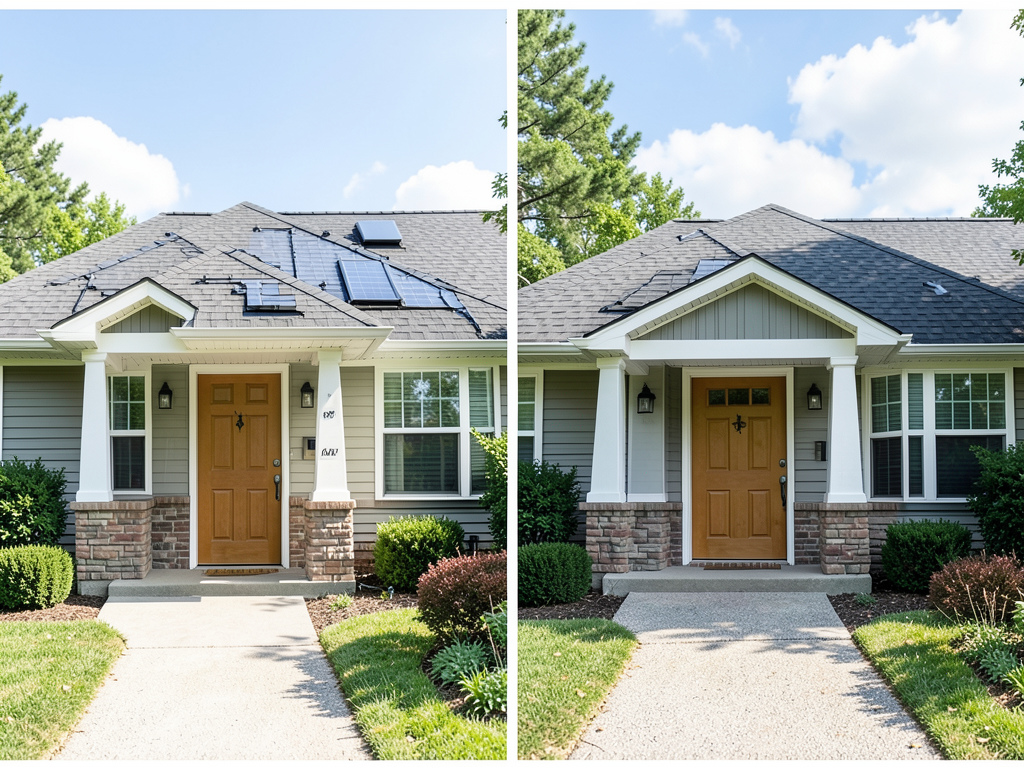
” alt=”Before and after photos of a Little Elm home with cool roof installation showing improved appearance and energy efficiency” />
Installation and Long-Term Performance
Proper installation significantly impacts cool roof performance. Even the best cool roofing materials won’t achieve their rated performance if installed incorrectly. Key factors include proper underlayment selection, adequate attic ventilation, and correct fastening patterns. In Little Elm’s climate, where summer heat is intense and storms can be severe, installation quality becomes even more critical.
Attic ventilation works hand-in-hand with cool roofing to maximize energy efficiency. A cool roof reduces heat absorption at the source, while proper ventilation removes any heat that does accumulate in the attic space. This combination can reduce attic temperatures by 30-40°F compared to a standard dark roof on a poorly ventilated attic.
Long-term performance depends on material quality and maintenance. Cool roof granules can wear over time, reducing reflectivity. Most manufacturers warranty their cool roof products for 20-30 years, but actual performance may gradually decline. Annual inspections help identify issues early, and some manufacturers offer cleaning services that can restore some lost reflectivity to aging cool roofs. Why a Pre-Storm Roof Inspection is Vital for Every Lake Highlands Homeowner.
Making Your Final Decision
Choosing the right roof color for your Little Elm home requires balancing multiple factors: energy efficiency, aesthetic preferences, HOA requirements, and budget constraints. Start by assessing your priorities—if energy savings are your primary goal, focus on high-SRI options regardless of color. If aesthetics matter more, explore the cool roof technology options that achieve better performance within your preferred color family.
Consider your home’s architecture and surroundings when making your final selection. A historic home might benefit from traditional colors with cool roof technology, while a modern design could showcase bold, high-performance options. The right choice enhances your home’s appearance while providing the energy efficiency benefits that make cool roofing worthwhile in North Texas.
Professional guidance can help you navigate these decisions effectively. A qualified roofing contractor familiar with Little Elm’s climate and building requirements can provide specific recommendations based on your home’s characteristics, your energy usage patterns, and your aesthetic preferences. This expertise ensures you select a roof that performs well and looks great for decades to come.
Ready to beat the Little Elm heat with a cool roof that saves money and looks great? Call (214) 204-2077 now to schedule your free consultation and get expert recommendations tailored to your home.
Frequently Asked Questions
How much can I really save with a cool roof in Little Elm?
Most Little Elm homeowners see 10-15% reductions in cooling costs, which typically translates to $200-400 in annual savings for a typical home. The exact savings depend on your home’s size, orientation, insulation quality, and local electricity rates.
Will a light-colored roof make my home too cold in winter?
In North Texas, the cooling benefits of a cool roof far outweigh any minor winter heating penalty. Little Elm’s mild winters mean you’ll still benefit from heat gain on sunny days, and the energy savings during our long, hot cooling season more than compensate for any small winter increase.
Do cool roofs qualify for any rebates or tax credits?
Yes, many cool roofing products qualify for federal energy tax credits, local utility rebates through Oncor, and sometimes additional incentives through your HOA or municipality. A qualified contractor can help you identify which rebates apply to your specific project.
How do I know if my HOA will approve a cool roof color?
Review your HOA’s architectural guidelines carefully, then consult with a local roofing professional who understands Little Elm HOA requirements. Many contractors have experience getting cool roof approvals and can help you select colors that meet both energy efficiency goals and HOA standards.
What’s the difference between cool roof shingles and regular shingles?
Cool roof shingles use special reflective granules and sometimes different asphalt formulations to achieve higher solar reflectance. They look similar to regular shingles but can be 20-30 degrees cooler on the roof surface, leading to better energy performance without changing your home’s appearance significantly.
You may also find this helpful. Should You Choose Composite or Standard Asphalt Shingles for Your Grapevine Home?.
{
“@context”: “https://schema.org”,
“@type”: “BlogPosting”,
“headline”: “Choosing the Right Roof Color to Fight the Little Elm Heat”,
“description”: “Discover how roof color impacts energy costs in Little Elm’s scorching Texas heat. Learn about cool roofing science, HOA considerations, and the best colors for North Texas homes.”,
“wordCount”: 1883,
“datePublished”: “2026-03-13T11:57:00.000Z”,
“dateModified”: “2026-03-13T11:57:00.000Z”,
“inLanguage”: “en-US”,
“mainEntityOfPage”: {
“@type”: “WebPage”,
“@id”: “https://grandroofingdallas.com”
},
“publisher”: {
“@type”: “LocalBusiness”,
“name”: “Grand Roofing Dallas”,
“url”: “https://grandroofingdallas.com”
},
“author”: {
“@type”: “Organization”,
“name”: “Grand Roofing Dallas”,
“url”: “https://grandroofingdallas.com”
},
“image”: {
“@type”: “ImageObject”,
“url”: “https://grandroofingdallas.com/wp-content/uploads/2026/03/choosing-the-right-roof-color-to-fight-the-little-1.png”
}
}
{
“@context”: “https://schema.org”,
“@type”: “RoofingContractor”,
“name”: “Grand Roofing Dallas”,
“url”: “https://grandroofingdallas.com”,
“address”: {
“@type”: “PostalAddress”,
“addressLocality”: “Dallas”
},
“areaServed”: {
“@type”: “City”,
“name”: “Dallas”
}
}
{
“@context”: “https://schema.org”,
“@type”: “FAQPage”,
“mainEntity”: [
{
“@type”: “Question”,
“name”: “How much can I really save with a cool roof in Little Elm?”,
“acceptedAnswer”: {
“@type”: “Answer”,
“text”: “Most Little Elm homeowners see 10-15% reductions in cooling costs, which typically translates to $200-400 in annual savings for a typical home. The exact savings depend on your home’s size, orientation, insulation quality, and local electricity rates.”
}
},
{
“@type”: “Question”,
“name”: “Will a light-colored roof make my home too cold in winter?”,
“acceptedAnswer”: {
“@type”: “Answer”,
“text”: “In North Texas, the cooling benefits of a cool roof far outweigh any minor winter heating penalty. Little Elm’s mild winters mean you’ll still benefit from heat gain on sunny days, and the energy savings during our long, hot cooling season more than compensate for any small winter increase.”
}
},
{
“@type”: “Question”,
“name”: “Do cool roofs qualify for any rebates or tax credits?”,
“acceptedAnswer”: {
“@type”: “Answer”,
“text”: “Yes, many cool roofing products qualify for federal energy tax credits, local utility rebates through Oncor, and sometimes additional incentives through your HOA or municipality. A qualified contractor can help you identify which rebates apply to your specific project.”
}
},
{
“@type”: “Question”,
“name”: “How do I know if my HOA will approve a cool roof color?”,
“acceptedAnswer”: {
“@type”: “Answer”,
“text”: “Review your HOA’s architectural guidelines carefully, then consult with a local roofing professional who understands Little Elm HOA requirements. Many contractors have experience getting cool roof approvals and can help you select colors that meet both energy efficiency goals and HOA standards.”
}
},
{
“@type”: “Question”,
“name”: “What’s the difference between cool roof shingles and regular shingles?”,
“acceptedAnswer”: {
“@type”: “Answer”,
“text”: “Cool roof shingles use special reflective granules and sometimes different asphalt formulations to achieve higher solar reflectance. They look similar to regular shingles but can be 20-30 degrees cooler on the roof surface, leading to better energy performance without changing your home’s appearance significantly.”
}
}
]
}
{
“@context”: “https://schema.org”,
“@type”: “BreadcrumbList”,
“itemListElement”: [
{
“@type”: “ListItem”,
“position”: 1,
“name”: “Home”,
“item”: “https://grandroofingdallas.com”
},
{
“@type”: “ListItem”,
“position”: 2,
“name”: “Blog”,
“item”: “https://grandroofingdallas.com/blog”
},
{
“@type”: “ListItem”,
“position”: 3,
“name”: “Choosing the Right Roof Color to Fight the Little Elm Heat”
}
]
}
{
“@context”: “https://schema.org”,
“@type”: “Service”,
“serviceType”: “Roofing”,
“provider”: {
“@type”: “LocalBusiness”,
“name”: “Grand Roofing Dallas”,
“url”: “https://grandroofingdallas.com”
},
“areaServed”: {
“@type”: “City”,
“name”: “Dallas”
},
“description”: “Discover how roof color impacts energy costs in Little Elm’s scorching Texas heat. Learn about cool roofing science, HOA considerations, and the best colors for North Texas homes.”
}