
Handling Potential Asbestos Shingles During an Old East Dallas Roof Remodel
Old East Dallas homes built before 1980 often contain asbestos cement shingles that require specialized handling during roof replacement. These gray, slate-like tiles pose serious health risks when disturbed and must be removed by Texas-licensed professionals following strict EPA and Dallas County regulations. This guide covers identification, safety protocols, legal disposal, and cost factors specific to East Dallas historic properties. EPA asbestos guidelines.
Identifying Asbestos Shingles on East Dallas Homes
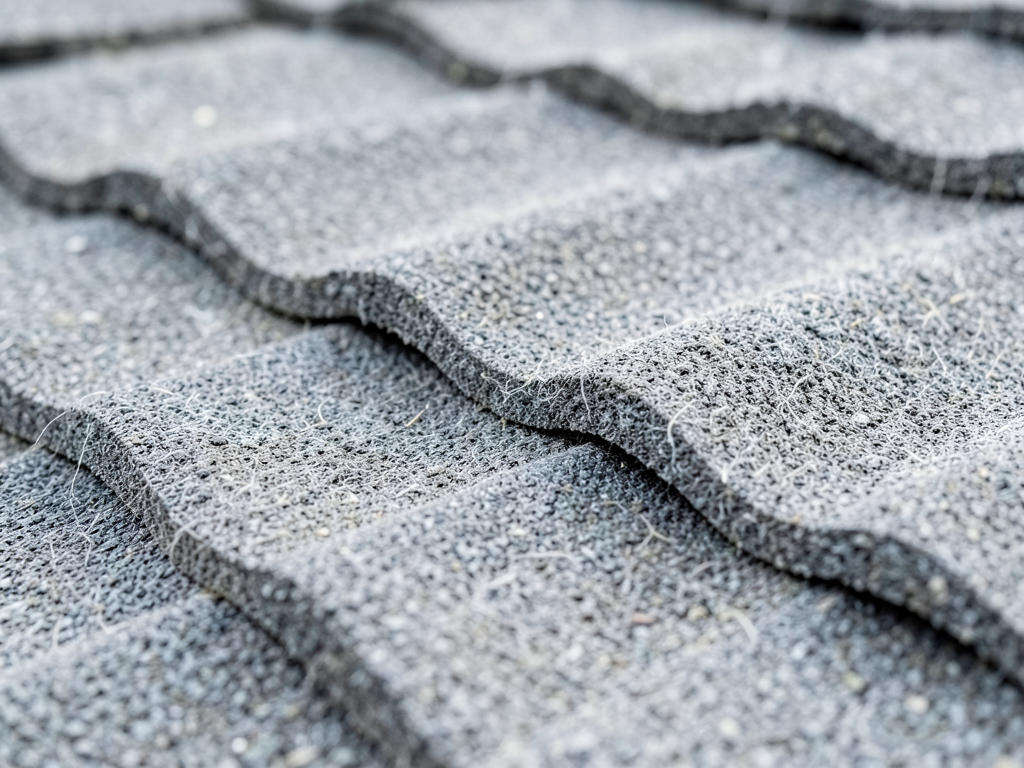
Asbestos cement shingles, also called “transite,” were manufactured from the 1920s through the 1970s and appear on many East Dallas homes near Munger Place and Swiss Avenue. These shingles have a distinctive fibrous texture, weigh significantly more than modern asphalt tiles, and often show a wavy or corrugated pattern. When tapped gently with a screwdriver, they produce a dull thud rather than the sharp ring of clay or slate.
East Dallas neighborhoods like Junius Heights and Lakewood Heights contain hundreds of pre-1980 homes with original roofing. The material contains chrysotile asbestos fibers bound in cement, making it non-friable when intact but dangerous when broken. Dallas County environmental records show that homes in the 75204 and 75214 zip codes have the highest concentration of these materials due to the area’s construction boom in the 1950s and 1960s. The Benefits of TPO Roofing Systems for Richardson Industrial Properties.
The Risks: Why Professional Handling is Non-Negotiable
Disturbing asbestos shingles releases microscopic fibers that lodge in lung tissue, causing mesothelioma and asbestosis. These diseases develop 15-30 years after exposure, making DIY removal particularly dangerous. Dallas’s high humidity and temperature swings can cause older shingles to become brittle, increasing fiber release during removal.
Even minor damage from Dallas hailstorms can compromise the cement matrix. A 2019 study by the Texas Department of State Health Services found that 68% of tested East Dallas roofs showed some level of asbestos degradation. The fibers are invisible to the naked eye and can travel through HVAC systems, affecting entire households. Texas DSHS asbestos information.
Texas State and Dallas Local Regulations
Texas requires DSHS licensing for all asbestos abatement work. Contractors must complete the Texas Asbestos Contractor’s Accreditation program and carry specific liability insurance. Dallas County mandates notification to the Texas Commission on Environmental Quality at least 10 business days before any renovation disturbing more than 32 square feet of asbestos-containing material.
The City of Dallas Building Inspection Division requires permits for asbestos removal, with fees based on square footage and material type. McCommas Bluff Landfill accepts asbestos waste only on specific days with advance scheduling. Improper disposal carries fines up to $25,000 per violation under Texas Health and Safety Code Chapter 1903. Why a Pre-Storm Roof Inspection is Vital for Every Lake Highlands Homeowner.
Our 5-Step Safe Abatement Process
- Inspection and Testing
Certified inspectors collect samples following EPA protocol 600/R-93/116. Testing takes 24-48 hours at state-approved laboratories. Results determine the abatement category and required safety measures.
- Containment Setup
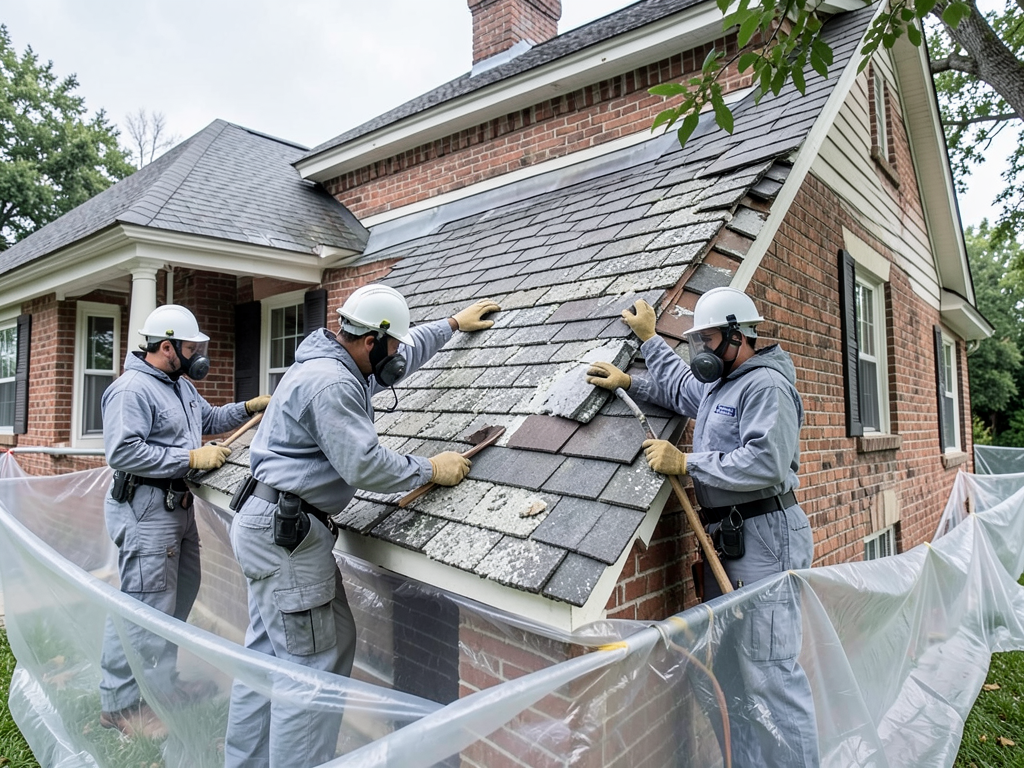
Technicians install six-mil polyethylene barriers and negative air pressure systems. HEPA filtration units process 500+ cubic feet per minute to prevent fiber escape. Warning signs mark the regulated area.
- Wet-Removal Method
Shingles are kept continuously wet using amended water sprayers to prevent fiber aerosolization. Workers wear half-face respirators with P100 filters and disposable coveralls. Each piece is carefully lowered to avoid breakage. Spray Foam Roofing.
- HEPA Cleaning
After removal, all surfaces undergo HEPA vacuuming following IICRC S520 standards. Air monitoring confirms fiber levels below 0.01 fibers per cubic centimeter before containment removal.
- Legal Disposal
Waste is double-bagged in 6-mil bags, labeled per 40 CFR Part 61, and transported to McCommas Bluff. Disposal manifests track the waste from removal to final burial.
Cost Factors for Asbestos Roof Replacement in DFW
| Cost Component | Typical Range (per square) | Notes |
|---|---|---|
| Testing and Inspection | $150 – $300 | DSHS-certified lab analysis |
| Abatement Labor | $250 – $400 | Specialized crews, PPE, containment |
| Permit Fees | $200 – $500 | Dallas Building Inspection |
| Disposal Fees | $100 – $200 | McCommas Bluff special handling |
| Total Per Square | $700 – $1,200 | Compared to $250 – $350 for standard removal |
The total cost for a 2,000-square-foot East Dallas home typically ranges from $14,000 to $24,000, depending on roof complexity and accessibility. Homes near White Rock Lake often cost more due to narrow streets limiting equipment access.
Choosing a Qualified Asbestos Abatement Contractor
Verify Texas DSHS asbestos contractor license numbers and check Dallas County environmental compliance records. Ask for documentation of air monitoring during past projects and proof of liability insurance covering asbestos work. The contractor should provide a written abatement plan detailing containment, removal methods, and disposal procedures.
Look for membership in the National Roofing Contractors Association and certification from the Roofing Contractors Association of Texas. Experience with East Dallas historic homes matters because these properties often have multiple layers of roofing and delicate architectural details requiring careful protection during abatement. Roofing Balch Springs.
Frequently Asked Questions
How can I tell if my East Dallas home has asbestos shingles?
Homes built before 1980 with gray, cement-like shingles that feel heavier than asphalt likely contain asbestos. A professional inspection and laboratory testing provides definitive identification. Many homes in Munger Place and Junius Heights require testing before any roof work.
Is it legal to remove asbestos shingles myself in Dallas?
No. Texas law prohibits unlicensed individuals from removing more than 32 square feet of asbestos-containing material. DIY removal creates severe health risks and can result in fines up to $25,000. Always hire DSHS-licensed professionals for any asbestos work.
How long does asbestos roof removal take in East Dallas?
Most residential projects require 3-5 days total: 1 day for setup and containment, 1-2 days for removal, and 1 day for cleanup and air monitoring. Historic homes with complex rooflines may require additional time.
Where does asbestos roofing waste go in Dallas?
McCommas Bluff Landfill accepts asbestos waste on designated days. The material must be properly packaged, labeled, and transported by licensed hazardous waste haulers. Dallas County tracks all asbestos disposal through manifests required by state law.
Will my homeowner’s insurance cover asbestos removal?
Standard policies typically exclude asbestos abatement costs. Some policies offer optional pollution coverage that may help with removal expenses. Check your specific policy or consult with your insurance agent about available coverage options.
What happens after asbestos removal?
After successful abatement and air clearance, you can proceed with new roofing installation. Many East Dallas homeowners choose architectural asphalt shingles or metal roofing that complements historic home aesthetics while providing modern protection. Deciding if a Metal Roof is the Right Choice for Your North Dallas Home.
Can I stay in my home during asbestos removal?
Most homeowners temporarily relocate during abatement due to containment requirements and air quality concerns. The process creates noise and dust, and proper safety protocols require restricted access to the work area for several days.
Call (214) 204-2077 Today to Schedule Your Inspection
Don’t risk your family’s health or face legal penalties. Our DSHS-licensed team specializes in safe asbestos shingle removal from East Dallas historic homes. We handle everything from testing to final disposal, ensuring compliance with all Dallas County and Texas regulations. Call (214) 204-2077 today to schedule your inspection and protect your home and family.
Time matters with asbestos. The longer these materials remain on your roof, the greater the risk of fiber release from weathering and storm damage. Pick up the phone and call (214) 204-2077 before the next Dallas hailstorm hits your neighborhood.
You may also find this helpful. How Roofing Squares Work and How to Estimate Your Own Roof Size in Dallas.
You may also find this helpful. Understanding Why Your City Needs a Permit for a Simple Dallas Roof Repair.
You may also find this helpful. Rain Chains or Traditional Downspouts for Your M Streets Bungalow.
{
“@context”: “https://schema.org”,
“@type”: “BlogPosting”,
“headline”: “Handling Potential Asbestos Shingles During an Old East Dallas Roof Remodel”,
“description”: “Learn how to safely identify, test, and remove asbestos shingles from East Dallas homes. Discover Dallas-specific regulations, health risks, and professional abatement processes.”,
“wordCount”: 1242,
“datePublished”: “2026-05-27T08:06:00.000Z”,
“dateModified”: “2026-05-27T08:06:00.000Z”,
“inLanguage”: “en-US”,
“mainEntityOfPage”: {
“@type”: “WebPage”,
“@id”: “https://grandroofingdallas.com”
},
“publisher”: {
“@type”: “LocalBusiness”,
“name”: “Grand Roofing Dallas”,
“url”: “https://grandroofingdallas.com”
},
“author”: {
“@type”: “Organization”,
“name”: “Grand Roofing Dallas”,
“url”: “https://grandroofingdallas.com”
},
“image”: {
“@type”: “ImageObject”,
“url”: “https://grandroofingdallas.com/wp-content/uploads/2026/03/handling-potential-asbestos-shingles-during-an-old-1.png”
}
}
{
“@context”: “https://schema.org”,
“@type”: “RoofingContractor”,
“name”: “Grand Roofing Dallas”,
“url”: “https://grandroofingdallas.com”,
“address”: {
“@type”: “PostalAddress”,
“addressLocality”: “Dallas”
},
“areaServed”: {
“@type”: “City”,
“name”: “Dallas”
}
}
{
“@context”: “https://schema.org”,
“@type”: “FAQPage”,
“mainEntity”: [
{
“@type”: “Question”,
“name”: “How can I tell if my East Dallas home has asbestos shingles?”,
“acceptedAnswer”: {
“@type”: “Answer”,
“text”: “Homes built before 1980 with gray, cement-like shingles that feel heavier than asphalt likely contain asbestos. A professional inspection and laboratory testing provides definitive identification. Many homes in Munger Place and Junius Heights require testing before any roof work.”
}
},
{
“@type”: “Question”,
“name”: “Is it legal to remove asbestos shingles myself in Dallas?”,
“acceptedAnswer”: {
“@type”: “Answer”,
“text”: “No. Texas law prohibits unlicensed individuals from removing more than 32 square feet of asbestos-containing material. DIY removal creates severe health risks and can result in fines up to $25,000. Always hire DSHS-licensed professionals for any asbestos work.”
}
},
{
“@type”: “Question”,
“name”: “How long does asbestos roof removal take in East Dallas?”,
“acceptedAnswer”: {
“@type”: “Answer”,
“text”: “Most residential projects require 3-5 days total: 1 day for setup and containment, 1-2 days for removal, and 1 day for cleanup and air monitoring. Historic homes with complex rooflines may require additional time.”
}
},
{
“@type”: “Question”,
“name”: “Where does asbestos roofing waste go in Dallas?”,
“acceptedAnswer”: {
“@type”: “Answer”,
“text”: “McCommas Bluff Landfill accepts asbestos waste on designated days. The material must be properly packaged, labeled, and transported by licensed hazardous waste haulers. Dallas County tracks all asbestos disposal through manifests required by state law.”
}
},
{
“@type”: “Question”,
“name”: “Will my homeowner’s insurance cover asbestos removal?”,
“acceptedAnswer”: {
“@type”: “Answer”,
“text”: “Standard policies typically exclude asbestos abatement costs. Some policies offer optional pollution coverage that may help with removal expenses. Check your specific policy or consult with your insurance agent about available coverage options.”
}
},
{
“@type”: “Question”,
“name”: “What happens after asbestos removal?”,
“acceptedAnswer”: {
“@type”: “Answer”,
“text”: “After successful abatement and air clearance, you can proceed with new roofing installation. Many East Dallas homeowners choose architectural asphalt shingles or metal roofing that complements historic home aesthetics while providing modern protection. Deciding if a Metal Roof is the Right Choice for Your North Dallas Home.”
}
},
{
“@type”: “Question”,
“name”: “Can I stay in my home during asbestos removal?”,
“acceptedAnswer”: {
“@type”: “Answer”,
“text”: “Most homeowners temporarily relocate during abatement due to containment requirements and air quality concerns. The process creates noise and dust, and proper safety protocols require restricted access to the work area for several days.”
}
}
]
}
{
“@context”: “https://schema.org”,
“@type”: “HowTo”,
“name”: “Safe Asbestos Roof Abatement Process”,
“step”: [
{
“@type”: “HowToStep”,
“position”: 1,
“name”: “Inspection and Testing”,
“text”: “Certified inspectors collect samples following EPA protocol 600/R-93/116. Testing takes 24-48 hours at state-approved laboratories. Results determine the abatement category and required safety measures.”
},
{
“@type”: “HowToStep”,
“position”: 2,
“name”: “Containment Setup”,
“text”: “Technicians install six-mil polyethylene barriers and negative air pressure systems. HEPA filtration units process 500+ cubic feet per minute to prevent fiber escape. Warning signs mark the regulated area.”
},
{
“@type”: “HowToStep”,
“position”: 3,
“name”: “Wet-Removal Method”,
“text”: “Shingles are kept continuously wet using amended water sprayers to prevent fiber aerosolization. Workers wear half-face respirators with P100 filters and disposable coveralls. Each piece is carefully lowered to avoid breakage. Spray Foam Roofing.”
},
{
“@type”: “HowToStep”,
“position”: 4,
“name”: “HEPA Cleaning”,
“text”: “After removal, all surfaces undergo HEPA vacuuming following IICRC S520 standards. Air monitoring confirms fiber levels below 0.01 fibers per cubic centimeter before containment removal.”
},
{
“@type”: “HowToStep”,
“position”: 5,
“name”: “Legal Disposal”,
“text”: “Waste is double-bagged in 6-mil bags, labeled per 40 CFR Part 61, and transported to McCommas Bluff. Disposal manifests track the waste from removal to final burial.”
}
],
“image”: “https://grandroofingdallas.com/wp-content/uploads/2026/03/handling-potential-asbestos-shingles-during-an-old-1.png”
}
{
“@context”: “https://schema.org”,
“@type”: “BreadcrumbList”,
“itemListElement”: [
{
“@type”: “ListItem”,
“position”: 1,
“name”: “Home”,
“item”: “https://grandroofingdallas.com”
},
{
“@type”: “ListItem”,
“position”: 2,
“name”: “Blog”,
“item”: “https://grandroofingdallas.com/blog”
},
{
“@type”: “ListItem”,
“position”: 3,
“name”: “Handling Potential Asbestos Shingles During an Old East Dallas Roof Remodel”
}
]
}
{
“@context”: “https://schema.org”,
“@type”: “Service”,
“serviceType”: “Roofing”,
“provider”: {
“@type”: “LocalBusiness”,
“name”: “Grand Roofing Dallas”,
“url”: “https://grandroofingdallas.com”
},
“areaServed”: {
“@type”: “City”,
“name”: “Dallas”
},
“description”: “Learn how to safely identify, test, and remove asbestos shingles from East Dallas homes. Discover Dallas-specific regulations, health risks, and professional abatement processes.”
}