
Introduction: Why Attic Ventilation is Critical for Dallas Homeowners
Your Red Oak home bakes under 100°F summer heat that pushes attic temperatures past 150°F. This extreme heat traps moisture against your roof deck creating a perfect storm for premature shingle failure. Most homeowners think adding more attic fans solves the problem but that approach often makes things worse. The real solution starts with understanding how heat and moisture move through your attic space.
North Texas humidity levels combined with intense UV exposure create unique ventilation challenges. Your roof needs continuous airflow to push hot air out and prevent moisture buildup. Without proper ventilation your shingles curl your decking warps and your cooling bills skyrocket. The question isn’t whether you need better ventilation but which system actually works in our brutal Dallas climate.. Read more about Why the Intense Texas Heat is Causing Your Shingles to Blister and Bubble.

What is a Ridge Vent? (The Passive Approach)
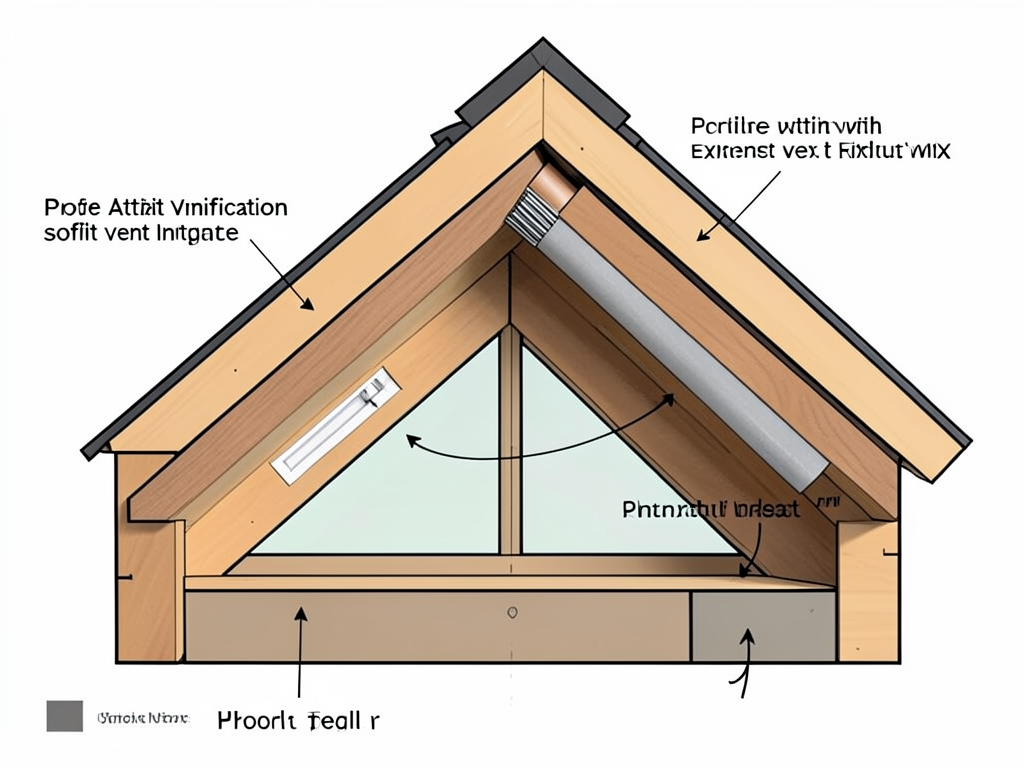
A ridge vent runs along the peak of your roof creating a continuous exhaust path for hot air. This passive system works through natural convection as hot air rises and exits through the vent while cooler air enters through soffit vents along your eaves. The beauty of ridge vents lies in their simplicity. No motors to fail. No electricity to consume. Just continuous airflow that works 24/7.. Read more about Why O’Hagin Vents are a Sleeker Alternative to Whirlybirds for Fair Park Bungalows.
Ridge vents blend seamlessly with your roofline offering superior aesthetics compared to box fans sticking up from your roof. The continuous design provides uniform ventilation across your entire attic rather than concentrated airflow from individual fans. Quality ridge vents feature baffled designs that prevent rain infiltration while maximizing airflow.. Read more about Choosing Energy Star Rated Shingles to Lower Your Cooling Bills in Grand Prairie.
Installation requires proper intake ventilation through soffit vents. The general rule follows the 1:300 ratio where you need one square foot of net free area for every 300 square feet of attic space. Half of this comes from intake soffits and half from exhaust ridge vents. Without balanced intake your ridge vent cannot function properly.. Read more about How to Properly Vent a Vaulted Ceiling Roof in Your Lakewood Mid-Century Modern.
What is an Attic Fan? (The Active Approach)
Attic fans use electric or solar-powered motors to actively pull hot air out of your attic space. These units mount on your roof or gable ends and kick on when temperatures reach preset thresholds typically around 95-100°F. The fan creates negative pressure that pulls air through your attic and pushes it outside.
Electric attic fans offer powerful CFM ratings that can move large volumes of air quickly. Solar models provide energy savings but depend on sunlight availability. Most units include thermostats for temperature control and some feature humidistats to manage moisture levels. The active nature means they respond immediately to heat spikes rather than waiting for natural convection.
Installation costs vary significantly between electric and solar models. Electric fans require wiring and potentially new circuits. Solar fans need proper southern exposure and battery backup for nighttime operation. Both types require roof penetrations that create potential leak points if not installed correctly. Choosing Between the Most Trusted Roofing Companies in the Dallas Metroplex.
Head-to-Head Comparison: Ridge Vent vs. Attic Fan
| Feature | Ridge Vent | Attic Fan |
|---|---|---|
| Initial Cost | $400-800 per installation | $200-1,200 depending on type |
| Monthly Operating Cost | $0 | $5-25 for electric models |
| Lifespan | 20-30 years | 5-10 years for motors |
| Maintenance | Minimal (inspect baffles) | Motor replacement wiring checks |
| Noise Level | Silent | 50-70 dB when running |
| Energy Efficiency | High (no power use) | Variable (depends on runtime) |
| Weather Durability | Excellent (no moving parts) | Moderate (motor wear) |
The ‘Short-Circuit’ Danger: Why You Usually Can’t Have Both
Installing both ridge vents and attic fans creates a ventilation disaster called short-circuiting. When your attic fan runs it creates negative pressure that pulls air from the path of least resistance. If you have ridge vents along your roof peak the fan will suck air directly from those vents instead of drawing from your soffit intakes.
This short-circuit leaves most of your attic stagnant while only the area near the ridge gets ventilation. The fan works harder consuming more electricity while providing minimal benefit. You end up with the worst of both worlds higher energy bills and poor attic ventilation.
Building codes recognize this issue. The International Residential Code Section R806.2 requires balanced ventilation where intake area equals exhaust area. Mixing passive and active systems violates this principle by creating unbalanced airflow patterns. The solution requires choosing one system and ensuring proper intake ventilation regardless of your choice. International Residential Code Section R806.2.
Dallas Climate Verdict: Which Wins in 100-Degree Heat?
Red Oak’s climate demands ventilation that works consistently through 100°F+ summers without fail. Ridge vents excel here because they operate continuously without electricity or moving parts that can fail during peak heat. The passive design handles Dallas’s intense heat load while maintaining consistent airflow patterns.
Attic fans struggle with Dallas’s high humidity levels. When humidity exceeds 70% fans pull moist air through your attic potentially creating condensation issues. The active systems also face challenges during power outages which often occur during summer thunderstorms when ventilation matters most.
Radiant barrier installations common in Dallas homes complement ridge vents perfectly. The barrier reflects heat while the ridge vent continuously exhausts what gets through. This combination provides superior cooling performance compared to fans that only run intermittently.
Consider your roof pitch too. Dallas homes typically feature 4:12 to 6:12 pitches that work excellently with ridge vents. Steeper pitches increase the surface area for ridge vent installation improving overall ventilation capacity.
Professional Recommendation & Local Consultation
Most Red Oak homes built before 2010 need ridge vent upgrades due to inadequate ventilation. Signs include curling shingles ice dam formation in rare freezes and excessive attic heat. A proper assessment measures your current Net Free Area and compares it to code requirements.
Don’t fall for the ‘more fans’ trap. Adding multiple attic fans without addressing intake ventilation wastes money and creates new problems. Focus on balanced systems that move air continuously through your entire attic space.
Call (214) 204-2077 today to schedule your inspection. Our ventilation experts will measure your attic’s Net Free Area check your intake ventilation and recommend the right solution for your specific home. We serve all of Dallas including Red Oak Balch Springs and surrounding communities. Why a Pre-Storm Roof Inspection is Vital for Every Lake Highlands Homeowner.
Pick up the phone and call (214) 204-2077 before the next heat wave hits. Your roof and your cooling bills will thank you.
Frequently Asked Questions
Can I install both ridge vents and attic fans?
No. Installing both creates short-circuiting where the fan pulls air from the ridge vent instead of soffit intakes. This leaves most of your attic poorly ventilated while the fan runs constantly wasting electricity.
How much does ridge vent installation cost in Dallas?
Professional ridge vent installation typically costs $400-800 depending on roof complexity and linear feet needed. This includes removing existing vents if necessary and ensuring proper intake ventilation through soffits.
Will ridge vents work with my existing attic fan?
Ridge vents work best as standalone systems. If you have existing fans you should remove them before installing ridge vents to prevent short-circuiting. The ridge vent provides superior continuous ventilation without electricity costs.
How long do ridge vents last in Texas heat?
Quality ridge vents last 20-30 years in Texas conditions. They have no moving parts and feature UV-resistant materials designed for our intense sun exposure. The continuous airflow actually helps protect your shingles from heat damage. For more information, visit U.S. Department of Energy ventilation guide.
{
“@context”: “https://schema.org”,
“@type”: “BlogPosting”,
“headline”: “Why Your Red Oak Home Might Need a Ridge Vent Upgrade Instead of More Attic Fans”,
“description”: “Learn why ridge vents outperform attic fans in Red Oak’s extreme heat. Discover the ventilation solution that actually works for Dallas homes.”,
“wordCount”: 1223,
“datePublished”: “2026-05-04T08:29:00.000Z”,
“dateModified”: “2026-05-04T08:29:00.000Z”,
“inLanguage”: “en-US”,
“mainEntityOfPage”: {
“@type”: “WebPage”,
“@id”: “https://grandroofingdallas.com”
},
“publisher”: {
“@type”: “LocalBusiness”,
“name”: “Grand Roofing Dallas”,
“url”: “https://grandroofingdallas.com”
},
“author”: {
“@type”: “Organization”,
“name”: “Grand Roofing Dallas”,
“url”: “https://grandroofingdallas.com”
},
“image”: {
“@type”: “ImageObject”,
“url”: “https://grandroofingdallas.com/wp-content/uploads/2026/03/why-your-red-oak-home-might-need-a-ridge-vent-upgr-1.png”
}
}
{
“@context”: “https://schema.org”,
“@type”: “RoofingContractor”,
“name”: “Grand Roofing Dallas”,
“url”: “https://grandroofingdallas.com”,
“address”: {
“@type”: “PostalAddress”,
“addressLocality”: “Dallas”
},
“areaServed”: {
“@type”: “City”,
“name”: “Dallas”
}
}
{
“@context”: “https://schema.org”,
“@type”: “FAQPage”,
“mainEntity”: [
{
“@type”: “Question”,
“name”: “Dallas Climate Verdict: Which Wins in 100-Degree Heat?”,
“acceptedAnswer”: {
“@type”: “Answer”,
“text”: “Red Oak’s climate demands ventilation that works consistently through 100°F+ summers without fail. Ridge vents excel here because they operate continuously without electricity or moving parts that can fail during peak heat. The passive design handles Dallas’s intense heat load while maintaining consistent airflow patterns.”
}
},
{
“@type”: “Question”,
“name”: “Can I install both ridge vents and attic fans?”,
“acceptedAnswer”: {
“@type”: “Answer”,
“text”: “No. Installing both creates short-circuiting where the fan pulls air from the ridge vent instead of soffit intakes. This leaves most of your attic poorly ventilated while the fan runs constantly wasting electricity.”
}
},
{
“@type”: “Question”,
“name”: “How much does ridge vent installation cost in Dallas?”,
“acceptedAnswer”: {
“@type”: “Answer”,
“text”: “Professional ridge vent installation typically costs $400-800 depending on roof complexity and linear feet needed. This includes removing existing vents if necessary and ensuring proper intake ventilation through soffits.”
}
},
{
“@type”: “Question”,
“name”: “Will ridge vents work with my existing attic fan?”,
“acceptedAnswer”: {
“@type”: “Answer”,
“text”: “Ridge vents work best as standalone systems. If you have existing fans you should remove them before installing ridge vents to prevent short-circuiting. The ridge vent provides superior continuous ventilation without electricity costs.”
}
},
{
“@type”: “Question”,
“name”: “How long do ridge vents last in Texas heat?”,
“acceptedAnswer”: {
“@type”: “Answer”,
“text”: “Quality ridge vents last 20-30 years in Texas conditions. They have no moving parts and feature UV-resistant materials designed for our intense sun exposure. The continuous airflow actually helps protect your shingles from heat damage. For more information, visit U.S. Department of Energy ventilation guide.”
}
}
]
}
{
“@context”: “https://schema.org”,
“@type”: “BreadcrumbList”,
“itemListElement”: [
{
“@type”: “ListItem”,
“position”: 1,
“name”: “Home”,
“item”: “https://grandroofingdallas.com”
},
{
“@type”: “ListItem”,
“position”: 2,
“name”: “Blog”,
“item”: “https://grandroofingdallas.com/blog”
},
{
“@type”: “ListItem”,
“position”: 3,
“name”: “Why Your Red Oak Home Might Need a Ridge Vent Upgrade Instead of More Attic Fans”
}
]
}
{
“@context”: “https://schema.org”,
“@type”: “Service”,
“serviceType”: “Roofing”,
“provider”: {
“@type”: “LocalBusiness”,
“name”: “Grand Roofing Dallas”,
“url”: “https://grandroofingdallas.com”
},
“areaServed”: {
“@type”: “City”,
“name”: “Dallas”
},
“description”: “Learn why ridge vents outperform attic fans in Red Oak’s extreme heat. Discover the ventilation solution that actually works for Dallas homes.”
}