


menu

New Roof Construction in Dallas – Built Right for Texas Heat and Storm Season

Grand Roofing Dallas delivers new roof installation engineered for extreme temperature swings, hail exposure, and the structural demands of North Texas building codes.

Slider Image 1
Slider Image 2
Slider Image 3
Slider Image 4
Slider Image 5
Slider Image 7
Slider Image 8
Slider Image 9
Slider Image 10
Slider Image 11

Why Dallas Homeowners Face Unique Roofing Challenges

Dallas sits in the crosshairs of extreme weather. Summer temperatures routinely exceed 100 degrees, baking asphalt shingles and accelerating thermal cycling. Just months later, winter freezes crack underlayment and stress flashing joints. Add in springtime hail storms that pummel the metroplex, and you see why new roof construction here demands more than cookie-cutter methods.

The clay-rich soil common across Dallas County expands and contracts with moisture changes. This shifting foundation transfers stress into your home's frame and roof structure. New construction roofing must account for this movement, or you risk ridge line sag, rafter separation, and premature shingle failure. A roof built for a stable climate will fail here within years.

Dallas building codes reflect these realities. The city requires higher wind load ratings than many neighboring regions. Installing a new roof means meeting IRC standards for zone-specific wind uplift, proper ventilation to combat attic heat buildup, and ice dam prevention despite our relatively mild winters. These are not suggestions. They are requirements that protect your investment.

If you are building a new home in neighborhoods like Lakewood or Highland Park, or replacing a failing roof on a mid-century ranch in Oak Cliff, the stakes are identical. Your roof must withstand hail, shed heat, and resist wind shear. Generic installation services leave you exposed. Building a new roof in Dallas means engineering for the climate, not just stapling shingles to plywood.

Why Dallas Homeowners Face Unique Roofing Challenges
How We Engineer New Roof Construction for North Texas Conditions

How We Engineer New Roof Construction for North Texas Conditions

Grand Roofing Dallas starts with structural assessment, not material selection. We evaluate your existing decking for rot, measure rafter spans, and check for truss uplift. If you are building new construction, we review framing plans to verify they support the dead load and wind load of the roofing system. This prevents callbacks for sagging ridges or blown-off shingles.

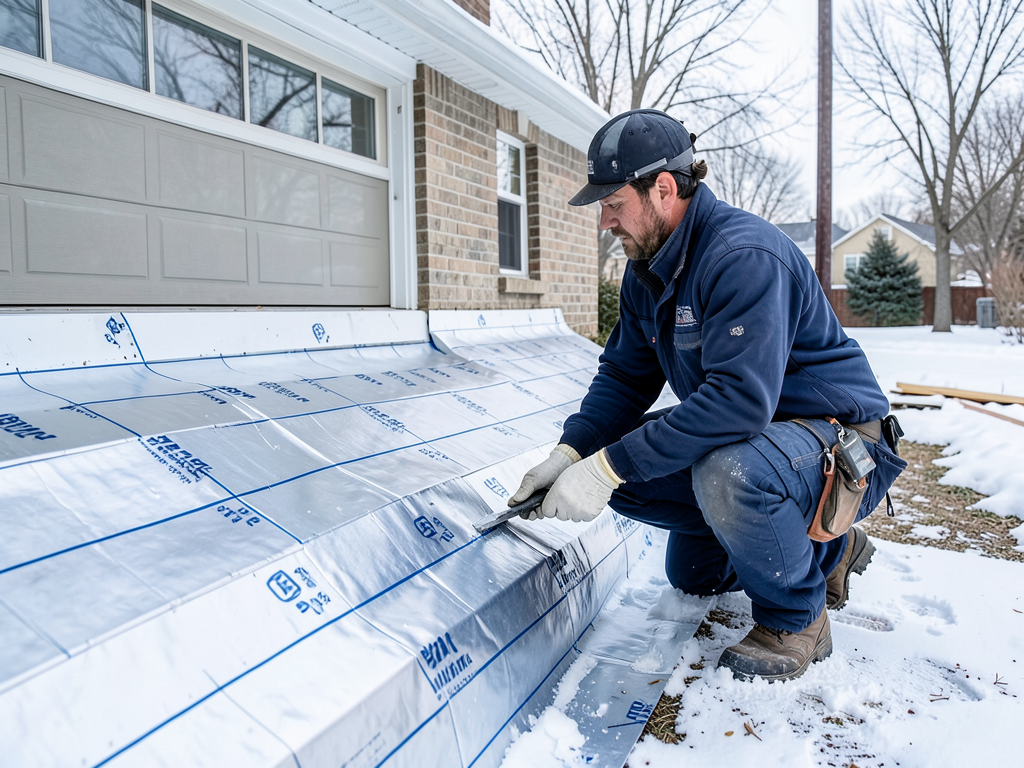
We specify underlayment based on your roof pitch and exposure. Synthetic underlayment outperforms felt paper in Dallas heat. It does not wrinkle, tear during installation, or degrade under UV exposure during multi-day projects. For low-slope sections or complex valleys, we install self-adhering membranes that seal around fastener penetrations and resist water intrusion during wind-driven rain.

Ventilation design is non-negotiable. Attic temperatures in Dallas can hit 150 degrees in July. Without proper intake and exhaust, that heat cooks your shingles from below, voids warranties, and drives up cooling costs. We calculate net free area based on your attic square footage, then install ridge vents, soffit vents, or powered ventilators to meet code and manufacturer specs.

Flashing details separate amateur work from professional roofing installation services. We use step flashing at sidewalls, continuous flashing at chimneys, and kickout flashing at roof-to-wall transitions. Each piece overlaps correctly and integrates with the water-resistive barrier. This is where most leaks start, so we treat flashing as structural waterproofing, not an afterthought.

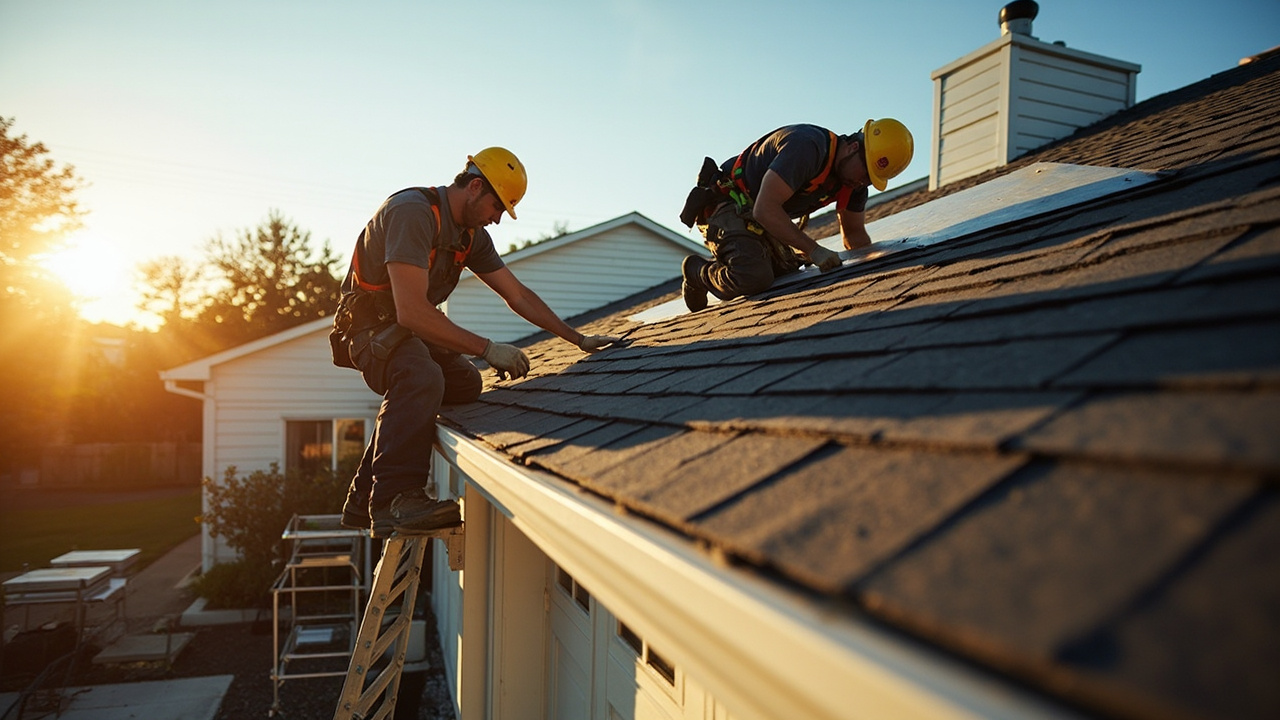
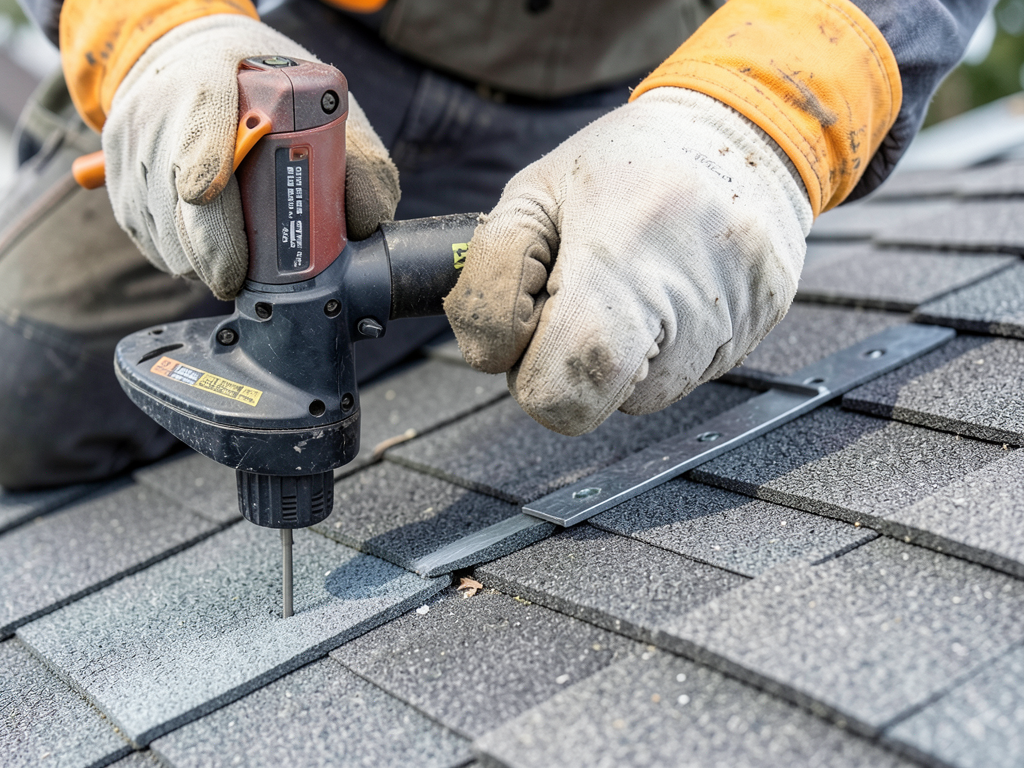
Shingle installation follows manufacturer guidelines for fastener placement, overlap, and starter course alignment. We hand-seal tabs in high-wind zones and avoid overdriving nails that compromise shingle integrity. The result is a roof that performs as engineered, not as rushed.

What Happens During Your New Roof Installation

New Roof Construction in Dallas – Built Right for Texas Heat and Storm Season
01

Inspection and Planning

We measure your roof area, document slopes, and photograph existing conditions. You receive a detailed scope that specifies decking repairs, ventilation upgrades, and material selections. We pull permits and schedule inspections with the city. This planning phase prevents surprises and keeps your project on budget. You know exactly what you are paying for before we order materials.
02

Tear-Off and Deck Prep

Our crew removes old shingles down to the decking, exposes any rot or structural damage, and replaces compromised sheathing with code-compliant plywood or OSB. We install drip edge at eaves and rakes, then roll out underlayment with proper overlap and fastener spacing. This foundation work determines how long your new roof lasts. We do not skip steps to save time.
03

Installation and Final Inspection

We install shingles, flashing, and ventilation components according to manufacturer instructions and local code. After cleanup, the city inspector verifies compliance. You receive photos of completed work, warranty documentation, and care instructions. Your new roof is now engineered to handle Dallas weather for decades. We walk you through maintenance tips to maximize lifespan and preserve your investment.

Why Dallas Builders and Homeowners Trust Local Roofing Expertise

Grand Roofing Dallas knows the Dallas building code inside out. We understand the amendments specific to Dallas County, the inspection process at the city permitting office, and the documentation required for HOA approval in planned communities. Out-of-town contractors miss these details and leave you holding the bag when inspections fail or neighbors complain.

We source materials from local suppliers who stock products rated for Texas wind zones and hail impact. When a storm hits and you need emergency repairs, we have the inventory and relationships to respond fast. National chains wait for warehouse shipments. We drive to the supplier and get what you need today.

Dallas neighborhoods have distinct architectural styles. Highland Park homes feature steep-pitch roofs with multiple valleys and dormers. East Dallas bungalows often have low-slope sections and exposed rafter tails. Oak Cliff mid-century builds use wide eaves and minimal pitch. We have installed roofs on all of them. We know how to flash a Tudor revival chimney and how to match the lines on a craftsman bungalow. This experience shows in the finished product.

Our crews live here. They understand the urgency of completing tear-offs before afternoon thunderstorms roll in. They know which streets flood during heavy rain and plan material deliveries accordingly. They respect your property and your neighbors because this is their community too.

When you hire local roofing contractors, you get accountability. We cannot disappear after the job. Our reputation depends on quality work and honest communication. You will see our trucks around town for years. That keeps us honest and keeps your roof performing as promised.

What You Can Expect From Start to Finish

Project Timeline

Most residential new roof installations complete in two to five days, depending on size and complexity. We schedule around weather and coordinate inspections to avoid delays. You receive a start date before we order materials, and we communicate daily about progress. If rain or permitting issues push the schedule, you know immediately. We do not leave projects half-finished for weeks. Our crews work efficiently, clean up nightly, and move to completion as fast as conditions allow.

Initial Consultation

Your consultation includes a roof inspection, attic ventilation assessment, and discussion of material options. We explain the differences between architectural shingles, impact-resistant products, and premium lines. You see samples, compare warranties, and understand the trade-offs between cost and performance. We answer questions about color matching, energy efficiency, and insurance requirements. This is a no-pressure conversation focused on finding the right solution for your home and budget.

Finished Quality

You get a roof that passes city inspection, meets manufacturer installation standards, and looks clean from the curb. Shingle lines run straight, valleys lay flat, and flashing integrates seamlessly with siding and masonry. We hand-seal exposed fasteners, caulk penetrations, and verify that all vents function correctly. The workmanship matches the material quality. Your roof protects your home and adds curb appeal. That combination of function and appearance is what you pay for.

Ongoing Support

After installation, you receive care instructions and a timeline for routine inspections. We recommend checking your roof twice a year and after major storms. If you spot damage or have questions, we respond quickly. Manufacturer warranties cover defects, and our workmanship guarantee covers installation errors. We help you file insurance claims if hail or wind causes damage. You are not alone after the final payment clears. We remain available because your roof is our reputation.

Frequently Asked Questions

You Have Questions,
We Have Answers

What is the newest type of roofing? +

The newest roofing materials include solar shingles, cool roof coatings, and synthetic composite shingles. Solar shingles integrate photovoltaic cells directly into the roofing material, generating electricity while protecting your home. Cool roof coatings reflect sunlight and reduce heat absorption, which is valuable in Dallas's hot summers where roof surface temperatures can exceed 160 degrees. Synthetic composites mimic slate or wood shake but offer superior durability and wind resistance. For Dallas homes, cool roof technology and impact-resistant shingles designed for hail are gaining popularity. These materials address our specific climate challenges while reducing energy costs.

How much is a new roof for a 2000 sq foot house? +

A new roof for a 2000 square foot house in Dallas typically ranges from budget to premium pricing depending on material choice and complexity. Asphalt shingle roofs are the most common choice. Metal roofing costs more upfront but lasts longer. Factors affecting your total cost include roof pitch, number of penetrations like chimneys or skylights, existing decking condition, and required permits. Dallas hail damage is common, so insurance may cover replacement if storm damage exists. Get three written estimates from licensed contractors. Avoid quoting exact numbers without an inspection, as every roof is different.

What is the most expensive part of a new roof? +

The roof decking or sheathing is often the most expensive part of a new roof when it requires replacement. Most homeowners focus on shingles, but the structural layer underneath supports everything. In Dallas, water damage from ice dams during rare freezes or prolonged leak exposure can rot plywood decking. If your inspection reveals compromised decking, expect significant additional costs beyond the tear-off and re-roof. Labor also represents a major expense, typically 40-60% of your total project cost. Quality underlayment and proper flashing around chimneys and valleys add expense but prevent future leaks.

What is the process of getting a new roof? +

The new roof process starts with an inspection to assess damage and measurements. Your contractor provides a written estimate detailing materials, labor, and timeline. After signing the contract, they order materials and pull necessary Dallas building permits. The crew removes old shingles, inspects and repairs decking as needed, then installs underlayment and ice-and-water barrier. They install new shingles, flashing, ridge vents, and drip edge. Final inspection ensures code compliance. The entire process takes one to three days for most residential roofs. Cleanup includes magnet sweeps to remove nails. You receive documentation for warranty registration.

What is the new roof technology 2025? +

Roof technology in 2025 focuses on energy efficiency, durability, and smart integration. Advanced cool roof coatings now reflect up to 90% of solar radiation, cutting cooling costs significantly in Dallas heat. Impact-resistant shingles meeting UL 2218 Class 4 standards offer superior hail protection and insurance discounts. Synthetic underlayments outlast traditional felt and resist UV degradation. Smart roof sensors can detect leaks or moisture intrusion before visible damage occurs. Improved ventilation systems reduce attic temperatures and extend shingle life. Recycled and sustainable roofing materials are becoming more accessible without sacrificing performance in extreme weather.

What is the cheapest option for a new roof? +

Three-tab asphalt shingles are the cheapest option for a new roof. They provide basic protection at the lowest material cost but typically last 15-20 years compared to 25-30 years for dimensional shingles. In Dallas, this shorter lifespan may not be the best value given our hail exposure and temperature extremes. Rolled roofing is even cheaper but only suitable for low-slope applications like sheds. Consider total cost of ownership rather than just upfront expense. A mid-grade architectural shingle often provides better long-term value with improved wind and impact ratings necessary for North Texas weather.

Will roofing prices go down in 2025? +

Roofing prices are unlikely to decrease significantly in 2025. Material costs remain elevated due to petroleum-based asphalt prices and manufacturing expenses. Labor shortages continue across Dallas construction trades, keeping installation costs high. Tariffs on imported materials may add expense. Insurance-driven demand from hail damage keeps contractors busy, reducing price competition. However, shopping during off-peak seasons like late fall or winter may yield better rates when contractors have lighter schedules. Get multiple estimates and verify contractor credentials. Focus on value and quality rather than waiting for price drops that may not materialize.

How to estimate roof replacement cost? +

Estimate roof replacement cost by calculating square footage, then multiplying by material and labor rates per square (100 square feet). Measure roof length and width, account for pitch, and add 10% for waste. In Dallas, factor in two layers of underlayment for hail protection. Include tear-off disposal costs, new flashing, ventilation upgrades, and permit fees. Steep pitches and multiple penetrations increase labor time. Complex roof designs with valleys and dormers cost more than simple gable roofs. Request detailed written estimates from three licensed contractors. Avoid contractors who quote without inspecting your attic and decking condition.

How long does it take to replace a 2000 sq ft roof? +

Replacing a 2000 square foot roof typically takes one to three days depending on complexity and crew size. A standard gable roof with asphalt shingles can be completed in one day with a full crew. Complex designs with multiple valleys, steep pitch, or tile/metal materials require two to three days. Weather delays are common in Dallas, especially during spring storm season. Tearoff alone can take half a day. Most crews arrive early to maximize daylight hours and avoid working during peak afternoon heat. Cleanup and final inspection add time. Your contractor should provide a specific timeline based on your roof design.

How to tell if a roofer is lying? +

A roofer may be lying if they pressure you to sign immediately, refuse to provide proof of insurance, or demand full payment upfront. Red flags include missing local references, no physical Dallas address, or avoiding written contracts. Ask for their Texas Residential Roofer License number and verify it. Legitimate contractors inspect attic decking and provide itemized estimates. Be wary of unusually low bids or claims they can waive your insurance deductible. Check reviews on multiple platforms. Request photos of recent Dallas projects. Trust contractors who explain the scope clearly and answer technical questions about flashing, ventilation, and code requirements.

How Dallas Storm Patterns Demand Smarter New Roof Construction

Dallas sits in the heart of Tornado Alley and experiences severe thunderstorms with high winds, large hail, and intense rainfall from March through June. New construction roofing must account for these repeated impacts. Standard three-tab shingles fail quickly under hail exposure. Impact-resistant shingles rated UL 2218 Class 4 offer better performance and often qualify for insurance discounts. Proper fastening patterns and high-wind starter strips prevent blow-offs during spring storms. Building a new roof here means preparing for weather extremes, not average conditions.

Grand Roofing Dallas has worked with Dallas building inspectors, navigated the permit process at City Hall, and completed projects across every neighborhood from Uptown to South Dallas. We understand local expectations for quality and compliance. When you hire a roofing company that knows Dallas codes, material suppliers, and inspection protocols, the project moves faster and avoids costly rework. Local expertise translates directly into better outcomes and fewer headaches for you.
Roofing Services in The Dallas Area

Grand Roofing Dallas proudly serves the entire metropolitan area and surrounding communities. We're committed to providing prompt, professional service wherever you are. Use the map to see our location and service radius, or simply give us a call to schedule an in-person consultation at your property. We look forward to bringing our expert roofing solutions directly to you.

Address:
Grand Roofing Dallas, 4422 Live Oak St, Dallas, TX, 75204

Additional Services We Offer

Our news updates

Latest Articles & News from The Blogs

Choosing Energy Star Rated Shingles to Lower Your Cooling Bills in Grand Prairie Energy Star rated shingles can reduce your…

Choosing Energy Star Rated Shingles to Lower Your Cooling Bills in Grand Prairie

Choosing Energy Star Rated Shingles to Lower Your Cooling Bills in Grand Prairie Energy Star rated shingles can reduce your…

How to Properly Vent a Vaulted Ceiling Roof in Your Lakewood Mid-Century Modern

How to Properly Vent a Vaulted Ceiling Roof in Your Lakewood Mid-Century Modern Vaulted ceilings in Lakewood’s Mid-Century Modern homes…

Adding Timeless Character with Copper Gutters and Accents to Your Preston Hollow Home

Adding Timeless Character with Copper Gutters and Accents to Your Preston Hollow Home Copper gutters bring unmatched elegance and durability…

Contact Us

Call Grand Roofing Dallas at (214) 204-2077 for a free consultation and detailed estimate. We will assess your roof, explain your options, and deliver a solution built for North Texas weather. Your home deserves protection that lasts.