



menu

Commercial Roofing Contractors in Dallas | Built for Business Continuity and Zero Downtime

Grand Roofing Dallas delivers industrial-grade roofing systems engineered for the Texas climate, with scheduling that protects your operations and keeps your facility open for business.

Slider Image 1
Slider Image 2
Slider Image 3
Slider Image 4
Slider Image 5
Slider Image 7
Slider Image 8
Slider Image 9
Slider Image 10
Slider Image 11

Why Dallas Commercial Properties Face Accelerated Roof Degradation

Your commercial roof in Dallas endures conditions that residential structures never face. The combination of 100-degree summer heat, sudden hailstorms during spring, and the unique thermal stress from flat or low-slope commercial systems creates a punishing cycle. Add the urban heat island effect from asphalt parking lots and HVAC units running nonstop, and you have a roof system under constant assault.

Most commercial roofing companies treat every building the same. That approach fails in Dallas, where temperature swings of 40 degrees in a single day cause expansion and contraction that tears seams, cracks membrane adhesives, and opens penetration points around ductwork. The clay soil beneath Dallas foundations shifts with moisture changes, transferring stress to the building envelope and roof structure.

Industrial roofing contractors who understand these dynamics know that commercial roof installers must account for ponding water after the brief but intense thunderstorms common to North Texas. A roof that drains properly in Houston will pond in Dallas because of different rainfall patterns and building code interpretations across municipalities.

Your building is not theoretical. It sits in a specific location with specific load requirements, specific occupancy classifications, and specific insurance mandates. Commercial roofing firms that succeed in Dallas do not use template solutions. They engineer systems that address your actual building in your actual location, accounting for the realities of doing business in the DFW Metroplex.

Why Dallas Commercial Properties Face Accelerated Roof Degradation
How Professional Commercial Roofing Contractors Protect Your Investment

How Professional Commercial Roofing Contractors Protect Your Investment

The difference between amateur work and professional execution shows up in three areas: material selection, installation precision, and project management.

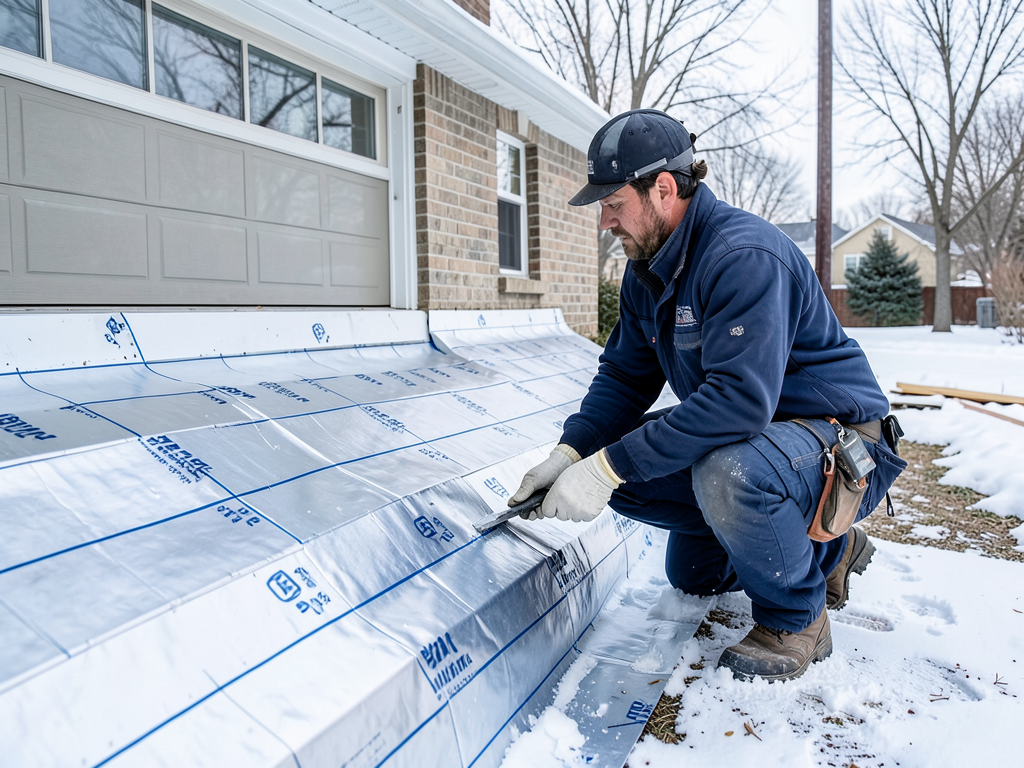
Material selection starts with understanding your building use. A warehouse with minimal climate control needs a different membrane than a temperature-sensitive facility. We specify TPO, EPDM, or modified bitumen based on your actual thermal loads, not what we have in stock. The base insulation layer must meet Dallas energy code minimums while preventing condensation in your specific humidity conditions.

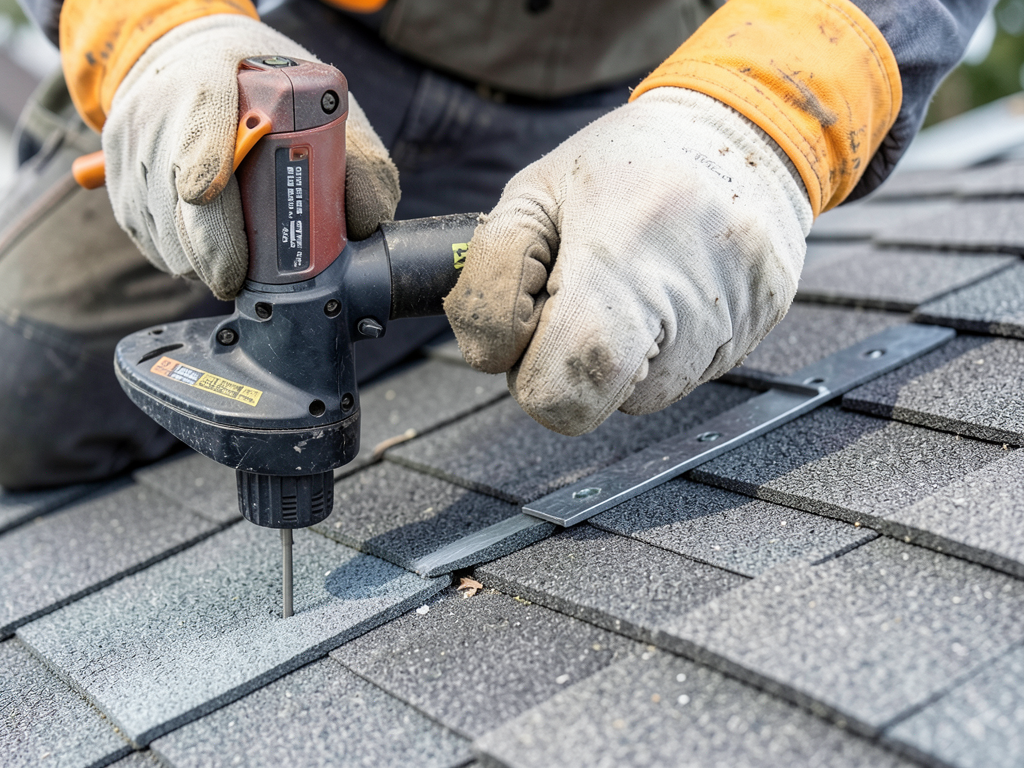
Installation precision means field-verified measurements before fabrication. Commercial roofers who pre-cut materials offsite and adjust onsite create weak points. We template critical areas, verify all penetrations, and coordinate with your HVAC contractor to ensure proper curb heights and flashing integration. Every seam gets tested. Every fastener pattern follows engineered drawings, not installer preference.

Project management separates professional commercial roofing companies from contractors who disrupt your business. We phase work to maintain operations. If you run a retail location, we work overnight or in sections that keep your doors open. If you operate a medical facility, we coordinate with your infection control team and maintain negative pressure protocols.

You get a dedicated project supervisor who communicates daily. No surprises. No crew changes mid-project. No extended timelines because another job took priority. Industrial roofing contractors who respect your business understand that your roof replacement is your problem, but your operations continuing is your priority. We handle both.

What Happens During Your Commercial Roof Project

Commercial Roofing Contractors in Dallas | Built for Business Continuity and Zero Downtime
01

Building Assessment and Load Analysis

We start with a structural evaluation that includes core samples to verify your existing roof assembly and decking condition. Our engineers calculate dead load and live load capacity to confirm your structure can support the proposed system. You receive a detailed report with thermal imaging to identify hidden moisture, plus a written scope that addresses every penetration, transition, and drainage concern specific to your building.
02

Phased Installation and Protection

Installation follows a section-by-section approach that keeps your building weathertight every night. We remove only what we can replace in a single work period. All HVAC equipment stays operational unless you approve a shutdown. Our crews establish containment barriers to prevent dust and debris from entering your workspace. You get daily progress reports and photo documentation of each completed phase before we move to the next section.
03

Testing and Documentation Delivery

Every finished section undergoes flood testing or electronic leak detection before final inspection. You receive as-built drawings showing all penetrations, seam locations, and drainage paths for future maintenance planning. We provide complete warranty documentation from both our installation and the manufacturer, plus a maintenance protocol specific to your membrane type and local weather patterns. Your facility manager gets a reference guide for inspection intervals.

Why Dallas Building Owners Choose Local Commercial Roofing Expertise

National chains send rotating crews with no accountability. Local commercial roofing contractors have reputations to protect and relationships that matter.

Grand Roofing Dallas maintains relationships with the same suppliers, engineers, and inspectors you will encounter during permitting. We know which Dallas building inspectors require additional documentation for membrane attachments. We know which municipalities enforce stricter wind uplift requirements because of their proximity to open prairie. That knowledge saves you time and prevents rejections that delay your project.

Our crews understand North Texas weather patterns. We do not start tear-off on days when afternoon thunderstorms are likely. We schedule intensive work during the stable weather windows that experienced commercial roofers recognize. A crew from out of state does not know that a morning temperature of 68 degrees in May means a likely storm by 3 p.m.

We also understand Dallas commercial real estate. If you own a warehouse in the Design District, we know the historical preservation considerations. If you manage a facility near DFW Airport, we coordinate with FAA height restrictions and reflectivity requirements. Commercial roofing companies without local experience treat every project like a generic box.

Your insurance adjuster will likely be local. Your property manager will likely be local. Your tenants will definitely be local. When problems arise, and they sometimes do, a local commercial roofing firm responds. We do not send you to a national call center. You call a local number and speak to someone who knows your building.

What to Expect from Your Commercial Roofing Project

Project Timeline and Scheduling Flexibility

Most commercial projects take two to six weeks depending on size and complexity. We provide a detailed schedule during contract signing that includes weather contingency days and critical path milestones. If your business has seasonal peaks, we adjust our timeline to match your low-traffic periods. Weekend and overnight work is available for facilities that cannot tolerate daytime disruption. You get 48-hour advance notice before each work phase begins, and we never expand the work area without approval. Our project manager remains on site during all active work periods to address questions and coordinate with your team.

Detailed Assessment and Transparent Pricing

Your initial consultation includes a roof inspection with moisture scanning and structural evaluation. We identify all areas requiring repair before installation begins. You receive a written proposal that breaks down material costs, labor, disposal, and permits separately. No allowances or placeholder numbers. If we discover concealed damage during tear-off, we document it with photos and provide a written change order before proceeding. Our contracts include payment schedules tied to completion milestones, not arbitrary dates. You pay for completed work, not promises. We also coordinate with your insurance provider if you are filing a claim for storm damage.

Quality Control and Final Inspection

Every installation follows manufacturer specifications to maintain warranty validity. Our quality control process includes third-party inspections at critical stages and final testing before we consider the job complete. You receive a complete photo record of the installation process, showing substrate condition, insulation placement, and membrane application. We perform a final walkthrough with you or your facility manager to verify satisfaction and address any concerns. The roof is not finished until you sign off. We also provide a post-installation report that includes maintenance recommendations and inspection intervals specific to your system type and building use.

Warranty Protection and Ongoing Support

You receive both manufacturer material warranties and our installation warranty, with terms clearly defined in writing. We offer optional maintenance programs that include biannual inspections, debris removal, and minor repairs to extend roof life. Many commercial property owners choose a scheduled maintenance plan because it prevents small issues from becoming major failures. Our service team responds to emergency calls within four hours for active leaks or storm damage. We maintain detailed records of all service visits and repairs, which proves valuable for insurance claims and property sales. Your warranty remains valid as long as you follow the recommended maintenance schedule.

Frequently Asked Questions

You Have Questions,
We Have Answers

Is commercial roofing worth it? +

Commercial roofing is an investment in business continuity and asset protection. A quality roof system prevents downtime from leaks, protects inventory and equipment, and maintains climate control efficiency. In Dallas, where hail storms and thermal cycling stress roof membranes, a properly installed commercial roof reduces liability exposure and insurance claims. Energy-efficient systems lower HVAC costs in Texas heat. The ROI comes from avoided emergency repairs, extended service life, and code compliance. For multi-tenant properties, a failing roof directly impacts occupancy rates and rental income.

How much do roofing contractors make per roof? +

Contractor revenue per roof varies by project scope, material selection, and building complexity. This question conflates business revenue with contractor profit. Commercial projects in Dallas range from small TPO repairs to complete tear-offs on warehouse facilities. A contractor's gross income includes labor, materials, equipment, insurance, and overhead. The actual profit margin after expenses typically runs lower than perceived. Payment structures also differ between negotiated contracts and competitive bids. Focus on project value and quality execution rather than contractor earnings when evaluating commercial roofing partners.

What is commercial roofing called? +

Commercial roofing encompasses flat roof systems, low-slope applications, and industrial membrane installations. Common systems include TPO, EPDM, modified bitumen, built-up roofing, and metal panel assemblies. The industry distinguishes these from residential steep-slope work due to different material requirements, installation methods, and code standards. In Dallas, commercial roofing addresses specific challenges like ponding water, thermal expansion in extreme heat, and wind uplift resistance for large roof planes. The term covers new construction, reroofing, restoration, and ongoing maintenance programs for warehouses, retail centers, office buildings, and industrial facilities.

What does a roofing contractor charge per square? +

Commercial roofing contractors price by the square, which equals 100 square feet. Rates vary based on membrane type, substrate condition, building height, accessibility, and project timeline. TPO and EPDM installations differ in cost from built-up or metal systems. Dallas projects factor in local labor rates, permit requirements, and seasonal demand. Tear-off and disposal add expense. Insulation upgrades, tapered systems for drainage, and penetration flashing increase complexity. Large warehouse roofs command different pricing than multi-level office buildings. Request detailed scope breakdowns rather than per-square estimates alone to compare contractor proposals accurately.

How much should a 2000 sq ft roof cost? +

This question applies to residential steep-slope roofing, not commercial applications. Commercial buildings measure roofs in squares and price by system type and complexity. A 2,000 square foot commercial roof section follows different cost structures than residential shingle work. Factors include membrane selection, insulation requirements, drainage design, and building code compliance. Dallas commercial projects require engineering analysis for wind uplift and proper flashing details. Warehouse roofs differ from office buildings in accessibility and structural considerations. For commercial roofing budgets, focus on lifecycle cost analysis and performance specifications rather than residential pricing models.

What is the 10/50/50 rule? +

The 10/50/50 rule addresses roofing contractor payment schedules and deposit structures. Industry standards recommend 10 percent down payment, 50 percent at material delivery, and 50 percent upon completion. This protects both parties in commercial contracts. Large Dallas commercial projects often use different payment structures tied to completion milestones, material procurement, and lien release documentation. For warehouse or retail center work, progress billing based on completed sections provides better cash flow management. Avoid contractors demanding large upfront deposits. Legitimate commercial roofing companies maintain supplier credit and working capital to finance projects appropriately.

Can roofers make 100k a year? +

Experienced commercial roofing professionals earn substantial income through technical expertise and project management skills. Foremen, estimators, and project superintendents with certifications in TPO, EPDM, or metal systems command higher compensation. In Dallas, commercial roofers working on large industrial or retail projects can reach six-figure income through base salary, performance incentives, and overtime during peak season. The income potential increases for those managing crews, handling complex installations, or specializing in restoration and maintenance contracts. Earnings reflect skill level, safety record, manufacturer certifications, and ability to troubleshoot membrane failures or drainage issues.

Is 30% profit margin too high? +

Profit margins in commercial roofing reflect risk, overhead, and market conditions. A 30 percent margin may indicate premium service with comprehensive warranties, superior materials, and experienced crews. It can also signal inefficiency or inflated pricing. Dallas commercial projects involve liability insurance, bonding requirements, permit costs, and equipment investment. Evaluate total project value rather than margin percentages alone. Low-margin contractors may cut corners on flashing details, insulation, or substrate preparation. Focus on scope clarity, material specifications, installation standards, and contractor reputation. The lowest bid often creates higher lifecycle costs through callbacks and premature failure.

Where do roofers make the most money? +

Commercial roofers earn highest compensation in metro areas with robust construction activity, severe weather exposure, and commercial development. Dallas represents a strong market due to hail frequency, thermal stress on membranes, and ongoing warehouse construction. Coastal regions with hurricane risk demand specialized expertise. Energy corridor cities need industrial roofing for refineries and chemical plants. Roofers with manufacturer certifications, safety training, and project management skills command premium rates. Income potential increases in markets requiring complex installations, strict building codes, and year-round construction cycles. Specialized skills in metal restoration or green roof systems expand earning opportunities.

How to tell if a roofer is lying? +

Verify contractor claims through specific documentation. Request proof of insurance with Dallas project addresses, manufacturer certifications for proposed membrane systems, and recent references with contact information. Examine material specifications against manufacturer data sheets. Question vague scope descriptions or exclusions buried in proposals. Legitimate contractors provide detailed flashing plans, insulation R-values, and drainage calculations. Check licensing through local building departments. Review proposed warranties for coverage limitations. Be skeptical of pressure tactics, large deposit demands, or reluctance to provide written change order processes. Inspect previous Dallas installations to verify workmanship quality and attention to penetration details.

How Dallas Building Codes and Storm Patterns Affect Commercial Roofing Decisions

Dallas operates under the International Building Code with local amendments that affect wind uplift requirements and drainage specifications. The city sits in Wind Zone II, which mandates specific fastening patterns and edge securement for commercial roof systems. Spring hailstorms with stones exceeding two inches in diameter are common, requiring impact-resistant membranes for properties in high-exposure areas. The clay soil throughout Dallas County expands and contracts with moisture changes, creating differential movement that transfers stress to roof structures. Commercial roofing contractors who ignore these local factors install systems that fail prematurely, leaving building owners facing costly repairs and potential liability issues.

Grand Roofing Dallas maintains active relationships with local building departments and stays current on code changes that affect commercial properties. We work regularly with the same structural engineers and third-party inspectors your project will require, which streamlines the permitting process and prevents delays. Our crews train specifically on the roofing challenges common to North Texas, including proper flashing techniques for the intense thermal cycling and drainage solutions for the brief but heavy rainfall events typical of this region. Choosing local expertise means choosing contractors who understand your building exists in a specific regulatory environment with specific weather risks that demand specific solutions.
Roofing Services in The Dallas Area

Grand Roofing Dallas proudly serves the entire metropolitan area and surrounding communities. We're committed to providing prompt, professional service wherever you are. Use the map to see our location and service radius, or simply give us a call to schedule an in-person consultation at your property. We look forward to bringing our expert roofing solutions directly to you.

Address:
Grand Roofing Dallas, 4422 Live Oak St, Dallas, TX, 75204

Additional Services We Offer

Our news updates

Latest Articles & News from The Blogs

Choosing Energy Star Rated Shingles to Lower Your Cooling Bills in Grand Prairie Energy Star rated shingles can reduce your…

Choosing Energy Star Rated Shingles to Lower Your Cooling Bills in Grand Prairie

Choosing Energy Star Rated Shingles to Lower Your Cooling Bills in Grand Prairie Energy Star rated shingles can reduce your…

How to Properly Vent a Vaulted Ceiling Roof in Your Lakewood Mid-Century Modern

How to Properly Vent a Vaulted Ceiling Roof in Your Lakewood Mid-Century Modern Vaulted ceilings in Lakewood’s Mid-Century Modern homes…

Adding Timeless Character with Copper Gutters and Accents to Your Preston Hollow Home

Adding Timeless Character with Copper Gutters and Accents to Your Preston Hollow Home Copper gutters bring unmatched elegance and durability…

Contact Us

Your roof protects your biggest investment. Do not trust it to contractors who treat every building the same. Call Grand Roofing Dallas at (214) 204-2077 for a detailed evaluation and transparent proposal. We respond within 24 hours and provide written assessments that help you make informed decisions.