

menu

Critter & Pest Damage in Dallas – Expert Diagnosis and Permanent Animal Intrusion Solutions

Grand Roofing Dallas identifies and repairs roof wildlife damage from raccoons, squirrels, and rodents using exclusion methods that stop repeat infestations and restore structural integrity.

Slider Image 1
Slider Image 2
Slider Image 3
Slider Image 4
Slider Image 5
Slider Image 7
Slider Image 8
Slider Image 9
Slider Image 10
Slider Image 11

Why Dallas Roofs Attract Wildlife and the Damage You Can't See

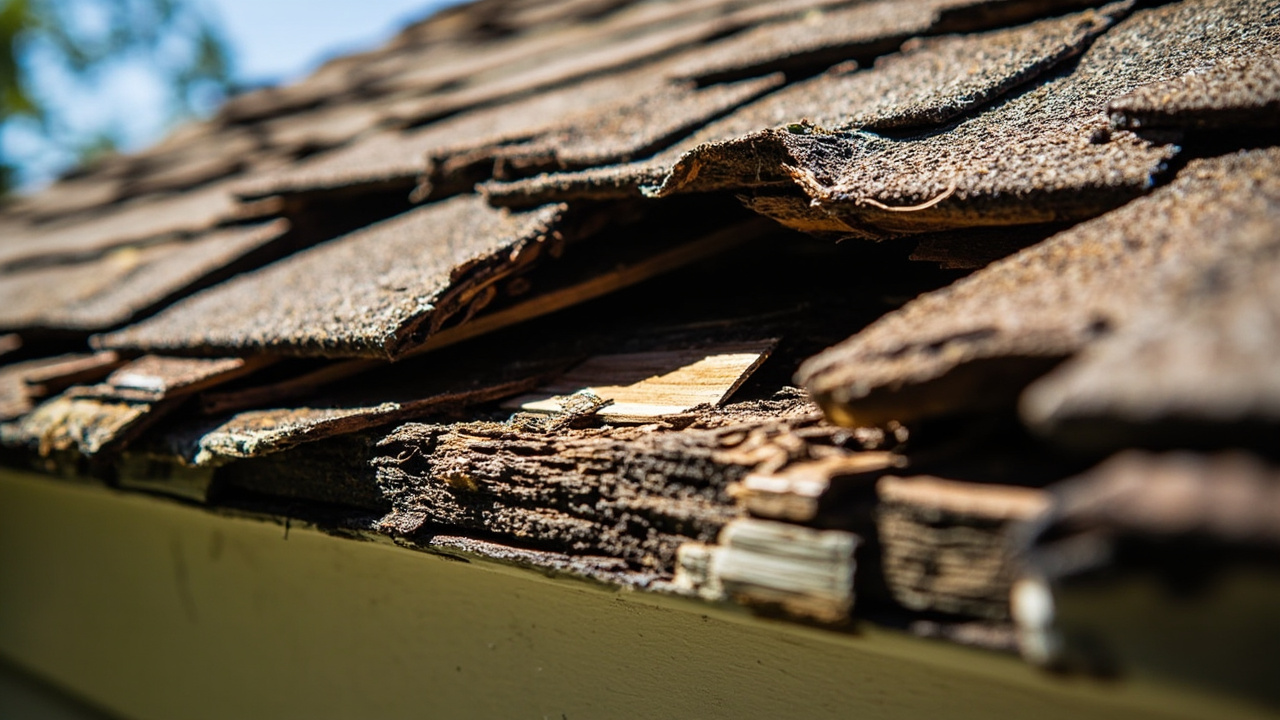
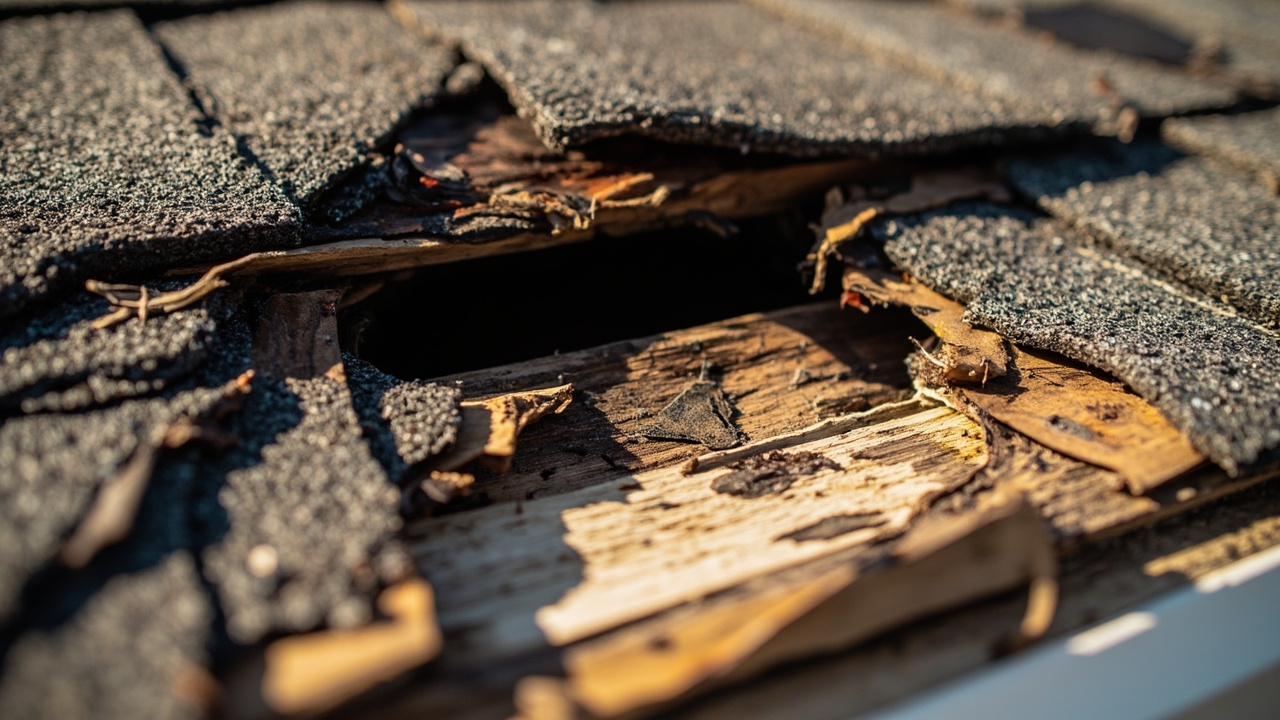
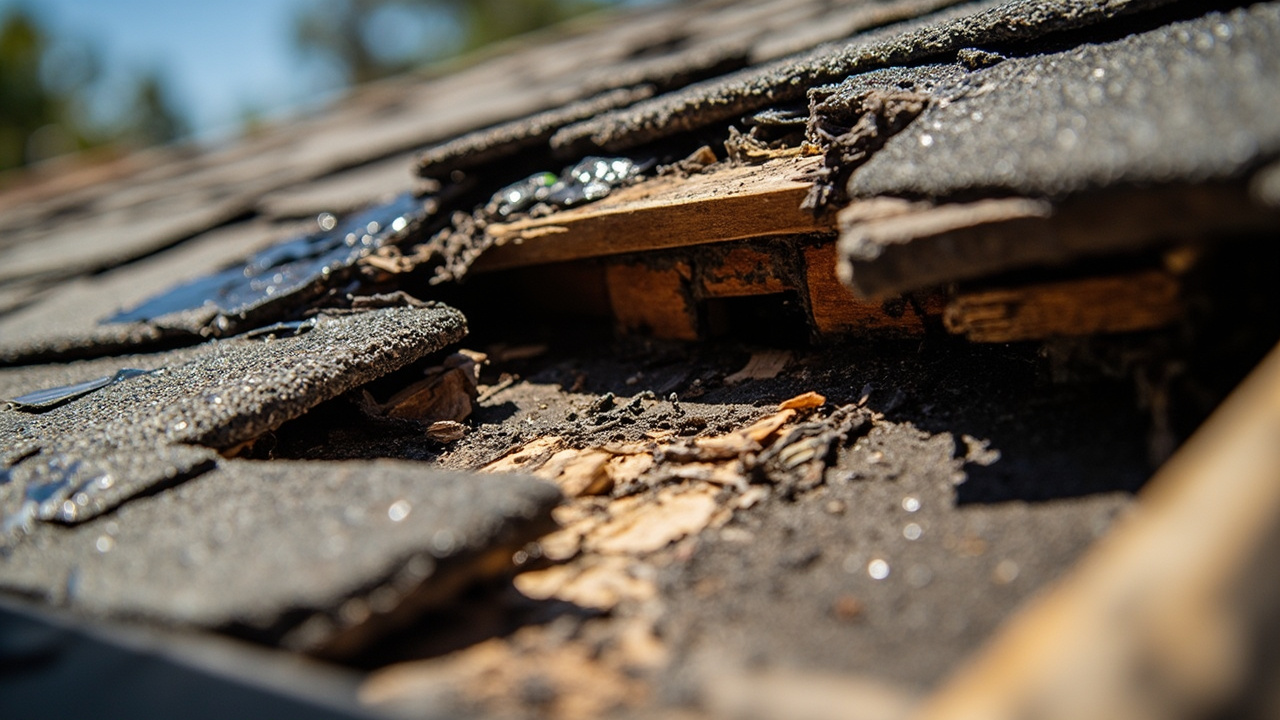
Dallas's mild winters and sprawling oak canopy create ideal conditions for roof-dwelling pests. Squirrels, raccoons, possums, and rats treat your attic like a climate-controlled nesting site. The damage starts small. A squirrel chews through a soffit vent. A raccoon tears back shingles to widen a gap near the ridge vent. Rodents gnaw through wood decking to reach insulation.

You might hear scratching at dusk or notice droppings in your attic. What you don't see is the structural damage accumulating underneath. Vermin roof destruction includes chewed electrical wiring, which creates fire risks. Urine-soaked insulation loses R-value and harbors mold spores. Rodent roof damage often compromises flashing around chimneys and plumbing vents, which leads to leaks during Dallas's intense spring thunderstorms.

Animal intrusion roofing problems escalate fast in neighborhoods near White Rock Lake, Kiest Park, and the Trinity River greenbelt, where wildlife populations are dense. A single entry point becomes a highway. One squirrel invites a colony. Raccoons return to the same den site year after year, expanding the damage with each breeding season.

Pest damage to shingles is rarely covered by standard homeowner policies unless you can prove sudden destruction. Most insurers classify it as preventable maintenance, which means you pay out of pocket if you wait too long. The key is catching animal intrusion early, before a small hole becomes a structural liability that requires decking replacement and attic sanitization.

Why Dallas Roofs Attract Wildlife and the Damage You Can't See
How We Stop Animal Damage and Repair What Pests Destroy

How We Stop Animal Damage and Repair What Pests Destroy

We don't just patch holes. We eliminate entry points and reverse the damage animals leave behind. Our process starts with a forensic roof inspection. We crawl your attic to identify active nests, droppings, and chewed pathways. We mark every penetration in the roof deck, even the ones you can't see from the ground.

Next, we assess whether the damage is cosmetic or structural. Squirrels often chew through OSB sheathing to reach attic spaces. Raccoons tear back step flashing around chimneys and rip apart ridge vents. We document everything with photos and moisture readings to determine if water intrusion has started.

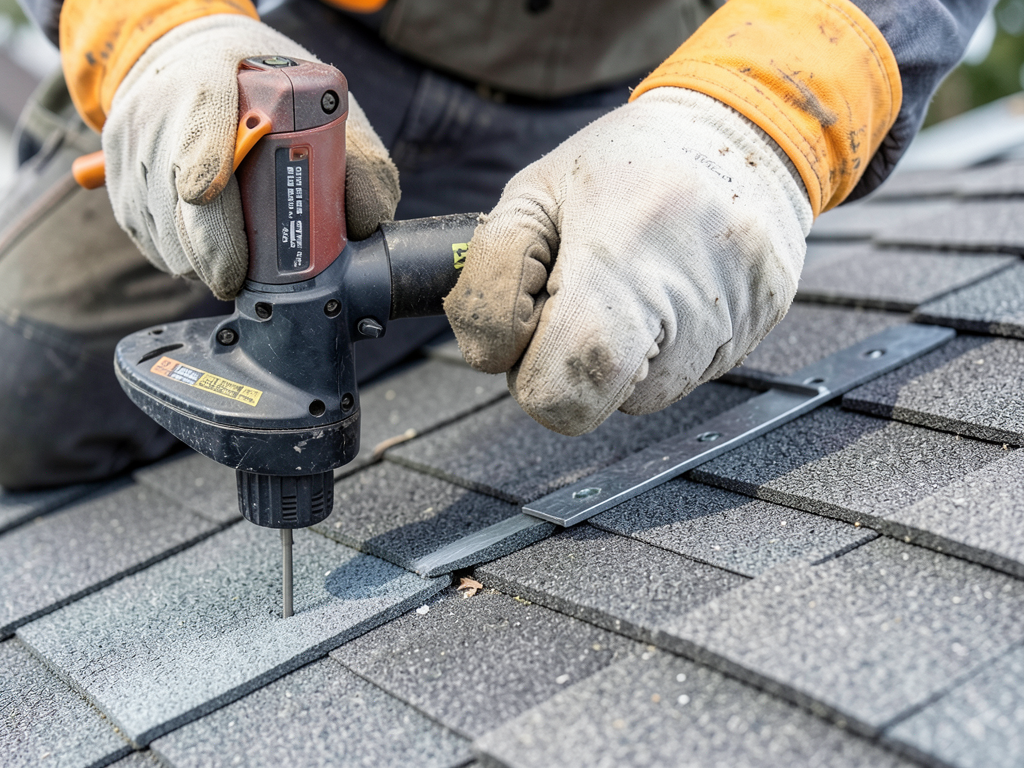
Repair begins with exclusion. We install galvanized steel mesh over soffit vents, replace damaged fascia boards with rot-resistant materials, and seal gaps around roof penetrations using code-compliant flashing techniques. We don't use foam or caulk where animals can chew through again in six months. We use 16-gauge hardware cloth anchored with stainless fasteners.

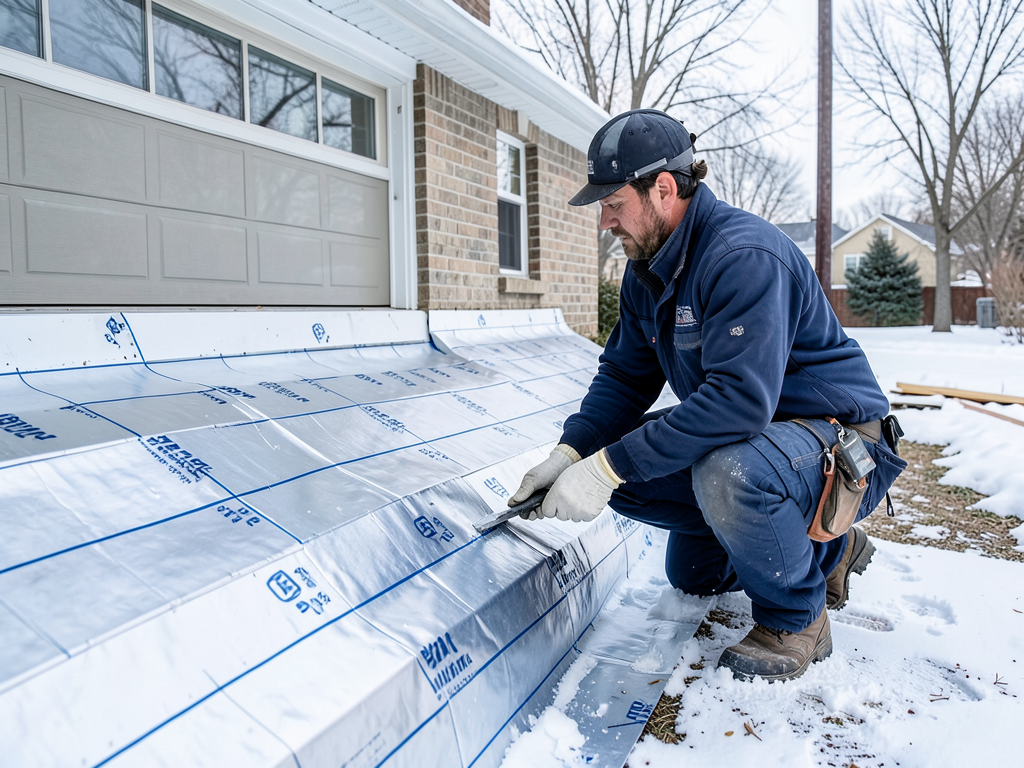
For shingle damage, we remove compromised sections and replace them with dimensional shingles that match your existing roof profile. If rodents have destroyed underlayment or created gaps in the decking, we sister in new plywood and install ice-and-water shield to prevent future leaks. For severe cases involving urine contamination or mold growth, we coordinate attic insulation removal and sanitization before sealing the structure.

Grand Roofing Dallas works with wildlife removal specialists when live animals are present, but we handle all structural repairs in-house to ensure proper integration with your existing roofing system.

What Happens When You Call Us About Roof Pest Damage

Critter & Pest Damage in Dallas – Expert Diagnosis and Permanent Animal Intrusion Solutions
01

Attic and Exterior Inspection

We examine your attic for nesting materials, droppings, chewed wiring, and compromised insulation. Outside, we inspect soffit vents, ridge caps, and roof-to-wall transitions where animals typically enter. We use thermal imaging to detect hidden moisture from urine or rain penetration. You get a detailed report with photos showing every damaged area and entry point.
02

Exclusion and Structural Repair

We seal all entry points using materials animals can't destroy. Damaged decking gets replaced with CDX plywood. Torn shingles are removed and replaced. We rebuild soffit sections using fiber cement board and install vent guards made from galvanized mesh. Flashing around chimneys and plumbing boots is re-formed and sealed with roofing cement to eliminate gaps. Every repair meets Dallas building code standards.
03

Prevention and Documentation

We trim back tree limbs within six feet of your roofline to eliminate animal pathways. You receive a written repair summary with material specs and warranty coverage. We photograph completed work for your insurance claim if needed. Our exclusion methods stop repeat intrusions, so you don't pay for the same repair twice. Follow-up inspections are available if you hear new activity within 90 days.

Why Dallas Homeowners Choose Us for Wildlife Roof Repairs

Wildlife damage requires a different skill set than storm repair. You need someone who understands animal behavior and structural roofing. Grand Roofing Dallas has repaired hundreds of roofs damaged by squirrels, raccoons, and rodents in neighborhoods from Lakewood to Oak Cliff. We know where animals enter, how they move through attic spaces, and which materials hold up to repeated gnawing.

We work directly with your insurance adjuster when coverage applies. Most policies exclude gradual damage but cover sudden destruction, like a raccoon tearing through your roof deck in one night. We document the timeline and provide evidence to strengthen your claim. If your policy doesn't cover the damage, we give you a transparent estimate with no hidden fees.

Dallas building codes require specific flashing details and vent configurations that affect pest exclusion. We follow IRC standards for roof penetrations and use materials approved for our climate zone. A poorly installed ridge vent or gap in the drip edge is an open invitation for animals. We don't leave those gaps.

Our team has worked on historic homes in Munger Place, mid-century ranches in Lake Highlands, and new construction in Far North Dallas. We match existing shingle profiles and use the same fastener patterns to maintain your roof's wind rating. You won't see mismatched patches or temporary fixes.

We also coordinate with licensed wildlife trappers when animals are still inside your attic. We don't seal entry points until all animals are removed, which prevents trapped pests from dying in your walls. Once exclusion is complete, we handle all repairs under one contract, so you're not managing multiple vendors.

What to Expect During Wildlife Damage Roof Repair

Response Time and Scheduling

We schedule inspections within 48 hours of your call. Most wildlife damage repairs are completed in one to three days, depending on the extent of structural compromise. If animals are still active, we coordinate trapping and removal before starting exclusion work. Emergency tarping is available if rain is forecast and your roof deck is exposed. We work around your schedule and provide daily updates during multi-day projects.

Inspection and Damage Assessment

Our inspection covers your entire attic, not just the obvious entry point. We check for chewed electrical wiring, compromised insulation, and moisture damage to framing members. Outside, we examine every roof penetration, fascia board, and soffit vent. You get a written report with photos showing all damage and a prioritized repair plan. We explain which repairs are urgent and which can wait if budget is a concern.

Quality of Materials and Workmanship

We use architectural shingles that match your existing roof color and profile. Decking repairs are done with CDX plywood, not OSB, for better moisture resistance. Exclusion materials include 16-gauge galvanized hardware cloth and stainless steel fasteners that resist rust in Dallas humidity. All flashing is formed from 26-gauge galvanized steel and sealed with high-grade roofing cement. We don't use temporary fixes or materials animals can chew through in six months.

Warranty and Follow-Up Support

Our exclusion work carries a one-year warranty against animal re-entry at the same location. Shingle and decking repairs are covered under our standard workmanship warranty. If you hear new scratching within 90 days, we return for a free inspection to verify the exclusion is still intact. We provide maintenance tips for trimming tree limbs and monitoring vulnerable areas. Annual roof inspections are available to catch new damage before it escalates.

Frequently Asked Questions

You Have Questions,
We Have Answers

What pest is most damaging to a house? +

Termites cause the most structural damage to homes in Dallas. These wood-destroying insects eat through framing, joists, and rafters silently for years before you notice. Subterranean termites thrive in North Texas clay soil and high humidity. They tunnel through foundation cracks and attack wooden structural members from the inside out. Carpenter ants also hollow out wood but do not consume it like termites. Rats and squirrels damage wiring and insulation but rarely compromise structural integrity. If you see mud tubes on your foundation or sagging floors, you need a termite inspection immediately.

Is critter control the same as pest control? +

No. Critter control focuses on wildlife like raccoons, squirrels, bats, and opossums. Pest control targets insects and rodents like termites, roaches, ants, and mice. Critter control in Dallas often involves humane trapping, exclusion work, and attic cleanup after animals nest in your home. Pest control uses chemical treatments, baiting systems, and barrier applications. Many Dallas homes need both services. Squirrels chew through roof vents while termites eat the wood underneath. Choose a company that handles both wildlife removal and insect control to address all entry points and damage.

What is pest damage? +

Pest damage is physical harm to your home caused by insects, rodents, or wildlife. This includes termites eating structural wood, rats chewing electrical wiring, raccoons tearing insulation, and carpenter bees drilling holes in fascia boards. In Dallas, high humidity and mild winters create year-round pest activity. Damage often goes unnoticed until it becomes severe. Rats gnaw through PVC plumbing, causing water leaks. Squirrels shred attic insulation for nests. Termites hollow out floor joists until floors sag. Regular inspections catch damage early before it threatens your home's structure or safety.

What animal causes the most property damage? +

Raccoons cause the most property damage among wildlife in Dallas. These strong animals rip off roof vents, tear through soffit panels, and shred attic insulation to create nesting sites. They damage ductwork, chew wiring, and contaminate insulation with feces and urine. Squirrels run a close second by gnawing through electrical wires and chewing roof decking. Both animals exploit construction gaps common in Dallas homes. Bats also cause significant damage through guano accumulation and urine staining. Wildlife damage often requires roof repairs, insulation replacement, and extensive sanitation work after removal.

What is the hardest pest to get rid of? +

Bed bugs are the hardest pest to eliminate. These tiny insects hide in mattress seams, baseboards, electrical outlets, and furniture cracks. They survive months without feeding and resist many chemical treatments. German cockroaches also prove difficult because they reproduce rapidly and hide in wall voids. In Dallas, subterranean termites require ongoing monitoring because they attack from underground colonies outside your home. You kill the workers inside, but the queen keeps sending more. Successful bed bug elimination requires heat treatments, multiple chemical applications, and thorough inspection of every hiding spot.

How to tell if your house is infested? +

Check for droppings first. Mouse droppings look like dark rice grains. Roach droppings resemble ground pepper. You will smell musky odors from rodent urine or roach feces in enclosed spaces like cabinets. Listen for scratching sounds in walls or ceilings at night when rodents are active. Look for grease marks along baseboards where rats travel repeatedly. Inspect for chewed food packaging, gnawed wires, or shredded insulation. In Dallas attics, check for scattered insulation and dark staining on rafters. Finding dead insects near windows or live bugs during daytime indicates heavy infestation.

What are the signs of a critter problem? +

Strange noises signal critter problems. Scratching, thumping, or scurrying sounds in your attic or walls mean animals are nesting. You will notice droppings on insulation, in corners, or near entry points. Check your roofline for damaged vents, torn screens, or chewed fascia boards. Animals leave greasy rub marks where they squeeze through openings. You might smell strong musky odors from urine or nesting materials. In Dallas, inspect your foundation for fresh dig marks where armadillos or skunks burrow. Chewed wiring, torn ductwork, or scattered insulation in your attic confirms active wildlife activity.

Do I have to wash everything after pest control? +

It depends on the treatment type. For interior spray treatments, wipe down countertops, tables, and food prep surfaces after the product dries. You do not need to wash dishes in closed cabinets or clothes in drawers. For roach gel baits or rodent stations, no washing is required since products stay contained. After flea treatments, vacuum carpets thoroughly but do not mop for several days to let residual products work. Dallas pest control companies use low-toxicity products for interior applications. Ask your technician which surfaces contacted chemicals and need cleaning.

What is the average cost for an exterminator to get rid of mice? +

Mouse extermination costs vary based on infestation severity and home size. Expect to pay for an initial inspection, trap placement, entry point sealing, and follow-up visits. Larger Dallas homes with multiple entry points cost more than small single-story houses. Heavy infestations require more traps and visits. Many companies charge separately for exclusion work like sealing foundation gaps or repairing damaged vents. Ongoing monitoring prevents re-infestation. Get written estimates from multiple companies. Cheap initial pricing often excludes critical exclusion work, leaving entry points open for new mice.

Will homeowners insurance cover pest damage? +

Most homeowners policies exclude pest damage. Insurance companies consider pest infestations a maintenance issue you should prevent through regular inspections. Termite damage, rodent chewing, and wildlife destruction typically fall under exclusions. However, if a covered peril causes the infestation, you might have coverage. For example, if storm damage creates a roof opening that lets raccoons inside, the resulting damage might be covered. Review your policy carefully. Some Dallas insurers offer separate pest damage riders for additional premium. Document all damage with photos and get professional assessments before filing claims.

How Dallas's Urban Forest and Mild Winters Increase Roof Pest Activity

Dallas's mature tree canopy and moderate winter temperatures create year-round habitat for roof-dwelling wildlife. Squirrels breed twice annually and seek warm attic spaces for nesting. Raccoons den in chimneys and roof voids from January through March. Roof rats thrive in neighborhoods near Bachman Lake and the Trinity River corridor, where food sources are abundant. Unlike northern climates where pests hibernate, Dallas animals stay active all winter, which means damage accumulates continuously if entry points aren't sealed.

Grand Roofing Dallas understands local pest behavior and the specific vulnerabilities of Dallas-area roofing styles. We've repaired wildlife damage on everything from 1920s bungalows with wood siding to modern homes with complex rooflines. Our team knows which tree species attract squirrels and where raccoons typically tear through fascia boards. We follow Dallas building codes for roof vent installation and flashing details, which ensures repairs hold up during summer heat and spring storms.
Roofing Services in The Dallas Area

Grand Roofing Dallas proudly serves the entire metropolitan area and surrounding communities. We're committed to providing prompt, professional service wherever you are. Use the map to see our location and service radius, or simply give us a call to schedule an in-person consultation at your property. We look forward to bringing our expert roofing solutions directly to you.

Address:
Grand Roofing Dallas, 4422 Live Oak St, Dallas, TX, 75204

Additional Services We Offer

Our news updates

Latest Articles & News from The Blogs

Choosing Energy Star Rated Shingles to Lower Your Cooling Bills in Grand Prairie Energy Star rated shingles can reduce your…

Choosing Energy Star Rated Shingles to Lower Your Cooling Bills in Grand Prairie

Choosing Energy Star Rated Shingles to Lower Your Cooling Bills in Grand Prairie Energy Star rated shingles can reduce your…

How to Properly Vent a Vaulted Ceiling Roof in Your Lakewood Mid-Century Modern

How to Properly Vent a Vaulted Ceiling Roof in Your Lakewood Mid-Century Modern Vaulted ceilings in Lakewood’s Mid-Century Modern homes…

Adding Timeless Character with Copper Gutters and Accents to Your Preston Hollow Home

Adding Timeless Character with Copper Gutters and Accents to Your Preston Hollow Home Copper gutters bring unmatched elegance and durability…

Contact Us

Don't wait for a small hole to become a major structural repair. Call Grand Roofing Dallas at (214) 204-2077 for a detailed inspection and transparent repair estimate. We'll identify every entry point, assess the damage, and give you a plan that stops animals for good.