How Class 4 Impact Resistant Shingles Save You Money in Irving
Living in Irving means facing North Texas hail storms that can destroy standard roofing materials. Class 4 impact resistant shingles offer homeowners a proven way to reduce insurance premiums by 20-35% while providing superior protection against hail damage. These shingles meet the UL 2218 Class 4 standard, surviving steel ball impacts that would crack traditional asphalt shingles. Texas Department of Insurance Form BMD-1.
Beyond insurance savings, Class 4 shingles eliminate the hassle of frequent repairs after hail events. Most Irving homeowners see their investment pay for itself within 5-7 years through reduced premiums and avoided repair costs. The modified asphalt construction also provides better wind resistance and longer overall lifespan compared to standard shingles.. Read more about What Does Wind Damage Actually Look Like on a Shingle Roof?.
Insurance companies in Texas recognize Class 4 shingles as a risk mitigation measure. When properly installed and certified, they trigger premium credits through the Texas Department of Insurance’s Impact Resistant Roofing Product Credit program. This makes them one of the few home improvements that actually pays you back through lower monthly costs. The Benefits of TPO Roofing Systems for Richardson Industrial Properties.
What Makes Shingles Class 4 Impact Resistant
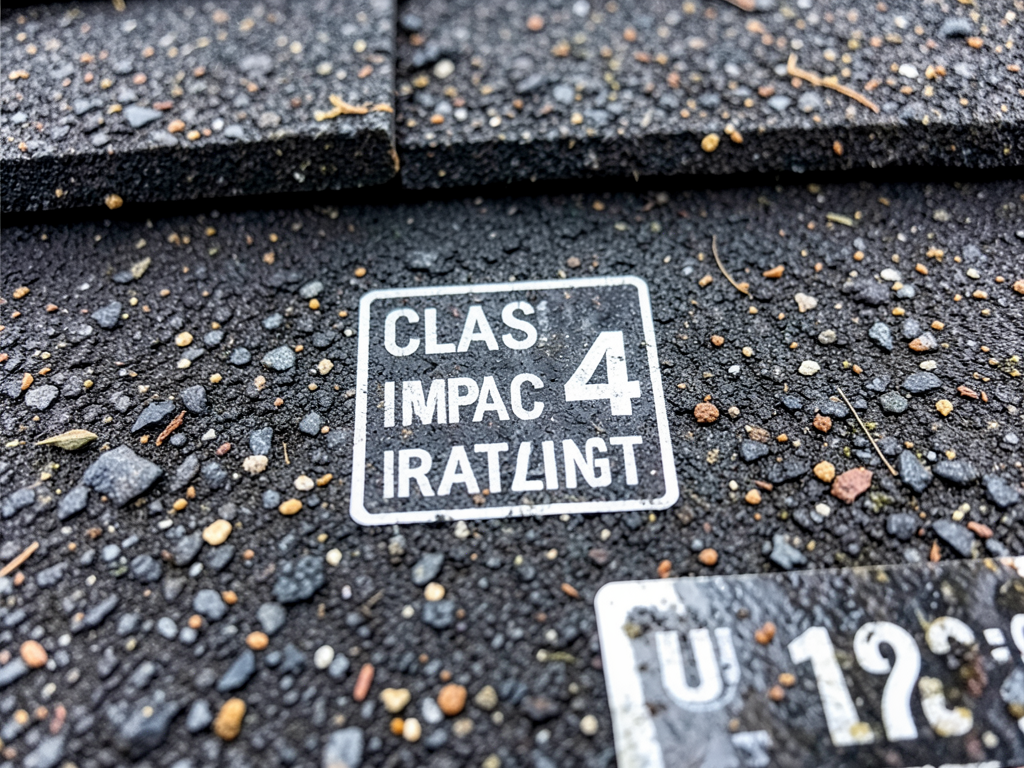
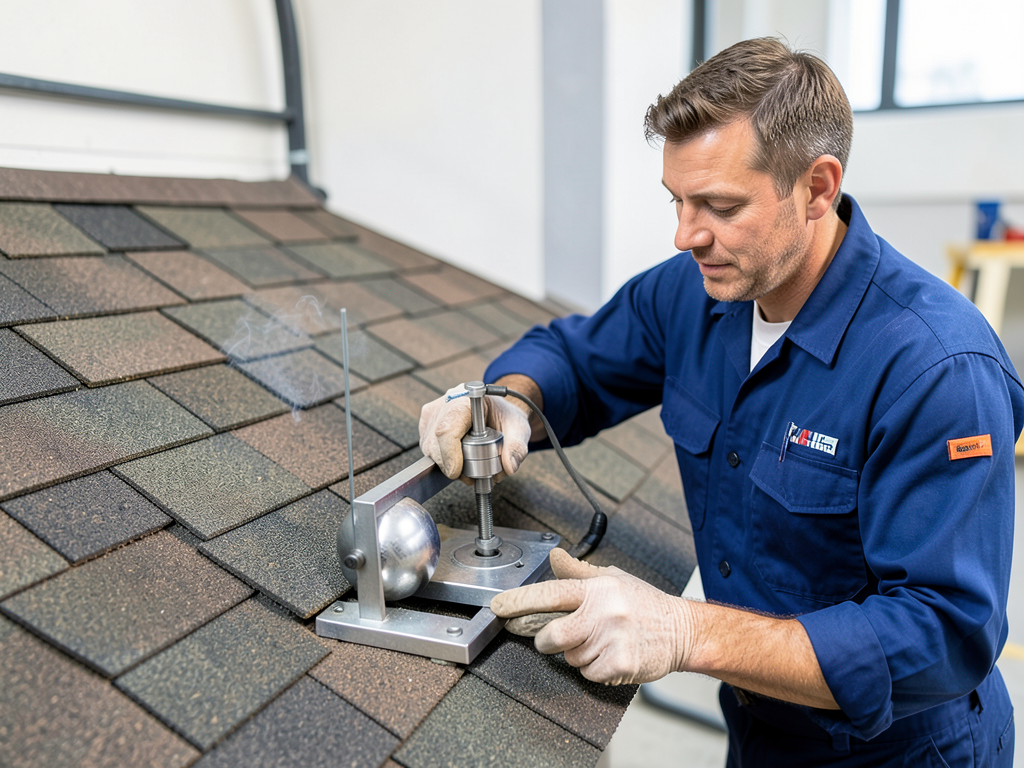
Class 4 rating comes from UL 2218 testing where a 2-inch steel ball drops from 20 feet onto the shingle. The shingle must survive two impacts without cracking to earn the Class 4 designation. This test simulates the force of large hail stones hitting your roof at terminal velocity. UL 2218 Impact Resistance Standard.
The construction differs significantly from standard shingles. Class 4 shingles use polymer-modified asphalt that remains flexible after impact. Some manufacturers add fiberglass reinforcement or rubberized polymers to the mat. These materials absorb impact energy rather than transferring it to the shingle core.
Weight typically increases by 10-15% compared to standard architectural shingles. The heavier base and reinforced nailing zone provide better wind resistance, often rated to 130+ mph. This extra durability means fewer blown-off shingles during high-wind events common in North Texas.
Technical Construction Differences
Standard shingles use a fiberglass mat with asphalt coating. Class 4 shingles add SBS (styrene-butadiene-styrene) polymers to the asphalt mix. These rubber-like polymers allow the shingle to stretch and return to shape after impact, similar to how a rubber ball bounces.
The nailing zone in Class 4 shingles typically extends 2-3 inches wider than standard shingles. This provides more surface area for fasteners and better wind uplift resistance. The sealant strips also use stronger adhesive compounds that activate at lower temperatures.
Many Class 4 shingles feature algae-resistant granules with copper or zinc additives. This prevents the black streaks common on North Texas roofs exposed to high humidity and occasional rain. The UV-resistant coating also maintains color longer in the intense Texas sun.. Read more about Choosing the Right Roof Color to Fight the Little Elm Heat.
Insurance Premium Savings in Irving
Insurance companies in Texas offer premium credits for Class 4 shingles because they reduce claim frequency. The Texas Department of Insurance mandates that insurers provide credits for qualifying impact resistant roofing materials. Most carriers offer 20-35% premium reduction on the roofing portion of your policy. Roofing Balch Springs.
The actual savings depends on your carrier and coverage level. State Farm typically offers 25-30% credit, while Allstate and USAA range from 20-35%. Some smaller regional carriers may offer different percentages. The credit applies to the dwelling coverage portion related to roof replacement. How Much a Full Roof Replacement Really Costs in the Dallas Area.
To qualify, your roof must be installed by a licensed contractor and certified with Form BMD-1 from the Texas Department of Insurance. This certificate proves the materials meet Class 4 standards and the installation follows manufacturer specifications. Without this certification, insurance companies won’t apply the credit.. Read more about Can You Install a New Roof Over Your Old One in Garland?.
Calculating Your Potential Savings
A typical Irving home with $300,000 dwelling coverage might pay $2,000 annually for homeowners insurance. The roofing portion represents about 15-20% of that premium, or $300-400 per year. A 25% credit on this portion saves $75-100 annually.
Class 4 shingles cost $1,500-2,500 more than standard architectural shingles for an average home. At $100 annual savings, the premium difference pays for itself in 15-25 years. However, when you factor in avoided repair costs from hail damage, most homeowners break even in 5-7 years.
The savings calculation becomes more favorable when you consider that standard shingles often need replacement after a severe hail event. A single hailstorm causing $10,000 in roof damage could wipe out 5-10 years of premium savings from standard shingles.
TDI Certification Requirements
The Texas Department of Insurance requires specific documentation for impact resistant roofing credits. Form BMD-1 must be completed by the roofing contractor after installation. This form verifies the materials used and confirms compliance with UL 2218 Class 4 standards.
Contractors must provide proof of material purchase showing Class 4 rating. Most manufacturers include certification labels on each bundle. The contractor submits these documents along with installation photos to their distributor, who then provides the completed Form BMD-1.
Insurance companies require this form before applying premium credits. Some carriers also require a roof inspection to verify the installation meets their standards. This inspection typically costs $100-200 but ensures you receive the full premium reduction. Why a Pre-Storm Roof Inspection is Vital for Every Lake Highlands Homeowner.
Common Certification Mistakes
Many homeowners miss out on credits because contractors fail to submit proper documentation. Some contractors don’t understand the certification requirement or assume the insurance company will verify the materials independently. Without Form BMD-1, you cannot claim the premium credit.
Another common issue involves mixing materials. Some contractors install Class 4 shingles on main roof areas but use standard shingles on dormers or garage sections. Insurance companies may deny credits if the entire roof doesn’t meet Class 4 standards.
Timing also matters. You must submit certification within 30-60 days of installation, depending on your carrier’s requirements. Waiting too long can result in denied claims or reduced credits.
Top Class 4 Shingle Brands for DFW Homes
Several manufacturers produce Class 4 shingles specifically designed for North Texas conditions. Owens Corning Duration Flex uses SureNail technology with a reinforced nailing zone. The Flex technology provides better impact resistance than standard Duration series shingles.
GAF offers the ArmorShield II line with StainGuard Plus protection. These shingles include algae-resistant granules and a 15-year algae warranty. The TPO backing provides additional impact resistance and helps prevent nail pops common in Texas heat.
CertainTeed’s NorthGate series features QuadraBond adhesive and NailTrak installation guides. The fiberglass mat uses more resin for increased flexibility. These shingles carry a limited lifetime warranty when installed with qualifying underlayment.
Brand Comparison Table
| Brand | Wind Rating | Warranty | Algae Protection | Cost Premium |
|---|---|---|---|---|
| Owens Corning Duration Flex | 130 mph | Lifetime limited | 10 years | $1,800-2,400 |
| GAF ArmorShield II | 130 mph | Lifetime limited | 15 years | $1,700-2,300 |
| CertainTeed NorthGate | 130 mph | Lifetime limited | 10 years | $1,600-2,200 |
| IKO Dynasty | 130 mph | 50 years | 15 years | $1,500-2,100 |
ROI Analysis: Class 3 vs Class 4
Standard Class 3 shingles cost $80-100 per square, while Class 4 shingles run $100-130 per square. For a 2,000 square foot roof (20 squares), that’s a $2,000-2,600 difference in material costs. Labor costs remain similar since installation methods don’t change significantly.
Over 15 years, a standard shingle roof in Irving faces a 60-70% chance of significant hail damage requiring partial replacement. Class 4 shingles reduce this risk to 15-20%. This means fewer insurance claims and less out-of-pocket repair costs for the homeowner.
Energy efficiency also improves slightly with Class 4 shingles. The modified asphalt reflects more heat than standard shingles, potentially reducing cooling costs by 5-8% during summer months. In Irving’s hot climate, this translates to $50-100 in annual energy savings.
5-Year vs 10-Year Financial Breakdown
| Cost Factor | Class 3 Shingles | Class 4 Shingles |
|---|---|---|
| Initial Installation | $8,000-10,000 | $10,000-12,600 |
| Insurance Premium (Annual) | $300-400 | $225-300 |
| Hail Repair Costs (5 yrs) | $2,000-4,000 | $500-1,000 |
| Energy Savings (5 yrs) | $250-500 | $300-600 |
| Net 5-Year Cost | $10,050-14,100 | $9,900-12,700 |
Claim Process for Dallas Insurers
Start by contacting your insurance agent after Class 4 installation. Provide the Form BMD-1 certificate and material documentation. Some carriers require photos of the installed roof showing the manufacturer’s markings on shingle backs.
Most Dallas insurers apply premium credits at the next renewal cycle. State Farm processes changes within 30 days of receiving certification. Allstate may require a brief inspection before applying credits. USAA typically processes online submissions within two weeks.
Keep all documentation for future claims. If hail damage occurs, having Class 4 certification helps justify premium credits and may affect claim settlements. Some carriers offer cosmetic damage waivers that prevent claims for minor hail dents that don’t cause leaks.
Step-by-Step Discount Submission
- Gather Documentation
Collect Form BMD-1, material invoices showing Class 4 rating, and installation photos.
- Contact Insurance Agent
Call your agent and request premium credit application. Provide all documentation.
- Schedule Inspection
Some carriers require verification. Schedule through your agent if needed.
- Confirm Credit Application
Verify the credit appears on your next premium notice. Follow up if missing.
Common Myths About Class 4 Shingles
Many homeowners believe Class 4 shingles are bulletproof against all hail damage. While they resist impacts that would destroy standard shingles, extremely large hail (baseball size or larger) can still cause damage. Class 4 means better resistance, not immunity.
Another myth suggests Class 4 shingles void warranties if installed over existing roofs. Most manufacturers allow installation over one layer of existing shingles if local codes permit it. The Class 4 rating remains valid as long as installation follows manufacturer guidelines.
Some homeowners worry about limited color selection. Modern Class 4 shingles come in hundreds of colors and styles matching standard architectural shingles. Manufacturers now produce Class 4 versions of their most popular color lines.
Real-World Performance in Irving
After the May 2024 hail storm that hit Irving with golf ball size hail, Class 4 shingle roofs showed minimal damage while surrounding homes with standard shingles needed $8,000-15,000 in repairs. The Class 4 roofs had small granule loss but no cracks or punctures.
Insurance adjusters report that Class 4 roofs reduce claim severity by 60-80% in moderate hail events. This means faster claim processing and less likelihood of premium increases after a storm. Some carriers even offer deductible reductions for Class 4 installations.
Homeowners who installed Class 4 shingles report peace of mind during hail season. The psychological benefit of not worrying about every storm warning translates to real value for many families in hail-prone areas.
Installation Best Practices
Proper installation proves as important as material quality for Class 4 performance. Installers must follow manufacturer specifications for nail placement, typically requiring six nails per shingle instead of four. The nailing zone must align with the reinforced area to maintain wind resistance.. Read more about Why the Drip Edge is the Most Important Part of Your Coppell Roof.
Underlayment choice affects Class 4 performance. Synthetic underlayments provide better tear resistance than felt paper. Some manufacturers recommend specific underlayment types to maintain warranty coverage. The underlayment should extend up walls and in valleys for complete protection.. Read more about Should You Choose Composite or Standard Asphalt Shingles for Your Grapevine Home?.
Starter strip installation requires special attention. Class 4 starter strips have modified adhesive to prevent wind uplift at roof edges. The first course sets the foundation for the entire roof system, making proper alignment critical.
Quality Control Checklist
- Verify Class 4 certification on all material bundles
- Check nailing pattern meets manufacturer specs
- Inspect starter strip alignment and adhesion
- Verify underlayment extends properly in valleys
- Confirm ventilation meets current code requirements
Environmental Impact and Sustainability
Class 4 shingles last 25-30 years compared to 15-20 years for standard shingles. This longer lifespan means fewer shingles in landfills over time. The modified asphalt also contains recycled materials in many premium lines.
Some manufacturers now offer recycling programs for old shingles. The ground asphalt becomes road base material, reducing construction waste. Class 4 shingles work well in these programs because their durability means less contamination from deteriorated material.
The energy efficiency improvement also reduces carbon footprint. Lower cooling loads mean air conditioners run less frequently, reducing electricity consumption during peak demand periods. This helps stabilize the Texas power grid during summer heat waves.
Recycling and Disposal Options
Many Dallas-area roofing contractors partner with recycling facilities that accept old shingles. The asphalt is ground and used in road construction. A typical roof generates 2-3 tons of material, keeping significant waste out of landfills.
Some Class 4 shingle manufacturers use recycled content in new production. Owens Corning’s Duration Flex line contains up to 10% recycled material. This closed-loop approach reduces the environmental impact of new roof installations.
Homeowners can request recycling documentation from their contractor. Many Dallas contractors provide certificates showing where materials were processed and how much waste was diverted from landfills.
Future of Impact Resistant Roofing
Roofing technology continues advancing with new impact resistant materials. Some manufacturers test composite materials combining asphalt with rubber polymers or recycled plastics. These materials promise even better impact resistance while maintaining traditional shingle appearance.
Smart roofing technology integration represents another frontier. Some Class 4 shingles now include sensors that detect impact damage and send alerts to homeowners. This technology could revolutionize how insurance companies assess and process claims.
Building codes in North Texas may eventually require Class 4 shingles in certain areas. Some municipalities already mandate them for new construction in high-risk hail zones. This trend could make Class 4 the standard rather than the premium option within a decade.
Emerging Technologies to Watch
Photovoltaic Class 4 shingles combine solar power generation with impact resistance. These products cost more initially but provide energy production alongside hail protection. Several manufacturers target 2026 releases for improved efficiency and lower costs.. Read more about Preparing Your Southlake Roof for Solar Panel Installation.
Self-healing asphalt technology shows promise in laboratory testing. These materials can seal small cracks automatically when exposed to heat. While not yet commercially available, this technology could extend roof life beyond current expectations.
Impact resistant underlayment represents another development area. These synthetic materials provide backup protection if shingles fail. Combined with Class 4 shingles, they create redundant protection systems for maximum durability.
Making the Right Choice for Your Irving Home
Class 4 shingles make the most sense for homeowners planning to stay 5+ years. The premium cost recovers through insurance savings and avoided repairs within this timeframe. For shorter ownership periods, the benefits may not fully materialize before selling.
Consider your specific location within Irving. Homes near the downtown area or in older neighborhoods may benefit more from Class 4 protection due to higher hail risk. Newer developments on the city’s edges might face slightly lower risk levels.
Your insurance carrier’s specific credit policies matter significantly. Some carriers offer larger credits than others, affecting the payback period. Contact your agent to understand your potential savings before deciding. Deciding if a Metal Roof is the Right Choice for Your North Dallas Home.
Decision Factors Checklist
- Planned ownership duration (5+ years recommended)
- Insurance carrier’s premium credit percentage
- Local hail frequency and severity patterns
- Budget for upfront premium costs
- Environmental concerns and sustainability goals
Class 4 impact resistant shingles represent a smart investment for Irving homeowners seeking to reduce insurance costs while protecting their homes from North Texas hail storms. The combination of premium credits, durability, and energy efficiency creates compelling financial benefits that extend well beyond simple storm protection.
The initial cost premium pays for itself through multiple channels – lower insurance premiums, avoided repair costs, and energy savings. When properly installed and certified, Class 4 shingles provide peace of mind during hail season while building long-term equity in your home.
Ready to explore how Class 4 shingles can save you money? Call (214) 204-2077 today to schedule your inspection. Our team understands Irving’s specific roofing challenges and can help you maximize insurance credits while ensuring proper installation for long-term protection.
Frequently Asked Questions
How much do Class 4 shingles cost compared to standard shingles?
Class 4 shingles cost $20-30 more per square than standard architectural shingles. For an average home, this translates to $1,500-2,500 additional material cost. Installation costs remain similar since the process doesn’t change significantly.
Will my insurance company automatically apply the discount?
No. You must submit Form BMD-1 certification to your insurance company. Most carriers require this documentation before applying premium credits. Contact your agent after installation to start the process.
Do Class 4 shingles look different from regular shingles?
Modern Class 4 shingles look identical to premium architectural shingles. Manufacturers produce them in the same colors and styles as their standard lines. The only difference is the internal construction and impact resistance rating.
How long do Class 4 shingles last compared to standard shingles?
Class 4 shingles typically last 25-30 years versus 15-20 years for standard shingles. The modified asphalt construction resists UV damage and thermal cracking better than traditional materials, extending overall lifespan.
Can I install Class 4 shingles over my existing roof?
Most manufacturers allow installation over one layer of existing shingles if local codes permit it. However, for maximum impact resistance and warranty coverage, complete tear-off and installation on clean decking is recommended.
What happens if I sell my house after installing Class 4 shingles?
The premium credits transfer to the new owner, making your home more attractive to buyers. Many homeowners recoup the premium cost through higher resale value and the transferable warranty coverage.
Are Class 4 shingles worth it in areas with low hail frequency?
In areas with minimal hail, the insurance savings may not justify the premium cost. However, the longer lifespan and better wind resistance still provide value. Consider your specific risk factors and insurance carrier policies.
Do Class 4 shingles require special maintenance?
No special maintenance is required. Class 4 shingles need the same care as standard shingles – annual inspections, gutter cleaning, and prompt repair of any damage. Their durability actually reduces maintenance needs over time.
Can Class 4 shingles prevent all hail damage?
No material is completely hail-proof. Class 4 shingles resist impacts that would damage standard shingles, but extremely large hail can still cause damage. They provide significantly better protection, not complete immunity.
How do I verify my shingles are actually Class 4 rated?
Check the packaging for UL 2218 Class 4 certification. The manufacturer’s label on each bundle should state the impact rating. Your contractor should provide documentation showing the specific products used and their certifications.
What if my insurance company denies the premium credit?
First, verify you submitted all required documentation including Form BMD-1. If properly documented, contact your agent to escalate the issue. Some carriers have specific underwriting guidelines that may affect credit eligibility.
Are there any tax benefits for installing impact resistant roofing?
Currently, there are no federal tax credits for impact resistant roofing materials. However, some local utility companies offer rebates for energy-efficient roofing, which Class 4 shingles may qualify for due to their reflective properties.
Call (214) 204-2077 today to learn more about Class 4 shingles and how they can protect your Irving home while saving you money on insurance premiums. Don’t wait until the next hail storm damages your roof – upgrade to Class 4 protection now.
{
“@context”: “https://schema.org”,
“@type”: “BlogPosting”,
“headline”: “How Class 4 Impact Resistant Shingles Save You Money in Irving”,
“description”: “Discover how Class 4 shingles can lower your insurance premiums by 20-35% in Irving and provide long-term hail protection for your Texas home.”,
“wordCount”: 3133,
“datePublished”: “2026-03-07T09:59:00.000Z”,
“dateModified”: “2026-03-07T09:59:00.000Z”,
“inLanguage”: “en-US”,
“mainEntityOfPage”: {
“@type”: “WebPage”,
“@id”: “https://grandroofingdallas.com”
},
“publisher”: {
“@type”: “LocalBusiness”,
“name”: “Grand Roofing Dallas”,
“url”: “https://grandroofingdallas.com”
},
“author”: {
“@type”: “Organization”,
“name”: “Grand Roofing Dallas”,
“url”: “https://grandroofingdallas.com”
},
“image”: {
“@type”: “ImageObject”,
“url”: “https://grandroofingdallas.com/wp-content/uploads/2026/03/how-class-4-impact-resistant-shingles-save-you-mon-1.png”
}
}
{
“@context”: “https://schema.org”,
“@type”: “RoofingContractor”,
“name”: “Grand Roofing Dallas”,
“url”: “https://grandroofingdallas.com”,
“address”: {
“@type”: “PostalAddress”,
“addressLocality”: “Dallas”
},
“areaServed”: {
“@type”: “City”,
“name”: “Dallas”
}
}
{
“@context”: “https://schema.org”,
“@type”: “FAQPage”,
“mainEntity”: [
{
“@type”: “Question”,
“name”: “How much do Class 4 shingles cost compared to standard shingles?”,
“acceptedAnswer”: {
“@type”: “Answer”,
“text”: “Class 4 shingles cost $20-30 more per square than standard architectural shingles. For an average home, this translates to $1,500-2,500 additional material cost. Installation costs remain similar since the process doesn’t change significantly.”
}
},
{
“@type”: “Question”,
“name”: “Will my insurance company automatically apply the discount?”,
“acceptedAnswer”: {
“@type”: “Answer”,
“text”: “No. You must submit Form BMD-1 certification to your insurance company. Most carriers require this documentation before applying premium credits. Contact your agent after installation to start the process.”
}
},
{
“@type”: “Question”,
“name”: “Do Class 4 shingles look different from regular shingles?”,
“acceptedAnswer”: {
“@type”: “Answer”,
“text”: “Modern Class 4 shingles look identical to premium architectural shingles. Manufacturers produce them in the same colors and styles as their standard lines. The only difference is the internal construction and impact resistance rating.”
}
},
{
“@type”: “Question”,
“name”: “How long do Class 4 shingles last compared to standard shingles?”,
“acceptedAnswer”: {
“@type”: “Answer”,
“text”: “Class 4 shingles typically last 25-30 years versus 15-20 years for standard shingles. The modified asphalt construction resists UV damage and thermal cracking better than traditional materials, extending overall lifespan.”
}
},
{
“@type”: “Question”,
“name”: “Can I install Class 4 shingles over my existing roof?”,
“acceptedAnswer”: {
“@type”: “Answer”,
“text”: “Most manufacturers allow installation over one layer of existing shingles if local codes permit it. However, for maximum impact resistance and warranty coverage, complete tear-off and installation on clean decking is recommended.”
}
},
{
“@type”: “Question”,
“name”: “What happens if I sell my house after installing Class 4 shingles?”,
“acceptedAnswer”: {
“@type”: “Answer”,
“text”: “The premium credits transfer to the new owner, making your home more attractive to buyers. Many homeowners recoup the premium cost through higher resale value and the transferable warranty coverage.”
}
},
{
“@type”: “Question”,
“name”: “Are Class 4 shingles worth it in areas with low hail frequency?”,
“acceptedAnswer”: {
“@type”: “Answer”,
“text”: “In areas with minimal hail, the insurance savings may not justify the premium cost. However, the longer lifespan and better wind resistance still provide value. Consider your specific risk factors and insurance carrier policies.”
}
},
{
“@type”: “Question”,
“name”: “Do Class 4 shingles require special maintenance?”,
“acceptedAnswer”: {
“@type”: “Answer”,
“text”: “No special maintenance is required. Class 4 shingles need the same care as standard shingles – annual inspections, gutter cleaning, and prompt repair of any damage. Their durability actually reduces maintenance needs over time.”
}
},
{
“@type”: “Question”,
“name”: “Can Class 4 shingles prevent all hail damage?”,
“acceptedAnswer”: {
“@type”: “Answer”,
“text”: “No material is completely hail-proof. Class 4 shingles resist impacts that would damage standard shingles, but extremely large hail can still cause damage. They provide significantly better protection, not complete immunity.”
}
},
{
“@type”: “Question”,
“name”: “How do I verify my shingles are actually Class 4 rated?”,
“acceptedAnswer”: {
“@type”: “Answer”,
“text”: “Check the packaging for UL 2218 Class 4 certification. The manufacturer’s label on each bundle should state the impact rating. Your contractor should provide documentation showing the specific products used and their certifications.”
}
},
{
“@type”: “Question”,
“name”: “What if my insurance company denies the premium credit?”,
“acceptedAnswer”: {
“@type”: “Answer”,
“text”: “First, verify you submitted all required documentation including Form BMD-1. If properly documented, contact your agent to escalate the issue. Some carriers have specific underwriting guidelines that may affect credit eligibility.”
}
},
{
“@type”: “Question”,
“name”: “Are there any tax benefits for installing impact resistant roofing?”,
“acceptedAnswer”: {
“@type”: “Answer”,
“text”: “Currently, there are no federal tax credits for impact resistant roofing materials. However, some local utility companies offer rebates for energy-efficient roofing, which Class 4 shingles may qualify for due to their reflective properties.”
}
}
]
}
{
“@context”: “https://schema.org”,
“@type”: “HowTo”,
“name”: “How to Submit Insurance Discount”,
“step”: [
{
“@type”: “HowToStep”,
“position”: 1,
“name”: “Gather Documentation”,
“text”: “Collect Form BMD-1, material invoices showing Class 4 rating, and installation photos.”
},
{
“@type”: “HowToStep”,
“position”: 2,
“name”: “Contact Insurance Agent”,
“text”: “Call your agent and request premium credit application. Provide all documentation.”
},
{
“@type”: “HowToStep”,
“position”: 3,
“name”: “Schedule Inspection”,
“text”: “Some carriers require verification. Schedule through your agent if needed.”
},
{
“@type”: “HowToStep”,
“position”: 4,
“name”: “Confirm Credit Application”,
“text”: “Verify the credit appears on your next premium notice. Follow up if missing.”
}
],
“image”: “https://grandroofingdallas.com/wp-content/uploads/2026/03/how-class-4-impact-resistant-shingles-save-you-mon-1.png”
}
{
“@context”: “https://schema.org”,
“@type”: “BreadcrumbList”,
“itemListElement”: [
{
“@type”: “ListItem”,
“position”: 1,
“name”: “Home”,
“item”: “https://grandroofingdallas.com”
},
{
“@type”: “ListItem”,
“position”: 2,
“name”: “Blog”,
“item”: “https://grandroofingdallas.com/blog”
},
{
“@type”: “ListItem”,
“position”: 3,
“name”: “How Class 4 Impact Resistant Shingles Save You Money in Irving”
}
]
}
{
“@context”: “https://schema.org”,
“@type”: “Service”,
“serviceType”: “Roofing”,
“provider”: {
“@type”: “LocalBusiness”,
“name”: “Grand Roofing Dallas”,
“url”: “https://grandroofingdallas.com”
},
“areaServed”: {
“@type”: “City”,
“name”: “Dallas”
},
“description”: “Discover how Class 4 shingles can lower your insurance premiums by 20-35% in Irving and provide long-term hail protection for your Texas home.”
}